Tools & materials you'll need
Affiliate linksAs an Amazon Associate FixlyGuide earns from qualifying purchases — at no extra cost to you. Prices and availability are accurate as of publication and subject to change.
Quick Answer
Many homeowners struggle with persistent weeds in their gardens, often resorting to quick fixes that don't address the underlying issues. The key to permanent weed removal lies in understanding their biology and employing a strategic, ongoing approach rather than a one-time battle. This involves a combination of vigilant early removal, robust mulching, proper soil amendment, and thoughtful planting that creates a less hospitable environment for weeds to thrive. By focusing on prevention and interrupting the weed life cycle, you can drastically reduce and eventually eliminate their presence.
The Problem
Is your garden a never-ending battleground against stubborn weeds? You pull them, spray them, and yet, they seem to return with a vengeance, often thicker and more resilient than before. This common frustration stems from a misunderstanding of how weeds propagate and survive. Many homeowners focus solely on removing the visible part of the weed, neglecting the roots, their extensive seed bank in the soil, and the environmental conditions that allow them to flourish. This leads to a cycle of repetitive weeding that is both exhausting and ineffective in the long run. The problem isn't just the weeds themselves, but the methods we often use to combat them, which inadvertently encourage their return. Traditional weeding methods, if not executed properly, can sometimes stimulate dormant seeds to sprout or leave behind root fragments that regenerate new plants. Breaking this cycle requires a more holistic and informed strategy.
How It Works
To effectively combat weeds, it's crucial to understand their growth mechanisms and survival strategies. Weeds are essentially opportunistic plants that thrive in disturbed or unmanaged soil. They possess several characteristics that make them formidable adversaries:
Seed Banks: Every soil contains a 'seed bank' – a diverse collection of dormant seeds from various plants, including countless weeds. A single weed can produce thousands of seeds, which can remain viable in the soil for decades. Disturbing the soil, through tilling or aggressive weeding, brings these dormant seeds to the surface where light and moisture trigger germination.
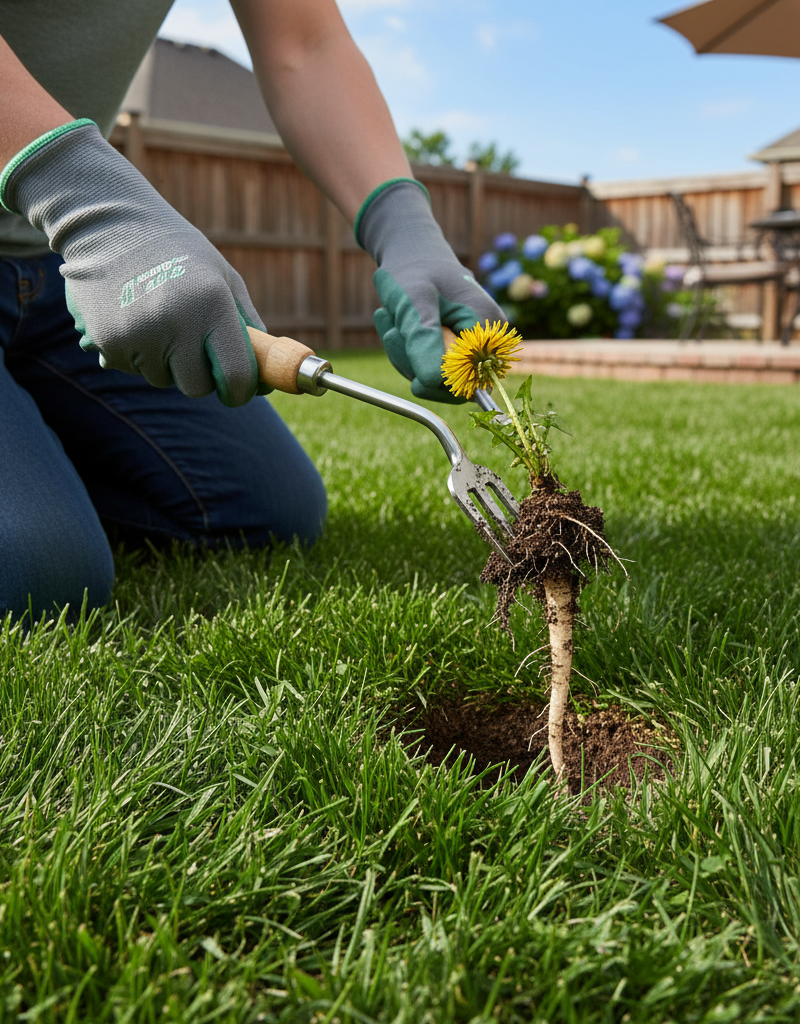
Root Systems: Weeds have evolved robust root systems. Tap-rooted weeds like dandelions have a long, thick main root that can quickly regenerate the plant even if the top is removed. Spreading weeds, like crabgrass or bindweed, often have shallow, fibrous roots or rhizomes (underground stems) that enable them to spread rapidly and form dense mats, making them difficult to eradicate without removing every small segment.
Rapid Growth & Reproduction: Weeds typically grow much faster than cultivated plants, allowing them to outcompete for resources like sunlight, water, and nutrients. They also mature quickly and produce seeds prolifically, ensuring their continued presence in the environment.
Adaptability: Weeds are highly adaptable to adverse conditions, thriving in poor soil, compacted areas, or disturbed sites where desirable plants struggle. They often indicate underlying soil issues, such as nutrient deficiencies or pH imbalances.
Allelopathy: Some weeds release chemical compounds into the soil that inhibit the growth of nearby plants, giving them a competitive advantage. This allelopathic effect can make it even harder for your desired plants to establish and thrive.
Effective weed control therefore involves disrupting these mechanisms: preventing seed production and dispersal, exhausting root systems, creating a soil environment where desired plants have an advantage, and suppressing new growth. This combination starves the existing weeds while preventing future generations from establishing.
Step-by-Step Fix
Step 1: Identify Your Weeds — Knowing your enemy is half the battle.
- Before you jump into action, take time to identify the common weeds in your garden. Are they annuals (complete their life cycle in one season), biennials (two seasons), or perennials (live for multiple years)?
- Tool Tip: Use a plant identification app or a local extension office guide. Understanding their life cycle (e.g., annuals sprout from seed each year, perennials regrow from roots) dictates the most effective removal strategy.
Step 2: Early & Consistent Manual Removal — Attack them young.
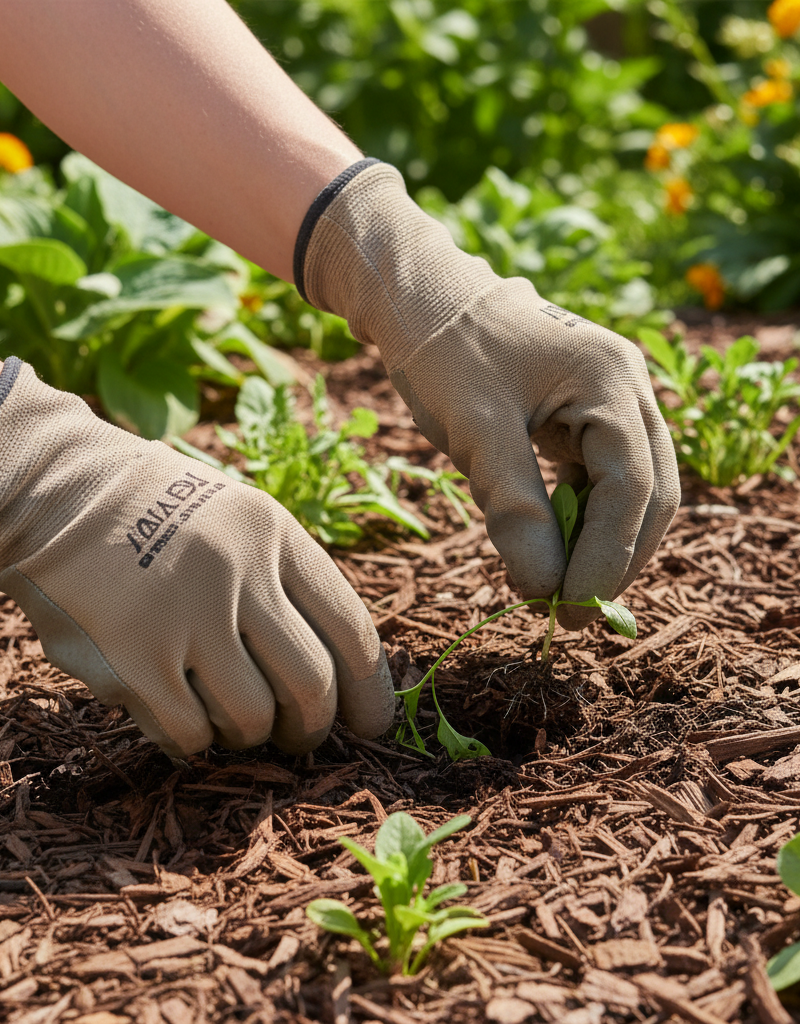
- Pull weeds when they are small and the soil is moist. This makes extraction much easier and reduces the chance of leaving root fragments behind. Aim to remove them before they go to seed.
- Tools: Use a weeding fork, dandelion digger, or a hori hori knife for tap-rooted weeds.
- Safety: Wear gardening gloves to protect your hands and avoid skin irritation from certain weed sap.
- Important: Ensure you remove the entire root system, especially for perennial weeds. Even a small piece of root can regenerate the plant.
- If this doesn't work: If the weed breaks, try to loosen the soil around it more thoroughly with a hand trowel before attempting another pull.
Step 3: Implement Strategic Mulching — Suppress new growth.
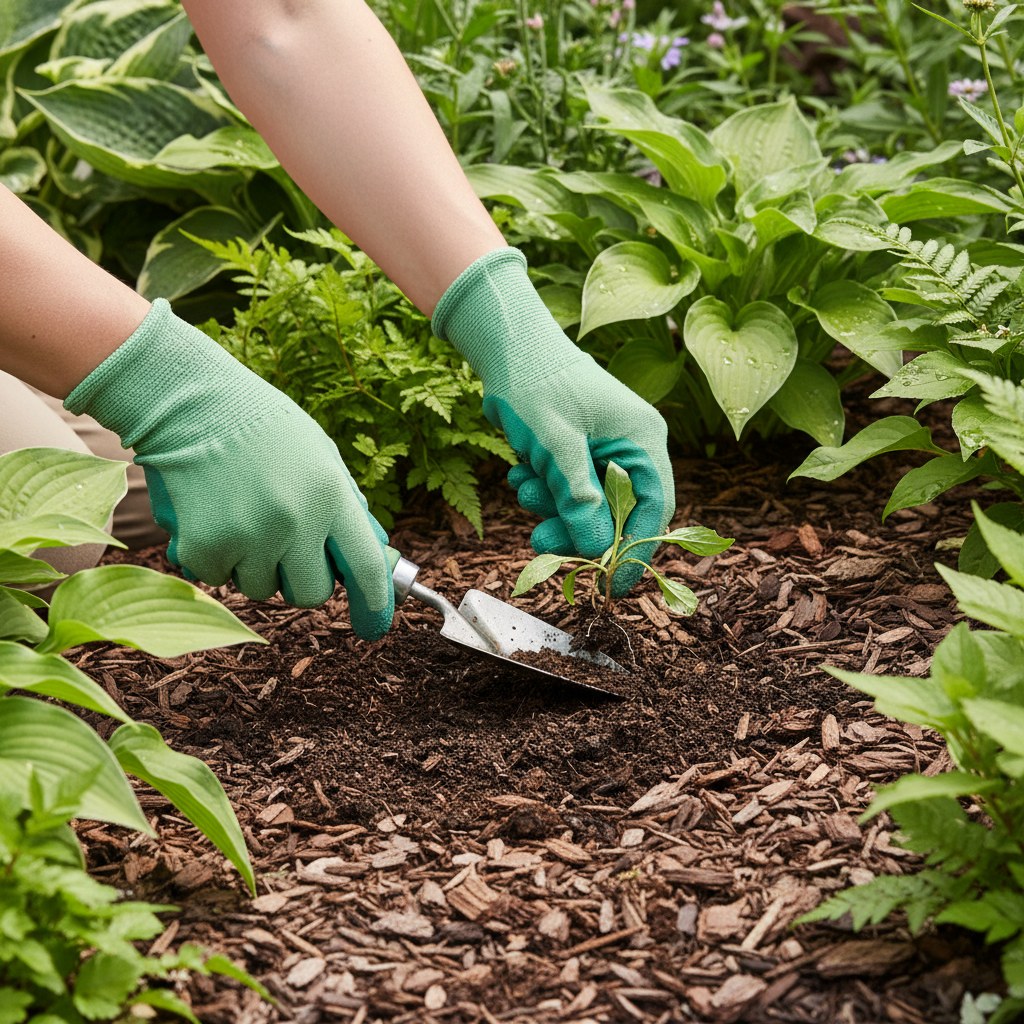
- Apply a thick layer (3-4 inches) of organic mulch over your garden beds. Mulch blocks sunlight, preventing weed seeds from germinating and suppressing the growth of existing young weeds.
- Materials: Use wood chips, straw, shredded leaves, or bark. Avoid dyed mulches.
- Placement: Keep mulch a few inches away from plant stems to prevent rot and pest issues. Replenish mulch annually or as needed to maintain thickness.
- Benefits: Besides weed suppression, mulch conserves soil moisture, regulates soil temperature, and improves soil health as it decomposes.
Step 4: Improve Soil Health — Create a hostile environment for weeds.
- Healthy soil fosters vigorous desired plants that can outcompete weeds. Conduct a soil test to understand its composition, pH, and nutrient levels.
- Tools: Soil test kit (available at garden centers or through your local extension office).
- Action: Amend your soil based on the test results. Incorporate organic matter like compost to improve drainage, aeration, and nutrient availability. Proper pH levels are crucial for optimal plant growth.
- Pro Tip: Weeds often thrive in compacted, nutrient-poor soil. Improving soil structure and fertility encourages your plants to establish strong root systems, leaving less room and fewer resources for weeds.
Step 5: Proper Plant Spacing & Companion Planting — Fill the gaps.
- Plant your desired plants at their recommended spacing, allowing them to grow together and shade the soil. A dense canopy of foliage naturally suppresses weed growth by blocking sunlight.
- Strategy: Consider companion planting, where certain plants benefit each other. For example, some groundcovers can be used to suppress weeds in larger beds while providing aesthetic value.
- Avoid: Large expanses of bare soil, which are an open invitation for weed seeds to germinate.
Step 6: Targeted Weed Treatment (Optional & Last Resort) — Spot treatment only.
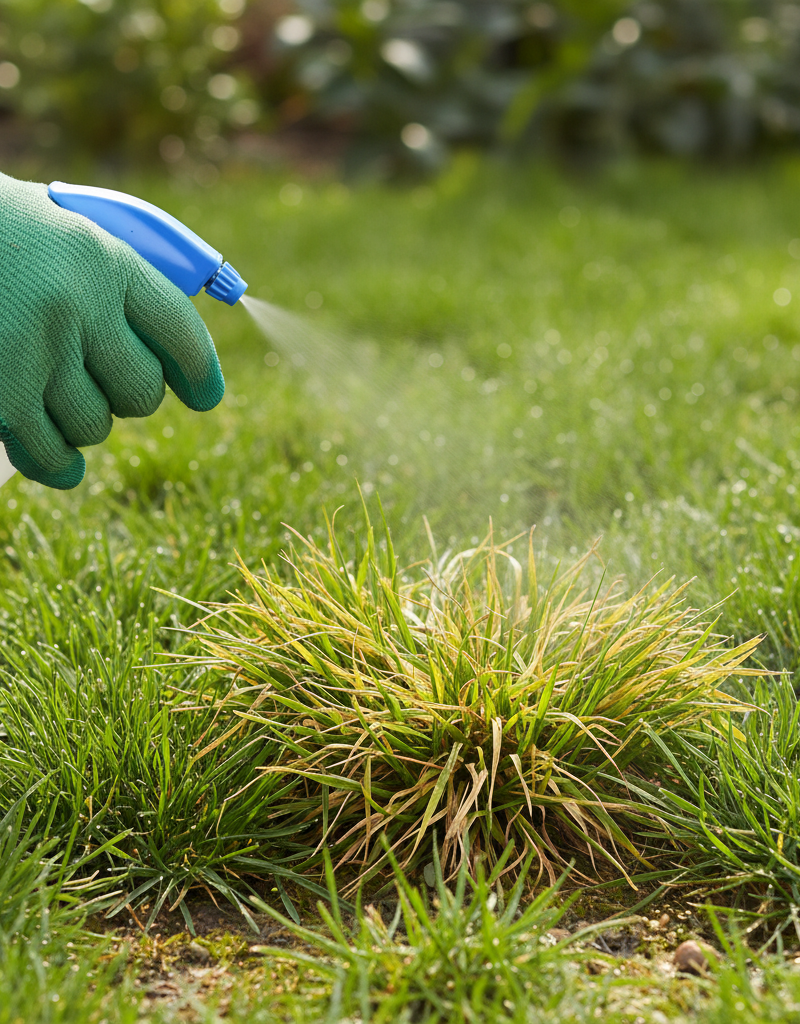
- If manual removal and mulching aren't sufficient for particularly stubborn weeds, consider targeted application of an organic, non-selective herbicide like horticultural vinegar or a pre-emergent herbicide for annual weeds.
- Safety: Always read and follow product instructions carefully. Wear appropriate personal protective equipment (gloves, eye protection) and avoid spraying on windy days to prevent drift.
- Important: Use extreme caution with any herbicide. Non-selective herbicides will kill any plant they contact. Pre-emergents prevent seeds from germinating, so they are only effective before weeds emerge.
- If this doesn't work: Re-evaluate your overall strategy. Persistent weeds often signify a deeper issue with soil, watering, or cultural practices.
Step 7: Regular Monitoring & Maintenance — Consistency is key.
- Walk through your garden regularly (at least once a week) to catch new weeds while they are still small and easy to remove. Early intervention prevents them from setting seed and spreading.
- Schedule: Establish a routine for weeding, mulching, and checking soil health. This consistent effort will drastically reduce the weed burden over time.
- Don't forget: Even with the best strategies, occasional weeds may appear. The goal is management, not absolute eradication overnight.
Common Causes
- Disturbed Soil: Tilling or digging often brings dormant weed seeds to the surface, triggering germination.
- Bare Soil: Any exposed soil is an invitation for weed seeds to land and grow. Weeds are nature's way of trying to cover and protect bare earth.
- Inadequate Mulching: Too thin a layer of mulch, or no mulch at all, allows sunlight to reach the soil, promoting weed seed germination.
- Improper Watering: Shallow, frequent watering encourages shallow-rooted weeds, while deep, infrequent watering promotes deeper root growth in desired plants.
- Leaving Weeds to Seed: Allowing weeds to mature and drop seeds contributes to the soil's weed seed bank, ensuring future generations.
- Poor Soil Health: Compacted or nutrient-deficient soil can create an environment where weeds, which are less demanding, thrive, while desired plants struggle.
Common Mistakes
- Tilling/Digging Aggressively: This brings dormant weed seeds to the surface, causing a fresh flush of new weeds. Opt for minimal soil disturbance.
- Weeding When Soil Is Dry: Roots break easily, leaving fragments that can regenerate the weed. Always weed when the soil is moist.
- Leaving Weeds After Pulling: Many weeds can reroot or continue to ripen seeds even after being pulled. Dispose of them properly (compost in a hot pile, or bag them for disposal).
- Not Mulching Deeply Enough: A thin layer of mulch (less than 3 inches) won't effectively suppress weeds. Go for a consistent 3-4 inch layer.
- Ignoring Soil Health: Focusing only on removal without addressing underlying soil issues (compaction, pH, nutrients) means you're fighting an uphill battle. Healthy soil grows healthy plants that outcompete weeds.
- Inconsistent Effort: Sporadic weeding allows weeds to establish, set seed, and become much harder to control. Regular, quick passes are more effective than infrequent, long battles.
Cost & Time Breakdown
| Task | DIY Cost | Pro Cost | Time |
|---|---|---|---|
| Soil Test Kit | $15–$30 | N/A | 15–30 min |
| Hand Weeding Tools | $20–$60 | N/A | One-time |
| Organic Mulch (1 cu yd) | $30–$80 | N/A | 1–2 hours |
| Compost (1 cu ft) | $5–$15 | N/A | 30 min |
| Herbicides (organic) | $15–$40/bottle | N/A | 15 min |
| Professional Weeding | N/A | $75–$150/hour | Varies |
Tips & Prevention
- Water Smart: Water deeply and infrequently to encourage strong, deep root systems in your desired plants, making them more resilient to weed competition.
- Edge Your Beds: Install physical barriers like edging around garden beds to prevent lawn grasses and spreading weeds from encroaching.
- Use Groundcovers: In areas where you want to minimize maintenance, consider planting desirable groundcover plants that will outcompete weeds.
- Solarization (for severe areas): For extremely weedy areas, cover the soil with clear plastic sheeting for 4-6 weeks during the hottest part of summer. The sun's heat will kill existing weeds and many dormant seeds.
- Clean Your Tools: Always clean gardening tools after use, especially if you've been working in a weedy area, to prevent spreading weed seeds or root fragments to other parts of your garden.
- Know Your Weeds' Seasons: Understand when particular weeds are most active. For instance, annual broadleaf weeds are easiest to control in spring before they set seed.
When to Call a Professional
While most general weed maintenance falls within a homeowner's capability, there are specific situations where calling a professional landscape service or arborist is advisable. If you are dealing with a severe infestation of invasive weeds that are particularly difficult to eradicate, such as Japanese knotweed, bindweed across a large area, or significant poison ivy that poses a health risk, a professional can offer specialized treatments and removal methods. Additionally, if you have large areas to clear and lack the time or physical ability for extensive manual labor, a professional service can provide efficient and thorough initial clearing. They can also offer tailored long-term weed management plans based on your specific soil conditions and plant types, ensuring a more sustainable solution than isolated DIY efforts.
Frequently asked questions
How do I permanently get rid of weeds without chemicals?+
Permanent weed removal without chemicals involves a multi-pronged organic approach: consistent manual weeding when weeds are small, applying thick layers of organic mulch, improving soil health through compost, and proper plant spacing to shade out weed seedlings. These methods prevent seed germination and exhaust existing weed root systems over time.
Why do weeds grow back so fast?+
Weeds grow back quickly due to their robust root systems (especially perennials like dandelions), their prolific seed production (annuals can drop thousands of seeds), and the presence of a vast 'weed seed bank' in your soil. Disturbing the soil often brings dormant seeds to the surface, where they quickly germinate.
What is the best depth of mulch to prevent weeds?+
For effective weed suppression, a mulch layer of 3-4 inches is generally recommended. This depth is sufficient to block sunlight from reaching weed seeds in the soil, preventing them from germinating, while still allowing air and water to penetrate to the soil below.
Discussion
Loading comments…