Tools & materials you'll need
Affiliate linksAs an Amazon Associate FixlyGuide earns from qualifying purchases — at no extra cost to you. Prices and availability are accurate as of publication and subject to change.
Quick Answer
Most single-hung and double-hung windows that won't stay open suffer from worn-out or dislodged balance mechanisms. Often, the fix is as simple as re-engaging a spring or cleaning the tracks, restoring proper function without complex repairs or special tools. In many cases, a simple adjustment or clearing of debris can have your window operating smoothly and staying put in under 10 minutes.
The Problem
There's nothing more frustrating than trying to enjoy a fresh breeze, only for your window to slowly, stubbornly slide back down. It's a common nuisance in homes, affecting everything from older wooden sashes to modern vinyl windows. This isn't just an inconvenience; a window that won't stay open can be a safety hazard, a security risk if it can't be properly secured, and a constant drain on your patience. While it might seem like a major structural issue, the culprit is almost always related to the window's balance system – the ingenious mechanism designed to counteract gravity and keep the sash in place. Understanding how these systems work is the first step toward a quick and effective repair.
How It Works
To understand why your window isn't staying up, you need to know a little about its internal mechanics. Most modern single-hung and double-hung windows (the types that slide vertically) rely on a 'balance system' to keep the sash in any desired position. Without this system, the sheer weight of the glass and frame would make it nearly impossible to open or impractical to keep open.
There are three primary types of balance systems:
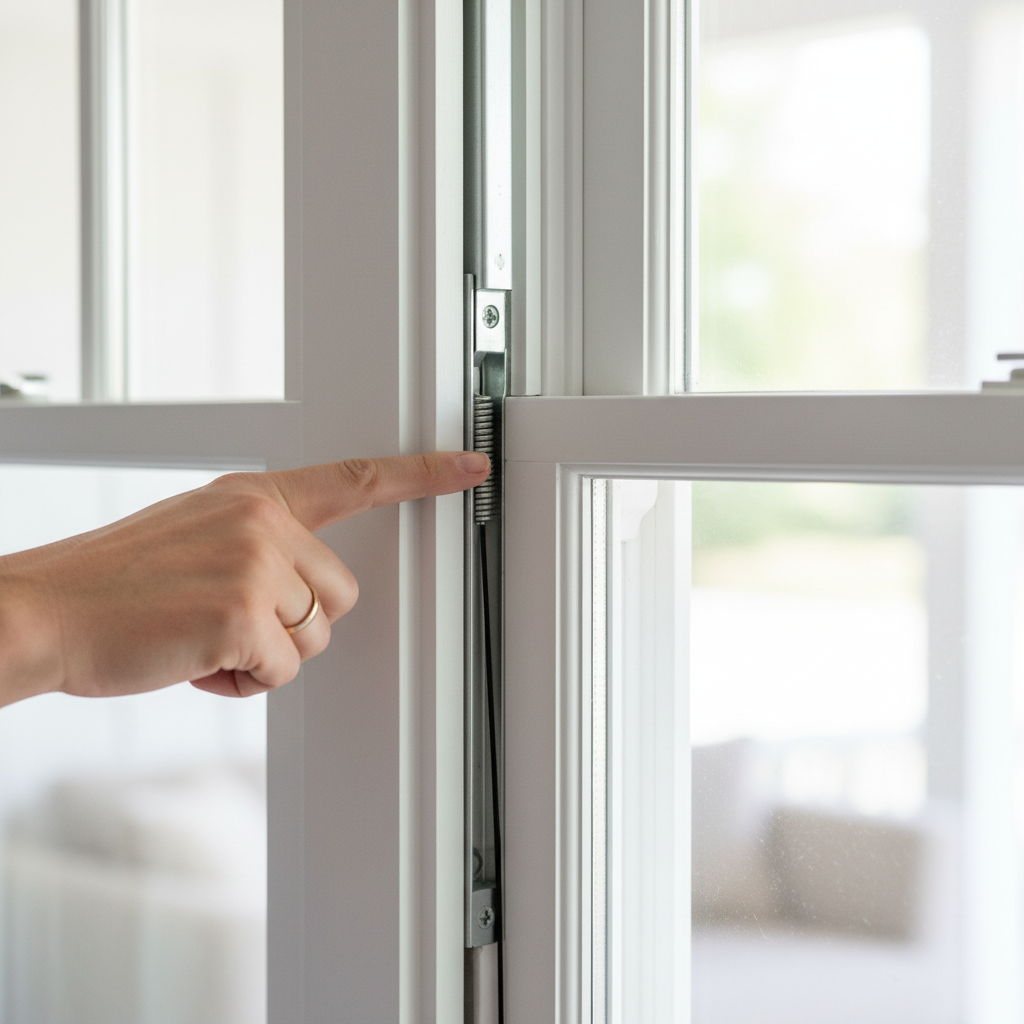
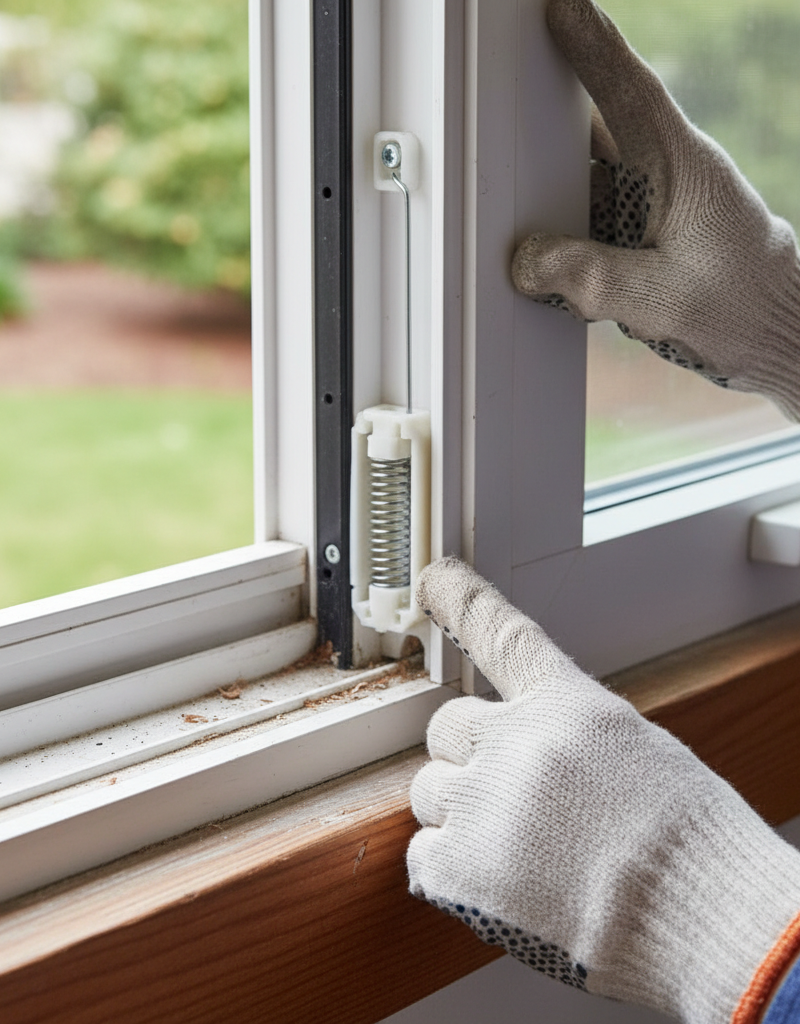
- Spring-loaded coil balances: These are the most common in newer vinyl and aluminum windows. They consist of a spiral-shaped spring encased in a tube, typically located in the side jamb of the window frame. A cord or tape connects the spring to the bottom of the window sash. As you lift the window, the spring coils up, storing energy. This stored energy then provides the upward force needed to hold the sash in place against gravity. When these balances fail, it's often because the spring has lost tension, a component has broken, or the cord has come loose from the sash.
- Channel balances (Block and Tackle): Often found in moderate-age windows, these systems use a series of springs, pulleys, and cords housed within an aluminum or plastic channel in the window jamb. A 'shoe' or 'clip' at the bottom of the channel attaches to the window sash. The springs and pulleys work together to provide counterbalance. Failure here typically involves a broken spring, a frayed cord, or the shoe becoming detached from the sash or even the channel itself. The internal components are designed to create friction and leverage, allowing the window to stay put.
- Weight and pulley systems: Primarily found in very old wooden windows, these systems use actual lead or steel weights hidden within pockets in the window frame. A cord runs from the top corner of the window sash, over a pulley at the top of the frame, and down to the counterweight. The combined weight of the sash and the counterweight are roughly equal, creating a balanced system. If a window with this system won't stay up, it's almost always due to a broken or detached cord, or sometimes the weights getting jammed in their pockets.
Regardless of the system, the core principle is the same: providing an opposing force to the weight of the window sash. When this force is insufficient or improperly applied, gravity wins, and your window slides down. Understanding which type of balance system your window uses will guide you toward the correct diagnostic and repair steps.
Step-by-Step Fix
1. Safety First — Protect yourself and your window
Before you start, make sure the area is clear. If the window is particularly heavy or prone to slamming shut, ask someone to help hold it while you inspect the balance system. You don't want your fingers caught, and you don't want to damage the window or frame. Lay a drop cloth or old towel on the floor below the window to catch any debris.
2. Identify Your Window Type — Determine the balance system
Look at the sides of your window sash. Do you see exposed cords and weights in pockets (very old wood windows)? Or is there a narrow metal or plastic channel running vertically within the frame (more common)? You'll likely have either a coil balance or a channel balance system. This identification is crucial for the next steps.
3. Clean the Tracks and Jambs — Remove obstructions
Many window balance issues are not mechanical, but simply caused by friction. Over time, dirt, dust, pet hair, paint drips, and even insect nests can accumulate in the side tracks and jamb liners, preventing the sash from moving smoothly and creating resistance that the balance system can't overcome. Thoroughly clean the entire track system.
- Materials: Vacuum with a brush attachment, stiff brush, damp cloth, mild soap solution (optional).
- Process: Open the window as far as it will go. Use a vacuum to suck out loose debris from the side channels and bottom track. Then, use a stiff brush to dislodge any stuck-on grime. Follow up with a damp cloth, possibly with a little mild dish soap, to wipe down all surfaces. Ensure the tracks are completely dry before proceeding. Pay close attention to the very bottom and top of the jamb where the balance mechanisms are anchored.
4. Re-engage a Dislodged Channel Balance Shoe — The most common quick fix
If you have a channel balance system, one of the most frequent problems is the 'shoe' (the small plastic or metal clip at the bottom of the channel that the window sash rests on) becoming dislodged or twisted.
- How to spot it: The window will often list to one side, or one side will feel completely unsupported. Look into the side channel – you might see the shoe at an odd angle, or it may have fallen out of the bottom of the sash altogether.
- Process: Carefully lift the window sash as high as it can go. If it's a double-hung window, you might need to tilt it inwards for cleaning access (check your window manufacturer's instructions for tilting). Once the window is up, or tilted, you should see the shoe inside the channel. If it's twisted, use a flathead screwdriver or needle-nose pliers to gently rotate it back to its correct orientation (the flat top should be horizontal). If it has fallen out of the groove in the sash, gently pull the shoe down a bit (it's spring-loaded) and guide the top edge back into the groove at the bottom of the window sash. Once re-engaged, gently lower the window to test.
- If this doesn't work: If the shoe seems broken, or the spring inside the channel balance feels completely slack, the entire balance unit may need replacement. This is a moderate difficulty DIY task, requiring you to carefully remove the old balance and install a new one from a specialty window parts supplier. Take pictures and measurements before ordering.
5. Check Coil Balance Spring Tension — For coil-balance windows
With coil balance systems, the issue is often a lack of spring tension or the coil becoming dislodged from its connection point.
- How to spot it: The coiled spring will be visible in the side jamb. It might look stretched out, or the pin that connects it to the sash might be bent or broken.
- Process: Lift the window sash. Look inside the side jambs. You should see the coil balanced spring assembly. Sometimes, the spring simply needs to be re-seated or re-tensioned. Many coil balances have a small tab or pin that fits into a slot on the window sash. Ensure this connection is secure. If the spring itself appears broken or severely stretched, the entire coil balance unit will need to be replaced. These often come as a single unit specific to your window's weight and size. Replacing them typically involves unscrewing the old unit and screwing in the new one, but can require removing the window sash first.
- Safety Note: Coil springs are under tension. If you attempt to manipulate the spring directly, wear safety glasses. If the spring breaks or releases unexpectedly, it can cause injury. It's often safer to replace the entire unit if the spring itself is compromised.
6. Lubricate Moving Parts — Reduce friction
Once the tracks are clean and balance mechanisms are checked, lubrication can significantly improve window operation.
- Materials: Silicone spray lubricant (NEVER use oil-based lubricants like WD-40, as they attract dirt and grime and can damage vinyl).
- Process: Apply a thin, even coat of silicone spray lubricant directly into the side channels where the sash slides. You can also spray a very small amount onto the balance shoes or coils if they are visible and accessible. Wipe away any excess. Operate the window up and down several times to distribute the lubricant. This will reduce friction and allow the balance system to work more efficiently.
7. Inspect and Adjust Sash Guides/Jamb Liners — Ensure smooth travel
Some windows have removable jamb liners or plastic guides that help the sash slide smoothly. These can become warped, cracked, or simply worn down.
- How to spot it: The window may bind or have excessive play on one side. The plastic liner might feel loose or be visibly damaged.
- Process: Gently pry out the jamb liner (if removable – consult your window manual). Inspect it for damage. If it's warped or broken, replacing it can make a big difference. If it's just dirty, clean it thoroughly. For some window types, adjusting the screws that hold the jamb liner in place can solve binding issues, but be cautious not to overtighten and cause more friction.
8. Address Broken Cords (Weight & Pulley Systems) — For very old windows
If you have an antique window with sash weights, a broken cord is the most likely culprit. This is a more involved repair.
- Process: You'll need to remove the window stops and sashes to access the weight pockets. Carefully remove the inner and outer window stops, then lift out the sashes. Open the small access panel at the bottom of the jamb to retrieve the counterweight. Cut a new sash cord to the correct length (use the old one as a guide). Tie one end to the weight, feed the other end over the pulley at the top, and then tie it securely to the window sash. Repeat for both sides. Ensure the weights hang freely and don't get snagged.
- Safety Note: This involves removing potentially heavy sashes and accessing confined spaces. Be careful not to drop weights or sashes. Wear work gloves to protect your hands.
Common Causes
- Worn or broken balance springs/cords: Over time, the springs in coil or channel balances can lose tension, break, or the cords can fray and snap. For weight and pulley systems, the cords simply break.
- Dislodged balance shoe: In channel balance systems, the plastic or metal 'shoe' that connects the sash to the spring mechanism can become twisted or pop out of its track.
- Dirty or obstructed tracks: Accumulation of dirt, dust, pet hair, paint, or other debris in the side channels creates friction, preventing the window from sliding smoothly and overpowering the balance system.
- Lack of lubrication: Dry tracks or balance components increase friction, making the window harder to open and preventing it from staying in place.
- Warped or damaged sash guides/jamb liners: Plastic or metal guides designed to help the sash move smoothly can wear out, warp, or crack, leading to binding.
- Improperly installed or adjusted balances: If new balances were installed incorrectly, or if they were the wrong weight rating for the sash, they won't function properly.
- Sash issues: Less common, but sometimes the window sash itself can warp slightly, causing it to bind in the frame.
Common Mistakes
- Using the wrong lubricant: Never use oil-based lubricants like WD-40 on window tracks, especially vinyl windows. They attract dirt, create a sticky residue, and can degrade plastic components over time. Always use silicone-based spray lubricant.
- Forcing the window: If a window is sticking or won't stay up, trying to force it open or slam it shut can further damage the balance system, tracks, or even the window frame itself. Diagnose the problem before applying excessive force.
- Ignoring cleaning: Skipping the thorough cleaning of tracks and jambs. Many balance issues are friction-related and can be resolved with a good cleaning and lubrication, making more complex repairs unnecessary.
- Incorrectly re-engaging balance shoes: Trying to force a channel balance shoe back into place without properly aligning it can break the shoe or damage the spring inside the channel. Be gentle and ensure it's oriented correctly.
- Ordering the wrong replacement parts: Window balance systems are often specific to the window manufacturer, series, and sash weight. Guessing or taking rough measurements will likely lead to ordering parts that don't fit or don't provide the correct counterbalance. Always take meticulous measurements and pictures.
- Not checking both sides: Often, only one side of a double-hung window's balance system fails, causing the window to sag or slide down unevenly. Always inspect both sides of the window when troubleshooting.
Cost & Time Breakdown
| Task | DIY Cost | Pro Cost | Time |
|---|---|---|---|
| Cleaning & Lubrication | $5–$15 | N/A | 15–30 minutes |
| Re-engaging Balance Shoe | $0 | N/A | 5–10 minutes |
| Replacing Channel Balance | $15–$40 per pair | $150–$300 per window | 30–60 minutes |
| Replacing Coil Balance | $10–$30 per pair | $150–$300 per window | 30–60 minutes |
| Replacing Sash Cords (Old Windows) | $10–$20 | $200–$400 per window | 1–2 hours |
| Full Window Service (Pro) | N/A | $250–$500 per window | 1–3 hours |
Tips & Prevention
- Regular Cleaning: Make window track cleaning part of your regular home maintenance, at least twice a year. Use a vacuum, stiff brush, and damp cloth to remove dirt and debris. This prevents friction and extends the life of balance systems.
- Proper Lubrication: After cleaning, apply a light coat of silicone spray lubricant to the side tracks and any visible moving parts of the balance system. This reduces wear and tear.
- Gentle Operation: Avoid slamming windows open or shut. Operate them smoothly and gently to minimize stress on the balance mechanisms.
- Inspect Annually: Once a year, open your windows fully and inspect the balance systems, looking for frayed cords, twisted shoes, or signs of wear on springs. Catching minor issues early can prevent bigger problems.
- Address Issues Promptly: Don't ignore a window that's starting to stick or sag. The sooner you address it, the less likely it is to escalate into a full balance system replacement.
- Check for Correct Parts: If you're replacing balances, ensure you order the correct type and weight rating for your specific window model. Incorrect parts will lead to recurring problems.
When to Call a Professional
You should call a professional window repair specialist if you've attempted the basic troubleshooting and fixes outlined above and your window still won't stay open. Specifically, if you suspect the balance system itself is broken beyond simple re-engagement and you're uncomfortable with sash removal or dealing with spring-loaded mechanisms, a pro is your best bet. If the window sash is exceptionally heavy, large, or requires specialized tools for removal, or if the frame itself appears damaged or warped, a professional can diagnose and repair the issue safely and effectively, or advise on potential window replacement if warranted. Trying to force a broken window or incorrectly installing balance systems can lead to further damage or even personal injury, making a professional intervention the wisest course of action.
Frequently asked questions
Why won't my window stay up?+
Most commonly, a window won't stay up due to a failing or dislodged balance system (springs, cords, or weights) located in the window's side jambs, or excessive friction caused by dirty tracks and jamb liners.
Can I fix a window balance myself?+
Yes, many common window balance issues are DIY-friendly. Cleaning the tracks, lubricating moving parts, and re-engaging a dislodged balance 'shoe' are often simple fixes. More complex repairs, like replacing a broken balance unit or sash cords, are also possible for homeowners with basic tools and patience.
What kind of lubricant should I use for window tracks?+
Always use a silicone-based spray lubricant for window tracks and moving parts. Avoid oil-based lubricants like WD-40, which can attract dirt and grime, leading to more problems over time and potentially damaging vinyl components.
How do I know what type of window balance I have?+
Inspect the side jambs of your window. Newer windows often have coil balances (a spiral spring in a tube) or channel balances (a metal or plastic channel with internal springs/cords). Very old wooden windows typically use weight and pulley systems with visible cords and weights inside the frame.
Discussion
Loading comments…