Tools & materials you'll need
Affiliate linksAs an Amazon Associate FixlyGuide earns from qualifying purchases — at no extra cost to you. Prices and availability are accurate as of publication and subject to change.
Quick Answer
A window that won't stay up is typically suffering from inadequate friction in its sash balance system due to dirt, debris, or dried-out lubrication. You can often restore the window's ability to stay open by thoroughly cleaning the window channels and applying a dry lubricant like silicone spray or paraffin wax. This simple maintenance can revive stiff or sagging sashes without requiring replacement parts or professional help.
The Problem
There's nothing more frustrating than opening a window for a fresh breeze, only for it to immediately slide back down, denying you ventilation and becoming a constant nuisance. This common problem isn't just an annoyance; it can be a sign of underlying issues with your window's balance system. Over time, dust, pet hair, paint, and general grime accumulate in the sash channels, creating resistance where there should be smooth operation and reducing friction where it's needed to hold the window in place. For older windows, the balance mechanisms themselves (spiral balances, spring balances, or even weights in older double-hung windows) can lose their tension or become jammed. Sometimes, the problem is as simple as dried-out lubrication or a slight misalignment of the sash within the frame, preventing the window from catching and staying put. While it might seem like a major repair is needed, many times the fix is surprisingly quick and doesn't involve replacing expensive components.
How It Works
Most modern double-hung and single-hung windows rely on a 'sash balance' system to help you open and close them smoothly and keep them open at various positions. There are several types of these systems, but they all serve the same fundamental purpose: to counteract the weight of the window sash.
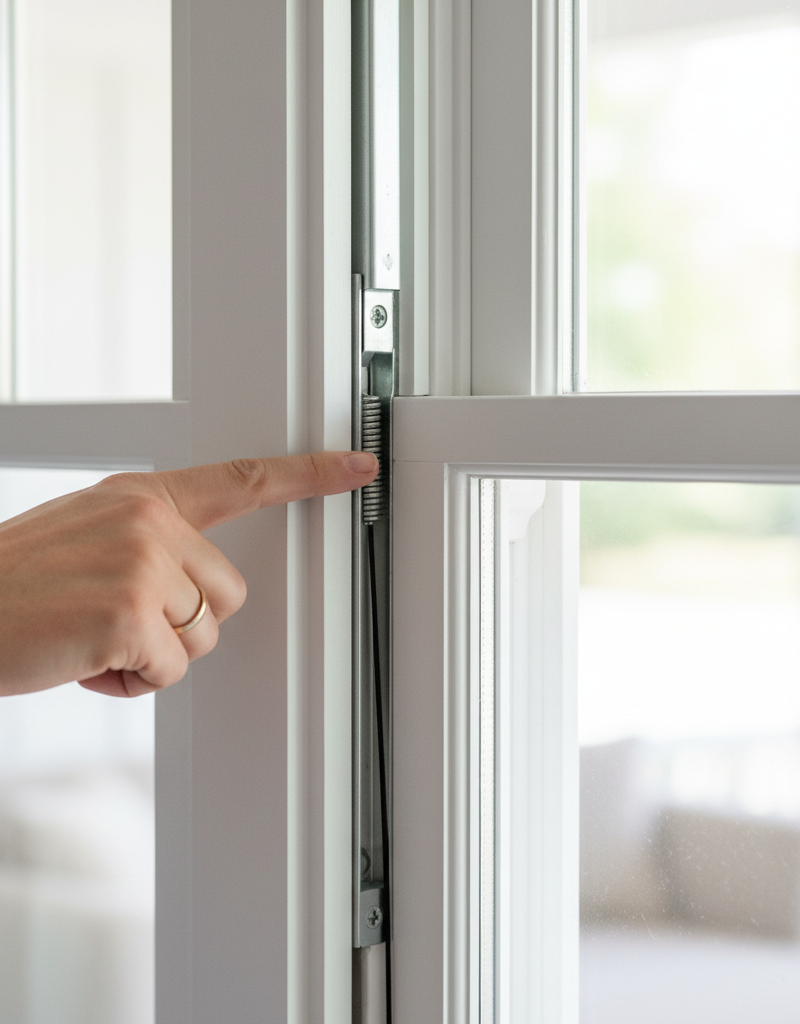
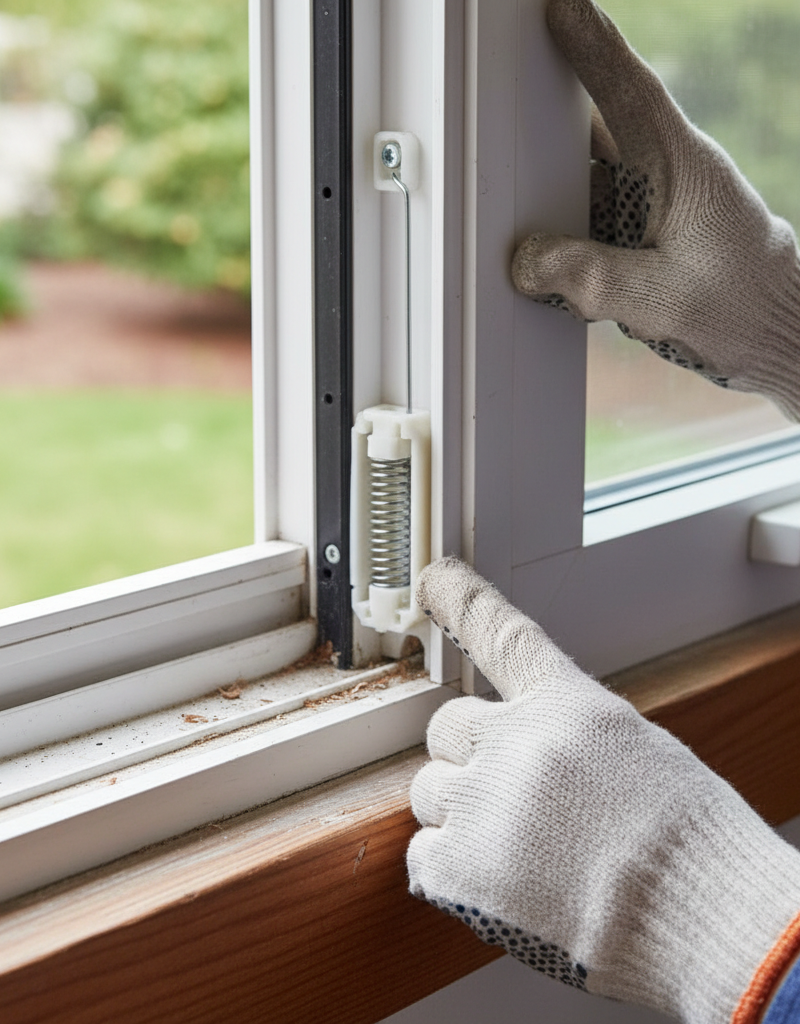
The most common type in contemporary windows is the spiral balance (also known as a tube balance). This system consists of a long, thin metal rod coiled inside a metal or plastic tube, located within the window's side channels. One end of the rod attaches to a spring, and the other end connects to a pivot shoe that slides up and down with the window sash. When you lift the window, the spiral rod twists, winding the spring and creating tension. This spring tension helps to support the weight of the sash, making the window feel lighter and allowing it to stay open at any point along its travel. The friction between the pivot shoe and the channel, along with the tension from the spiral, is what keeps the window from sliding down.
Another common type, especially in older but still relatively modern windows, is the block-and-tackle balance. This system uses a series of cords and pulleys (like a miniature block and tackle lift) connected to a spring. Similar to spiral balances, the spring provides the necessary counter-tension, and the pulley system helps distribute the sash's weight as it moves.
Traditional weight-and-pulley systems are found in very old windows. Here, ropes connect the sash to heavy lead or cast iron weights hidden within pockets in the window frame. These weights perfectly balance the sash, allowing it to float wherever it's placed. Friction from the ropes and pulleys, or subtle binding, helps hold these in place.
Regardless of the type, when a window won't stay up, it usually means one of two things: either the balance mechanism itself has lost its ability to provide sufficient counterbalance (e.g., a broken spring, corroded spiral), or there isn't enough friction between the sash and the window frame/balance system to hold the window's position. Often, the latter is the culprit, caused by accumulated dirt, old lubricant drying out, or minor structural shifts in the frame.
Step-by-Step Fix
1. Clear the Area Safely — Before you begin any work, make sure the area around the window is clear of obstructions. Remove any curtains, blinds, or decorative items. Have a stable step stool or ladder if the window is difficult to reach. Open the window as far as it will go and prop it open with a sturdy block of wood if needed, to prevent it from slamming down unexpectedly.
* **Safety Note:** Always be mindful of falling sashes. If the window sash is very heavy or doesn't stay up at all, have a helper support it while you work, or use a clamp to secure it in the open position.
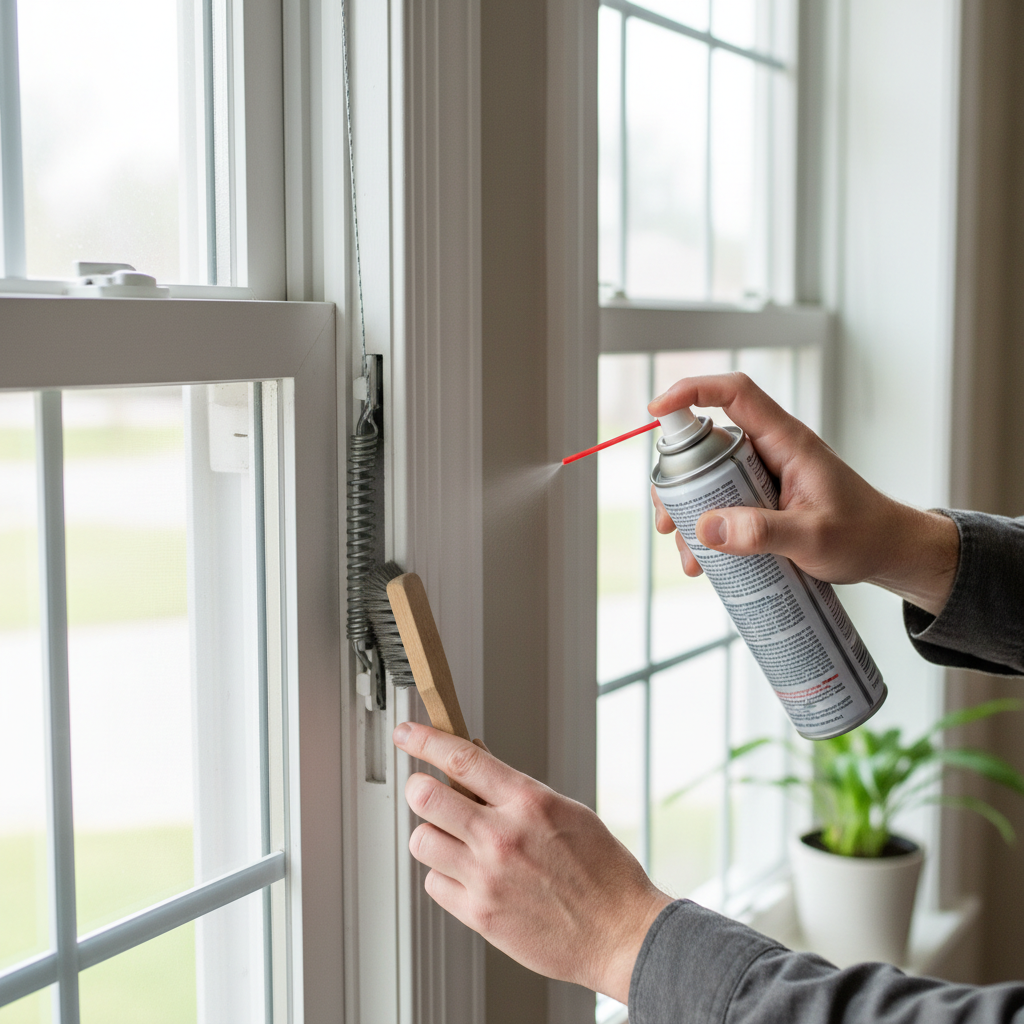
2. Deep Clean the Window Channels — This is often the most critical step. Over years, dust, paint chips, pet hair, and environmental grime build up in the tracks where the sash slides. This gunk creates drag and prevents the sash balance system from working effectively. Use a stiff brush, an old toothbrush, or even a vacuum cleaner with a crevice tool to remove all visible debris from both side channels and the bottom sill track. Pay close attention to any pivot shoes or plastic guides. A damp cloth can help loosen stubborn dirt, but ensure the channels are completely dry before proceeding.
* **Pro Tip:** For incredibly stubborn grime or paint drips, a plastic scraper or a putty knife can gently scrape away buildup without damaging the window frame.
3. Inspect and Clean Balance Mechanisms — With the channels clean, inspect the visible parts of the sash balance system. If you have spiral balances, make sure the plastic pivot shoes at the bottom of the sash are clean and free-moving. If you see springs or cords, check for visible damage, kinks, or broken components. Use a rag to wipe away any old, gummy grease or dirt from accessible parts of the balance mechanism. For weight-and-pulley systems, check that the rope is intact and moving freely over the pulley at the top of the frame.
* **If this doesn't work:** If you find a visibly broken spiral or spring, this quick fix won't work, and the balance will need replacement. This is an advanced DIY task. Call a pro.
4. Apply Dry Lubricant — Once the channels and balance components are clean and dry, apply a dry lubricant. This is crucial as wet lubricants (like WD-40 or grease) attract more dirt over time, worsening the problem. Silicone spray lubricant is ideal; spray a light, even coat into both side channels and on any moving plastic or metal parts of the balance system. Alternatively, rub a paraffin wax candle (like the kind used for canning) or even a bar of soap along the entire length of the channels. This creates a smooth, low-friction surface that helps the sash glide.
* **Caution:** Avoid using oil-based lubricants, as they can attract dust and grime, creating a sticky residue that will worsen the problem over time.
5. Test and Re-lubricate if Needed — Gently raise and lower the window sash several times through its full range of motion. You should feel a noticeable improvement in its smoothness. Open the window to several different positions and release it. Does it stay up? If not, try applying a little more dry lubricant and retesting. Sometimes, it takes a few cycles for the lubricant to evenly distribute.
6. Check for Sash Alignment — If the sash still struggles, carefully inspect whether it's sitting squarely within the frame. Sometimes, a slight warp or a build-up of paint on one side can cause uneven friction. If possible, gently push the sash from side to side to see if it binds. While difficult to fix without significant disassembly, identifying an alignment issue can confirm a more complex problem if cleaning and lubrication don't work.
Common Causes
- Accumulated Dirt and Debris: The most frequent culprit. Dust, pet hair, paint flakes, dead insects, and general grime build up in the window channels, increasing friction and preventing the sash from moving freely or the balance system from holding properly.
- Dried-Out or Gummy Lubrication: Over time, factory lubricants can dry out, or homeowners might mistakenly apply wet lubricants (like multipurpose oils) that attract dirt, creating a sticky, resistant mess.
- Worn or Broken Balance Systems: Spiral balances can lose tension, springs can break, or pivot shoes can wear out or crack. In older windows, the ropes in weight-and-pulley systems can fray or snap, or the weights can get jammed.
- Paint Buildup: Fresh paint on the window frame or sash can accidentally seal the sash to the frame or reduce the necessary clearance, causing it to stick or sag.
- Window Frame Settling or Warping: Minor shifts in a house's foundation or humidity changes can cause window frames to subtly settle or warp, resulting in uneven channels that bind the sash.
Common Mistakes
- Using the Wrong Lubricant: Many homeowners reach for WD-40 or similar oil-based sprays. These are
Frequently asked questions
Why won't my window stay up anymore?+
Your window likely won't stay up due to accumulated dirt and debris in the sash channels, dried-out lubrication in the balance system, or worn components within the window's balance mechanism (like a spiral balance or spring).
What's the best lubricant for window tracks?+
The best lubricants for window tracks are dry lubricants like silicone spray or paraffin wax. Avoid oil-based lubricants, as they attract dust and grime, worsening the problem over time.
Can I fix a broken window balance myself?+
Replacing a broken window balance (like a spiral balance or spring balance) is an advanced DIY task. While possible for experienced homeowners, it often requires specialized tools and knowledge. For safety and proper function, it's generally best to call a professional for balance replacement.
How often should I clean my window tracks?+
Ideally, you should clean your window tracks and channels at least once a year, or more frequently if you live in a dusty environment or notice the windows becoming stiff or difficult to operate. Regular cleaning prevents build-up that can lead to problems like a sagging sash.
Discussion
Loading comments…