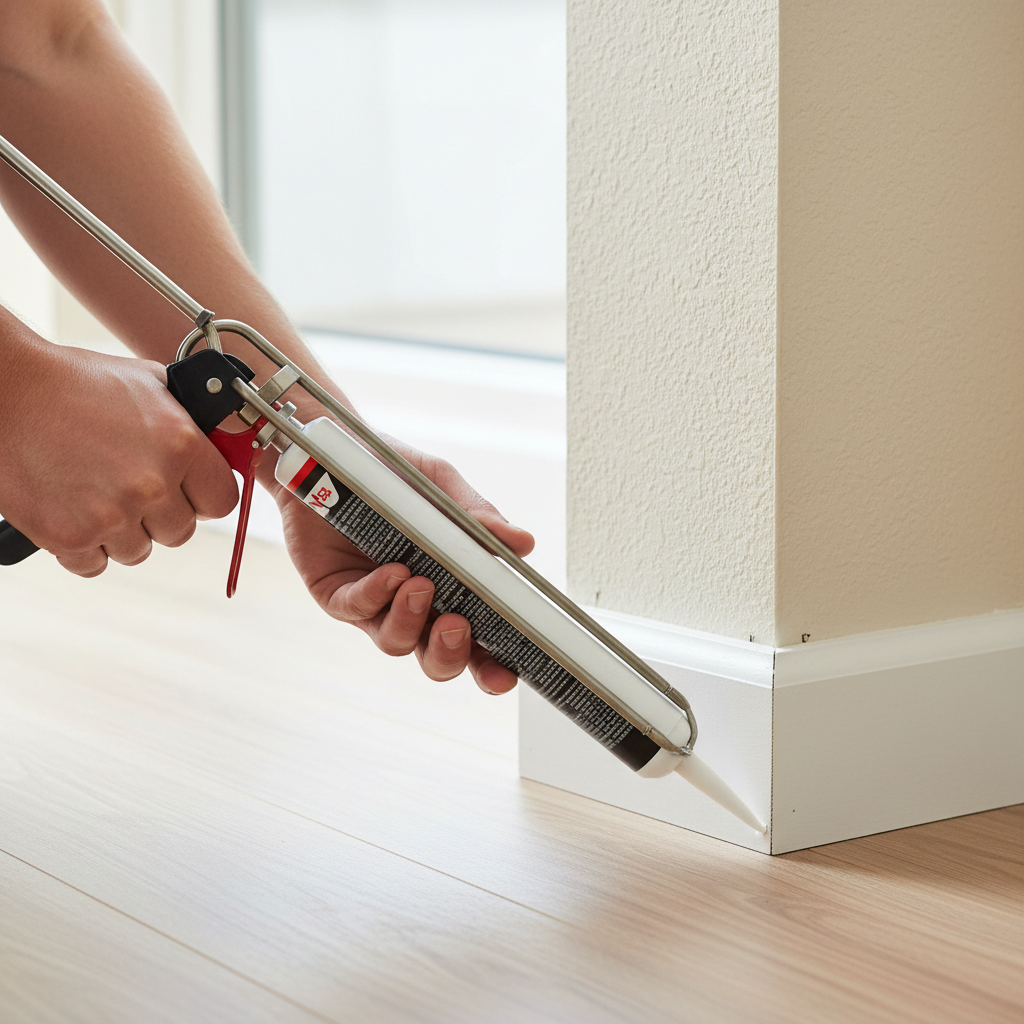
Tools & materials you'll need
Affiliate linksAs an Amazon Associate FixlyGuide earns from qualifying purchases — at no extra cost to you. Prices and availability are accurate as of publication and subject to change.
Quick Answer
Baseboards pull away from walls primarily due to three factors: the natural settling of your home, seasonal changes in humidity causing the wood to expand and contract, or an original improper installation where they weren't adequately secured. Most often, the fix involves re-securing the baseboard to the wall studs using finish nails or construction adhesive and then concealing any minor gaps with paintable caulk to achieve a seamless finish.
The Problem
That unsightly gap between your baseboard and the wall isn't just a cosmetic issue. It's a clear sign of movement, whether from the house itself or the materials used. Left unaddressed, these separations can allow drafts, insects, and dust to infiltrate, making your home less energy-efficient and harder to keep clean. More importantly, significant or recurring gaps can sometimes hint at larger structural shifts, though this is rare for minor baseboard separation alone. The problem can manifest as a slight hairline crack, a noticeable gap large enough to slide a credit card into, or even entire sections of baseboard detaching from the wall entirely.
How It Works
To understand why baseboards separate, it helps to know how they should work and what forces act upon them. Baseboards are typically made of wood (solid, MDF, or finger-jointed pine) and are installed after the flooring, running along the bottom edge of the wall. Their primary purpose is both aesthetic – covering the messy joint where the wall meets the floor – and protective, shielding the drywall or plaster from impacts. They are usually nailed into wall studs (the vertical framing members behind the drywall) and sometimes glued, especially in newer construction or with thinner MDF profiles.
Wood is a hygroscopic material, meaning it absorbs and releases moisture from the surrounding air. When humidity is high (think summer), wood takes on moisture, causing it to swell or expand. When humidity is low (think winter with dry indoor heating), wood releases moisture, causing it to shrink or contract. This natural movement, known as "wood movement," is a constant battle in homes. If the baseboard isn't adequately secured, or if the nails only hit drywall instead of studs, these expansion and contraction cycles can cause the baseboard to gradually pull away from the wall. Furthermore, all homes settle over time. Foundations shift minutely, and framing lumber dries and shrinks. These structural movements, though often imperceptible to us, can exert pressure on finishes like baseboards, forcing them to detach. Understanding these forces—wood movement and house settling—is key to a lasting repair.
Step-by-Step Fix
Here’s how to properly re-secure those pesky separating baseboards.
1. Assess the Damage and Tools — Determine the extent of the separation and gather your supplies.
Walk along all your baseboards, looking for gaps. Gently push on the baseboard to see if it flexes or moves easily. Note areas where it's fully detached versus just a hairline crack. For small, minor gaps (under 1/8 inch) that don't involve a loose baseboard, caulk might be enough. For loose or larger gaps, you'll need to re-secure the baseboard first. Ensure you have proper lighting.
2. Prepare the Area — Clear obstacles and clean the wall and baseboard surfaces.
Move any furniture away from the wall. If there's old, cracked caulk, carefully remove it with a utility knife or caulk removal tool. Scrape away any loose paint chips. Lightly sand any rough spots on the wall or baseboard edge with 120-grit sandpaper for better adhesion with caulk later. Use a damp cloth to wipe away dust.
3. Locate the Wall Studs — Crucial for a strong, lasting attachment.
Use a stud finder to locate the wall studs behind the drywall. Mark their locations lightly with a pencil just above the baseboard, or if the baseboard is very loose, mark directly onto the baseboard where it will be reattached. Studs are typically spaced 16 or 24 inches on center. Nailing only into drywall will not provide a secure, long-term fix.
- If you can't find studs: If your stud finder isn't cooperating, try tapping along the wall; studs will sound more solid than hollow drywall. Alternatively, you can use construction adhesive alone for small sections, but nailing into studs is always preferred for stability.
4. Re-Secure the Baseboard with Nails — Attach loose sections firmly to the wall studs.
For most baseboards, especially wood, 2-inch 18-gauge or 16-gauge finishing nails are ideal. Use a hammer or, for easier and faster work, a nail gun (pneumatic or cordless electric). Drive nails through the baseboard into the center of each marked stud location. Aim for a slight downward angle (toe-nailing) for extra holding power. Space nails every 16 to 24 inches, corresponding to the stud locations.
- Safety Note: When using a hammer, always wear safety glasses to protect against flying debris. If using a nail gun, always follow the manufacturer's safety instructions, keep hands clear of the firing area, and wear adequate hearing and eye protection.
5. Consider Construction Adhesive (Optional but Recommended) — Enhance the bond, especially for warped sections or areas without studs.
Apply a continuous bead of construction adhesive (e.g., Liquid Nails, Loctite Power Grab) to the back of the baseboard, focusing on the top edge that meets the wall, before re-nailing. This is particularly useful for thin baseboards, MDF, or slightly warped pieces that need extra persuade-ment to stay flush. If you're solely relying on adhesive where studs are not accessible, apply a serpentine bead and hold the baseboard firmly in place for a few minutes or use painter's tape to hold it until the adhesive cures (check product instructions for specific cure times).
6. Set Nail Heads Below Surface — Prepare for a smooth, paintable finish.
Using a nail set and a hammer, tap the heads of all finishing nails slightly below the surface of the baseboard. This creates a small divot that can be filled, making the nail invisible after painting. Be careful not to dent the surrounding wood.
7. Fill Nail Holes and Gaps — Create a smooth, professional appearance.
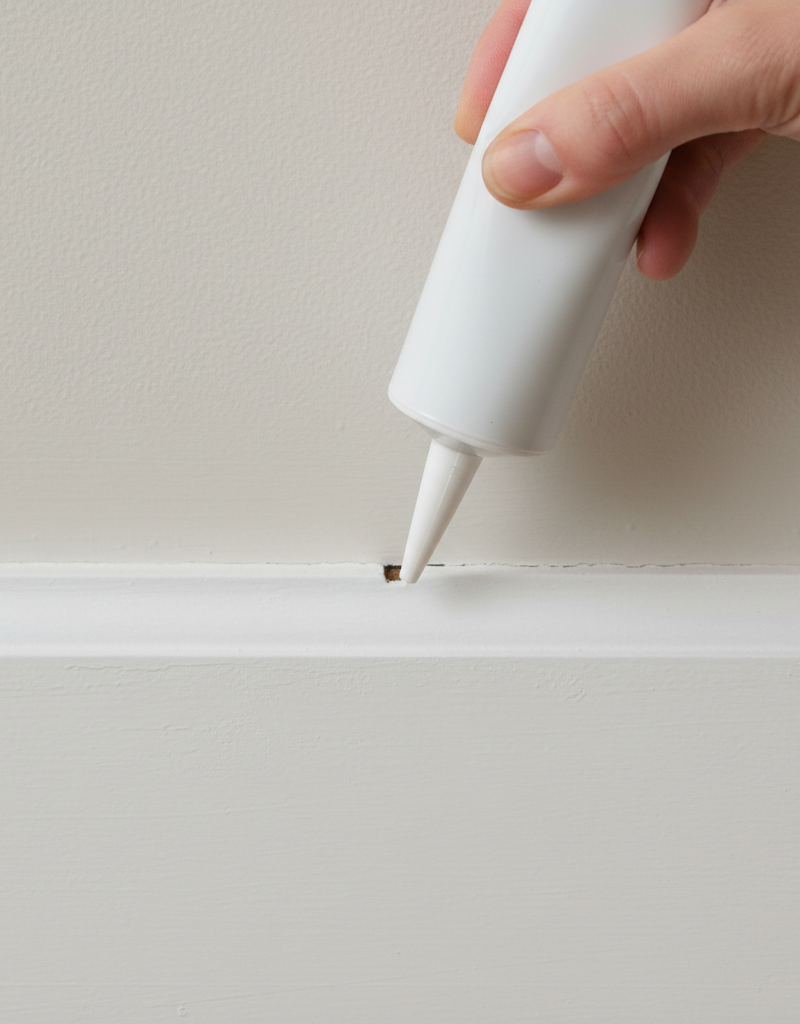
Fill the nail holes with wood putty or spackle. For the gap between the top edge of the baseboard and the wall, apply a thin, even bead of paintable acrylic latex caulk with silicone. Cut the caulk tube tip at a 45-degree angle to create a small opening, about 1/8 inch. Apply steadily and smoothly. Immediately after applying a section, smooth the caulk bead with a wet finger, a caulk tool, or a damp sponge for a clean, professional finish. Work in small sections, smoothing as you go.
8. Clean Up and Paint — Final steps for a perfect repair.
Wipe away any excess caulk or putty immediately with a damp cloth. Allow the caulk and putty to fully dry and cure according to manufacturer instructions (usually a few hours to 24 hours). Once dry, you can lightly sand any filled areas if needed. Finally, repaint the baseboards to match your existing trim color. This will completely hide the repair and make your baseboards look brand new.
Common Causes
- House Settling: All homes experience some degree of settling. This natural movement, often subtle, can cause walls and floors to shift slightly, leading to gaps between fixed elements like baseboards and walls.
- Humidity Fluctuations (Wood Movement): Wood baseboards expand when they absorb moisture (high humidity) and contract when they dry out (low humidity). If not properly secured, this constant movement can pull them away from the wall over time. MDF baseboards are less prone to this, but not immune.
- Improper Installation: If baseboards were nailed only into drywall and missed the wall studs, or if too few nails were used, they lack the secure anchoring needed to resist the forces of wood movement and house settling.
- Poor Initial Wall Prep: Walls or baseboards that were dusty, oily, or had loose paint when installed might not have allowed caulk or adhesive to bond properly, leading to early separation.
- Foundation Issues (Less Common for Minor Gaps): While rare for simple baseboard separation, significant and widespread gaps could, in extreme cases, indicate more serious foundation shifts or structural problems. This is usually accompanied by other signs like cracked drywall, sticking doors/windows, or uneven floors.
Common Mistakes
- Nailing Only into Drywall: This is the most common DIY mistake. Drywall provides no structural holding power. Nails must penetrate into the wall studs for a lasting fix. Without proper anchoring, the baseboards will pull away again quickly.
- Using Too Few Nails or Adhesive: Skimping on fasteners or adhesive leads to weak attachment points. Use enough nails (into studs) and/or a continuous bead of construction adhesive to secure the baseboard properly.
- Skipping the Stud Finder: Guessing stud locations is a recipe for frustration and weak repairs. Invest in a reliable stud finder or learn alternative methods to locate studs accurately.
- Applying Caulk to Loose Baseboards: Caulk is a sealant and gap-filler, not an adhesive that can hold a loose baseboard in place. If the baseboard is moving, re-secure it first, then caulk.
- Improper Caulk Application: Using too much caulk, not smoothing it properly, or using non-paintable caulk creates an unprofessional, messy finish. Cut the tip small, apply an even bead, and smooth immediately.
- Not Setting Nail Heads: Leaving nail heads flush or protruding results in visible fasteners, even after painting. Use a nail set to recess them for a perfectly smooth, paintable surface.
Cost & Time Breakdown
| Task | DIY Cost | Pro Cost | Time |
|---|---|---|---|
| Materials (nails, caulk, putty) | $10–$30 | Included | N/A |
| Labor (re-securing 1 room) | $0 (your time) | $150–$300 | 1–2 hours |
| Tools (if purchased new) | $30–$100 (stud finder, nail set, caulk gun) | N/A | N/A |
| Interior Painter | N/A | $200–$500 (for full room trim paint) | Varies |
Tips & Prevention
- Maintain Stable Humidity: Using a whole-house humidifier in dry winter months and a dehumidifier in humid summer months can reduce extreme wood movement in your home's trim and flooring.
- Regular Inspections: Periodically walk around your home and examine baseboards, especially during seasonal transitions. Catching small gaps early makes repairs much easier.
- Proper Fastening During Installation: If installing new baseboards, always use enough fasteners and ensure they hit wall studs. Use construction adhesive in addition to nails for extra stability.
- Acclimate Materials: If installing new wood baseboards, allow them to acclimate to your home's humidity for several days before installation. This reduces future movement.
- Use High-Quality Paintable Caulk: Invest in a good quality acrylic latex caulk with silicone. It offers better flexibility and durability, reducing future cracking.
When to Call a Professional
You should consider calling a professional carpenter or general contractor if the baseboard separation is widespread, severe, or accompanied by other concerning signs. If you notice significant sagging floors, major cracks in drywall or ceiling, doors or windows that no longer close properly, or if multiple baseboards across different rooms are detaching simultaneously, these could be signs of more serious structural issues that warrant a professional evaluation. Additionally, if you lack the necessary tools or confidence to perform the repair accurately and safely, or if you simply prefer the convenience of having it done right the first time, a professional can ensure a clean, lasting fix without the DIY hassle. A handyman can typically handle re-securing and caulking, while a structural engineer might be needed for foundation concerns.
Related Articles
Keep troubleshooting with these hand-picked guides from FixlyGuide:
- The Tiny Gap Behind Your Baseboards That Costs You $100s in Drafts — Discover why your baseboards are pulling away from the wall and the simple, inexpensive fixes that can seal drafts and improve your home's…
- Is Your Roofline Hiding a $10,000 Secret? 7 Warnings Your Soffit & Fascia Are Failing — Discover the critical signs of soffit and fascia damage that could indicate widespread problems and how to properly address them before the…
- The $30 Trick to Melting Ice Dams (Before They Destroy Your Roof) — Discover how to safely remove ice dams from your roof instantly with common household items, preventing costly damage. Stay safe while tack…
- The #1 Mistake Homeowners Make with Ice Dams (and How to Fix It SAFELY) — Most homeowners approach ice dam removal incorrectly, creating more damage or safety risks. Learn the right, safe methods to protect your r…
- The 7 Critical Home Inspection Checks Most Homeowners Miss (and How to Do Them Yourself) — Discover the essential annual home inspection checks many homeowners overlook and learn how to perform them yourself to prevent costly repa…
- The #1 Mistake Homeowners Make After Finding Missing Shingles (And How to Fix It Right) — Discover the crucial steps to take after a storm rips shingles from your roof, ensuring a proper, lasting repair and preventing costly futu…
Frequently asked questions
Why do my baseboards keep separating from the wall?+
Baseboards most commonly separate due to natural house settling, which causes slight shifts in the framing. Another major culprit is humidity changes, which make wood expand and contract. If baseboards weren't securely nailed into wall studs during installation, they're more prone to pulling away.
Can I just use caulk to fix separating baseboards?+
You can use caulk to fill small, static hairline gaps (under 1/8 inch) where the baseboard itself is still firmly attached. However, if the baseboard is loose or actively moving, caulk will only be a temporary band-aid. You must re-secure the baseboard to the wall studs first before caulking for a lasting fix.
What kind of nails should I use for baseboards?+
For most standard baseboards, 2-inch long, 18-gauge or 16-gauge finishing nails are ideal. These nails have smaller heads that are easy to set below the surface and fill, providing a clean finish. Always aim to drive them into wall studs for maximum holding power.
How do I find studs behind the wall?+
The most reliable way is with an electronic stud finder. Slowly slide it across the wall until it indicates a stud. Mark the location with a pencil. If you don't have one, you can often find studs by tapping the wall and listening for a solid sound, or by looking for electrical outlets, which are typically attached to a stud.
Discussion
Loading comments…