Tools & materials you'll need
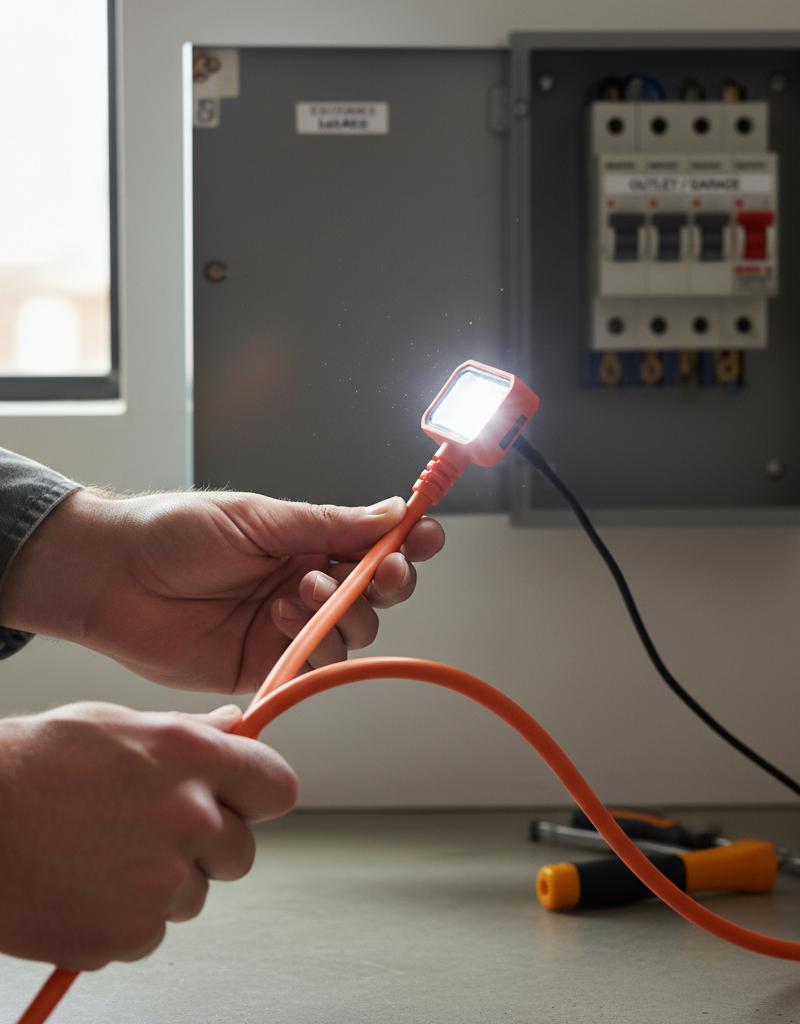
Affiliate links- AmazonFlashlightFor inspecting outlets and cords in dark areas
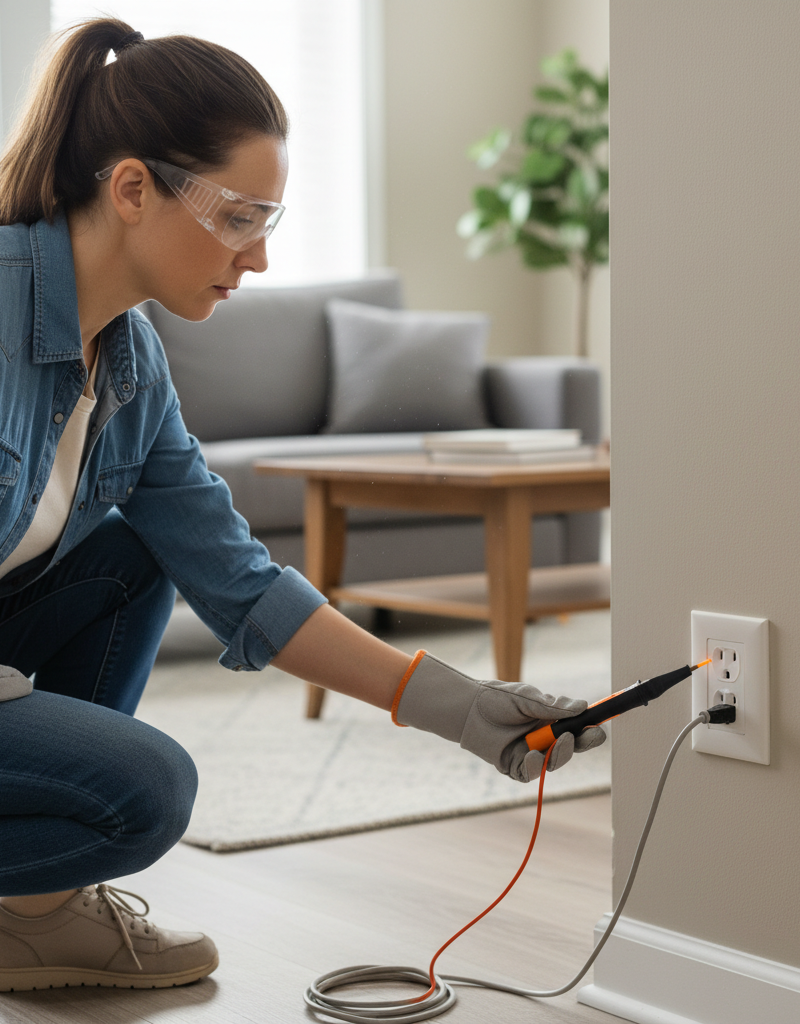
- AmazonCircuit tester1 · Optional, to identify affected outlets
- AmazonScrewdriver setOnly if comfortable with basic outlet inspection (main power OFF)
- AmazonMultimeterOptional, for advanced diagnostics by experienced DIYers (main power OFF)
As an Amazon Associate FixlyGuide earns from qualifying purchases — at no extra cost to you. Prices and availability are accurate as of publication and subject to change.
Quick Answer
Your circuit breaker repeatedly trips because of an electrical safety mechanism designed to prevent overheating and fire. The most common reasons are an overloaded circuit (too many appliances drawing power), a short circuit (hot wire touches a neutral or ground wire), or a ground fault (hot wire touches a grounded surface or wire). Diagnosing the exact cause requires systematic troubleshooting, which often involves isolating appliances, inspecting outlets, and, in some cases, examining the wiring or the breaker itself. Addressing the root cause is essential to maintain electrical safety and prevent further interruptions.
The Problem
Few things are more disruptive and frustrating than a circuit breaker that repeatedly trips, plunging a room or even an entire section of your home into darkness. Beyond the inconvenience, a consistently tripping breaker is a cry for help from your electrical system, indicating a potentially serious underlying issue that could range from a simple overloaded outlet to dangerous wiring problems. Ignoring these warning signs or repeatedly resetting the breaker without investigating the cause can lead to damaged appliances, increased fire risk, and even electrical shock hazards. This article will equip you with the knowledge to understand why your breaker is tripping and guide you through the safe, methodical steps to diagnose and (in many cases) fix the problem yourself.
How It Works
Understanding how a circuit breaker functions is key to troubleshooting. Think of your home's electrical system as a network of interconnected pathways, or circuits, each protected by a dedicated circuit breaker within your electrical panel (also known as a breaker box or service panel). When electricity flows through a circuit, the breaker monitors the current. Most residential breakers are rated for 15 or 20 amps, meaning they are designed to safely handle up to that amount of electrical flow.
Inside a standard thermal-magnetic circuit breaker, there are two primary mechanisms at play. The thermal mechanism consists of a bimetallic strip. When an overcurrent condition (an overload) occurs, the increased current generates heat, causing the bimetallic strip to bend. If the heat and bending are significant enough, the strip will trip a latch, causing the breaker to flip to the 'off' or 'tripped' position. This acts as a slow-blow fuse for sustained overcurrents.
The magnetic mechanism, on the other hand, provides instant protection against sudden, high-current surges, such as those caused by a short circuit. It contains an electromagnet. When a short circuit happens, a sudden massive surge of current flows through the circuit, creating a strong magnetic field in the electromagnet. This magnetic field instantly pulls open a contact, tripping the breaker almost instantaneously. This rapid response is crucial for preventing severe damage and fire from short circuits. Once tripped, the breaker interrupts the flow of electricity, protecting the wiring and connected devices from damage and preventing potential fires. Resetting the breaker effectively re-engages these safety mechanisms, allowing current to flow again, provided the underlying fault has been cleared.
Step-by-Step Fix
Before you begin any electrical troubleshooting, always prioritize safety. Turn off any affected lights or appliances, and if you're unsure about any step, call a qualified electrician.
-
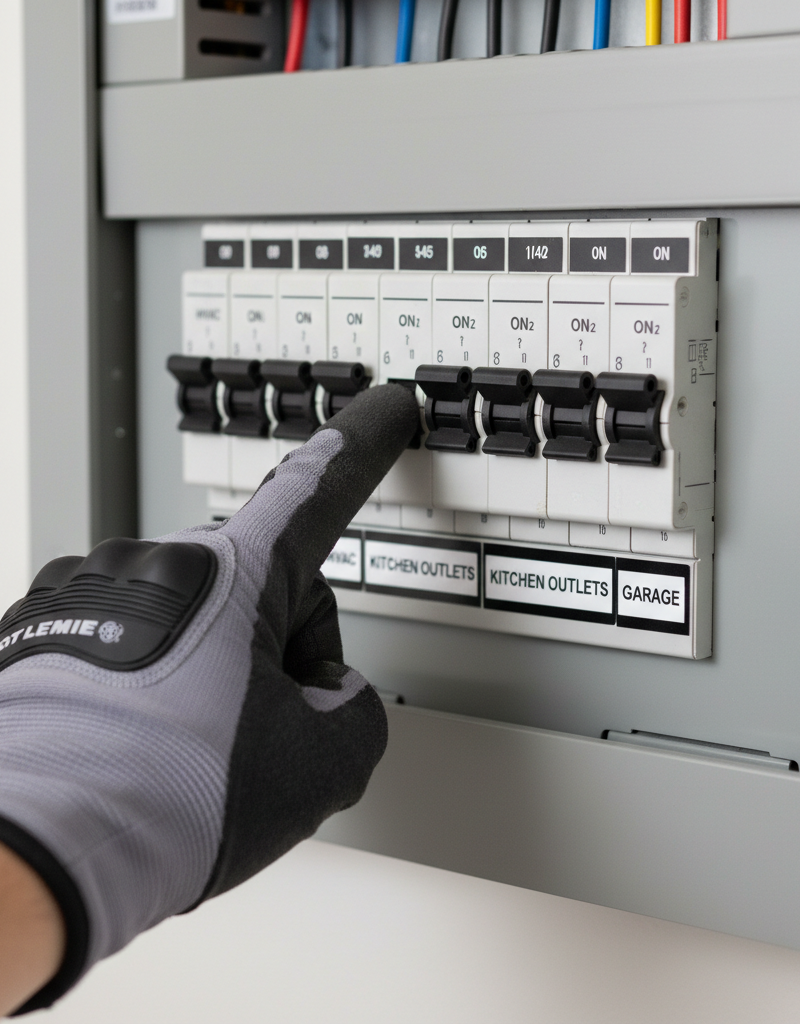
Identify the Tripped Breaker — Locate the electrical panel and identify the tripped breaker. It will typically be in the 'off' or center position, not fully 'on'.
- Safety First: Stand on a dry, non-conductive surface. Keep one hand free, away from the panel, to avoid creating a circuit through your body in case of accidental contact.
-
Toggle the Breaker Completely Off — Before resetting, firmly push the tripped breaker all the way to the 'off' position until you feel a click. Then, push it back to the 'on' position.
- Don't Force It: If the breaker immediately trips again, do not force it. There's an active fault that needs attention.
-
Unplug Devices from the Circuit — Identify all lights and appliances connected to the tripped circuit. Unplug everything from outlets on that circuit.
- Tip for Finding Outlets: Use a circuit tester or turn the breaker off and on again to identify which outlets are affected. Mark them with painter's tape if needed.
-
Reset the Breaker with Nothing Plugged In — With all devices unplugged, try resetting the breaker again.
- If it holds: The issue is likely an overloaded circuit or a faulty appliance. Proceed to the next step.
- If it immediately trips: The problem is likely within the wiring itself or the breaker is faulty. Call a professional electrician.
-
Identify Overloaded Circuit (If Breaker Holds) — Plug devices back into the circuit one by one. After plugging in each device, wait a few minutes. If the breaker trips after plugging in a specific device, that device or combination of devices is overloading the circuit.
- Solution: Distribute high-wattage appliances (e.g., hair dryers, toasters, space heaters, vacuum cleaners) across different circuits. Avoid using multiple high-draw appliances on the same circuit simultaneously.
-
Inspect for Short Circuits (If Breaker Does Not Hold with Appliances Plugged In) — If the breaker trips when a specific appliance is plugged in, unplug it. Carefully inspect the appliance's cord for frayed wires, exposed copper, or burn marks. Also, visually inspect outlets for burn marks, loose connections, or objects lodged inside.
- Faulty Appliance: If an appliance causes the trip, discontinue using it. Have it repaired by a qualified technician or replace it.
- Outlet Inspection: If you notice damage to an outlet, turn off the main power at the service panel before inspecting or replacing it. If unsure, call an electrician.
-
Check for Ground Faults (Especially in Wet Areas) — If a GFCI (Ground Fault Circuit Interrupter) breaker or outlet trips, it indicates a ground fault. This happens when current leaks from the circuit through an unintended path to the ground.
- Common Locations: Bathrooms, kitchens, garages, and outdoor outlets. Check for water intrusion, damaged cords in these areas, or faulty appliances used outdoors or near water.
- Reset GFCI: First, try pressing the 'RESET' button on the GFCI outlet or breaker. If it immediately trips, unplug all devices. If it still trips, there's likely a persistent ground fault in the wiring or device connected.
-
Consider a Faulty Breaker (Last Resort) — If you've systematically eliminated overloads, short circuits, and ground faults from appliances and visible wiring, and the breaker still trips, the breaker itself might be faulty. This is less common but can occur.
- Professional Help: Replacing a circuit breaker involves working inside the electrical panel and should only be done by a licensed electrician. Do not attempt this unless you are a qualified professional.
Common Causes
- Overloaded Circuits: This is the most frequent culprit. Drawing more amperage than a circuit is designed to handle, typically by plugging too many high-power devices into one circuit (e.g., using a space heater and a vacuum cleaner on the same circuit).
- Short Circuits: Occurs when a hot wire comes into direct contact with a neutral wire or a ground wire. This creates a path of extremely low resistance, causing a massive surge of current that trips the breaker instantly. Often caused by damaged appliance cords, loose wiring in outlets or fixtures, or faulty appliances.
- Ground Faults: Similar to a short circuit, but the electricity finds an unintended path to the ground, often through water or a person. GFCI (Ground Fault Circuit Interrupter) outlets and breakers are specifically designed to detect these subtle imbalances in current and trip quickly to prevent electrocution.
- Faulty Appliances: An internal wiring issue or component failure within an appliance can cause it to draw excessive current or create a short/ground fault, leading to a tripped breaker.
- Old or Damaged Wiring: Over time, insulation on wiring can degrade, especially in older homes, leading to exposed wires and potential short circuits or ground faults. Loose connections at outlets, switches, or junction boxes can also create resistance and heat, eventually tripping a breaker.
- Bad Circuit Breaker: Though less common, a circuit breaker can wear out or become defective over time, losing its ability to hold a load or tripping too easily, even without an actual fault.
Common Mistakes
- Repeatedly Resetting the Breaker: The biggest mistake! A tripping breaker is a warning. Resetting it continuously without investigating the cause can lead to serious hazards like electrical fires, appliance damage, or even electrocution. Always diagnose before resetting.
- Ignoring the Location: Failing to note where the breaker trips (which room, which appliances were on) makes diagnosis much harder. The location provides critical clues to the specific circuit and potential problem areas.
- Overlooking High-Wattage Appliances: Many homeowners underestimate the power draw of items like hair dryers, space heaters, microwaves, toasters, and vacuum cleaners. These can easily overload a standard 15-amp circuit, especially if several are used simultaneously.
- Not Unplugging Everything: To properly isolate an overload or fault, all devices must be unplugged from the circuit before resetting. Otherwise, you might reset the breaker only for it to immediately trip again, giving you no new information.
- Using Extension Cords Improperly: Overloading extension cords or daisy-chaining multiple cords can create fire hazards and cause breakers to trip. Always use appropriately rated cords and avoid permanent use of extension cords.
- DIY Electrical Work for Complex Issues: Attempting to replace a breaker, trace hidden wiring faults, or modify your electrical panel without proper training and licensing is extremely dangerous and illegal in many areas. It risks serious injury, fire, and could void your home insurance.
Cost & Time Breakdown
| Task | DIY cost | Pro cost | Time |
|---|---|---|---|
| Basic Troubleshooting (overload/faulty device) | $0 | $0 | 20–45 mins |
| Replacing a faulty outlet/switch | $5–$25 | $100–$250 | 30–60 mins |
| Replacing a faulty appliance cord | $10–$30 | $50–$100 | 15–30 mins |
| GFCI outlet replacement (DIY if comfortable) | $15–$30 | $150–$300 | 30–60 mins |
| Circuit breaker replacement (pro job) | N/A | $150–$350 | 1–2 hours |
| Diagnosing hidden wiring fault (pro job) | N/A | $200–$500+ | 1–4+ hours |
Tips & Prevention
- Map Your Circuits: Take the time to label your electrical panel clearly, indicating which breaker controls which rooms and major appliances. This is invaluable for quick troubleshooting.
- Distribute High-Draw Appliances: Be mindful of which appliances are on the same circuit. Avoid operating multiple high-wattage devices simultaneously on a single circuit. Consider dedicated circuits for major appliances like refrigerators, washing machines, and microwaves.
- Regular Visual Inspections: Periodically check appliance cords for damage (frays, cracks, exposed wires). Look for discolored or warm outlets/switches, which can indicate overheating. Replace any damaged cords or outlets immediately.
- Understand GFCI/AFCI: Know where your Ground Fault Circuit Interrupter (GFCI) and Arc Fault Circuit Interrupter (AFCI) breakers or outlets are located. Test GFCI outlets monthly by pressing the 'TEST' button, then 'RESET'.
- Avoid Overusing Extension Cords: Extension cords are for temporary use. If you consistently need more outlets in an area, consider having a permanent outlet installed by an electrician.
- Upgrade Old Wiring: If your home has very old wiring (e.g., knob-and-tube or ungrounded two-prong outlets), consult with a qualified electrician about upgrading your electrical system to enhance safety and capacity.
When to Call a Professional
It's crucial to know when a tripping breaker issue moves beyond basic DIY troubleshooting and requires the expertise of a licensed electrician. You should immediately call a professional if the breaker trips immediately after being reset with nothing plugged into the circuit, as this points to a more serious wiring fault within your walls or a defective breaker. Similarly, if you notice burning smells, scorching around outlets or the electrical panel, flickering lights throughout the house, or if the breaker trips frequently without a clear cause even after distributing loads and checking appliances, these are red flags. Any work involving opening the main electrical panel (beyond simply flipping a breaker), replacing breakers, or diagnosing hidden faults behind walls should always be handled by a qualified, licensed electrician to ensure safety and compliance with electrical codes. Attempting these advanced repairs yourself can lead to severe injury, fire, or further damage to your electrical system.
Frequently asked questions
What's the difference between an overloaded circuit and a short circuit?+
An overloaded circuit occurs when too many appliances draw more power than the circuit is designed for, causing heat buildup and a slow trip. A short circuit happens when a hot wire directly touches a neutral or ground wire, creating a sudden, massive surge of current and an instant trip to prevent severe damage.
Can a faulty appliance cause a breaker to trip?+
Yes, absolutely. An appliance with internal wiring damage, a defective heating element, or a motor problem can draw excessive current, create a short circuit, or a ground fault, causing the breaker to trip. Unplugging the suspected appliance and resetting the breaker is a key diagnostic step.
How do I know if the circuit breaker itself is bad?+
If your breaker trips consistently even after you've unplugged all devices and systematically ruled out overloads, short circuits, and ground faults in your wiring and appliances, it might be a faulty breaker. Another sign is when a breaker feels hot to the touch, or you hear buzzing noises from your electrical panel. This requires a professional to diagnose and replace.
Discussion
Loading comments…