Tools & materials you'll need
Affiliate links- AmazonPenetrating oilsmall can · If main shut-off valve is stiff
As an Amazon Associate FixlyGuide earns from qualifying purchases — at no extra cost to you. Prices and availability are accurate as of publication and subject to change.
Quick Answer
Low water pressure affecting your entire house is most frequently caused by a partially closed main water shut-off valve. This often happens inadvertently after maintenance or as the result of a small bump. Locating and fully opening this valve, which controls the water supply to your entire home, is a simple, cost-free diagnostic step that often resolves the issue instantly.
The Problem
Imagine stepping into the shower, only to be met with a pathetic trickle, or trying to fill a pot for dinner, and it feels like an eternity. If every faucet and showerhead in your home is delivering water with frustratingly low pressure, it’s a clear sign the issue isn't localized to a single fixture. Instead, it points to a problem with your home's main water supply. While many homeowners immediately jump to conclusions about clogged pipes or failing water heaters, a far more common—and easily correctable—culprit is often the main water shut-off valve being accidentally left in a partially closed position.
This widespread pressure drop can make everyday tasks like showering, washing dishes, and even flushing toilets an exercise in patience. Not only is it inconvenient, but it can also affect the efficiency of appliances like washing machines and dishwashers, which rely on adequate water pressure to function correctly. Before you dive into complex diagnostics or call a plumber, understanding the role of your main shut-off valve and how to check it is essential for restoring your home's water flow.
How It Works
Your home's water supply system begins at the municipal water main, or if you have a well, at your well pump. From there, a primary service line runs underground to your house. Just before or as it enters your home, you'll find the main water shut-off valve. This is the ultimate control point for your home's entire water supply; when this valve is closed, no water can enter your house.
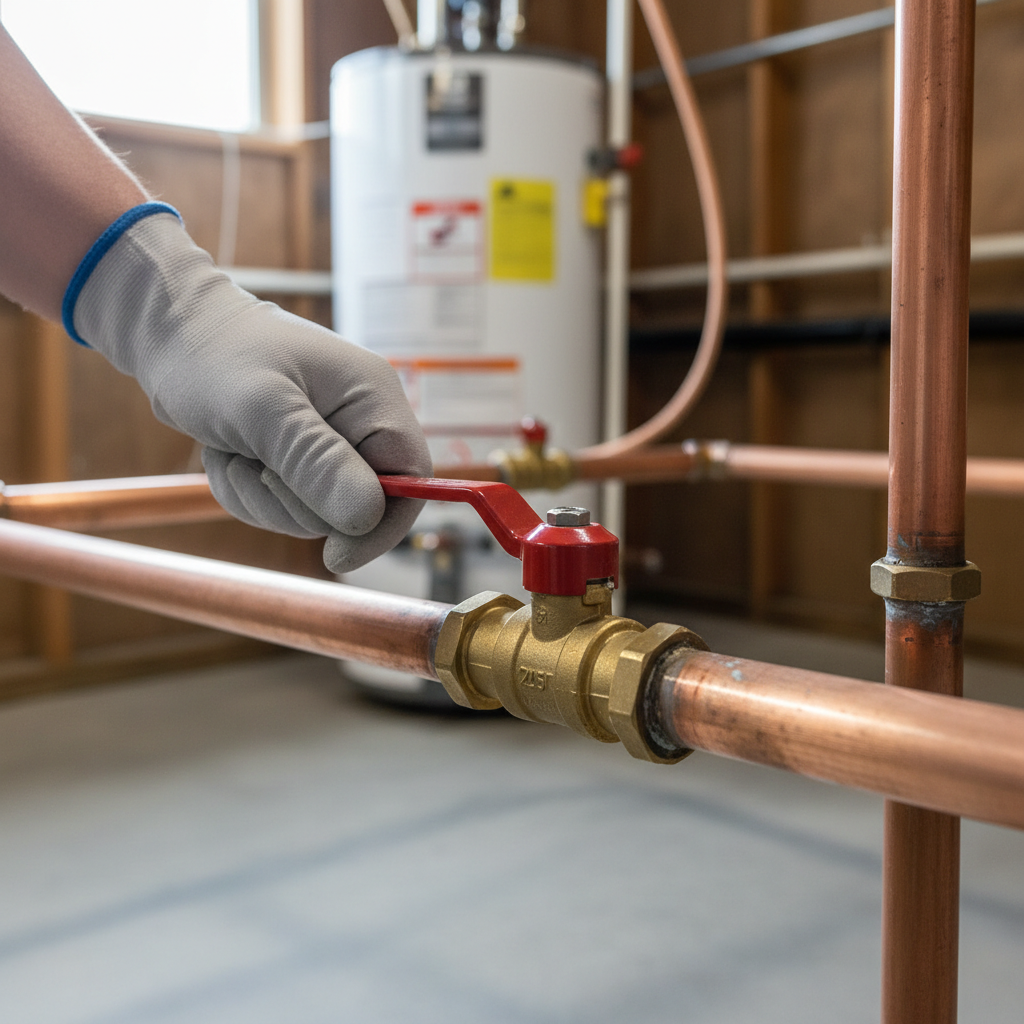
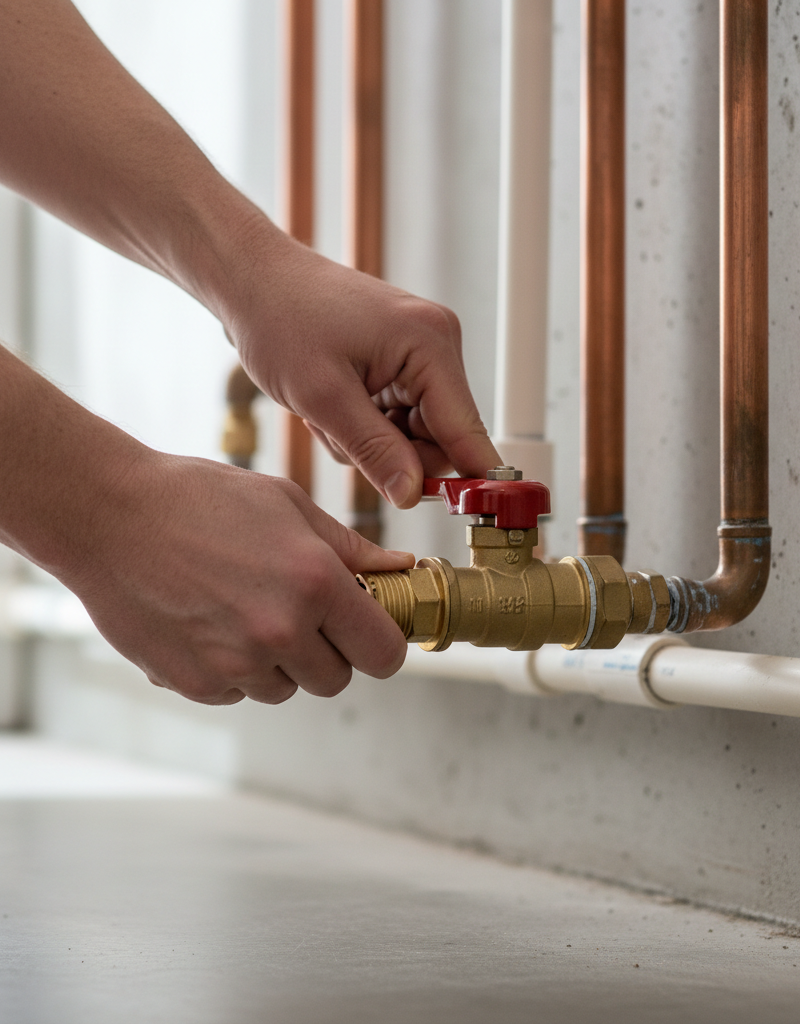
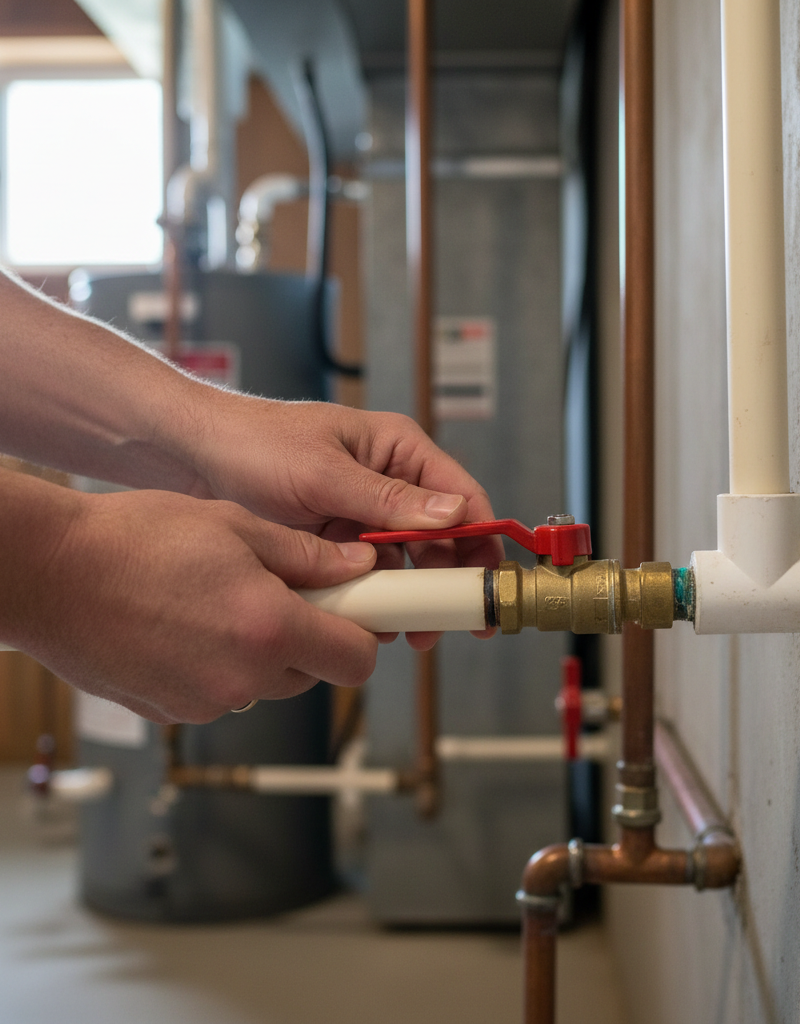
There are generally two types of main shut-off valves you'll encounter: ball valves and gate valves. A ball valve typically has a lever handle that lies parallel to the pipe when open and perpendicular when closed. These valves are designed for quick, full on/off operation and are very reliable. A gate valve, on the other hand, usually has a round, multi-turn handle, similar to an outdoor spigot. To open a gate valve fully, you must turn the handle counter-clockwise multiple times until it stops. Conversely, turning it clockwise multiple times closes it.
When a main shut-off valve, particularly a gate valve, isn't fully opened, it creates a restriction in the main water line. Think of it like a kink in a garden hose; even a slight restriction significantly reduces the volume and pressure of water that can pass through. This reduced flow then impacts every faucet, shower, and appliance downstream, leading to the uniform low pressure you experience throughout your entire house. The valve acts as the bottleneck for your entire water distribution system, and if it's not allowing maximum flow, nothing else in your home will either.
Step-by-Step Fix
1. Locate Your Main Water Shut-Off Valve — Find the primary control for your home's water.
- Inside: Check your basement, crawl space, or utility closet, typically near the front of the house where the main water line enters. It might be near your water heater or furnace.
- Outside: Look near your outdoor water meter, often in an underground box with a heavy lid. You may need a water meter key (available at hardware stores) to open the lid.
- Safety Note: If finding the outdoor valve, be mindful of any electrical boxes or buried utilities. Use caution when removing meter box lids.
2. Identify the Valve Type — Understand how your specific valve operates.
- Ball Valve: Has a lever handle. When the handle is parallel to the pipe, it's open. When perpendicular, it's closed.
- Gate Valve: Has a round, wheel-like handle. Turn counter-clockwise to open, clockwise to close. These often require multiple turns.
3. Inspect the Valve Position — Determine if the valve is partially closed.
- Ball Valve: Even a slight deviation from being perfectly parallel can restrict flow. Visually confirm it's aligned with the pipe.
- Gate Valve: A common issue. If you're experiencing low pressure, the most likely scenario is that it's not fully open. You might see a small gap between the handle and the valve body, or simply feel resistance before it's completely 'loose'.
4. Fully Open the Valve — Adjust the valve to allow maximum water flow.
- Ball Valve: Gently push the lever until it's perfectly parallel with the pipe. Do not force it past its natural stopping point.
- Gate Valve: Turn the handle counter-clockwise as far as it will go. You should feel it gently stop. Do not over-tighten or apply excessive force once it's fully open, as this could damage the valve stem.
- If the valve is stiff: Apply a small amount of penetrating oil to the stem (for gate valves) or pivot points (for ball valves) and let it penetrate for 10-15 minutes. Gentle rocking might help, but avoid excessive force as old valves can break.
5. Check Water Pressure — Test the results throughout your home.
- Go to various sinks and showers in your home. Turn on the hot and cold water to full. You should notice an immediate improvement in pressure.
- Run a multi-fixture test: For example, flush a toilet while someone else runs a shower. Does the pressure remain consistent? If so, the fix was successful.
6. Consider the Pressure Regulator — If valve adjustment doesn't work, check the pressure regulator.
- What it is: A bell-shaped device usually located on your main water line after the shut-off valve. It reduces high municipal pressure to a safe level for your home.
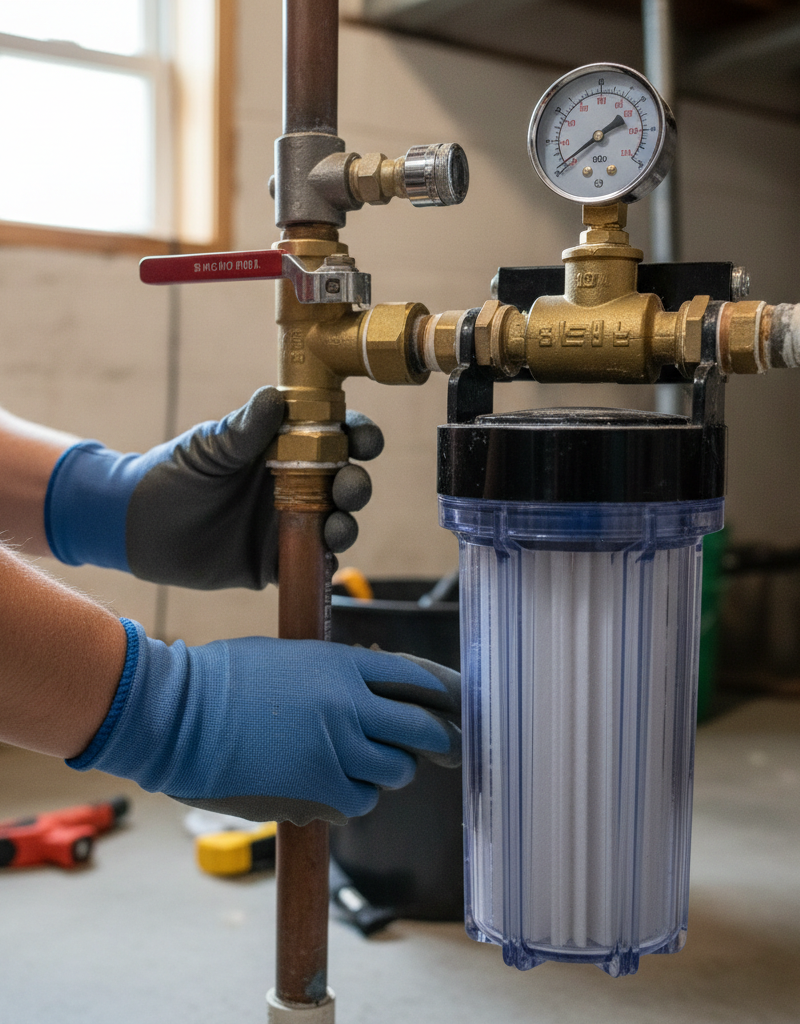
- How to check: Attach a water pressure gauge (available cheaply at hardware stores) to an outdoor spigot or a utility sink faucet. Open the spigot fully. A healthy residential pressure reading is typically between 40-80 PSI. If it's consistently below 40 PSI after fully opening the main valve, your pressure regulator might be failing or set too low.
- If you suspect the regulator: Adjusting a pressure regulator can be done by a homeowner, but read the manufacturer's instructions carefully. Turning the screw adjustment clockwise typically increases pressure. Make small adjustments (quarter turns) and retest. If unsure, call a plumber.
Common Causes
- Partially Closed Main Water Shut-Off Valve: This is by far the most frequent culprit for whole-house low pressure. It often happens inadvertently after plumbers or homeowners have worked on the system and didn't fully reopen the valve, or if it was bumped.
- Failing or Maladjusted Water Pressure Regulator: If your home has a pressure reducing valve (PRV), it can fail over time, get clogged, or simply be set too low, restricting the incoming water supply for the entire house.
- Sediment Buildup in Old Gate Valves: Older gate valves can accumulate mineral deposits and corrosion within their mechanisms, preventing them from opening fully even when the handle suggests they are.
- Sediment Clogs in Water Heater Dip Tube (Hot Water Only): While this usually affects only hot water pressure, a severely degraded dip tube can restrict the intake of cold water into your water heater, indirectly impacting overall hot water flow. This is not a whole-house issue.
- Neighborhood Water Main Issues: Sometimes the problem isn't inside your house at all but stems from municipal issues like a burst main, nearby fire hydrants being used, or maintenance work in the area. Checking with neighbors can confirm this.
Common Mistakes
- Mistake: Immediately Assuming Clogged Pipes.
- Instead: Start with the simplest, most common cause: the main shut-off valve. Clogged pipes usually cause localized low pressure, not a whole-house effect.
- Mistake: Not Checking Both Hot and Cold Water.
- Instead: Test both hot and cold at multiple fixtures. If only hot water has low pressure, the issue is likely with your water heater (e.g., a failing dip tube or sediment buildup). If both are low, it points to a main supply problem.
- Mistake: Forcing a Stiff Valve.
- Instead: Old valves can be brittle. If a valve is stiff, try applying penetrating oil and letting it soak in. If it still won't budge easily, it's safer to call a plumber than risk breaking the valve and causing a major leak.
- Mistake: Overlooking the Pressure Regulator.
- Instead: After checking the main shut-off, if the pressure is still low, the PRV is the next most likely suspect for whole-house issues. Invest in an inexpensive pressure gauge to test accurately.
- Mistake: Adjusting the Pressure Regulator Incorrectly.
- Instead: Make small, quarter-turn adjustments. Turning the adjustment screw clockwise increases pressure; counter-clockwise decreases it. Check pressure after each adjustment. Over-pressurizing your system can damage pipes and fixtures.
Cost & Time Breakdown
| Task | DIY Cost | Pro Cost | Time |
|---|---|---|---|
| Check/Adjust Main Shut-Off | $0 | $0 (if part of service call) | 5–15 minutes |
| Purchase Pressure Gauge | $10–$25 | $0 (pro has one) | 0 |
| Test Pressure Regulator | $0 | $0 | 5–10 minutes |
| Adjust Pressure Regulator | $0 | $75–$150 | 10–20 minutes |
| Replace Pressure Regulator | $70–$200 | $300–$600 | 1–2 hours (DIY), 2–4 hours (Pro) |
Tips & Prevention
- Know Your Valves: Familiarize yourself with the location of your main water shut-off valve, as well as individual fixture shut-off valves. This is crucial for emergencies and routine maintenance.
- Exercise Valves Annually: To prevent gate valves from seizing up with mineral deposits, turn them fully off and then fully on once a year. This keeps their mechanisms working smoothly.
- Check Pressure Annually: Use a simple water pressure gauge to test your home's static water pressure once a year. This can help you identify a failing pressure regulator before it causes significant problems.
- Install a Whole-House Filter (if applicable): If you're on well water or have known sediment issues, a whole-house sediment filter can prevent mineral buildup in pipes and components like aerators and showerheads, although it won't typically cause whole-house low pressure unless severely clogged.
- Listen to Neighbors: If you suddenly experience low pressure, ask your immediate neighbors if they're noticing the same issue. This quickly tells you whether the problem is isolated to your home or a broader municipal issue.
When to Call a Professional
If you've thoroughly checked your main water shut-off valve and, if applicable, your pressure regulator, and still experience chronically low water pressure throughout your entire house, it's time to call a licensed plumber. This is especially true if you identify a broken main shut-off valve, suspect a major leak in your main service line, or if adjusting the pressure regulator doesn't yield results. A professional plumber has specialized diagnostic tools to pinpoint more complex issues, such as deeply buried pipe obstructions, corroded main lines (common in older homes with galvanized pipes), or problems with the water meter itself. They can also safely replace a stuck or damaged main shut-off valve without risking a flood. While the steps above are excellent DIY diagnostics, issues involving the main water supply to your home can quickly become overwhelming and costly if mishandled, making professional intervention the safest and most efficient solution.
Frequently asked questions
Why is my water pressure suddenly low in the whole house?+
The most common reason for a sudden drop in water pressure throughout your entire house is a partially closed main water shut-off valve. This often happens by accident after plumbing work or if the valve was bumped. Less commonly, it could be a failing pressure regulator or a municipal issue.
Where is the main water shut-off valve usually located?+
Your main water shut-off valve is typically found where the main water line enters your house, often in the basement, utility closet, or near your water heater. It can also be outside near your water meter, sometimes in an underground box.
How do I know if my water pressure regulator is bad?+
You can test your water pressure regulator by attaching a water pressure gauge to an outdoor spigot and checking the reading. If the gauge consistently reads below 40 PSI (or fluctuates wildly) after ensuring your main shut-off valve is fully open, your regulator may be failing or set too low. A professional can provide a definitive diagnosis.
Can a water heater cause low pressure in the whole house?+
A water heater typically only causes low *hot* water pressure, not low pressure for both hot and cold water throughout the entire house. If only your hot water is affected, it could be sediment buildup or a corroded dip tube inside the water heater.
Discussion
Loading comments…