Tools & materials you'll need
Affiliate links- AmazonTeflon Tape (Plumber's Tape)1 roll · If reinstalling showerheads or other threaded fixtures after cleaning.
As an Amazon Associate FixlyGuide earns from qualifying purchases — at no extra cost to you. Prices and availability are accurate as of publication and subject to change.
Quick Answer
The most common mistake homeowners make when diagnosing low water pressure throughout their house is failing to check the main water shut-off valve, which can be partially closed. This simple oversight can restrict the entire home's water supply, leading to a pervasive pressure drop. Fully opening this valve is often the quickest and easiest solution to restore normal water pressure without needing complex repairs or professional intervention.
The Problem
Imagine stepping into the shower, expecting a refreshing blast, only to be met with a weak dribble. Or trying to run the dishwasher and washing machine simultaneously, only to find neither has enough force to operate effectively. Low water pressure throughout your entire house is more than just an inconvenience; it can impact your daily routines, appliance efficiency, and even property value. Unlike localized pressure issues that might affect a single faucet or showerhead, a whole-house pressure drop suggests a problem at the source of your water supply or main distribution system. This article will guide you through the most common, yet often overlooked, culprit: your main water shut-off valve, and provide a clear, step-by-step process to diagnose and potentially fix the issue yourself.
How It Works
Your home's water supply system is a network designed to deliver water at a consistent pressure to every fixture. Water typically enters your property from a municipal supply line or a well, first passing through a main shut-off valve. This valve is your primary control point for the entire water system, allowing you to completely cut off water to the house in emergencies or for maintenance. After the main shut-off, the water often travels through a pressure reducing valve (PRV), especially in areas where municipal supply pressure is very high (above 80 PSI). The PRV's job is to lower the incoming pressure to a safe and usable range, typically between 40-60 PSI, protecting your plumbing and appliances from excessive force. From there, the main line branches into smaller lines that feed hot and cold water to various fixtures. If the main shut-off valve is not fully open, or if the PRV is malfunctioning, the entire system's pressure can be significantly reduced, leading to widespread low pressure. Clogs or sediment buildup, though less common as a primary cause across the entire house, can also contribute if they occur in the main supply line itself.
Step-by-Step Fix
1. Check Your Main Water Shut-Off Valve — Inspect the main water valve for any signs of it being partially closed.
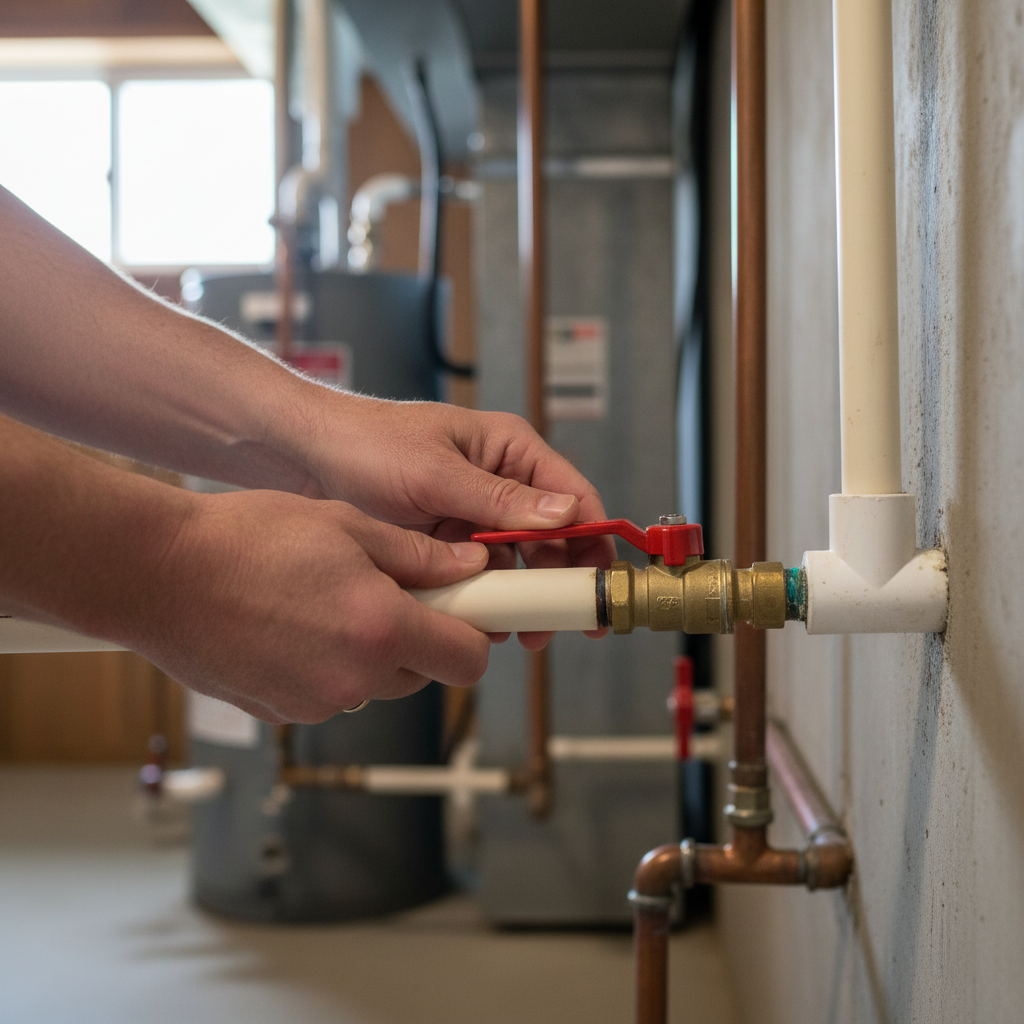
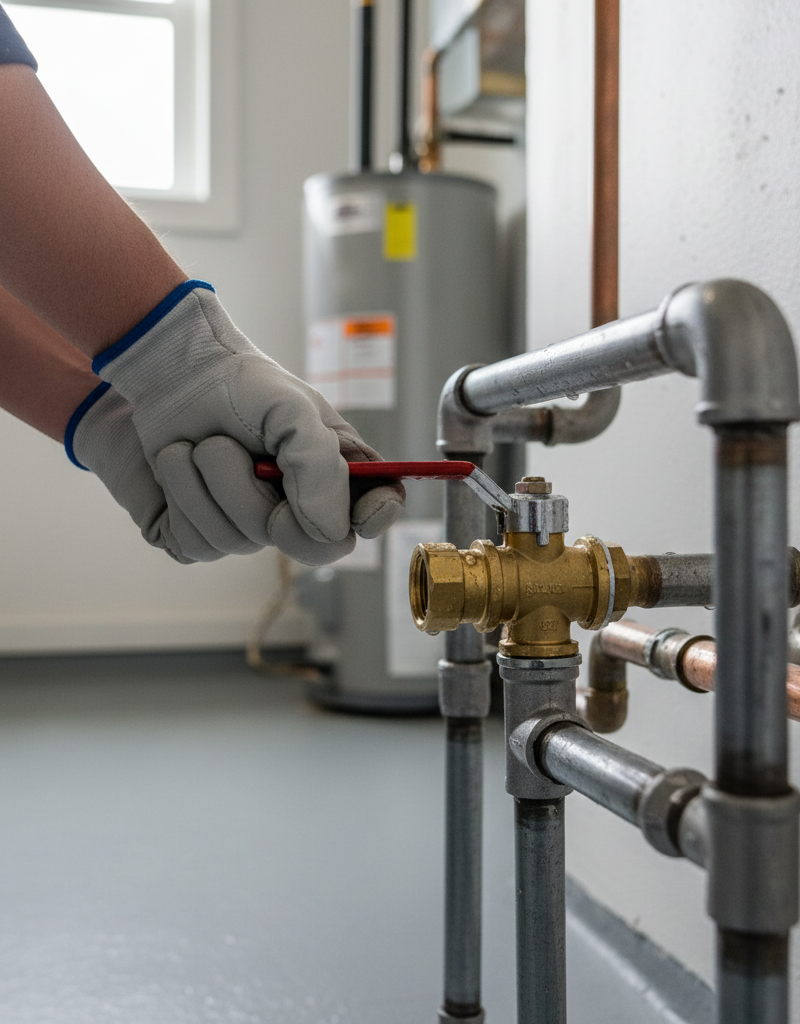
- Locate the Valve: Your main water shut-off valve is usually found where the water line enters your house. This could be in your basement, crawl space, utility closet, or sometimes outside near your water meter. It can be a gate valve (with a round handle) or a ball valve (with a lever handle).
- Open Fully: If you have a gate valve, turn the handle counter-clockwise until it stops. For a ball valve, ensure the lever is parallel with the water pipe. Sometimes these valves are bumped or partially closed during other work.
- Test Pressure: After fully opening, check the water pressure at several fixtures throughout your house to see if it has improved. This is the simplest and most common fix for widespread low pressure.
2. Verify the Neighbor's Water Pressure — Determine if the issue is isolated to your home or affects the neighborhood.
- Ask a Neighbor: Politely inquire with a nearby neighbor if they are experiencing similar low water pressure issues. This can help distinguish between a problem specific to your home and a wider municipal issue.
- Public Announcements: Check your local utility company's website or social media for any planned maintenance or reported main line issues in your area. If the problem is widespread, you'll need to contact your municipal water authority.
3. Inspect Your Pressure Reducing Valve (PRV) — Check if your PRV is faulty or needs adjustment.
- Locate the PRV: The PRV is typically found on the main water line, downstream from the main shut-off valve, often bell-shaped. Not all homes have one.
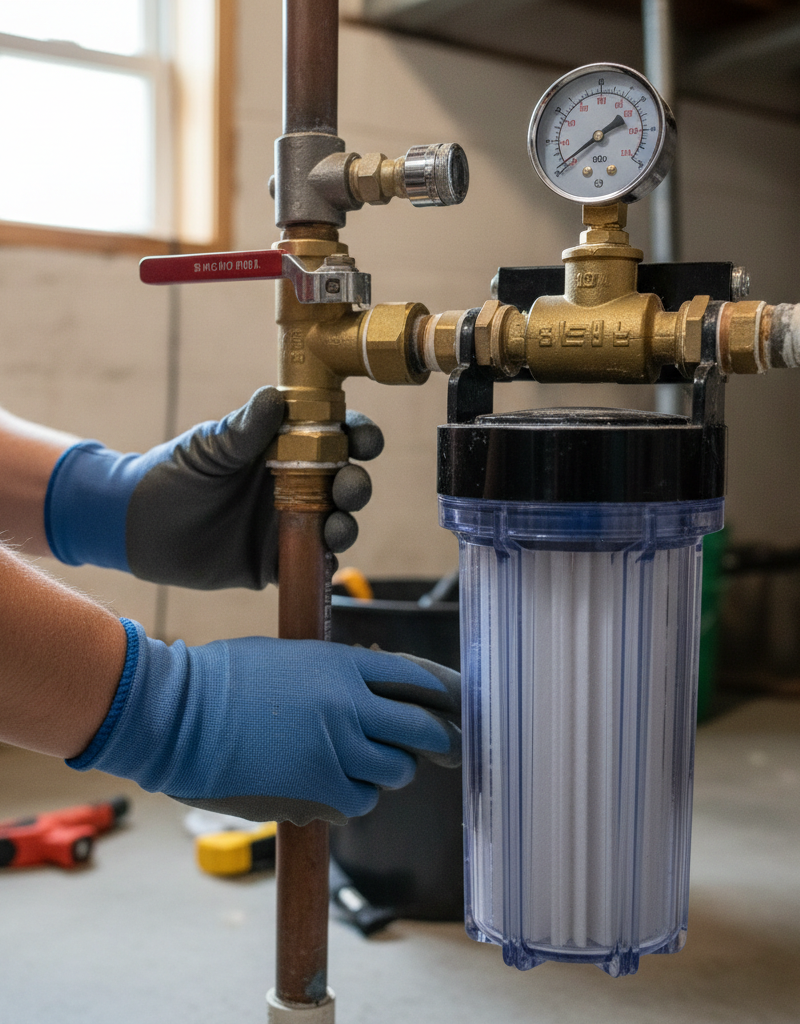
- Test Pressure (Optional, Advanced): If you have a pressure gauge, attach it to a hose bib outside your house or a spigot near the PRV. Open the spigot fully and read the pressure. A healthy range is 40-60 PSI. If it's significantly lower, the PRV might be failing.
- Adjust (Caution): Some PRVs can be adjusted by tightening or loosening a screw on the top. Turning it clockwise increases pressure; counter-clockwise decreases it. Make very small adjustments (quarter turns) and retest. Safety Note: Over-pressurizing your system can damage pipes and fixtures. If unsure, call a professional.
- If This Doesn't Work: A failing PRV often requires replacement. This is a job best left to a licensed plumber due to the impact on your entire home's plumbing system.
4. Clear Aerator Clogs — Rule out clogged aerators as a contributing factor, even in widespread issues.
- Unscrew Aerators: Go to several faucets (kitchen, bathroom sinks) and carefully unscrew the aerators at the tip of the spout. These are small screen filters.
- Clean Debris: Rinse the aerators under strong water pressure to remove any sediment, mineral deposits, or debris. You can use a small brush for stubborn clogs.
- Reassemble and Test: Screw the clean aerators back on, then test the water pressure. While this usually affects individual faucets, a significant buildup across multiple fixtures can collectively reduce the perceived pressure throughout the house.
5. Check for Water Softener Issues — Ensure your water softener isn't restricting flow.
- Bypass Valve: Most water softeners have a bypass valve. Locate it and turn it to the
Frequently asked questions
Why is my water pressure suddenly low throughout the house?+
Sudden low water pressure throughout the house often points to a problem with the main water supply coming into your home. The most common DIY oversight is a partially closed main water shut-off valve. It could also be a municipal issue (check with neighbors), a failing pressure reducing valve (PRV), or a significant leak in your main water line.
How do I know if my main shut-off valve is fully open?+
Your main shut-off valve is fully open if its handle is turned as far as it can go in the 'open' direction. For a gate valve (round handle), this means turned fully counter-clockwise. For a ball valve (lever handle), the lever should be parallel with the pipe. Even a slightly closed valve can restrict flow and reduce pressure.
Can a clogged water softener cause low water pressure?+
Yes, a faulty or clogged water softener can significantly restrict water flow and cause low pressure throughout your house. Most softeners have a bypass valve; if you open it and your pressure returns to normal, the softener is likely the culprit and may need servicing or repair.
What PSI is considered good water pressure for a home?+
Good water pressure for most residential homes is typically between 40 and 60 pounds per square inch (PSI). While pressure above 80 PSI can be damaging, anything consistently below 40 PSI is generally considered low and can impact fixture performance and appliance operation.
When should I call a plumber for low water pressure?+
You should call a plumber if you've checked the main shut-off valve, verified it's not a municipal issue, and are still experiencing low pressure. A professional can accurately diagnose issues with your pressure reducing valve (PRV), detect hidden leaks, or address deep-seated pipe corrosion and sediment buildup that are beyond DIY repair.
Discussion
Loading comments…