Tools & materials you'll need
Affiliate linksAs an Amazon Associate FixlyGuide earns from qualifying purchases — at no extra cost to you. Prices and availability are accurate as of publication and subject to change.
Quick Answer
If your dishwasher is making dishes dirtier, the most common reason is a clogged filter. Located at the bottom of the tub, this filter traps food debris. When full, it prevents proper drainage and recirculates old food particles back onto your dishes, leaving them gritty and unsanitary. Cleaning this filter monthly solves the problem.
The Problem
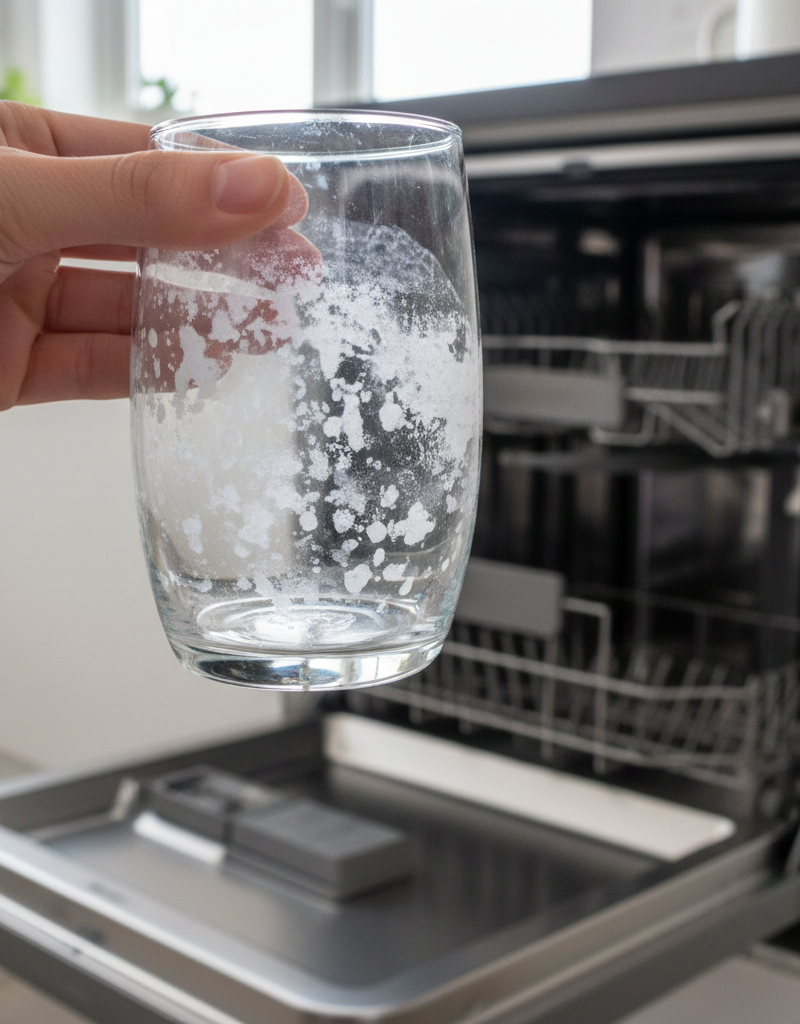
You open the dishwasher expecting sparkling, squeaky-clean dishes, but what you find is a frustrating mess. Instead of gleaming plates, you see a fine layer of grit. Your glasses feel grimy, not smooth. Worst of all, there are visible specks of old food clinging to bowls and forks—making them even dirtier than when you put them in.
It’s a counterintuitive and deeply aggravating problem. You’ve used a good detergent pod, you’ve topped off the rinse aid, and you ran a full, heavy-duty cycle. Your first instinct is to blame the machine itself, thinking a critical part has failed and a costly repair is imminent. Or maybe you switch detergents, convinced the brand you’ve used for years has suddenly changed its formula. You might even blame your home’s water pressure or water temperature.
While those issues can sometimes cause poor cleaning, they are rarely the reason for this specific, infuriating issue. The frustrating truth is that the machine is often working exactly as designed, but one small, neglected component has turned it from a cleaning appliance into a food particle redistribution system. The culprit isn’t a broken pump or a faulty heating element; it’s a part designed to be cleaned by you, and it’s likely been collecting months, or even years, of forgotten food debris.
How It Works
To understand why your dishwasher is making dishes dirtier, you need to understand how it cleans in the first place. It’s not just a "fill and drain" process. A dishwasher is a sophisticated water recirculation machine. At the start of a cycle, it takes in a small amount of water (typically just 2-4 gallons), heats it, and mixes it with detergent. A powerful pump then forces this hot, soapy water up through the spray arms.
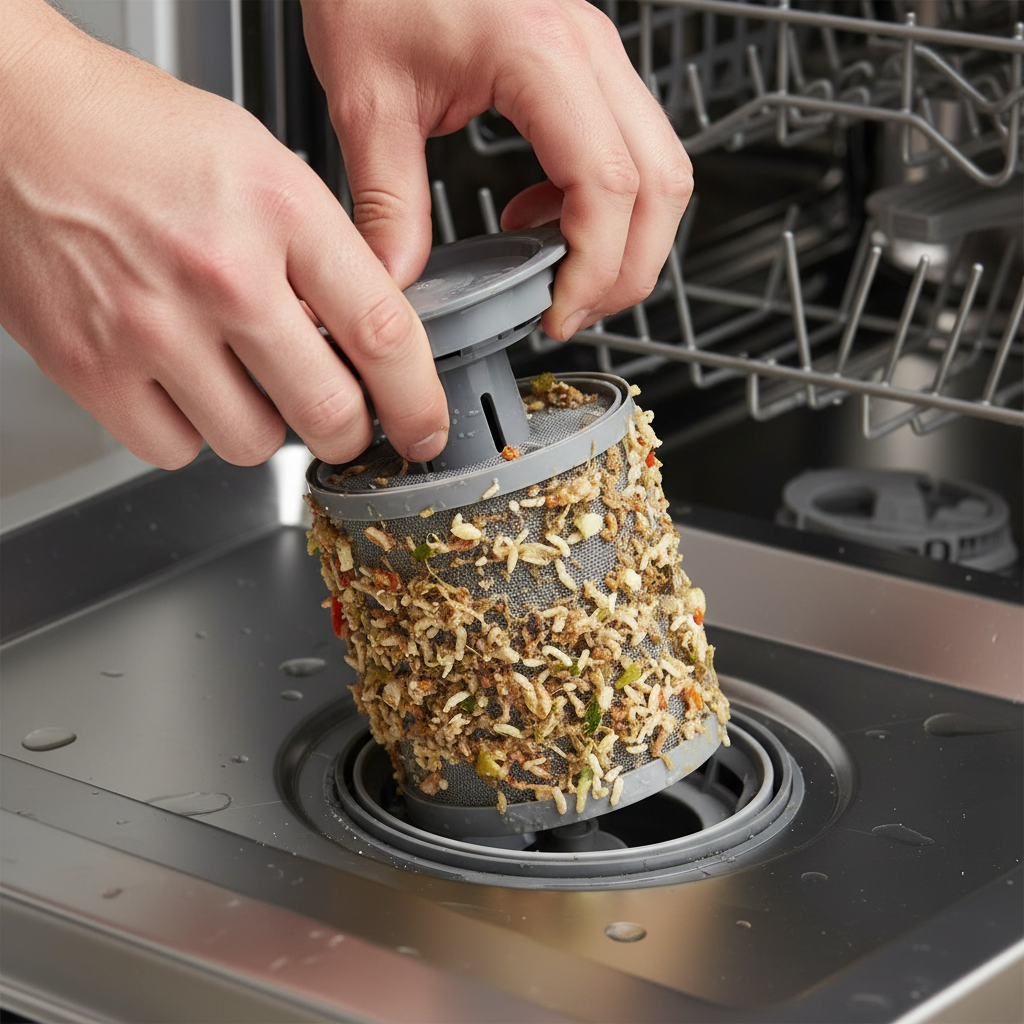
As this water blasts away food, it falls to the bottom of the dishwasher tub, carrying grease and food particles with it. But before this dirty water is sent to the drain pump, it must pass through a filtration system. This system is the unsung hero of your dishwasher, designed to protect the delicate drain pump from being damaged or destroyed by large objects like fruit pits, bones, glass shards, or clumps of food. Modern dishwashers typically have a two or three-part filter: a coarse, cylindrical cup that catches large debris, and a flat, fine mesh screen that traps smaller particles.
The system is designed to continuously cycle water. The water is sprayed, collects food, gets filtered, and is then sucked back up by the main pump to be sprayed again. Only at specific points in the cycle does the dishwasher drain the dirty water and take in fresh water. Herein lies the problem: if the filter becomes completely clogged with food, grease, and undissolved paper labels, the water can no longer pass through it effectively. The water flow to the pump is reduced, and worse, the water that does get through churns up the trapped debris in the filter, creating a disgusting slurry of old food. The spray arms then blast this "food soup" all over the dishes you’re trying to clean. The result: your dishwasher is actively making your dishes dirtier.
Step-by-Step Fix
This fix is remarkably simple and requires no special skills. It should be the very first thing you do when you notice your dishwasher not cleaning properly.
-
Step 1: Unload the Dishwasher — Before you begin, ensure the dishwasher is empty. You’ll need clear access to the bottom of the tub. Start by pulling the bottom rack completely out and setting it aside. This gives you a wide-open workspace.
-
Step 2: Locate the Filter Assembly — Look at the bottom of the dishwasher’s interior, right below the lower spray arm. You will see a cylindrical, often gray or black plastic component. This is the top of the filter assembly. It may have directional arrows on it indicating which way to turn it.
-
Step 3: Unlock and Remove the Filter — Most dishwasher filters are removed with a simple quarter or half turn counter-clockwise. Grasp the top of the cylindrical filter and twist it to unlock it. Once unlocked, you can lift it straight up and out. Some models also have a flat, screen-like filter underneath that may lift out with the cylinder or need to be removed separately.
-
Step 4: Inspect the Filter and Sump — Brace yourself. If this is your first time cleaning it, the filter will likely be coated in a slimy film and packed with old food debris, coffee grounds, and other mysterious gunk. After removing the filter, look into the hole (the sump) where it was sitting. Check for any large objects that may have bypassed the filter.
-
Step 5: Wash the Coarse Filter — Take the cylindrical filter cup to the sink. Rinse it under hot, running water. The force of the water should dislodge most of the larger debris. Use a soft brush, like an old toothbrush or a bottle brush, to gently scrub away any stubborn, caked-on residue. Avoid using steel wool or abrasive pads, which can damage the plastic.
-
Step 6: Clean the Fine Mesh Screen — The flat mesh screen is more delicate. Rinse it carefully under warm water. Apply a small amount of dish soap to your soft brush and gently scrub both sides of the screen to remove the greasy film and tiny particles that get trapped in the mesh. This is the key to stopping that fine grit from reappearing on your dishes.
-
Step 7: Rinse and Check for Damage — Thoroughly rinse all soap from both filter components. Hold the fine mesh screen up to the light and inspect it for any rips, tears, or holes. A damaged filter cannot do its job and will allow debris to reach and potentially destroy your pump motor. If you find any damage, you must replace it. Filter replacements are inexpensive and model-specific.
-
Step 8: Clean the Filter Housing — Before reinstalling the clean filter, take a damp cloth or paper towel and wipe out the filter housing (the sump) inside the dishwasher. This removes any lingering gunk and ensures a good seal when you put the filter back in.
-
Step 9: Reinstall the Filter Correctly — This is a critical step. Place the fine mesh screen back first (if it’s a separate piece). Then, insert the cylindrical filter. Press it down firmly and turn it clockwise until it locks securely into place. You should feel a distinct click or stop. An improperly seated filter can come loose during a cycle and cause serious damage.
-
Step 10: Run a Cleaning Cycle — For a final flush, place a cup of white vinegar in a bowl on the top rack of the empty dishwasher. Run a full, hot-water cycle. This will help dissolve any remaining grease or mineral buildup in the spray arms and pipes, leaving your machine clean, sanitary, and ready to perform its job correctly.
Common Causes
Understanding what clogs the filter helps prevent the problem from reoccurring. The most common culprits include:
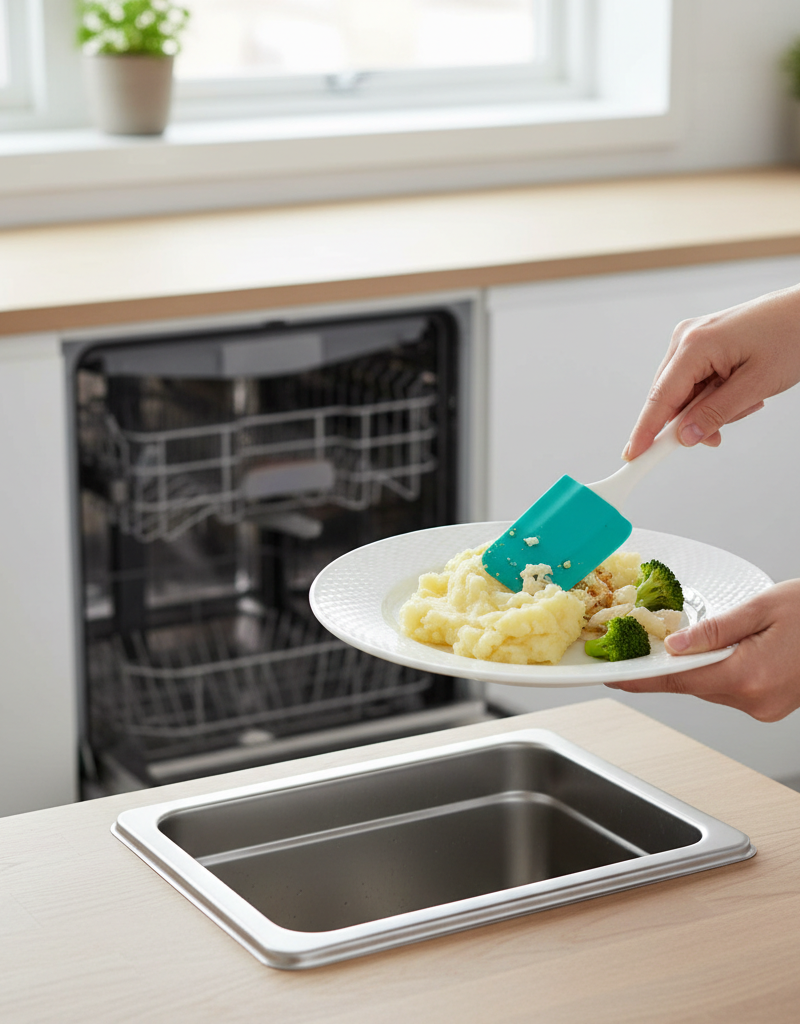
- Not Scraping Dishes: This is the #1 cause. While you shouldn’t pre-rinse dishes (detergent enzymes need food to work on), you must scrape off large food items. Chunks of meat, vegetables, pasta, and rice are the primary offenders.
- Paper and Plastic Labels: When you wash jars or bottles, the paper or thin plastic labels can wash off and turn into a pulp that instantly clogs the fine mesh screen.
- Grease and Oil: Pouring excessive grease or oil into the dishwasher will congeal in the filter and pipes, creating a sticky trap for other food particles.
- Hard Water Deposits: Mineral scale (calcium and magnesium) from hard water can build up on the filter screen, reducing water flow and trapping debris more easily.
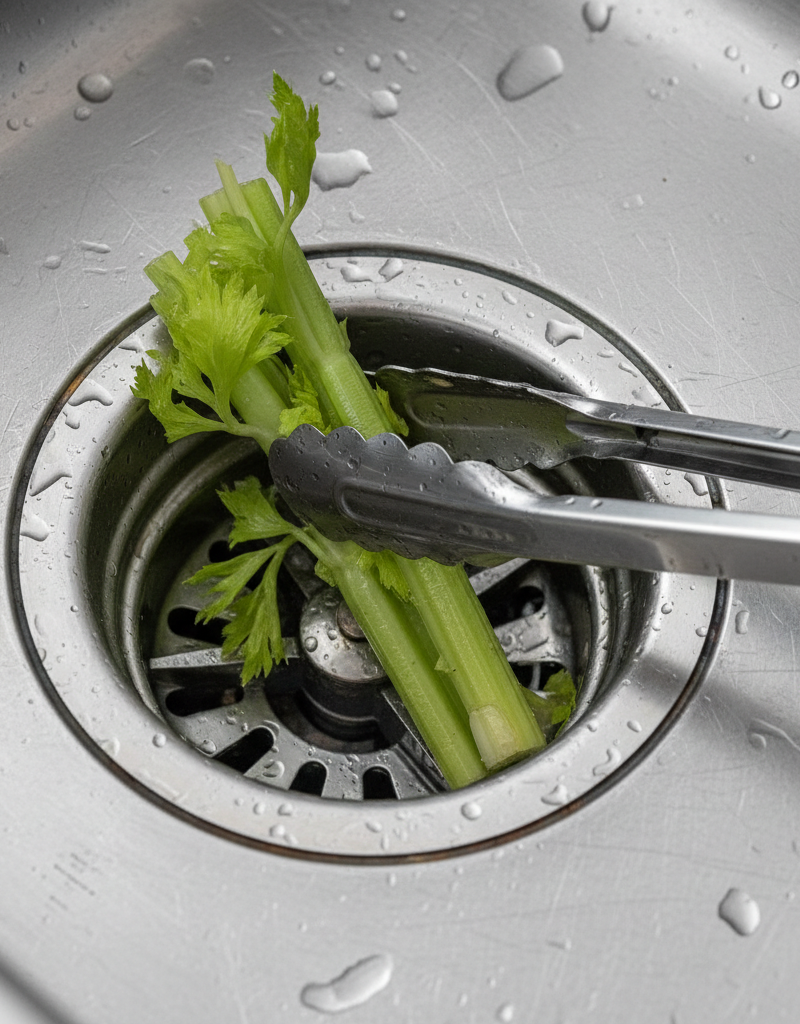
- Broken Glass or Small Objects: Small, hard items like fruit pits, popcorn kernels, or shards from a chipped glass can get lodged in the filter assembly.
- Simple Neglect: The most common cause is simply not knowing the filter exists or forgetting to clean it. Out of sight, out of mind, until your dishes come out dirty.
Common Mistakes
When cleaning the filter or troubleshooting a dishwasher making dishes dirtier, homeowners often make these simple mistakes:
- Scrubbing the Filter Too Hard: The fine mesh screen is delicate. Using a wire brush, steel wool, or excessive force can tear the mesh, rendering the filter useless.
- Forgetting to Lock the Filter Back In: A loose filter can dislodge during a wash cycle. This can block the spray arm from rotating or, in a worst-case scenario, allow a hard object like a bone or piece of glass to get sucked into the drain pump, destroying it.
- Running the Dishwasher With No Filter: Never, ever do this. It is a direct path to a very expensive repair call. The filter is the only thing protecting the pump motor from debris.
- Overly Pre-Rinsing Dishes: Modern detergents contain enzymes that are designed to cling to and break down food soils. If you rinse your dishes until they are practically clean, the detergent has nothing to work on, the machine’s soil sensor may run a lighter, less effective cycle, and you can end up with other problems like etching or detergent residue.
- Ignoring a Damaged Filter: If you see a hole in the mesh screen, do not put it back in. A new filter costs $15-$40, while a new pump motor can cost $250-$400 installed. Order a replacement immediately.
- Using Harsh Chemicals: Do not use bleach or other harsh, abrasive cleaners on the filter, as they can degrade the plastic and mesh over time. Simple dish soap and hot water are all you need.
Cost & Time Breakdown
Addressing a dirty filter is one of the cheapest and fastest DIY repairs you can do. Procrastinating, however, can lead to much more expensive professional repairs.
| Task | DIY Cost | Pro Cost | Time |
|---|---|---|---|
| Inspecting & Cleaning Filter | $0 | $120 - $180 | 5-10 minutes |
| Replacing Filter Assembly | $15 - $40 (part) | $150 - $220 | 10 minutes |
| Cleaning Clogged Spray Arms | $0 - $5 (cleaner) | $140 - $200 | 30 minutes |
| Full Professional Deep Clean | N/A | $180 - $250 | 1-1.5 hours |
| Replacing a Clogged Drain Pump | $50 - $100 (part) | $250 - $400+ | 2-3 hours |
Tips & Prevention
Keep your dishwasher working efficiently and avoid this problem in the future with a few simple habits.
- Set a Monthly Reminder: The best way to prevent a clog is through routine maintenance. Set a recurring calendar or phone alert to "Clean Dishwasher Filter." It only takes five minutes and is the single most effective thing you can do.
- Scrape, Don’t Rinse: Scrape large food solids and leftovers into the trash or compost before loading dishes. A little sauce or residue is fine, but chunks are the enemy.
- Check Spray Arm Nozzles: About twice a year, inspect the spray arms. The small holes where water shoots out can get clogged with mineral deposits or debris. Use a toothpick or a pair of needle-nose pliers to clear any obstructions.
- Use a High-Quality Detergent: Premium detergents contain more effective enzymes and surfactants that do a better job of completely dissolving food soils and grease, leaving less to get trapped in the filter.
- Run a Monthly Cleaning Cycle: Use a commercial dishwasher cleaner tablet (like Affresh or Finish) or the white vinegar method once a month to break down grease and mineral scale throughout the entire system.
- Run Hot Water First: Before starting the dishwasher, run the hot water at your kitchen sink until it gets hot. This ensures the dishwasher’s first fill is with hot water, which is more effective at dissolving detergent and cleaning grease from the start.
When to Call a Professional
Cleaning the filter solves the "dirty dishes" problem over 90% of the time. However, if you have meticulously cleaned the filter and spray arms and your dishes are still coming out dirty or covered in grit, it’s time to call a professional appliance technician. You may be facing a more complex issue that is beyond a simple DIY fix.
Contact a pro if you notice any of these symptoms:
- Standing Water: If there is water at the bottom of the tub that won’t drain after a cycle, you likely have a clog in the drain hose itself or a failing drain pump.
- Loud or Strange Noises: A humming, buzzing, or grinding sound can indicate a problem with the main wash motor or the drain pump. This often happens because the filter failed and debris has entered the motor assembly.
- Water Not Getting Hot: If the water isn’t heating properly, the detergent won’t dissolve and food won’t be cleaned effectively. This points to a faulty heating element or thermostat.
- Error Codes: A persistent error code on the display is the machine’s way of telling you it has diagnosed a component failure.
These issues require disassembly of the machine, electrical testing with a multimeter, and the installation of new parts. For the average homeowner, attempting these repairs can be difficult and potentially dangerous, making a professional call the safest and most efficient choice.
Frequently asked questions
How often should I clean my dishwasher filter?+
For optimal performance and to prevent odors and dirty dishes, you should clean your dishwasher filter at least once a month. If you have a large family or cook frequently, you may need to clean it every two weeks.
What are the signs of a clogged dishwasher filter?+
The most common signs are dishes remaining dirty or gritty after a wash, a foul or rotten smell coming from the dishwasher, water draining slowly or pooling at the bottom, and the machine making unusual noises as the pump struggles.
Can I run my dishwasher without the filter?+
No, you should never run the dishwasher without the filter properly locked in place. The filter is the only part that protects the drain pump from being destroyed by food debris, glass, or other small objects. Running it without a filter will almost certainly lead to an expensive repair.
Where is the filter in my dishwasher?+
In almost all modern dishwashers, the filter is located at the bottom of the tub, directly beneath the lower spray arm. It is typically a cylindrical component that you can remove by twisting it counter-clockwise.
Discussion
Loading comments…