Tools & materials you'll need
Affiliate links- AmazonElectrical tapeFor temporary wire ends or minor insulation repair
- AmazonFine-grit sandpaper or wire brushFor cleaning corroded terminals
- AmazonNew doorbell button1 · If testing reveals existing button is faulty
- AmazonNew doorbell transformer1 · If multimeter indicates transformer failure and owner is comfortable with 120V wiring
As an Amazon Associate FixlyGuide earns from qualifying purchases — at no extra cost to you. Prices and availability are accurate as of publication and subject to change.
Quick Answer
A non-working doorbell can be frustrating, but more often than not, the fix involves a simple, overlooked issue rather than a complete system overhaul. The most frequent culprits are a tripped circuit breaker, a doorbell button stuck in the 'pressed' position, or loose wiring at the chime unit, transformer, or the button itself. Many homeowners can diagnose and resolve these problems in as little as 5 to 10 minutes with basic tools, often restoring full functionality without needing professional help. Remember to always prioritize safety when working with electricity, even low-voltage systems.
The Problem
You push your doorbell button, expecting that familiar chime, but hear nothing. Perhaps it works intermittently, or maybe it’s completely unresponsive. This common household annoyance can stem from various points within the low-voltage doorbell circuit, from the button outside your home, through the wiring, to the chime unit and the transformer that powers it all. What initially seems like a complex electrical issue is frequently a straightforward mechanical or connection problem easily remedied by a homeowner. Ignoring a dead doorbell can be inconvenient and a security concern, missing important deliveries or visitors.
How It Works
Understanding how a traditional wired doorbell system operates is key to troubleshooting it effectively. It's a low-voltage electrical circuit, typically operating on 10-24 volts AC, much lower than your home's main electrical supply. This low voltage is supplied by a transformer, usually a small box mounted near your electrical panel, in a basement, or sometimes in the attic. This transformer steps down your household's 120-volt AC power to the doorbell's required low voltage.
From the transformer, two low-voltage wires extend. One wire typically goes directly to the chime unit (the box that makes the sound), and the other routes to the doorbell button at your door. The doorbell button itself is a simple momentary switch. When you press the button, it completes the low-voltage circuit, allowing current to flow from the transformer, through the button, to the chime unit, and back to the transformer. This sudden surge of current activates an electromagnet inside the chime unit, which then strikes metal bars to produce the familiar 'ding-dong' sound.
If the circuit is interrupted at any point – whether by a loose wire, a faulty button, a dead transformer, or a malfunctioning chime – the doorbell won't ring. Since it's a closed loop, even a minor break can render the entire system inoperable. Over time, components can wear out, wires can corrode or become disconnected, or external factors like weather can damage exposed parts. Identifying where this interruption occurs is the core of troubleshooting.
Step-by-Step Fix
1. Check the Circuit Breaker — *The often-overlooked first step.
Your doorbell system, though low-voltage, is powered by a transformer connected to a household circuit. If that circuit trips, the doorbell loses power. Go to your main electrical panel and look for a breaker labeled 'Doorbell,' 'Chime,' or a general circuit that powers the area where your transformer is located (e.g., 'Basement Lights' or 'Garage').
- How to fix: If a breaker is in the 'tripped' position (usually midway between ON and OFF), firmly switch it completely to the OFF position, then back to ON. If a breaker is in the OFF position, simply switch it to ON. If no breakers are obviously tripped, turn off and then back on the breakers one by one that you suspect might be connected.
- If this doesn't work: If the breaker immediately trips again, there's a short circuit somewhere in the system. Stop troubleshooting and call a licensed electrician.
2. Inspect the Doorbell Button — *A common cause of unresponsiveness.
The doorbell button is exposed to the elements and frequent use, making it prone to failure. Look for signs of damage or sticking.
- Visual Inspection: Examine the button for cracks, corrosion, or if it appears to be stuck in the 'pressed' position. A stuck button can keep the chime humming or prevent it from ringing at all.
- Test for Continuity (Optional, Requires Multimeter): If you have a multimeter, set it to continuity mode. Disconnect the two wires from the back of the doorbell button. Touch the multimeter probes to the two terminals on the button. Press the button. If the multimeter beeps or shows a closed circuit, the button is likely working. If not, the button is faulty.
- Temporary Bypass: Disconnect the two low-voltage wires from the back of the doorbell button. Carefully touch the exposed ends of these two wires together. If the chime rings, the button itself is faulty and needs replacement. If it doesn't ring, the problem lies elsewhere in the system.
3. Check the Chime Unit Wiring — *Loose connections are frequent.
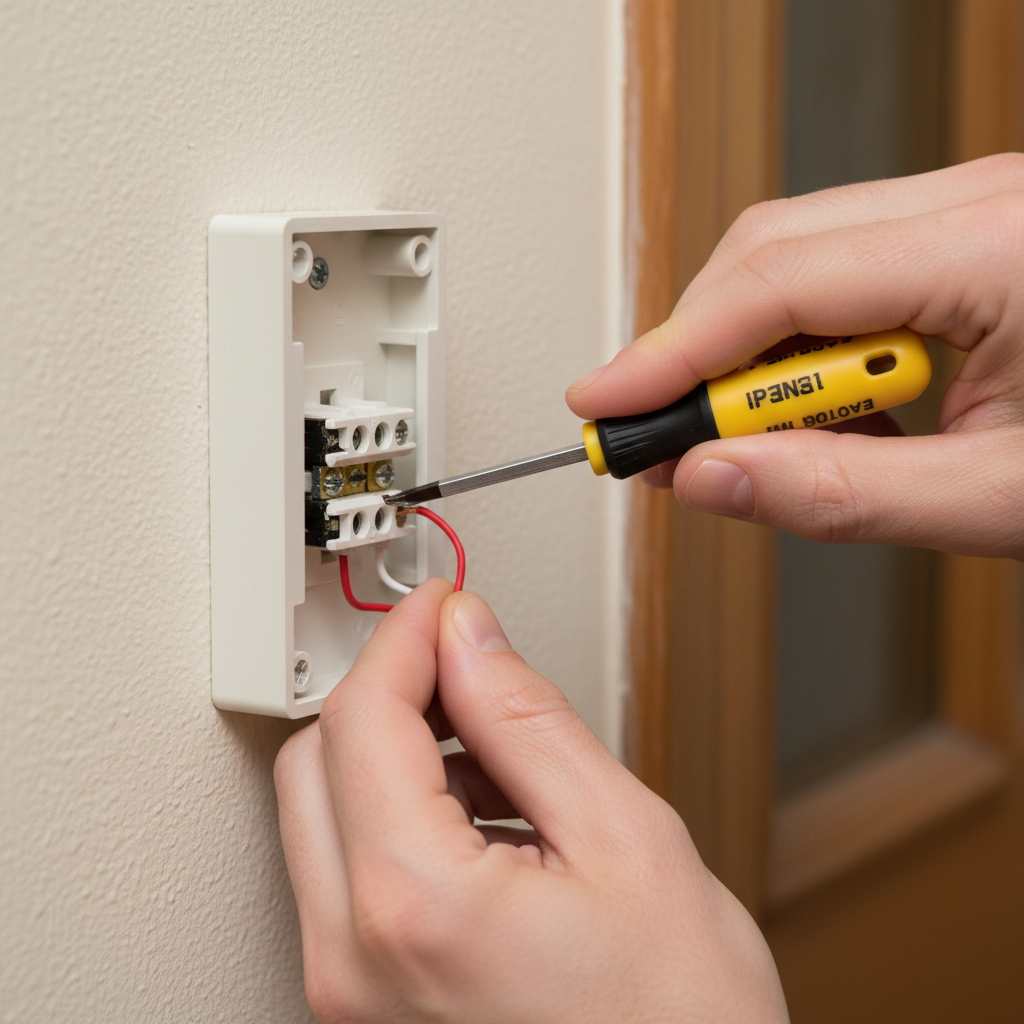
Loose or corroded wires at the chime unit are a common cause of doorbell failure. You'll typically find the chime unit mounted on an interior wall, often in a hallway, living room, or near stairs.
- Safety First: Before opening the chime unit cover, ensure the power to the doorbell circuit is OFF at the electrical panel. Even low voltage can give a mild shock, and it's good practice.
- Remove Cover: Carefully remove the chime unit cover. This usually involves gently prying it off or unscrewing a few small screws.
- Inspect Wires: Look for any loose wires, corrosion on the terminals, or wires that have pulled out of their connectors. There will typically be three terminals labeled 'FRONT,' 'TRANS,' and 'REAR' (if you have two doorbells). The 'TRANS' terminal connects to the transformer, 'FRONT' to your front doorbell, and 'REAR' to a back doorbell.
- Tighten Connections: Using a small screwdriver, tighten all screws on the terminal block, ensuring that each wire is securely fastened. Gently tug on each wire to confirm it's seated firmly.
- Clean Contacts: If you see any corrosion, carefully clean the wire ends and terminals with fine-grit sandpaper or a wire brush. Re-striping the last half-inch of wire with wire strippers can provide a fresh, clean connection.
4. Locate and Inspect the Transformer — *The heart of the low-voltage system.
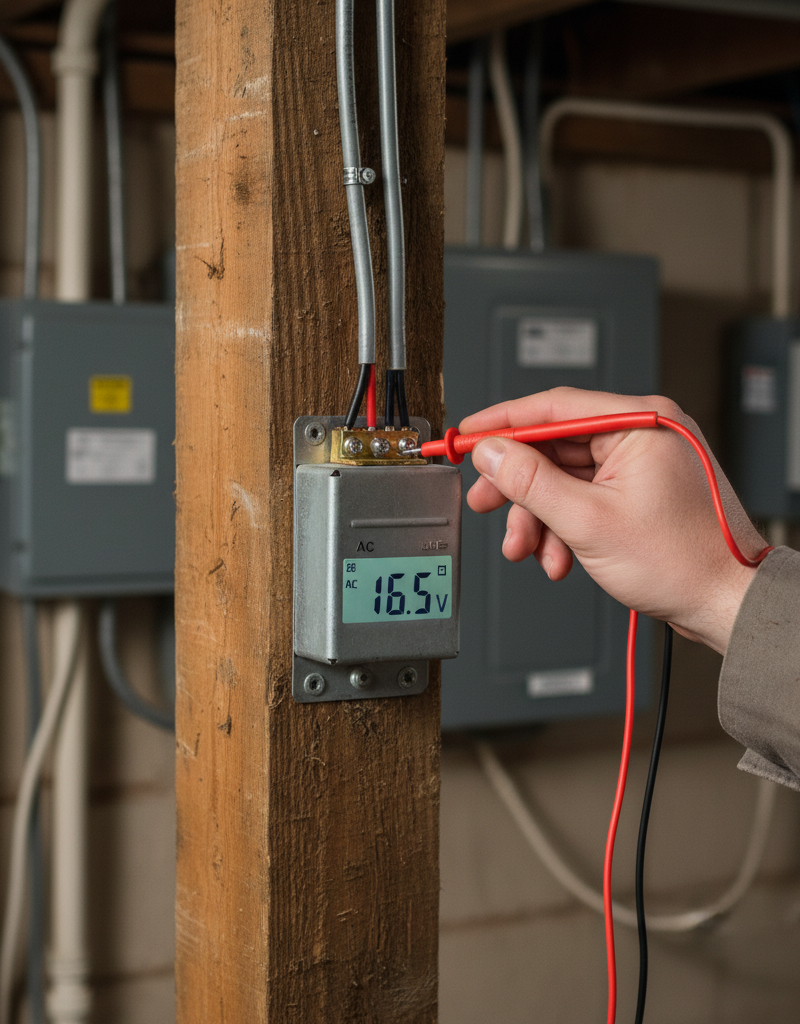
The doorbell transformer steps down your home’s electrical current to a safe low voltage for the doorbell. If the transformer fails, the entire system dies. It's often found near your main electrical panel, in an attic, basement, utility closet, or sometimes mounted directly to a junction box.
- Safety First: Ensure the power to the doorbell circuit is OFF at the electrical panel before touching the transformer.
- Visual Check: Look for any signs of damage like burn marks, bulging, or unusual noises (humming excessively). If it's warm to the touch (when power is ON), that's normal, but extreme heat suggests a problem.
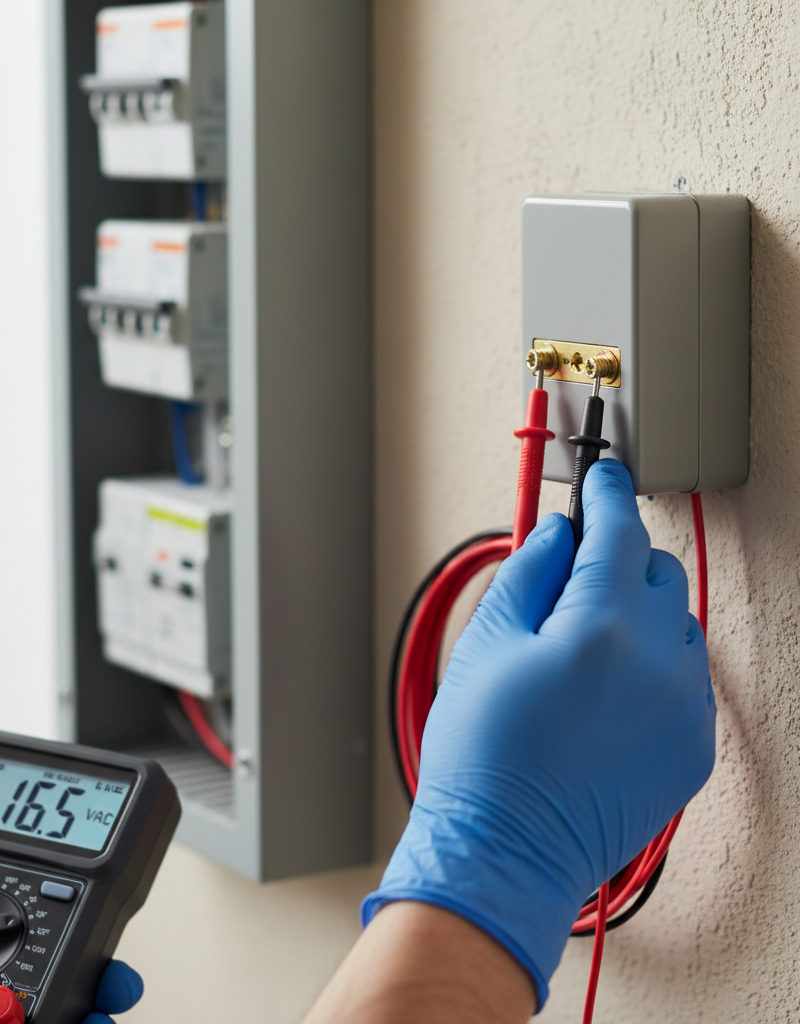
- Test Voltage (Requires Multimeter): With the power ON (be extremely careful!), set your multimeter to AC voltage. Touch the probes to the two low-voltage terminals on the transformer (the ones with the thin doorbell wires attached). You should read a voltage between 10V and 24V (most commonly 16V). If you read 0V or a significantly lower voltage, the transformer is likely faulty and needs replacement.
- Tighten Connections: With power off, check and tighten the low-voltage output wires connected to the transformer as well as the 120V input wires if accessible and you are comfortable doing so. Note: If you are uncomfortable working with 120V wiring, contact a licensed electrician for transformer replacement.
5. Inspect All Wiring for Damage — *A less common but critical check.
While doorbell wires are low-voltage, they can still be damaged, especially if running through unfinished areas or outdoors.
- Trace the Wires: If accessible, visually trace the wires from the transformer to the chime unit, and from the chime unit to the doorbell button. Look for kinks, cuts, rodent damage, or areas where the insulation might be chafed.
- Hidden Damage: Wires inside walls are harder to inspect. Look for any new holes drilled or renovations that might have inadvertently severed a wire.
- Outdoor Wires: Pay close attention to any section of wire running outdoors to the doorbell button, as it's exposed to weather and potential mechanical damage.
- Repair Damage: If you find a damaged section, you can often cut out the damaged part and splice in a new piece of low-voltage wire using wire nuts, ensuring strong, insulated connections. For extensive damage or wires inside walls, professional help might be needed.
Common Causes
- Tripped Circuit Breaker: The most common and easiest fix. The circuit powering your doorbell transformer shared with other outlets or lights might have tripped due to an overload.
- Faulty Doorbell Button: Exposed to weather and constant use, buttons can stick, corrode, or have their internal contacts fail.
- Loose or Corroded Wiring: Vibrations, age, or poor initial installation can cause wires to come loose from terminal screws at the chime, transformer, or button.
- Failed Transformer: The transformer converts high voltage to low voltage. If it burns out or short circuits, no power reaches the doorbell system.
- Malfunctioning Chime Unit: Less common, but the internal mechanism of the chime (plunger, electromagnet) can wear out or become clogged with dust or insects.
Common Mistakes
- Forgetting the Breaker: Many homeowners jump to replacing parts without checking the simplest, most common issue: the circuit breaker.
- Ignoring Safety: Even low-voltage can give a jolt, and the transformer itself is connected to 120V. Always turn off power at the breaker before working on wiring.
- Mixing Up Wires: When disconnecting wires, especially at the chime or transformer, label them clearly with tape and a marker to ensure they go back to the correct terminals.
- Over-tightening Screws: While secure connections are good, over-tightening terminal screws can strip the screw head or even cut the delicate low-voltage wire.
- Assuming the Worst: Don't immediately assume the transformer or chime is dead before thoroughly checking the button and all connections. Components are often expensive and unnecessary to replace.
- Using the Wrong Wire Gauge: If replacing wiring, ensure you use the correct gauge (typically 18-22 gauge) for low-voltage doorbell applications. Using too thin a wire can lead to voltage drop and a weak chime.
Cost & Time Breakdown
| Task | DIY Cost | Pro Cost | Time |
|---|---|---|---|
| Check Breaker / Button Bypass | $0 | $0 (for diagnosis) | 5–10 mins |
| Replace Doorbell Button | $10–$30 | $75–$150 | 10–20 mins |
| Fix Loose Wiring (chime/trans) | $0 (for parts) | $75–$150 | 15–30 mins |
| Replace Doorbell Transformer | $20–$50 | $150–$300 | 30–60 mins |
| Replace Chime Unit | $25–$100 | $100–$250 | 20–45 mins |
Tips & Prevention
- Regular Cleaning: Periodically clean around your doorbell button to prevent dirt and debris from causing it to stick.
- Weather Protection: If your doorbell button is exposed, consider a small overhang or weather-resistant cover to prolong its life.
- Secure Wiring: During any home renovation or when inspecting, ensure low-voltage wires are securely fastened and protected from physical damage.
- Check Annually: Make it a habit to test your doorbell once a year to catch minor issues before they become major failures.
- Know Your Transformer Location: Make a note of where your doorbell transformer is located (e.g., in your electrical panel, basement, attic) for quicker troubleshooting later.
When to Call a Professional
While many doorbell issues are DIY-friendly, there are specific situations where calling a licensed electrician is the safest and most practical option. You should immediately contact a professional if, after checking the circuit breaker, it repeatedly trips when you try to reset it, as this indicates a more serious short circuit within your home's electrical system that could pose a fire hazard. Similarly, if you've traced the issue to the doorbell transformer and are uncomfortable working with 120-volt household wiring, or if you cannot safely access the transformer, a professional should handle the replacement. If you suspect extensive wiring damage inside walls or ceilings, or if all visible components appear fine but the doorbell still won't work, indicating a deeper electrical fault, an electrician has the tools and expertise to diagnose and repair the problem safely and efficiently. Never attempt to bypass safety features or force a repair if you are uncertain about any electrical procedure; your safety is paramount.
Frequently asked questions
Why did my doorbell suddenly stop working?+
Often, a doorbell suddenly stops working due to a tripped circuit breaker, a doorbell button stuck from dirt or wear, or a loose connection at the chime unit or transformer. These are typically easy to diagnose and fix at home.
How do I test if my doorbell button is bad?+
To test your doorbell button, first, disconnect the two low-voltage wires from its terminals. Then, carefully touch the two bare wire ends together. If the chime rings, your doorbell button is faulty and needs replacement. If it doesn't ring, the problem lies elsewhere in the system.
Where is my doorbell transformer usually located?+
Doorbell transformers are commonly found near your home's main electrical service panel, in a basement, attic, or an utility closet. They are often mounted to a junction box and are small, rectangular metal or plastic boxes.
Can a doorbell transformer go bad?+
Yes, doorbell transformers can go bad due to age, power surges, or internal short circuits. If the transformer fails, it will no longer supply the necessary low voltage to the doorbell system, causing it to stop working. Testing output voltage with a multimeter can confirm if it's faulty.
Is it safe to fix a doorbell yourself?+
Yes, it is generally safe for homeowners to troubleshoot and fix most doorbell issues, as the system operates on low voltage (typically 10-24V). However, always turn off power at the circuit breaker before working on any wiring, especially near the transformer, which connects to your home's 120V electrical system. If you are uncomfortable, call a professional.
Discussion
Loading comments…