Tools & materials you'll need
Affiliate linksAs an Amazon Associate FixlyGuide earns from qualifying purchases — at no extra cost to you. Prices and availability are accurate as of publication and subject to change.
Quick Answer
When your dryer takes an unusually long time to dry clothes, the primary culprit is almost always restricted airflow, with a clogged dryer vent being the leading cause. Lint and debris accumulate in the vent ductwork over time, preventing moist, hot air from escaping efficiently. Cleaning your dryer's lint trap and the entire vent system, from the dryer connection to the exterior exhaust hood, is the most effective and often overlooked solution, restoring drying performance and preventing potential fire hazards.
The Problem
You load your clothes, set the dryer, and come back an hour or more later only to find them still damp, sometimes even hot but not dry. This isn't just an inconvenience; it's a sign of a deeper problem that can lead to increased energy bills, premature wear on your appliance, and even a significant fire risk. A dryer that struggles to do its job is essentially fighting against itself, laboring harder and longer because the moisture-laden air, crucial for the drying process, cannot escape as it should. The result is a cycle of re-drying, frustration, and potentially hundreds of dollars wasted over the appliance's lifespan.
How It Works
Understanding how your dryer works is key to diagnosing why it's failing. A dryer operates on a simple principle: it heats air, tumbles clothes through that hot air to evaporate moisture, and then expels the moist air to the outside. Here's a breakdown:
- Heating Element/Burner: Electric dryers use a heating element (like a large coil) to warm incoming air. Gas dryers use a gas burner, igniting a flame to heat the air.
- Blower Fan: A powerful blower fan, often located at the back or bottom of the dryer, draws in ambient air, pulls it across the heating element, pushes it through the tumbling clothes in the drum, and then forces the now-moist hot air out through the exhaust vent.
- Tumbling Drum: The drum rotates, lifting and dropping clothes to expose all surfaces evenly to the hot air, aiding in moisture evaporation.
- Lint Trap: As air exits the drum, it first passes through the lint trap screen. This screen captures larger lint particles, preventing them from entering and clogging the main vent system.
- Exhaust Vent: After the lint trap, the moist air travels through a flexible or rigid duct (the dryer vent) embedded within your wall or floor, eventually exiting your home through an exterior vent hood. This continuous airflow is critical. If the exhaust is blocked, the moist air has nowhere to go. It recirculates within the dryer, significantly lowering the air's capacity to absorb more moisture from the clothes. Think of it like trying to dry clothes in a steamy bathroom with no ventilation—it simply won't work efficiently.
When the vent system is even partially obstructed, the dryer's ability to expel moisture plummets. The air inside the dryer drum becomes saturated with humidity, hindering further evaporation from your clothes. The dryer continues to heat, but since the water has nowhere to go, your clothes remain damp, and the drying cycle extends indefinitely. This also causes the dryer's internal temperature to rise, triggering thermal cut-offs and forcing the machine to work harder, consuming excessive energy.
Step-by-Step Fix
Safety Note: Always unplug your electric dryer or shut off the gas supply and unplug a gas dryer before performing any maintenance or cleaning. Wear gloves and a dust mask when cleaning vents, as lint can be irritating.
-
Clear the Lint Trap Religiously — This is step zero, but often overlooked.
- Remove the lint screen from its slot, usually located on top of the dryer or just inside the door frame.
- Peel off all accumulated lint. Do this before every single load. For a deeper clean, occasionally scrub the screen with a soft brush and warm, soapy water to remove fabric softener residue that can build up and restrict airflow. Rinse thoroughly and let it air dry completely before returning it to the dryer.
-
Disconnect the Dryer — Safely prepare your appliance for cleaning.
- Electric Dryer: Pull the dryer away from the wall and unplug the power cord from the electrical outlet.
- Gas Dryer: Pull the dryer away from the wall. Turn off the gas supply valve (usually a yellow or red handle on a pipe behind the dryer) by turning it perpendicular to the gas line. Then, unplug the power cord.
- Important: Note the dryer's position for easier reconnection later. Be gentle to avoid damaging flooring or connections.
-
Inspect and Clean the Dryer Duct (Behind the Dryer) — The most notorious clog point.
- Locate the dryer vent hose connecting the dryer to the wall duct. It's usually a flexible foil or plastic hose, held by clamps.
- Loosen the clamps (screwdriver or nut driver) and carefully detach the hose from both the dryer exhaust port and the wall outlet.
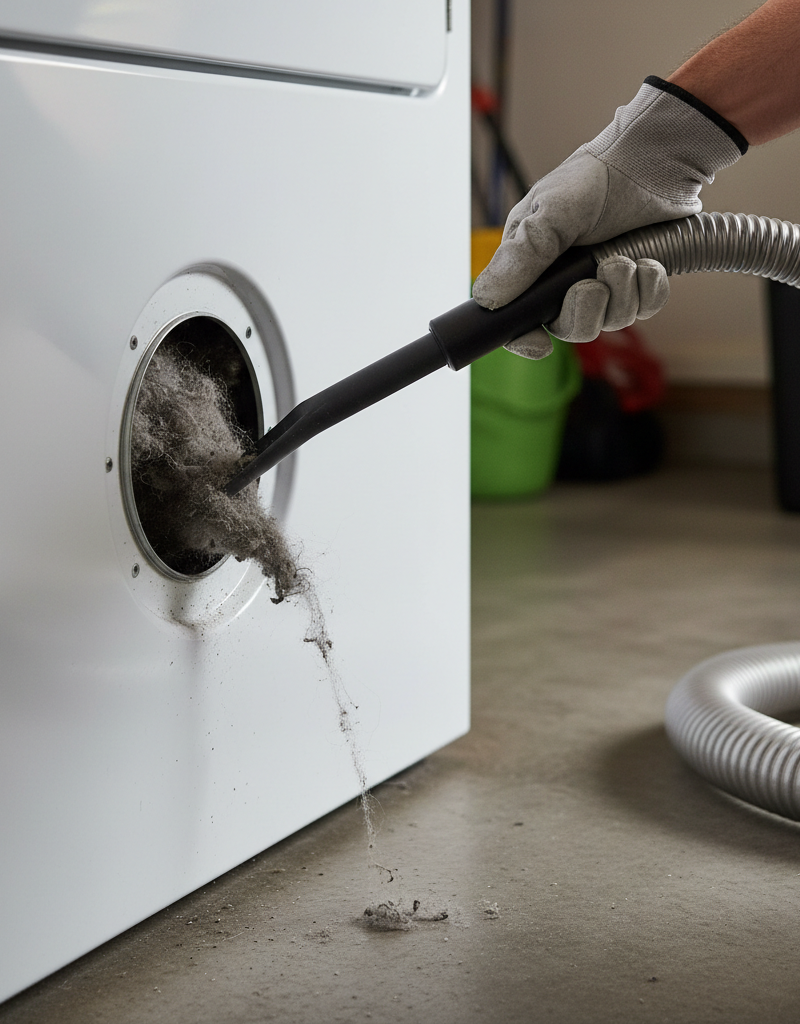
- Inspect the flexible hose for kinks, crushes, or excessive lint buildup. Straighten any kinks. For heavy lint, use a vacuum cleaner with a crevice tool or a specialized dryer vent brush to remove all debris. If the hose is damaged or severely clogged, replace it with a rigid metal duct for better airflow and safety.
- Clean the dryer's exhaust port (where the hose connects) with a brush or vacuum.
-
Clean the Wall Duct from the Inside — Extending your reach.
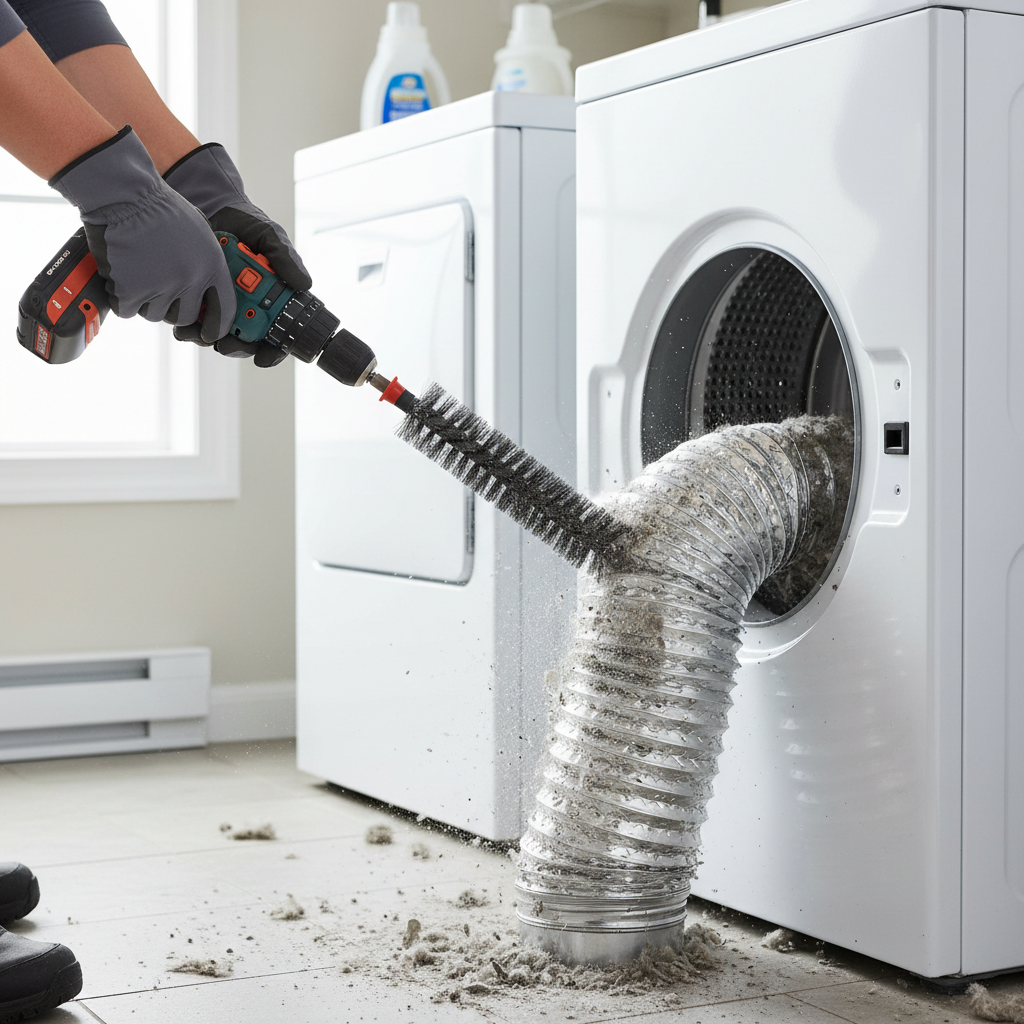
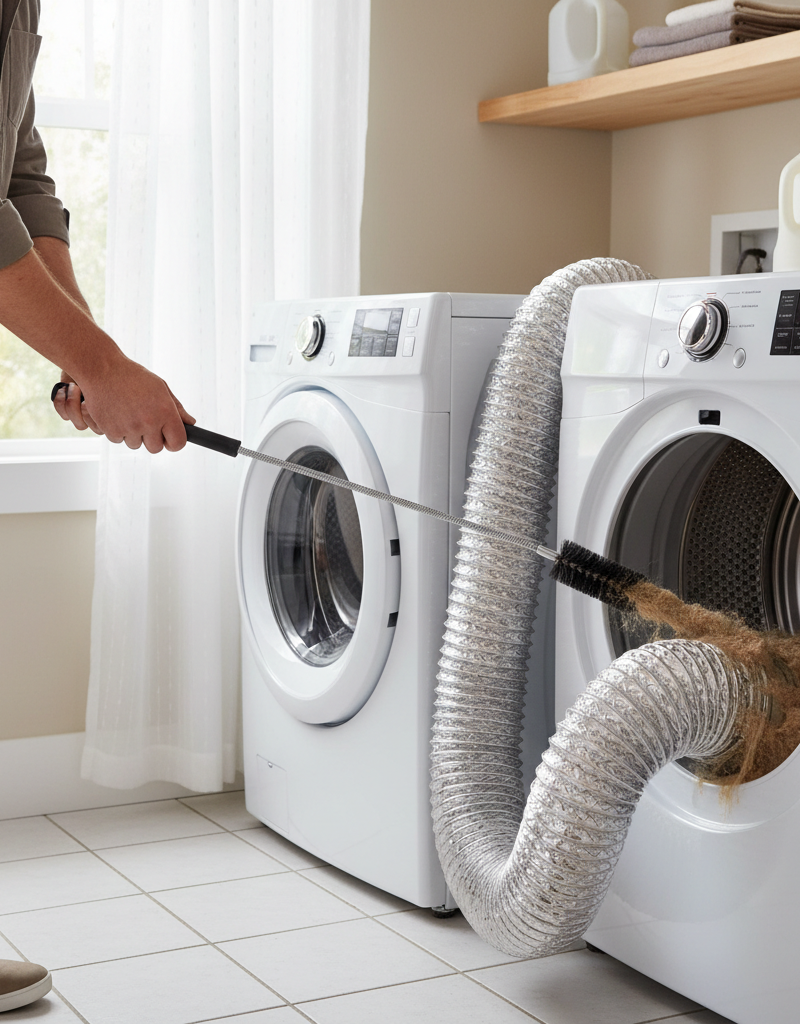
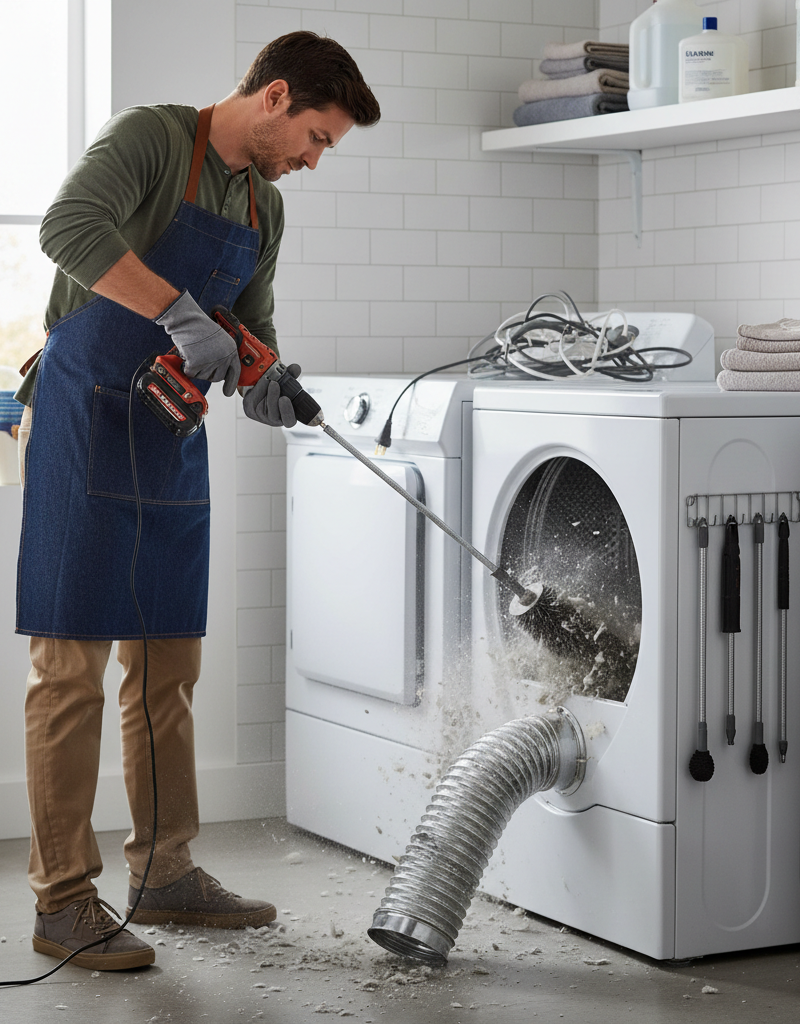
- Using a dryer vent cleaning brush kit (typically a long flexible rod with a brush head that connects to a drill), insert the brush into the wall duct opening.
- Work the brush in and out, rotating it with the drill on a low setting, to dislodge lint along the entire length of the duct. Collect dislodged lint with a vacuum.
- If this doesn't work: If the duct feels completely blocked or you encounter resistance, the clog might be further down or at the exterior vent cap. Proceed to the next step.
-
Clean the Exterior Vent Cap — The final exit point.
- Go outside to locate the dryer vent cap on your home's exterior wall. This is often a louvered or screened cover.
- Carefully remove any screws or release clips holding the cap in place. Sometimes it's simply friction-fit.
- Clear away any accumulated lint, bird nests, insect screens, or other obstructions. Many vent caps have flimsy plastic flaps that can get stuck shut or brittle over time, impeding airflow. Ensure these flaps open freely.
- Use a brush or vacuum to clean the inside of the exterior duct opening. Reattach the vent cap securely, ensuring the flaps can open fully when the dryer operates.
- If this doesn't work: Consider that the ductwork itself might be damaged, crushed within a wall, or have excessive bends. This is a sign to call a professional vent cleaning service or an appliance technician.
-
Reassemble and Test — Putting it all back together.
- Reconnect the flexible dryer vent hose, ensuring it's straight, unkinked, and securely clamped at both ends.
- Push the dryer back into place, being careful not to crush the vent hose against the wall.
- Plug in the electric dryer or reconnect the gas line (turn the gas valve parallel to the pipe) and plug in the gas dryer.
- Run a small load of damp towels on a high heat setting. Check the exterior vent for strong airflow and monitor drying time. You should notice a significant improvement.
Common Causes
- Clogged Dryer Vent/Ductwork: This is by far the most common cause. Lint, dust, and even pet hair accumulate in the flexible connector hose and the rigid ductwork leading outside, restricting airflow.
- Blocked Exterior Vent Cap: Bird nests, insect screens, or stuck/broken louvered flaps on the outside vent can completely block exhaust flow.
- Crushed or Kinked Flexible Vent Hose: If the dryer is pushed too close to the wall, the flexible hose behind it can become kinked or crushed, severely limiting airflow.
- Dirty Lint Trap Screen: A lint trap caked with fabric softener residue or simply overflowing with lint before each load will hinder airflow within the dryer itself.
- Overloading the Dryer: Stuffing too many clothes into the dryer at once prevents proper tumbling and air circulation, extending drying times.
- Washing Machine Issues: A washing machine that isn't spinning clothes sufficiently will leave them excessively wet, requiring much longer drying times in the dryer.
Common Mistakes
- Ignoring the Exterior Vent: Many homeowners diligently clean the lint trap but completely forget about the exterior vent cap, which can become just as (or even more) clogged.
- Using Flexible Plastic/Foil Vents: These types of vents are highly prone to kinking, crushing, and lint accumulation. Always upgrade to rigid metal ductwork for optimal airflow and fire safety.
- Skipping Professional Vent Cleaning: For long vent runs, complex ductwork, or if you've never cleaned it, DIY methods might not be enough. Professional services have specialized tools to ensure a thorough clean.
- Overlooking the Washer's Spin Cycle: Assuming the dryer is the sole problem. If clothes come out of the washer soaking wet, the issue might start there, not in the dryer.
- Drying Too Many Items at Once: Overloading makes the dryer inefficient, increasing drying time and wear on the appliance.
- Not Checking the Dryer's Internal Exhaust Port: Even if the hose is clear, lint can build up right where the hose attaches to the dryer, inside the machine's exhaust port.
Cost & Time Breakdown
| Task | DIY cost | Pro cost | Time |
|---|---|---|---|
| Clean lint trap | $0 | N/A | 1 minute |
| Clean flexible vent hose | $0–$10 | N/A | 10–20 minutes |
| Clean wall duct with brush kit | $20–$40 | N/A | 30–60 minutes |
| Replace flexible vent hose | $15–$30 | $100–$150 | 20–40 minutes |
| Professional vent cleaning | N/A | $100–$250 | 1–2 hours |
| Appliance technician diag.* | N/A | $150–$300+ | 1–3 hours |
*If the issue is not a clogged vent and requires internal repair (e.g., heating element, thermal fuse).
Tips & Prevention
- Clean the Lint Trap Every Load: Make it a habit. It takes seconds and is the first line of defense against clogs.
- Inspect and Clean Flexible Vent Hose Quarterly: Pull the dryer out and check the hose for kinks, damage, and lint buildup every three months.
- Clean the Entire Dryer Vent System Annually: Use a DIY brush kit or schedule a professional cleaning once a year, or more frequently if you have pets or do a lot of laundry.
- Upgrade to Rigid Metal Ductwork: If you have flexible plastic or foil venting, replace it with rigid metal pipes. They offer better airflow, are less prone to crushing, and significantly reduce fire risk.
- Ensure Exterior Vent Cap is Clear: Periodically check the outdoor vent to ensure flaps move freely and there are no obstructions like bird nests.
- Avoid Overloading: Give clothes room to tumble and allow hot air to circulate freely.
- Check Washer's Spin Cycle: If clothes are still dripping wet after the wash cycle, your washing machine might need attention, not the dryer.
When to Call a Professional
While a clogged vent is the most common reason for extended drying times, some problems require a licensed appliance technician. If you've thoroughly cleaned the entire vent system (from the dryer to the exterior cap), replaced damaged ductwork, and ensured the lint trap is spotless, yet your dryer still struggles, a professional diagnosis is warranted. This could indicate a failing heating element, a faulty thermal fuse (which trips to prevent overheating), a worn-out blower motor, or issues with the dryer's thermostat. If you notice a persistent burning smell after cleaning or suspect an electrical issue, immediately unplug the dryer, turn off the breaker for the dryer's circuit, and call a professional. For gas dryers, if you ever smell gas, evacuate the home and contact your gas company and a licensed gas appliance technician immediately. Do not attempt to repair gas lines or internal electrical components yourself.
Related Articles
Keep troubleshooting with these hand-picked guides from FixlyGuide:
- The #1 Mistake Homeowners Make When Their Dryer Stops Drying (And How to Fix It Free) — If your dryer is taking too long to dry clothes, the most common culprit is a clogged vent, which can be easily fixed with simple tools.
- The #1 Mistake Homeowners Make When Their Dryer Is Taking Too Long — Before you call a repairman, learn the most common, easily overlooked reason your dryer isn't drying clothes efficiently and how to fix it…
- The 3 Hidden Reasons Your Dryer Takes Forever – And the Easy Fixes — If your dryer is taking too long to dry clothes, the culprit is often reduced airflow, which can be easily resolved with a few simple check…
- The Silent Fire Hazard Lurking In Your Laundry Room — Don't let a clogged dryer vent become a silent fire starter. Learn why this common oversight is so dangerous, the clear warning signs to lo…
- The #1 Mistake Homeowners Make When Their Ice Maker Stops (And the Easy Fix) — Before you call for service, learn the most common and easily fixable reason your refrigerator's ice maker isn't producing ice.
- The #1 Dryer Fire Culprit Hiding in Your Laundry Room (And How to Evict It) — Regular dryer vent cleaning is crucial to prevent lint buildup, improve efficiency, and most importantly, safeguard your home from potentia…
Get the print-ready PDF of this guide
A clean, ad-free, printable version you can keep on your phone or pin to the workshop wall. We'll also send occasional weekly tips matched to your home situation.
- Print-optimized layout
- Tools, materials & every step included
- Unsubscribe anytime
Frequently asked questions
How often should I clean my dryer vent?+
You should clean your dryer's lint trap before every load. The flexible hose behind the dryer should be inspected and cleaned quarterly, and the entire vent system (from the dryer to the exterior cap) should be cleaned annually, or more frequently if you have pets or use your dryer heavily.
Can a clogged dryer vent cause a fire?+
Yes, absolutely. Lint is highly flammable. When a dryer vent is clogged, hot air and lint accumulate in the ductwork, significantly increasing the risk of a dryer fire. Cleaning the vent regularly is crucial for fire safety.
What if my clothes are hot but still damp?+
This is a classic sign of restricted airflow due to a clogged dryer vent. The heating element is working, but the moisture-laden hot air can't escape, preventing effective drying. Thoroughly clean your entire vent system, including the exterior cap.
Can I use a leaf blower to clean my dryer vent?+
While a leaf blower might blast out some lint, it's generally not recommended. It can push lint deeper into the duct, potentially damaging the vent system, or not effectively remove all stubborn clogs. A specialized dryer vent brush kit is much safer and more effective.
How can I tell if my dryer vent is truly clear?+
After cleaning, run your dryer on a high heat setting with no clothes for about 15-20 minutes. Go outside and feel the air coming out of the exterior vent. It should be hot and have strong airflow. If the airflow is weak or cool, there might still be an obstruction or another internal dryer issue.
Discussion
Loading comments…