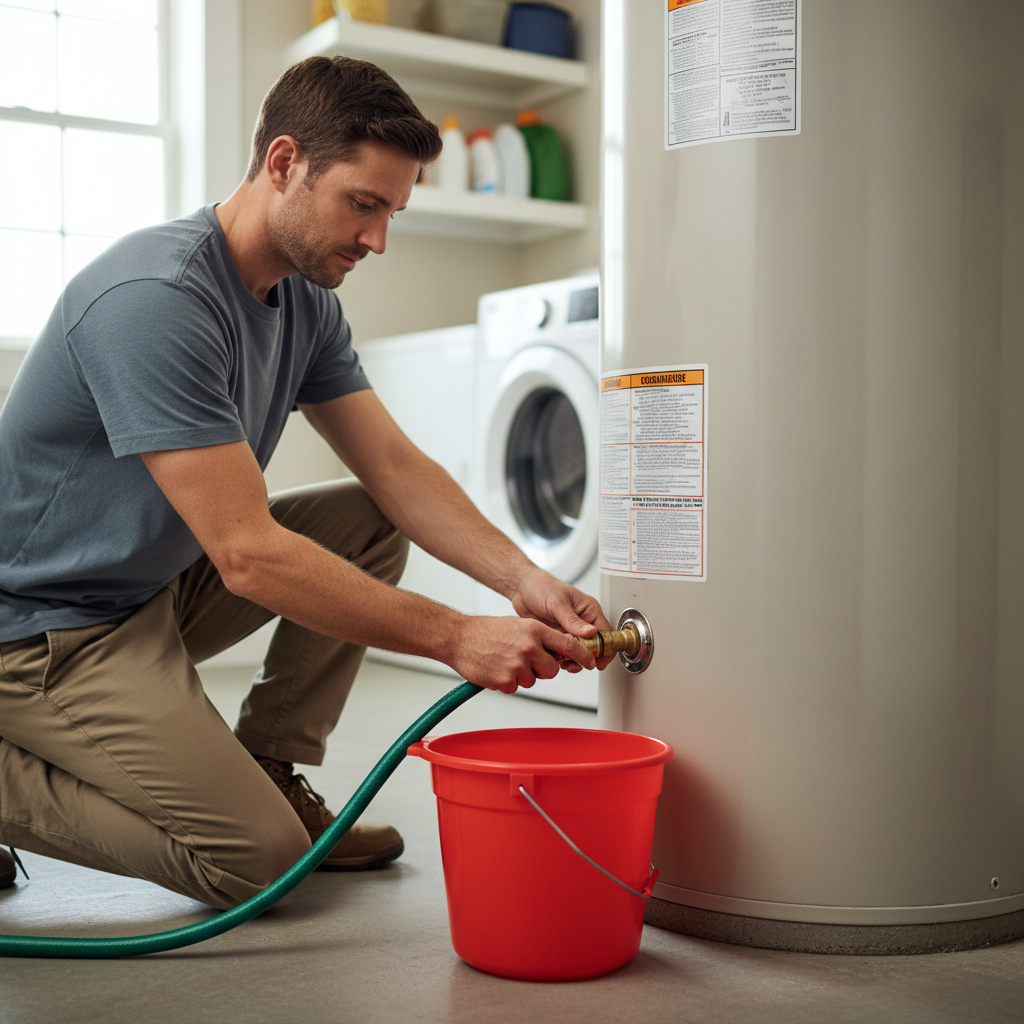
Tools & materials you'll need
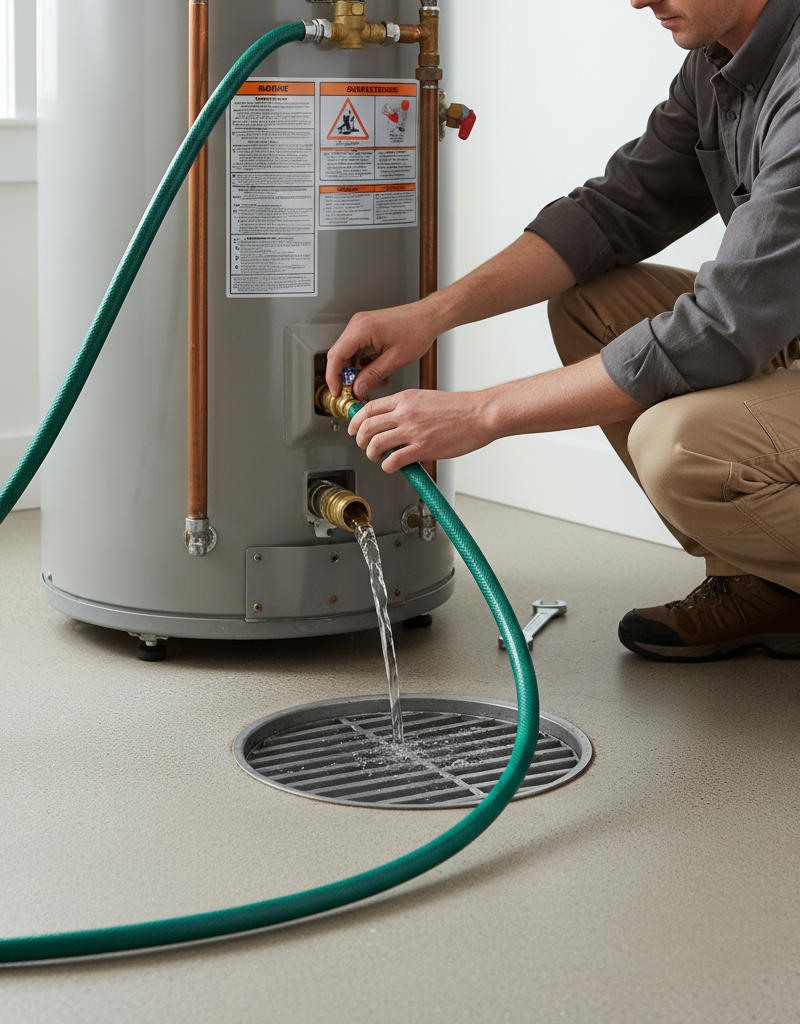
Affiliate links- AmazonGarden hose1 · Long enough to reach a drain or outdoor area for water disposal
- Amazon5-gallon bucket1 · For catching initial water or testing sediment
- AmazonFlathead screwdriver or socket wrench1 · To open the drain valve, depending on its type
- Amazon(Optional) Water heater flush kit1 · Some kits include a specialized hose and brush
- Amazon(Optional) Channel lock pliers1 pair · For stubborn drain valves
As an Amazon Associate FixlyGuide earns from qualifying purchases — at no extra cost to you. Prices and availability are accurate as of publication and subject to change.
Quick Answer
Sediment buildup is the silent killer of hot water heaters, drastically reducing their efficiency and lifespan. A quick, annual flush can remove this insulating layer, boosting your heater
Frequently asked questions
How often should I flush my hot water heater?+
Most manufacturers and plumbing professionals recommend flushing your water heater at least once a year. However, if you live in an area with particularly hard water or notice reduced hot water capacity or odd noises, you might consider flushing it every six months.
What happens if I don't flush my water heater?+
Ignoring regular flushing allows sediment to accumulate at the bottom of the tank. This sediment acts as an insulator, forcing the heating element to work harder, reducing efficiency, increasing energy bills, and ultimately corroding the tank from the inside out, leading to premature failure and leaks.
Can flushing a water heater cause a leak?+
While rare, very old water heaters with severe corrosion can develop leaks during or after flushing. This is because sediment might be plugging existing small holes, and its removal exposes them. It’s still essential to flush, as not flushing guarantees more severe problems and eventual failure.
Do tankless water heaters need flushing?+
Yes, tankless water heaters also require periodic flushing, often called descaling, to remove mineral buildup from their heat exchangers. The process is different from tank-style heaters and typically involves circulating a descaling solution through the unit.
Discussion
Loading comments…