Tools & materials you'll need
Affiliate linksAs an Amazon Associate FixlyGuide earns from qualifying purchases — at no extra cost to you. Prices and availability are accurate as of publication and subject to change.
Quick Answer
If your hot water disappears much faster than it used to, the most common causes are sediment buildup inside your water heater tank, a broken dip tube that is sending cold water directly to the hot water outlet, or a malfunctioning thermostat that isn't heating the water correctly. For most homeowners, the first and most effective DIY solution is to flush the water heater to remove the insulating layer of sediment, which can dramatically improve performance and extend the life of the appliance.
The Problem
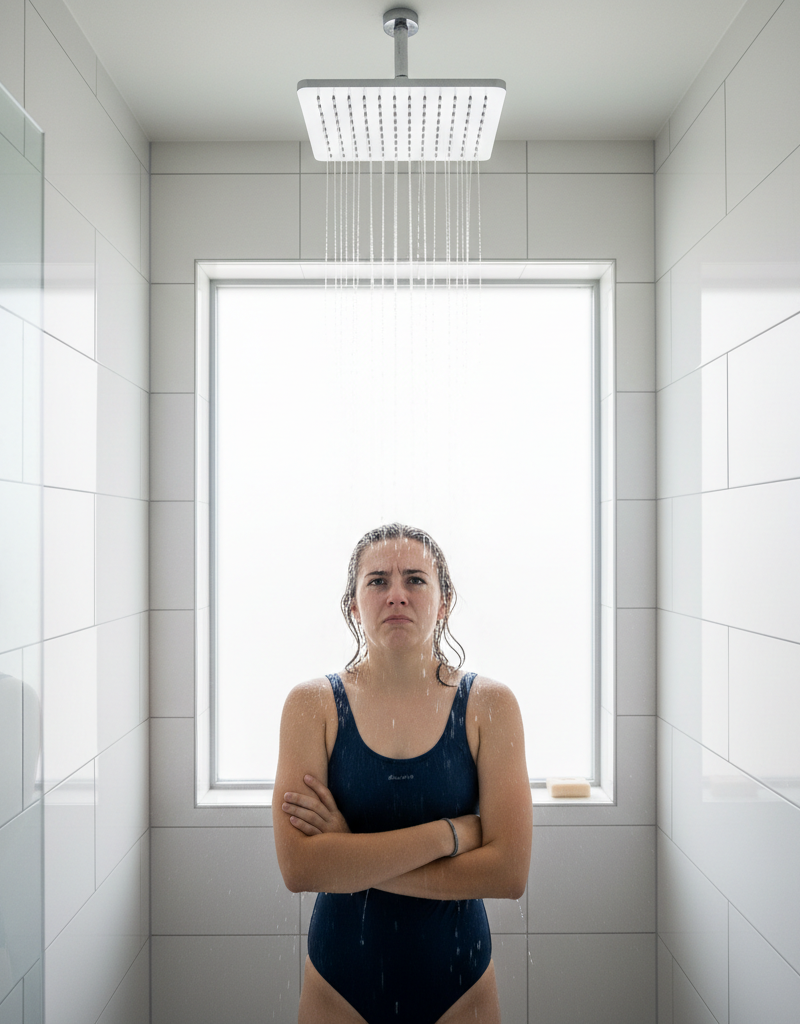
It's a scenario that ruins any morning: You step into the shower, expecting a long, relaxing stream of hot water. For the first five minutes, everything is perfect. Then, you notice the temperature starting to drop. You nudge the handle hotter, buying another minute or two. But the inevitable happens—the water turns lukewarm, then uncomfortably cool, and finally, shockingly cold. You’re left shivering, soapy, and frustrated. This isn’t about running out of hot water after multiple people have showered; this is about your hot water supply vanishing in a fraction of the time it used to last.
How It Works
Your standard tank-style water heater is a simple, effective machine, but its components are critical to your comfort. It’s essentially an insulated cylindrical tank full of water with a heating mechanism. For a gas heater, a burner at the bottom kicks on when the water temperature drops. For an electric model, one or two heating elements inside the tank do the job. The thermostat is the brain, constantly monitoring the water temperature and telling the heating source when to turn on and off.
When you turn on a hot tap, cold water enters the tank through a dip tube, a long plastic pipe that directs the incoming cold water to the bottom of the tank, near the heating source. This is a crucial step. It forces the colder, denser water to stay at the bottom to be heated, while the hottest, lightest water remains at the top, ready to be drawn into your home’s hot water pipes. Without this simple piece of plastic, the incoming cold water would immediately mix with the hot water at the top, drastically reducing the temperature of the water sent to your shower. An anode rod inside the tank sacrifices itself to corrosion, protecting the steel tank from rusting out. Understanding this process is key to diagnosing why your shower goes cold.
Step-by-Step Fix: Flushing Your Water Heater
Sediment buildup is the number one cause of rapid hot water loss. Minerals from the water supply settle at the bottom of the tank, creating a thick, insulating layer. This layer covers the burner or lower heating element, forcing it to work much harder and less efficiently. It also physically displaces water, reducing your tank's actual hot water capacity. Flushing the tank is a job most homeowners can tackle in an hour or two.
SAFETY NOTE: This process involves very hot water. Wear gloves and safety glasses, and ensure the drain area can handle high temperatures. Never leave the draining process unattended. If you have a gas water heater, know how to safely relight the pilot light if necessary (most modern heaters have automatic ignition).
-
Gather Your Tools & Materials — Before you begin, collect a garden hose (at least 10 feet long), a bucket, channel-lock pliers or a wrench, a flathead screwdriver, work gloves, and safety glasses.
-
Turn Off the Power or Gas — This is the most critical safety step. For an electric water heater, go to your breaker box and shut off the circuit breaker dedicated to the water heater. For a gas water heater, turn the thermostat dial on the gas control valve to the "Pilot" or "Off" position. Never drain a water heater with the heating elements or burner active, as this can damage them catastrophically.
-
Shut Off the Cold Water Supply — Find the cold water pipe leading into your water heater. There will be a shutoff valve, usually a handle or wheel. Turn it clockwise until it is firmly closed. This stops new water from entering the tank as you drain it.
-
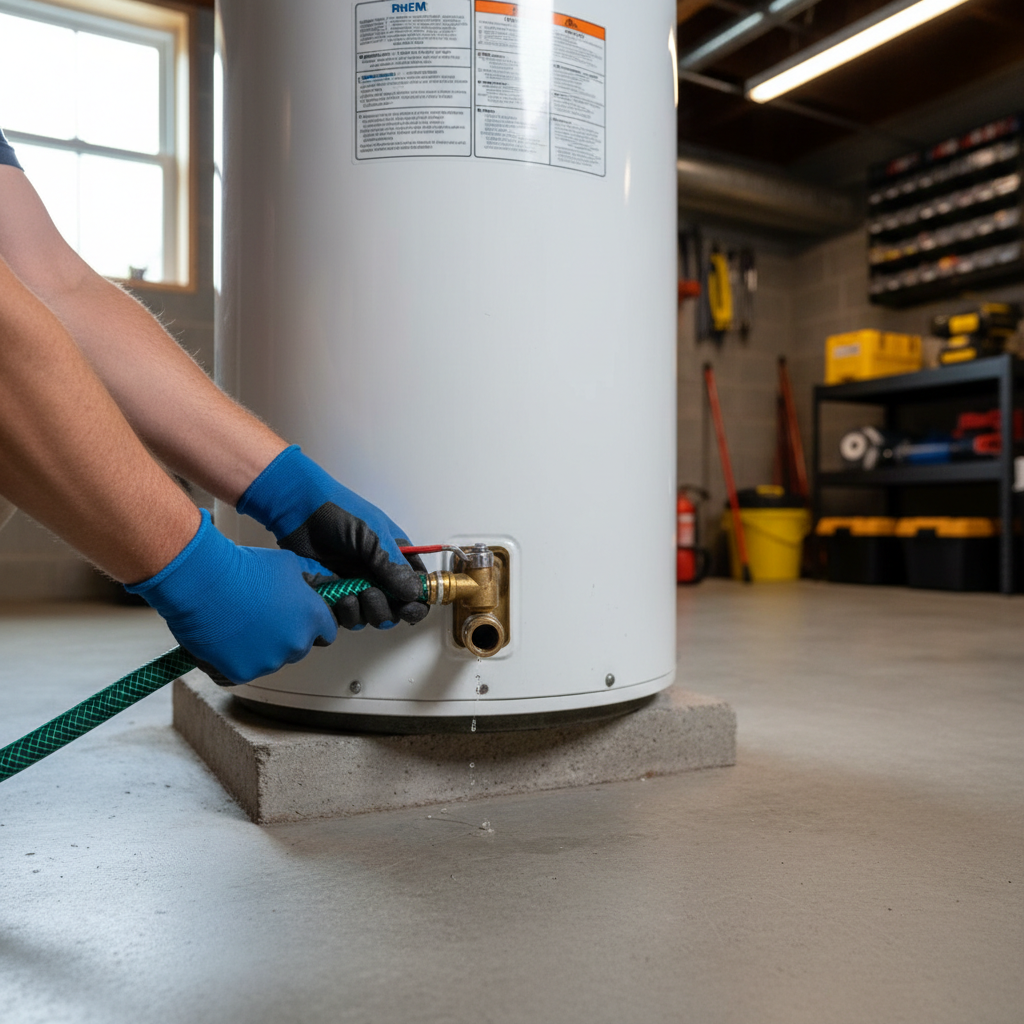
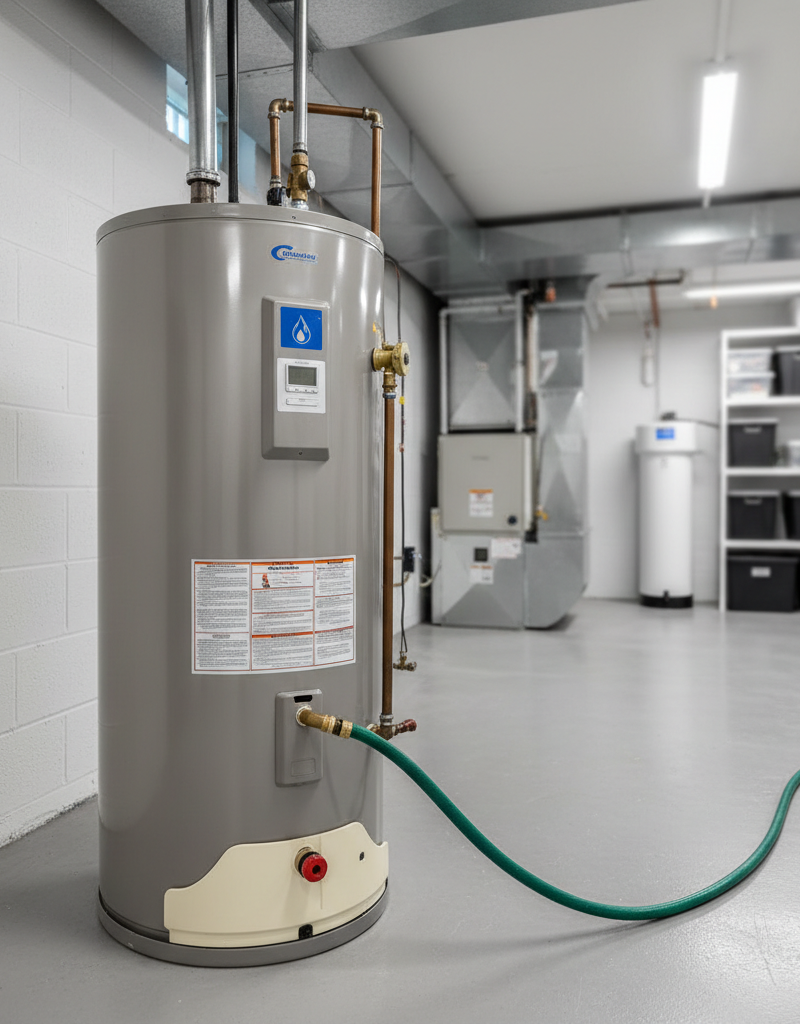
Set Up Your Drain Hose — Attach one end of your garden hose to the drain valve spigot located at the bottom of the water heater. Place the other end in a floor drain, utility sink, or run it outside to an area that won't be damaged by hot water and sediment. Make sure the end of the hose is at a lower level than the drain valve.
-
Open the Drain Valve and a Hot Water Tap — Open the drain valve on the water heater; you may need pliers for this. Then, go to a sink or tub nearby and open the hot water tap. You'll hear a gurgling sound. This allows air to enter the system, breaking the vacuum and letting the water drain freely.
-
Flush the Tank — Let the tank drain completely. The first few gallons might be discolored, rusty, or have visible sediment particles. This is normal. To get a better flush, you can briefly open and close the cold water supply valve a few times. This will stir up the sediment at the bottom and help it flow out the drain hose.
-
Close the Drain Valve and Refill — Once the water runs clear and the tank is empty, close the drain valve at the bottom of the heater. Leave the hot water tap open at your nearby sink. Now, go back to the cold water supply valve and turn it on. You will hear the tank start to fill.
-
Check for Leaks — As the tank begins to fill, quickly inspect the drain valve and any other fittings you touched to ensure there are no leaks.
-
Purge Air from the Lines — Keep that hot water tap open at the sink. At first, it will just hiss and spit air. Once a steady, full stream of cold water is flowing out, all the air has been purged from the tank and the lines. You can now close that tap.
-
Restore Power and Test — Now it's safe to restore power. For an electric heater, turn the breaker back on. For a gas heater, turn the control knob back to the "On" or original temperature setting and ensure the pilot light is lit. Wait 30-60 minutes for the water to heat up, then test a tap to see if you have hot water.
Common Causes
- Sediment Buildup: As explained, this is the most frequent offender. It reduces tank capacity and insulates the heating mechanism, leading to less available hot water.
- Broken Dip Tube: The dip tube is a plastic pipe that directs cold water to the bottom of the tank. Over time, these can become brittle and break. A broken dip tube will dump cold water in at the top of the tank, where it immediately mixes with the hottest water, which is then sent to your shower. The result is a very sudden loss of hot water.
- Malfunctioning Thermostat(s): Your water heater has at least one thermostat. Electric models often have two (upper and lower). If a thermostat fails, it may not signal the heater to turn on, or it may turn it off prematurely, resulting in a tank of lukewarm water.
- Undersized Water Heater: If you have a growing family, or recently installed a large soaking tub or high-volume showerhead, your water heater might simply be too small for your household's demand. A 40-gallon tank can feel inadequate if multiple people shower in a row.
- High-Flow Showerhead: An older showerhead can use 3 to 5 gallons of water per minute (GPM). A modern, low-flow head uses 1.5 to 2.5 GPM. Switching can nearly double your shower time.
- "Crossed" Plumbing Connection: In rare cases, a failed faucet cartridge or a mistake in a recent plumbing repair can create a "bridge" between the hot and cold water lines, allowing cold water to bleed into the hot system and cool it down.
Common Mistakes
- Forgetting to Shut Off Power/Gas: This is the most dangerous mistake. Draining the tank while the heating elements or burner are on will cause them to burn out in seconds, potentially damaging the tank itself. Always power down first.
- Scalding by Compensating with Temperature: Do not crank your water heater's thermostat up to 140°F or higher to compensate for short-lived hot water. This is a dangerous scalding hazard (especially for children) and will only accelerate wear and tear on your tank.
- Not Opening a Hot Water Tap: Forgetting to open a hot tap in the house will create a vacuum in the tank, preventing it from draining properly. It will just trickle out slowly until you let air in.
- Draining into the Wrong Place: That initial burst of water is very hot. Draining directly onto a lawn can kill the grass. Draining into a porcelain sink can cause thermal shock and crack it. A floor drain or utility sink is best.
- Starting It Up Dry: Restoring power or gas to an empty or partially filled tank will destroy the upper heating element in an electric model and can cause serious damage in a gas model.
- Ignoring a Leaking Drain Valve: After flushing, if the drain valve drips, don't ignore it. It may need to be tightened or replaced. A small, constant leak wastes water and can cause damage over time.
Cost & Time Breakdown
| Task | DIY Cost | Pro Cost | Time |
|---|---|---|---|
| Flush Water Heater | $15-$30 (for a hose) | $150 - $300 | 1-2 hours |
| Replace Dip Tube | Not recommended for DIY | $175 - $350 | 1-2 hours |
| Replace Electric Thermostat | Not recommended for DIY | $200 - $450 | 1-2 hours |
| Replace Gas Control Valve | Not recommended for DIY | $350 - $600 | 2-3 hours |
| Install New 40-50 Gallon Tank | Not a DIY job | $1,200 - $2,500+ | 3-5 hours |
Tips & Prevention
- Flush Annually: Make flushing your water heater a yearly home maintenance ritual. If you have very hard water (high mineral content), consider doing it twice a year.
- Check Your Anode Rod: Every 2-3 years, have a plumber check the anode rod. This "sacrificial" rod attracts corrosive elements. Once it's gone, the tank itself starts to corrode. A $50 anode rod replacement can add years to your water heater's life.
- Install a Water Softener: If you live in an area with very hard water, investing in a whole-home water softener is the best long-term solution to prevent sediment issues in all of your plumbing and appliances.
- Upgrade Your Showerhead: Check your showerhead's flow rate (it's often printed on the face). If it's over 2.5 GPM, switching to a modern, efficient head will save water, energy, and extend your hot showers.
- Insulate Your Pipes: Wrapping your hot water pipes with foam insulation can reduce heat loss as the water travels from the heater to your shower, keeping it hotter for longer.
- Consider Tankless: When it's time to replace your unit, look into a tankless water heater. They heat water on demand, so you literally cannot run out of hot water.
When to Call a Professional
While flushing the tank is a manageable DIY job, you should call a licensed plumber if you encounter any of the following situations:
- Flushing Doesn't Help: If you've thoroughly flushed the tank and your hot water supply is still disappointingly short, the problem is likely a broken dip tube or a faulty thermostat.
- You Suspect a Dip Tube Issue: Replacing a dip tube involves disconnecting plumbing lines and can be tricky. It's a relatively quick and inexpensive job for a professional.
- Electrical or Gas Issues: Never attempt to service gas lines or the electrical components of your water heater yourself. A mistake could lead to a gas leak, fire, or electrical shock. If you suspect a bad thermostat, heating element, or thermocouple, this is always a job for a pro.
- The Unit is Leaking: If you see water pooling around the base of your water heater, it’s often a sign that the tank itself has failed. Shut off the water and power and call a plumber immediately to schedule a replacement.
Frequently asked questions
Can sediment buildup really cause my hot water to run out so fast?+
Yes, absolutely. A thick layer of mineral sediment at the bottom of the tank physically displaces several gallons of water, reducing your tank's capacity. It also acts as an insulator, preventing the burner or heating element from efficiently heating the water, leading to a much shorter supply of hot water.
How often should I flush my water heater?+
It's recommended to flush your water heater at least once per year as part of regular home maintenance. If you live in an area with particularly hard water, you may benefit from flushing it every six months to prevent significant sediment accumulation.
Is it safe to turn my water heater's temperature up to get more hot water?+
No. The Department of Energy recommends a setting of 120°F for both safety and efficiency. Setting it higher significantly increases the risk of scalding, which can happen in seconds. It's a dangerous workaround that doesn't fix the underlying problem of sediment or a failing part.
What's the difference between a broken dip tube and sediment?+
Sediment buildup usually causes a gradual decrease in hot water over time. A broken dip tube often causes a more sudden and dramatic change. If your hot water supply seemed to fall off a cliff one day, the dip tube is a primary suspect. It dumps cold water at the top of the tank, mixing it with the outgoing hot water, giving you lukewarm water almost immediately.
Discussion
Loading comments…