Tools & materials you'll need
Affiliate linksAs an Amazon Associate FixlyGuide earns from qualifying purchases — at no extra cost to you. Prices and availability are accurate as of publication and subject to change.
Quick Answer
If your once-long showers now turn cold in minutes, the issue is almost certainly inside your water heater. The two most common culprits are a broken dip tube that causes incoming cold water to mix immediately with outgoing hot water, or a thick layer of mineral sediment at the bottom of the tank that displaces gallons of water and smothers the heating mechanism.
The Problem
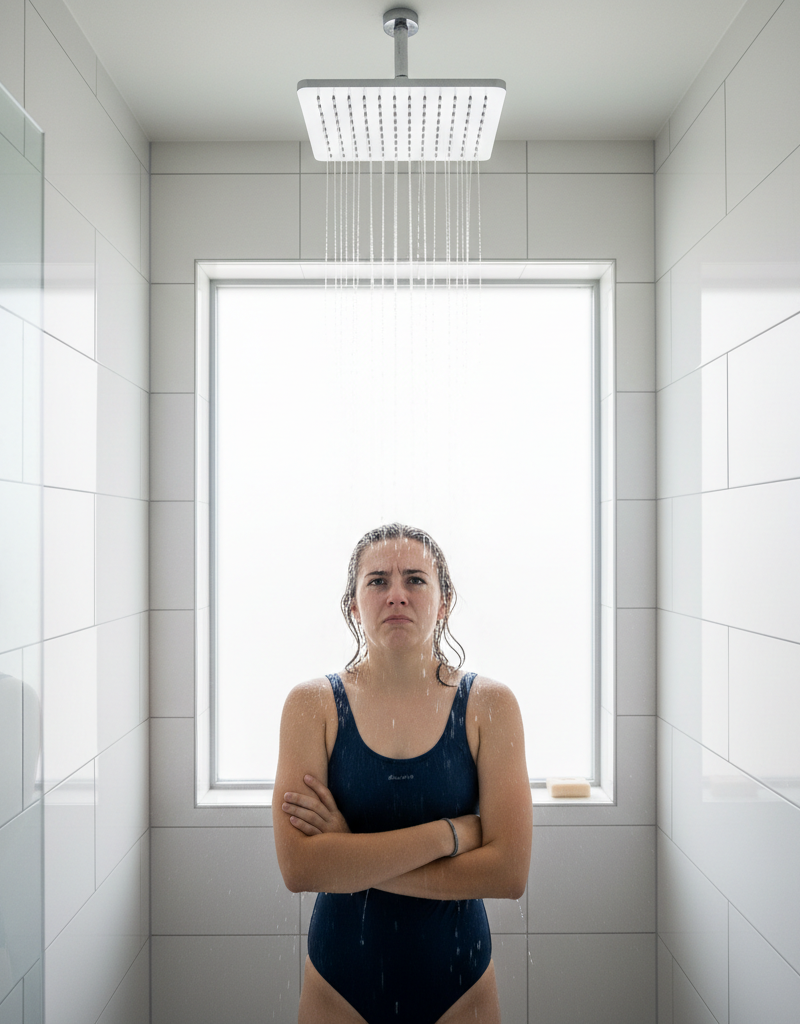
It’s a frustratingly familiar scene. You step into the shower, enjoying the steaming hot water, and then, far sooner than you expect—maybe in just five or ten minutes—the water begins its inevitable slide to lukewarm. You frantically crank the handle toward hot, but it’s no use. The pleasant warmth fades to a chilly spray, and your relaxing shower comes to an abrupt, uncomfortable end. It seems to happen faster in the winter, and you’re certain that your showers used to last much longer. You haven't changed the showerhead, and your family's water usage hasn't drastically increased. So what gives? The available hot water in your home seems to have vanished, and you’re left wondering if the water heater itself is failing. This isn't just an inconvenience; it's a clear signal that something inside your water heater needs attention before the problem gets worse, potentially leaving you with no hot water at all.
How It Works
A conventional tank-style water heater is a simple, effective machine designed around a basic principle of physics: heat rises. The unit is essentially a large, insulated steel tank that holds anywhere from 30 to 80 gallons of water. At its core is a heating mechanism. In a gas heater, a burner at the bottom of the tank heats the water directly, with exhaust gases vented out through a chimney. In an electric model, one or two heating elements—one near the bottom and one in the middle or top—extend into the tank to heat the surrounding water.
Crucially, two pipes enter the top of the tank. The hot water outlet pipe draws water from the very top of the tank, where the hottest water naturally stratifies. The cold water inlet pipe, however, connects to a long plastic tube called the dip tube. This tube directs the incoming cold water all the way to the bottom of the tank, near the heating source. This setup is the secret to a long, hot shower. It ensures that the cold replacement water doesn’t immediately mix with the ready-to-use hot water at the top, allowing you to draw off a steady supply. A thermostat monitors the water temperature and cycles the burner or elements on and off to maintain the set temperature, typically between 120°F and 140°F.
A Note on Safety
This guide involves working with a water heater. Always prioritize safety. Turn off the electricity to the unit at your circuit breaker panel (for electric heaters) or switch the gas control valve to "PILOT" or "OFF" (for gas heaters) before starting any work. Water inside the tank can be scaldingly hot. Wear gloves and safety glasses.
Step-by-Step Fix: Flushing Sediment From Your Tank
One of the leading causes of diminished hot water capacity is sediment buildup. This procedure will flush those minerals out, restoring lost volume and improving efficiency.
-
Stop the Heat — For an electric water heater, go to your home’s breaker panel and shut off the circuit breaker dedicated to the water heater. For a gas water heater, rotate the gas control knob on the unit from "ON" to the "PILOT" or "OFF" position.
-
Stop the Water — Locate the cold water supply pipe leading into your water heater. There will be a shutoff valve on this pipe, often a lever-style ball valve or a multi-turn gate valve. Turn this valve clockwise until it is fully closed. This prevents new water from entering the tank.
-
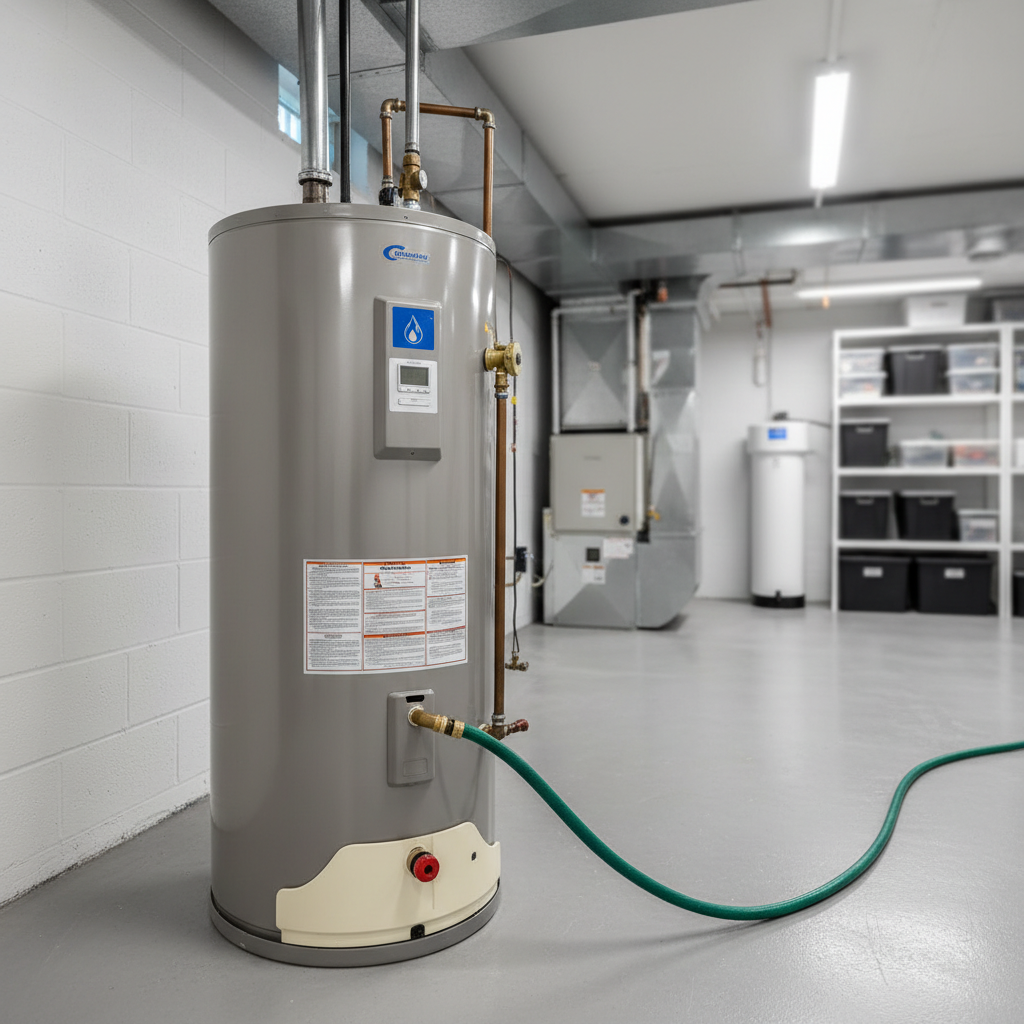
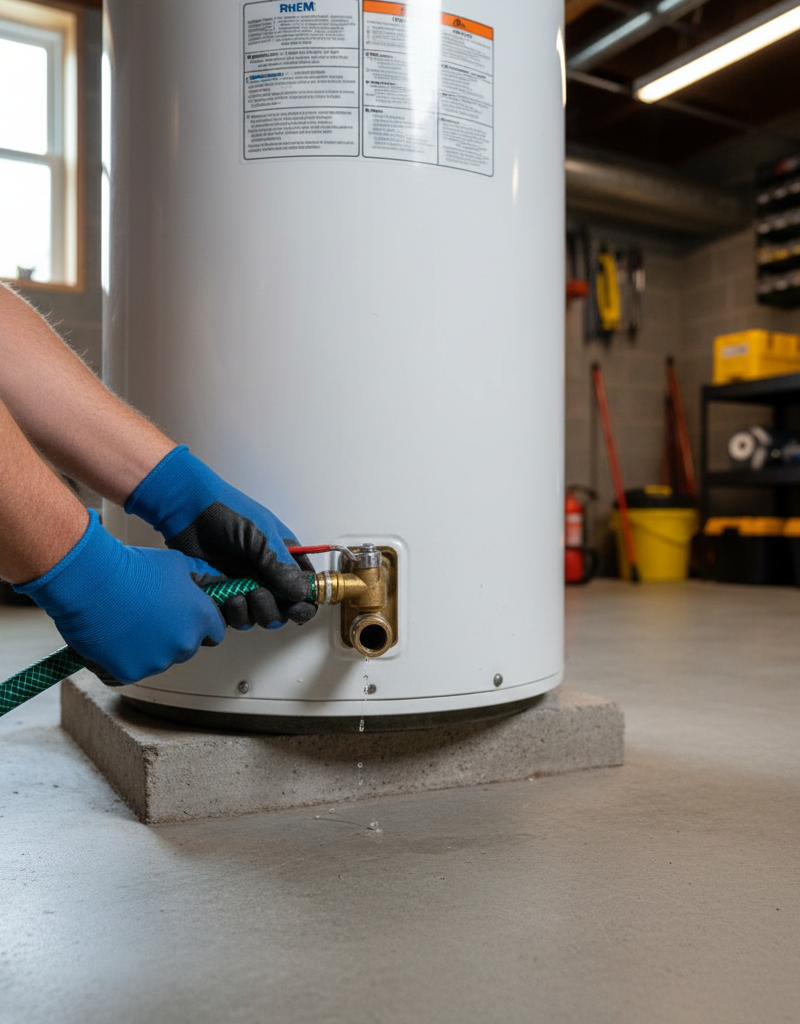
Get Ready to Drain — Attach a standard garden hose to the drain valve located near the bottom of the water heater tank. Run the other end of the hose to a floor drain, a utility sink, or outside to an area where hot, rusty water won’t cause damage. Ensure the end of the hose is downhill from the tank.
-
Let Air In — To allow water to drain freely, you must break the vacuum inside the tank. Go to the nearest sink in your home and turn the hot water handle to the full "ON" position. You can also lift the lever on the Temperature and Pressure (T&P) relief valve on the water heater itself, but be cautious as hot water may sputter out.
-
Open the Drain Valve — Using pliers or a flathead screwdriver (depending on the valve type), slowly open the drain valve at the bottom of the tank where you connected the hose. The water will begin to flow out. It may appear discolored, rusty, or have small white or sandy particles in it. This is the sediment you want to remove.
-
Stir Up Sediment — Let the tank drain completely. To get the most sediment out, you can "scour" the bottom. With the drain valve still open, briefly open the cold water supply valve for 15-20 seconds a few times. This will blast water into the bottom of the tank, stirring up stubborn sediment and pushing it out the drain hose.
-
Close Up and Disconnect — Once the water runs clear, close the drain valve at the bottom of the tank completely. Then, turn off the hot water faucet at the sink you opened earlier. Unscrew the garden hose from the drain valve. Be prepared for a little water to spill out of the hose.
-
Begin Refilling — Slowly reopen the cold water supply valve. You will hear water flowing back into the tank. Leave it fully open.
-
Purge the Air — Go back to that same sink faucet and leave the hot water side open. At first, it will just hiss and spit air. Once you have a full, steady stream of water coming out, the tank is full and the air has been purged from the system. You can now turn off that sink faucet and check other faucets in the house briefly.
-
Restart the Heat — Only when you are certain the tank is completely full, it is safe to restore power. For an electric heater, flip the breaker back on. For a gas heater, return the control knob to the "ON" position and relight the pilot if necessary, following the manufacturer’s instructions printed on the unit.
-
Wait and Test — It will take 30-60 minutes for the water to get hot again. Once it’s heated, test your shower. You should notice a significant improvement in how long the hot water lasts.
Common Causes
If flushing the tank didn't solve the issue, or if you want to understand the full range of possibilities, here are the most common reasons for suddenly short showers:
- Sediment Buildup: This is the number one offender. Over years, minerals like calcium and magnesium naturally present in your water supply settle at the bottom of the tank. This thick layer of sediment does two bad things: it physically displaces several gallons of water (a 50-gallon tank might only hold 40 gallons), and it insulates the water from the heating source, forcing it to work harder and less effectively.
- Broken Dip Tube: This is the secret culprit that many homeowners miss. The plastic dip tube that forces incoming cold water to the bottom of the tank can become brittle over time, cracking or breaking off. When this happens, cold water comes in and immediately mixes with the hot water at the top of the tank, which is then sent to your shower. The result is a tank full of lukewarm water and a tragically short shower.
- Failed Lower Heating Element (Electric Heaters): Electric water heaters have two elements. The bottom element does most of the primary heating. The top element maintains the temperature at the top of the tank for immediate use. If the bottom element fails, only the top third of the tank gets heated. You’ll get a short blast of hot water, which is quickly followed by cold water as the unheated water from the bottom of the tank is drawn up.
- Faulty Gas Valve or Thermocouple (Gas Heaters): In a gas heater, a malfunctioning thermostat or a failing thermocouple (the safety sensor that detects the pilot light) can cause the burner to shut off prematurely or not fire as long as it should. This prevents the water in the tank from ever reaching its target temperature, leading to a smaller supply of truly hot water.
- Thermostat Set Too Low: Sometimes the solution is simple. If your thermostat is set below 120°F, you simply won't have very hot water to begin with. You’ll have to mix in less cold water at the shower, causing you to use up the tank’s volume faster. The Department of Energy recommends a setting of 120°F for a good balance of safety and performance.
- Undersized Water Heater: If the problem has always existed, especially since you moved in or installed a new showerhead, your water heater may simply be too small for your needs. A "rain" showerhead can have a flow rate of 5 gallons per minute (GPM), which would drain a 40-gallon tank in just 8 minutes.
Common Mistakes
When tackling a hot water issue, avoid these common errors that can be ineffective or downright dangerous:
- Cranking the Thermostat to Maximum: Seeing the water isn't hot enough, many people immediately turn the thermostat up to 140°F or higher. This is a significant scalding hazard, especially for children, and it only masks the underlying problem. It also accelerates mineral buildup and stresses the tank.
- Forgetting to Turn Off Power Before Draining: This is critical for electric water heaters. If the tank is drained and the power is still on, the upper heating element can be exposed to air. This will cause it to burn out in seconds, a situation known as "dry firing."
- Attempting Complex Electrical or Gas Repairs: While flushing a tank is a great DIY job, replacing heating elements, thermostats, or gas control valves is not. Electric element replacement involves high voltage and a risk of lethal shock. Gas valve work, if done incorrectly, can lead to gas leaks, fire, or even an explosion.
- Not Opening a Faucet When Draining: If you don't allow air to enter the tank by opening a hot water tap somewhere in the house, the tank will be in a vacuum state and will drain incredibly slowly, if at all.
- Ignoring the Anode Rod: This sacrificial component attracts corrosive elements in the water to protect the tank lining. Once it's depleted, the tank itself will begin to rust out. Ignoring it for years is a top cause of premature tank failure and leaks.
Cost & Time Breakdown
Here’s what to expect in terms of cost and time for fixing your hot water issues.
| Task | DIY Cost | Pro Cost | Time Commitment |
|---|---|---|---|
| Water Heater Flush | $0 - $15 (for a new hose) | $150 - $250 | 2 hours |
| Dip Tube Replacement | $15 - $30 (part + sealant) | $175 - $300 | 2-3 hours |
| Lower Element Replacement | $25 - $50 (part + tool) | $200 - $400 | 1-2 hours (Pro) |
| Thermocouple Replacement (Gas) | $10 - $20 (part only) | $150 - $250 | 1 hour (Pro) |
| New 50-Gallon Water Heater | N/A | $900 - $2,000 (installed) | 3-5 hours (Pro) |
Tips & Prevention
Keep your water heater running efficiently for years to come with these preventative tips:
- Flush Annually: Perform the sediment flush described above at least once a year. If you have very hard water, do it every six months.
- Check the Anode Rod: Every 2-3 years, have a pro check the anode rod. It’s a cheap part to replace that can add 5+ years to the life of your water heater.
- Insulate Your Pipes: Wrap the first six feet of hot and cold water pipes connected to the heater with foam pipe insulation. This reduces "standby heat loss," saving energy and delivering hotter water to your faucet.
- Install Low-Flow Fixtures: A modern, efficient showerhead (1.8-2.0 GPM) can feel just as powerful as an old water-guzzling one but will nearly double the length of your shower by using less hot water per minute.
- Know Your Heater's Age: The first four numbers of your water heater’s serial number usually represent the month and year of manufacture (e.g., 0318 is March 2018). If your unit is over 10-12 years old, start budgeting for a replacement before it fails catastrophically.
When to Call a Professional
While flushing your tank is a manageable DIY task, many water heater problems require a licensed professional. Your safety is not worth a small monetary savings. Do not hesitate to call a plumber if you encounter any of the following situations:
- You smell gas or suspect a gas leak. Turn off the gas supply immediately and call your gas company and a plumber.
- You see significant leaking from the tank itself (not the drain valve). This usually means the tank has rusted through and requires immediate replacement.
- The DIY flush does not solve the problem. This points to a more complex issue like a broken dip tube or failed heating component.
- You are not comfortable or confident working with your home’s plumbing, gas, or electrical systems.
Specifically, replacing electric heating elements (which carry a 240V shock risk) or servicing any part of a gas burner and control assembly are jobs that should only be performed by a qualified professional. They have the diagnostic tools, experience, and safety training to do the job correctly and ensure your system operates safely for years to come.
Frequently asked questions
Why does my hot water run out in the shower but not the sink?+
Showerheads typically have a much higher flow rate (gallons per minute) than a sink faucet. This high-demand use depletes the hot water stored in your tank much faster, making the problem more noticeable during a shower.
Could a new showerhead cause my hot water to run out faster?+
Absolutely. If you recently installed a high-flow 'rain' or 'spa' showerhead, it could be using water at a much faster rate than your old one. This increased demand will drain your hot water tank more quickly, leading to shorter showers.
How long should a 50-gallon water heater last for a shower?+
A properly functioning 50-gallon water heater can typically provide about 12-16 minutes of continuous showering with a standard 2.5 GPM (gallons per minute) showerhead. If you're getting significantly less time, it's a strong indicator of a problem like sediment buildup or a broken dip tube.
Is it worth it to repair an old water heater?+
If your water heater is more than 10 years old and requires a repair costing more than a few hundred dollars, it's often more cost-effective to replace the entire unit. A new heater will be more energy-efficient and comes with a new warranty, saving you from future repair calls.
Discussion
Loading comments…