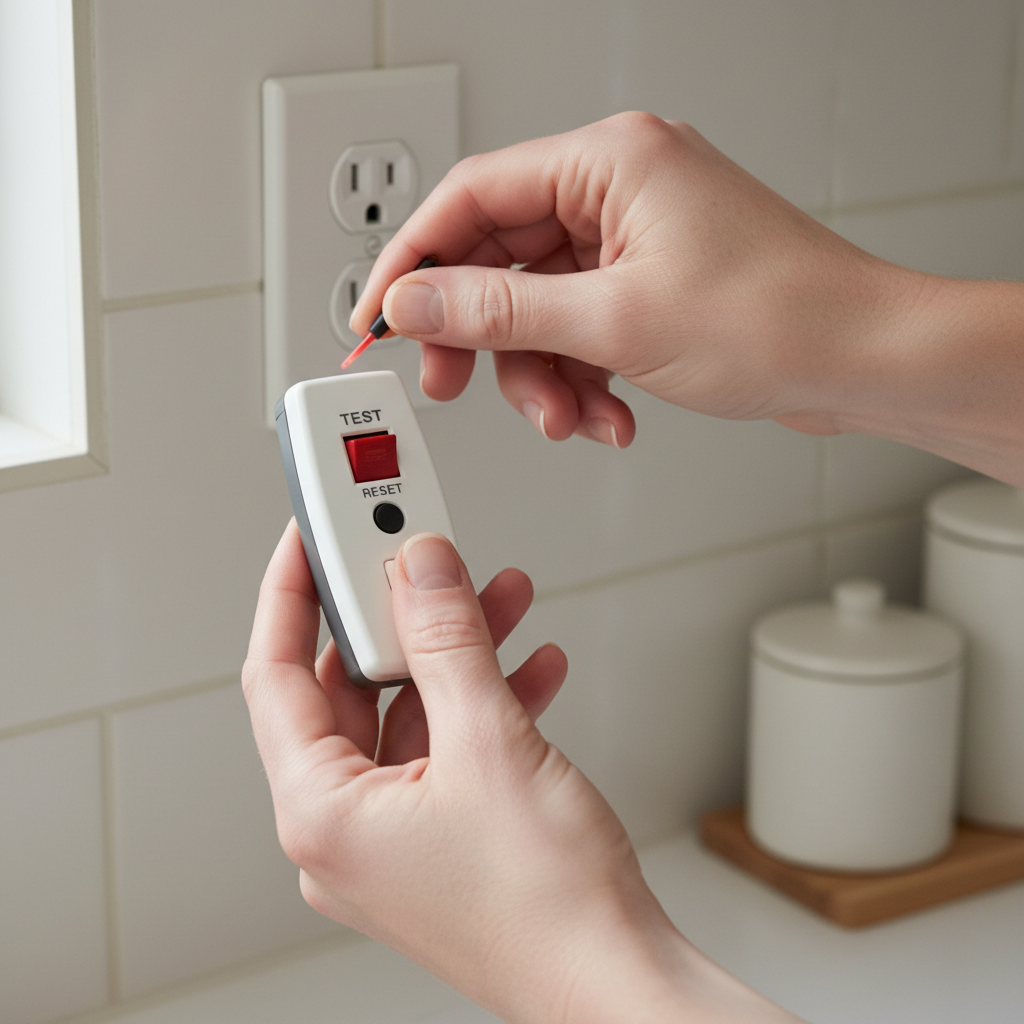
Tools & materials you'll need
Affiliate linksAs an Amazon Associate FixlyGuide earns from qualifying purchases — at no extra cost to you. Prices and availability are accurate as of publication and subject to change.
Quick Answer
A persistently tripping GFCI outlet is a critical safety warning. It's not a defect in the outlet but rather its protective function kicking in, signaling an imbalance in the electrical current. This imbalance often points to a ground fault, where electricity is taking an unintended path to the ground, potentially through a person. Common culprits behind these trips include moisture, a faulty appliance, or loose/damaged wiring within the circuit. Diagnosing and resolving the issue typically involves systematically checking connected devices and the outlet itself, often leading to a straightforward fix that restores safety and power.
The Problem
You plug in your hairdryer, flip the switch, and click—darkness. Or perhaps you're using a power tool in the garage, and mid-project, the outlet goes dead after that telltale "pop." This frustrating scenario is the reality for many homeowners dealing with a GFCI outlet that keeps tripping. While inconvenient, a tripping GFCI is doing exactly what it's designed to do: prevent serious electrical shock and potential fires. The problem isn't usually with the GFCI outlet itself, but with an underlying electrical issue it's detecting. Ignoring it or repeatedly resetting it without addressing the root cause is extremely dangerous. Understanding why it trips is the first step towards a safe and lasting solution.
How It Works
A Ground Fault Circuit Interrupter (GFCI) outlet is a sophisticated safety device designed to protect you from severe electrical shocks. Unlike a standard circuit breaker, which primarily protects wiring from overcurrent, a GFCI specifically monitors the flow of electricity along the "hot" and "neutral" wires. In a healthy circuit, the current flowing out on the hot wire should exactly match the current returning on the neutral wire.
Inside the GFCI outlet are sensitive current transformers that continuously compare these two currents. If there's even a tiny difference—as little as 5 milliamps (mA)—it indicates that some electricity is "leaking" out of the intended circuit and finding an alternative path to ground. This alternative path is called a "ground fault." A ground fault can happen if, for example, a bare wire touches a metal appliance casing, or if water creates a conductive path between a live wire and the ground.
When a GFCI detects this imbalance, it acts incredibly fast—within milliseconds—to shut off the power to the protected circuit. This rapid response is crucial because it can prevent a fatal electrical shock, especially in areas where water is present, such as kitchens, bathrooms, garages, and outdoors. Though seemingly a nuisance, each trip is a successful intervention against a potentially hazardous situation. Understanding this mechanism reinforces why troubleshooting, rather than just resetting, is vital.
Step-by-Step Fix
Safety First! Before touching any electrical components, always turn off the power to the affected circuit at your home's main electrical panel. Verify power is off with a non-contact voltage tester.
-
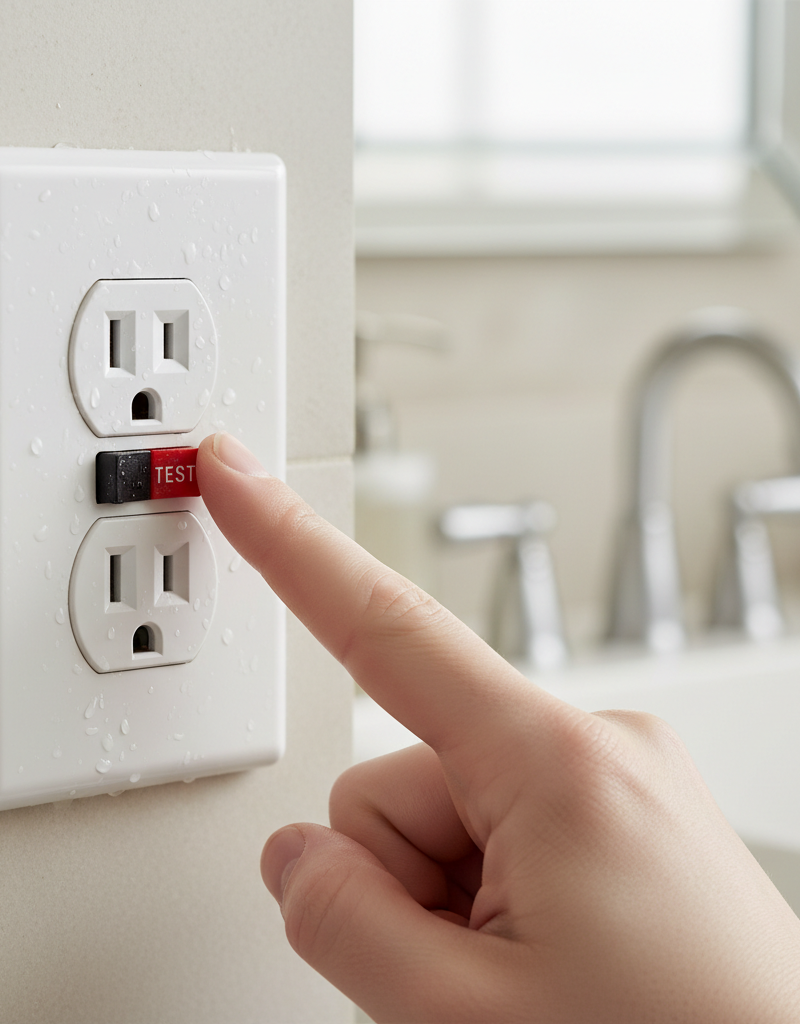
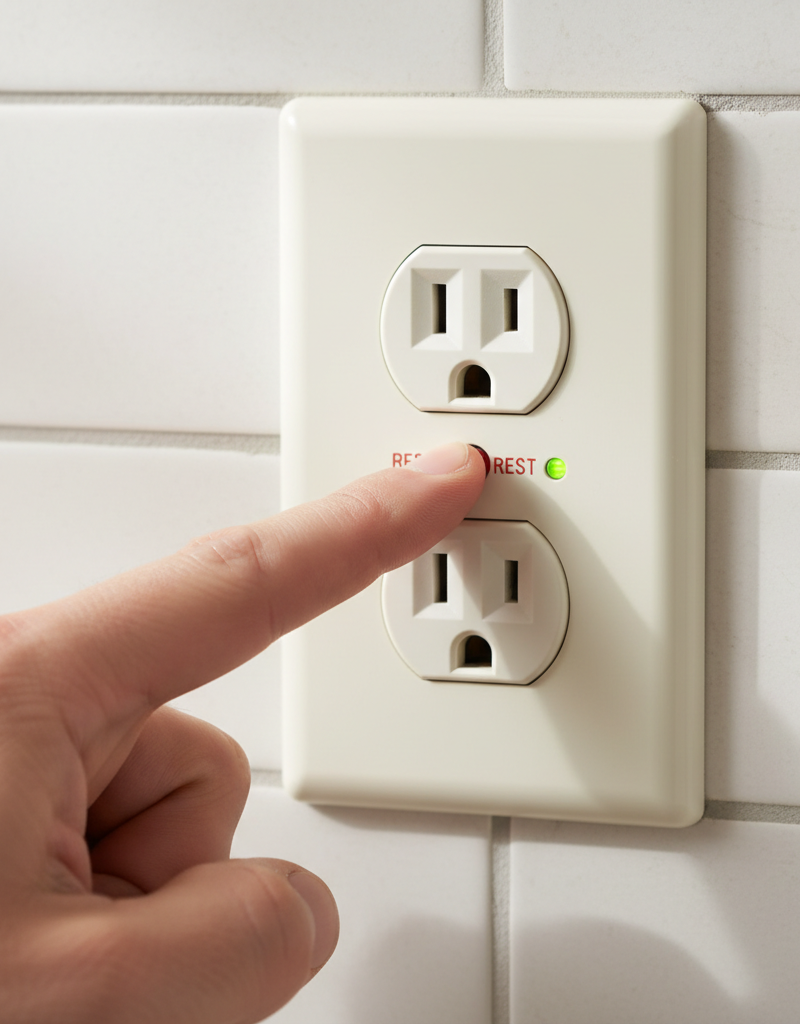
Identify the Affected Circuit – Find the tripped GFCI (it often has a noticeable "TEST" and "RESET" button). Unplug everything connected to that GFCI outlet and any other outlets downstream (protected by) that GFCI.
- Tip: If the GFCI outlet is easily accessible, press the "RESET" button. If it resets, the fault is likely with an appliance. If it doesn't, the fault might be with the GFCI itself or the wiring.
-
Test the GFCI Alone – With all appliances unplugged, try resetting the GFCI. If it still won't reset, or trips immediately, the problem is either with the GFCI outlet itself or its wiring. If it resets, proceed to the next step.
-
Isolate the Faulty Appliance – If the GFCI resets with nothing plugged in, plug in one appliance at a time and test. Start with low-power devices. If the GFCI trips when a specific appliance is plugged in or turned on, that appliance is the culprit.
- If this doesn't work: Test the suspected appliance on a known working, non-GFCI outlet (with caution, as it could be faulty) to confirm. If it still trips, the appliance is likely defective. Replace or repair the appliance.
-
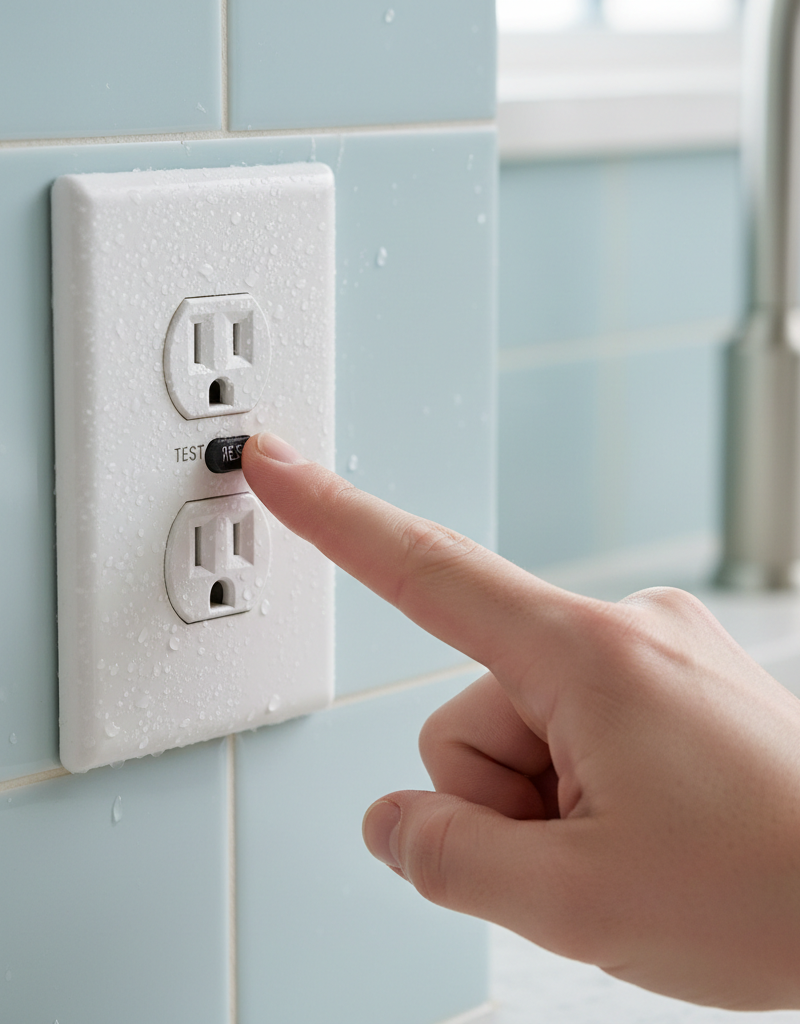
Check for Moisture – GFCI outlets are often located in damp environments. If you've had recent rain, a plumbing leak, or excessive humidity, moisture could be causing the trip. Ensure outdoor or bathroom outlets have proper weather-resistant covers.
- What to do: Unplug everything, let the area dry out for 24-48 hours. If the GFCI then works, moisture was the cause. Consider better shielding or sealing for the outlet.
-
Inspect the Outlet and Wiring (Power OFF) – If the GFCI trips with nothing plugged in, and moisture isn't the issue, the problem might be internal. With the power definitively off at the breaker, carefully remove the GFCI outlet from its electrical box.
- Tools: Screwdriver, non-contact voltage tester.
- Safety: Always wear insulated gloves. Ensure no power is present before touching wires.
-
Look for Loose or Damaged Wires – Once the outlet is pulled out, visually inspect all wire connections. Look for loose wires, frayed insulation, or wires touching the metal box or each other where they shouldn't. Pay close attention to the "LOAD" and "LINE" terminals. Wires connected to "LOAD" should only supply downstream unprotected outlets, not the incoming power.
- What to do: Tighten any loose screw terminals. If insulation is damaged, wrap it with electrical tape or replace the wire section if severe. Ensure wire nuts are secure. If you're unsure about the wiring, call a licensed electrician.
-
Test the GFCI (Wiring Check) – After inspecting and tightening the wires, carefully re-install the GFCI into the box. Turn the power back on at the breaker and retry resetting the GFCI. If it still trips, the GFCI itself may be faulty.
-
Replace a Faulty GFCI Outlet – If all other troubleshooting fails, the GFCI unit itself is likely defective. With the power off, disconnect the wires from the old GFCI, noting exactly which wires were connected to "LINE" and "LOAD." Connect the new GFCI identically, ensuring "LINE" (incoming power) and "LOAD" (outgoing to other outlets) are correctly wired. Improper wiring of LINE and LOAD will cause instant trips.
- Materials: New GFCI outlet (matching amperage).
- Safety: Follow wiring diagrams closely. White wire to silver screw, black wire to brass/gold screw, bare copper/green wire to green ground screw.
Common Causes
- Moisture Intrusion: The most frequent cause for a GFCI trip, especially in kitchens, bathrooms, basements, or outdoor areas. Water or even high humidity can create a path for electricity to ground, triggering the GFCI. This could be anything from a leaky faucet, condensation, or direct water exposure to the outlet or an appliance.
- Faulty Appliance: An appliance plugged into the GFCI outlet (or any outlet downstream) that has an internal wiring issue, damaged cord, or even a heating element nearing the end of its life can cause a ground fault. This is why testing appliances individually is crucial.
- Damaged or Loose Wiring: Within the outlet box itself, or anywhere along the protected circuit, a loose connection, frayed wire, or damaged insulation can lead to a ground fault. Wires touching the metal outlet box, a loose neutral wire, or incorrect "LINE" and "LOAD" wiring can all cause a GFCI to trip.
- Overloaded Circuit: While GFCIs primarily detect ground faults, a heavily overloaded circuit might sometimes cause nuisance tripping, although this is more typically handled by a standard circuit breaker.
- Old or Defective GFCI Unit: Like any electrical component, a GFCI outlet can wear out or become defective over time, especially if it has tripped frequently. A faulty GFCI may trip without any actual ground fault present.
- Power Surges/Lightning: Extreme electrical events like lightning strikes or significant power surges can sometimes cause GFCIs to trip as a protective measure, or even damage the GFCI, leading to subsequent tripping.
Common Mistakes
- Ignoring the Trip: The biggest mistake is repeatedly resetting a GFCI without investigating the cause. This defeats its safety purpose and can lead to severe shock or fire hazards.
- Incorrectly Wiring LINE and LOAD: Many DIYers mix up the incoming "LINE" power wires with the "LOAD" wires that protect downstream outlets. Wiring these incorrectly will cause the GFCI to trip immediately upon reset or fail to provide downstream protection.
- Not Unplugging Everything: Failing to unplug all devices on the GFCI circuit before troubleshooting prevents proper isolation of the fault, making it impossible to identify if an appliance is the culprit.
- Assuming the GFCI is Bad First: While a GFCI can be faulty, it
Related Articles
Keep troubleshooting with these hand-picked guides from FixlyGuide:
- The Hidden Reason Your GFCI Trips (It's Not Always a Faulty Outlet) — A continuously tripping GFCI outlet is a critical safety warning, often indicating moisture, a faulty appliance, or a wiring problem that r…
- The Hidden Reason Your GFCI Trips (It’s Not Always a Bad Outlet) — A tripping GFCI outlet is a safety mechanism doing its job, often indicating a problem like moisture, a faulty appliance, or a wiring issue…
- The Hidden Reason Your GFCI Trips (and Why Most Homeowners Miss It) — A continuously tripping GFCI outlet is a safety warning, often signaling common but overlooked issues like moisture intrusion, appliance fa…
- The Hidden Reason Your GFCI Trips (It’s Not Always a Short Circuit) — A persistently tripping GFCI outlet is often a sign of a hidden electrical issue, frequently caused by moisture, a faulty appliance, or sub…
- 7 Hidden Equity Drains Costing You Thousands Annually — Your home is an asset, but silent problems like minor leaks, poor insulation, and deferred maintenance can drain its value. Discover the se…
- The Hidden Reason Your GFCI Won't Reset (And It's Not Always a Short) — Uncover the mysterious reasons your GFCI outlet refuses to reset and learn the exact steps to diagnose and fix the problem safely, preventi…
Get the print-ready PDF of this guide
A clean, ad-free, printable version you can keep on your phone or pin to the workshop wall. We'll also send occasional weekly tips matched to your home situation.
- Print-optimized layout
- Tools, materials & every step included
- Unsubscribe anytime
This article was independently written by FixlyGuide based on the source topic.
Frequently asked questions
How do I know if my GFCI outlet is bad?+
If your GFCI outlet consistently trips even after you've unplugged all appliances and checked for moisture and wiring issues, it's likely the GFCI unit itself is faulty and needs replacement.
Can a loose wire cause a GFCI to trip?+
Yes, a loose wire, especially a loose neutral wire or a hot wire touching the ground wire within the outlet box, can create a ground fault and cause the GFCI to trip.
Why does my outdoor GFCI outlet keep tripping in the rain?+
Outdoor GFCIs often trip in the rain due to moisture intrusion. Water can bridge electrical contacts, creating a ground fault. Ensure covers are weather-rated and properly installed, and consider upgrading to an in-use cover.
Can an old appliance cause a GFCI to trip?+
Absolutely. Older appliances often develop internal wiring issues or insulation breakdown over time, which can lead to current leakage and cause a GFCI to trip as a safety measure.
What is the difference between LINE and LOAD on a GFCI?+
'LINE' terminals are where the incoming power from your electrical panel connects. 'LOAD' terminals are for wires that extend to other standard outlets downstream, providing them with GFCI protection. Reversing these connections will cause the GFCI to trip or not provide proper protection.
Discussion
Loading comments…