Tools & materials you'll need
Affiliate linksAs an Amazon Associate FixlyGuide earns from qualifying purchases — at no extra cost to you. Prices and availability are accurate as of publication and subject to change.
Quick Answer
A persistently tripping GFCI outlet is a critical safety alert, not just an annoyance. It signals a ground fault – an unintended path for electricity to escape the circuit – which can lead to severe electrical shock. The most common culprits are moisture intrusion, a connected appliance with an internal fault, or deteriorated or incorrectly installed wiring within the electrical box or circuit. Diagnosing the exact cause often involves a systematic process of elimination, starting with disconnecting all devices and inspecting for visible damage or dampness.
The Problem
Imagine plugging in your trusty old hairdryer, and click, the outlet goes dead. Or perhaps after a heavy rain, the GFCI protecting your outdoor lights constantly trips. This isn't just a minor inconvenience; a GFCI that repeatedly trips is doing its job by interrupting power the instant it detects an electrical imbalance that could lead to a severe or even fatal shock. The problem for homeowners isn't just the loss of power, but the underlying safety hazard that the GFCI is bravely attempting to mitigate. Ignoring a tripping GFCI or repeatedly resetting it without investigating the root cause can expose you and your family to significant danger.
How It Works
Understanding how a GFCI operates is key to troubleshooting it. Standard electrical outlets have two main slots: a 'hot' slot (carrying current to the appliance) and a 'neutral' slot (carrying current back to the panel). There’s also a 'ground' hole for safety. A GFCI device, whether an outlet or a circuit breaker, adds a critical layer of protection. Inside a GFCI are sensitive current transformers that continuously monitor the outgoing current on the hot wire and the returning current on the neutral wire. In a healthy circuit, these currents should be identical. If the GFCI detects even a tiny difference—as little as 4 to 5 milliamperes (mA)—it means electricity is escaping the intended path, likely through a person who has accidentally touched a live wire, or through a damaged appliance casing. The GFCI reacts almost instantaneously, typically within 1/40th of a second, by tripping and cutting off power. This speed is crucial because it's faster than the human heart's electrical cycle, significantly reducing the risk of a fatal shock. This vital piece of safety equipment is mandated in areas where water is present, such as bathrooms, kitchens, garages, basements, and outdoor locations, precisely because water dramatically increases the risk of dangerous ground faults.
Step-by-Step Fix
Safety Note: Always turn off the power at your main electrical panel before working on any outlets or wiring. Use a non-contact voltage tester to confirm the power is off before touching any wires.
-
Isolate the Circuit Breaker — Your first step is to identify the circuit breaker controlling the GFCI outlet. Flip it to the OFF position. Even if the GFCI appears tripped, it's safer to kill power at the source. Use a circuit breaker finder if you struggle to identify the correct breaker. If this step gives you pause, consider contacting a professional.
-
Unplug Everything — Disconnect all appliances, lamps, and devices from the GFCI outlet and any other outlets on the same circuit downstream (outlets protected by the tripping GFCI). A faulty appliance is one of the most common reasons for GFCI trips. If the GFCI reset button still won't engage after everything is unplugged, your issue is likely with the outlet itself or the associated wiring.
-
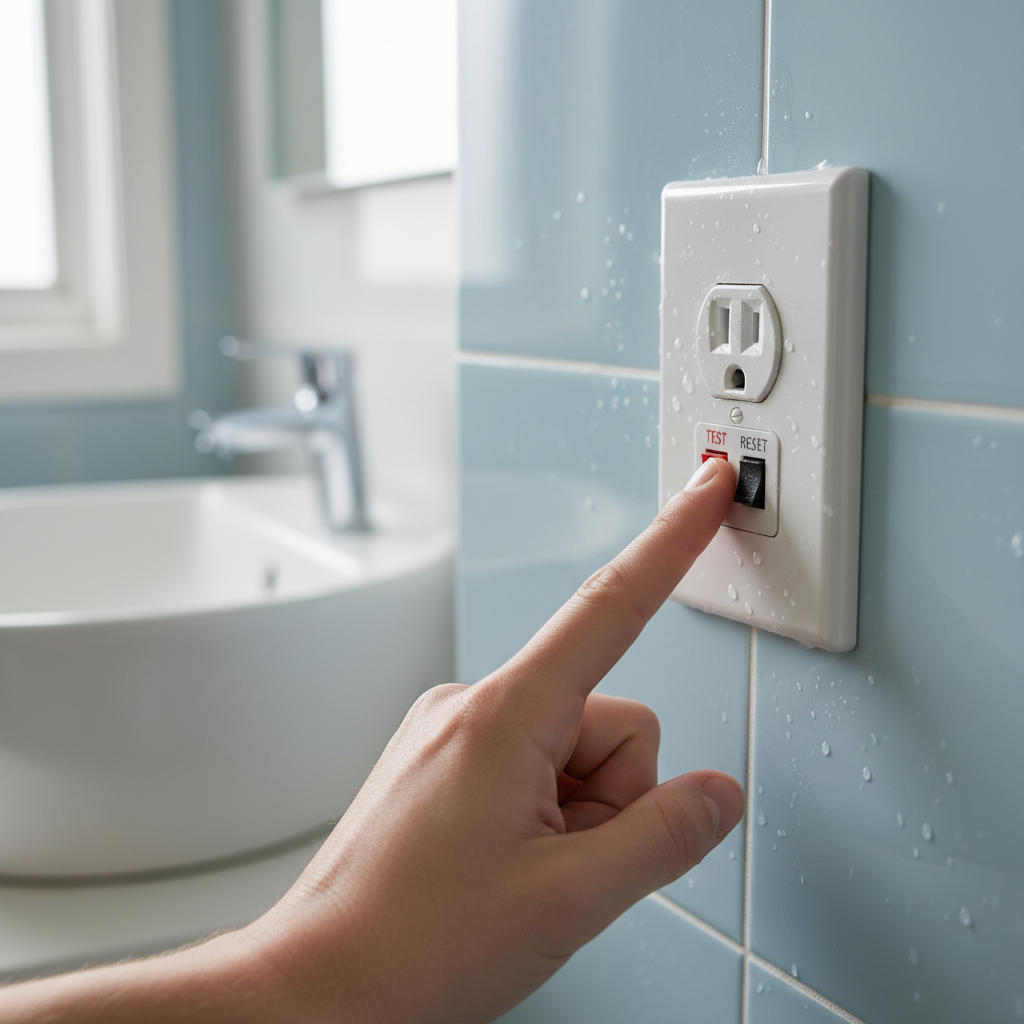
Conduct a Reset Test — With all devices unplugged and the power on at the breaker, attempt to press the 'RESET' button firmly on the GFCI outlet. Listen for a definitive click. If it clicks and holds, the problem was likely one of the unplugged appliances. If it trips immediately or won't reset, the issue is more fundamental: the outlet itself, its wiring, or a persistent fault on the circuit.
-
Inspect for Moisture — Carefully examine the GFCI outlet and any other outlets on the circuit for signs of water, dampness, or condensation, especially in bathrooms, kitchens, basements, and outdoor areas. Look inside the receptacle for discolored or corroded terminals. Even a small amount of moisture can cause a ground fault. If you find moisture, dry the area thoroughly, wait several hours (or a full day if very wet), and then retest. If the GFCI still trips, water may have damaged internal components, necessitating replacement.
-
Examine Wiring for Damage — With the power OFF at the breaker, carefully remove the cover plate from the GFCI outlet. Gently pull the outlet from the electrical box. Look for any chewed wires (rodents), pinched wires, loose connections, or burnt insulation. Pay close attention to the
LOADandLINEterminals if this is a GFCI protecting other outlets – ensure wires are correctly connected (LINE wires from the breaker to the LINE terminals, and LOAD wires going to downstream outlets to the LOAD terminals). Miswiring GFCI outlets is a common DIY mistake. If you see any signs of damage or incorrect wiring, you should correct it or replace the outlet if the damage is to the outlet itself.- If you find loose wires: Gently tighten them using a screwdriver. Ensure no bare wire is exposed beyond the terminal screw or push-in slot. Wrap electrical tape around the outlet body for added protection against accidental shorts.
- If you see burnt wires or components: This indicates a serious overheating issue. Do not attempt to fix this yourself. Turn off the breaker and call a licensed electrician immediately.
-
Test Appliances Systematically — If the GFCI resets properly after all devices are unplugged, the fault lies with one of your appliances. Systematically plug each appliance back into the GFCI, one at a time, resetting the GFCI after each plug-in. When the GFCI trips, you've found the culprit. Then, test that appliance in a known good, non-GFCI protected standard outlet. If it trips that outlet's breaker or causes sparks, the appliance is definitely faulty and needs repair or replacement. Otherwise, it simply has a slight current leakage that a GFCI will catch.
-
Check for Overloaded Circuits — While less common for GFCI trips (which detect ground faults, not overloads), an overloaded circuit can sometimes manifest as a GFCI trip if a faulty device is part of that overload. Review what devices are typically plugged into the circuit. High-current devices like space heaters, toasters, and hair dryers can be culprits. Distribute high-demand appliances across different circuits if possible.
-
Replace the GFCI Outlet — If you've systematically eliminated all other possibilities (no faulty appliances, no visible moisture, no wiring issues), the GFCI outlet itself may be defective. GFCI devices have a limited lifespan, typically 10-15 years, and can wear out over time. Replacing a GFCI outlet is a straightforward DIY task for someone comfortable with basic electrical work. Ensure you purchase a new GFCI outlet of the correct amperage (e.g., 15A or 20A) and follow the manufacturer's wiring instructions precisely. (See step 5 for LOAD/LINE cautions).
Common Causes
- Moisture Intrusion: The leading cause, especially in damp environments like bathrooms, kitchens, basements, and outdoor locations. Water, even humidity or condensation, provides a path for current to escape, triggering the GFCI.
- Faulty Appliance: An appliance with damaged internal wiring, a worn power cord, or a heating element that has partially shorted to its casing can leak a small amount of current to ground, causing the GFCI to trip.
- Damaged or Deteriorated Wiring: Within the walls or inside the electrical box, wiring can become frayed, insulation can break down, or a wire might be pinched, creating an unintended path to ground through the box or other components.
- Incorrect Wiring: A common mistake during DIY installation is confusing the
LINE(incoming power) andLOAD(outgoing, GFCI-protected devices) terminals on the GFCI outlet. Reversing these or connecting grounds/neutrals incorrectly can cause nuisance trips. - Overloaded Circuit with a Faulty Device: While a GFCI primarily detects ground faults, a circuit with too many high-draw devices, especially if one of them has a minor internal fault, can sometimes indirectly lead to GFCI tripping.
- Aging or Defective GFCI Unit: Like any electronic device, GFCIs can wear out over time, becoming overly sensitive or failing internally, leading to nuisance trips even when no actual fault exists.
Common Mistakes
- Ignoring the Trip: Repeatedly resetting a GFCI without investigating the cause is extremely dangerous. The GFCI is tripping for a reason, and ignoring it puts you at risk of shock or fire.
- Not Unplugging All Devices: Homeowners often only unplug the most obvious culprit. To properly diagnose, everything on the protected circuit must be unplugged.
- Misidentifying Load vs. Line Wires: When replacing a GFCI, incorrectly wiring the
LOADandLINEterminals will either prevent the GFCI from working, cause immediate nuisance trips, or fail to protect downstream outlets. - Assuming the GFCI is Bad Too Soon: While GFCIs can fail, it's often the last thing to check. Exhaust all other possibilities before concluding the GFCI itself is the problem.
- Applying Power While Wet: If moisture is detected, immediately drying the area and waiting for it to be completely dry (sometimes hours or a full day) before restoring power is crucial. Rushing this can exacerbate the problem or cause further damage.
- Not Checking Downstream Outlets: Remember, a single GFCI can protect multiple standard outlets downstream from it. A fault in any of those protected outlets or connected devices will trip the GFCI.
Cost & Time Breakdown
| Task | DIY Cost | Pro Cost | Time |
|---|---|---|---|
| Diagnose GFCI trip | $0 (tools you own) | $150–$300 (service call) | 15–60 minutes |
| Replace faulty appliance | Varies ($20–$200+) | N/A | 5 minutes |
| Dry out moisture | $0 | $0 | 4–24 hours (wait) |
| Replace GFCI outlet | $15–$30 | $150–$250 | 30–60 minutes |
| Tighten/inspect wiring | $0 (tools you own) | $150–$300 (service call) | 30–60 minutes |
| Full circuit diagnosis/repair | $0 (DIY limit) | $200–$600+ | 1–3 hours+ |
Tips & Prevention
- Regular Testing: Routinely test your GFCI outlets monthly by pressing the
Related Articles
Keep troubleshooting with these hand-picked guides from FixlyGuide:
- The Hidden Reason Your GFCI Trips (It’s Not Always a Bad Outlet) — A tripping GFCI outlet is a safety mechanism doing its job, often indicating a problem like moisture, a faulty appliance, or a wiring issue…
- The Hidden Reason Your GFCI Trips (It's Not Always a Faulty Outlet) — A continuously tripping GFCI outlet is a critical safety warning, often indicating moisture, a faulty appliance, or a wiring problem that r…
- The Hidden Reason Your GFCI Trips (and 7 Ways to Stop It) — A persistently tripping GFCI outlet is a safety warning, often indicating moisture, a faulty appliance, or a wiring problem that homeowners…
- The Hidden Reason Your GFCI Trips (and Why Most Homeowners Miss It) — A continuously tripping GFCI outlet is a safety warning, often signaling common but overlooked issues like moisture intrusion, appliance fa…
- The Surprising Reason Your House Ticks and Pops At Night (And What It Means) — That unsettling ticking or popping sound in your house at night is usually normal thermal expansion and contraction, but sometimes it signa…
- Why Your Wall Switch Feels Hot: The Hidden Danger Most Homeowners Miss — A hot light switch isn't just uncomfortable; it's a critical warning sign of potential electrical hazards that demand immediate attention.
Get the print-ready PDF of this guide
A clean, ad-free, printable version you can keep on your phone or pin to the workshop wall. We'll also send occasional weekly tips matched to your home situation.
- Print-optimized layout
- Tools, materials & every step included
- Unsubscribe anytime
This article was independently written by FixlyGuide based on the source topic.
Frequently asked questions
How do I know if the GFCI outlet itself is bad?+
After unplugging all devices from the GFCI and any protected outlets, and inspecting for moisture or visible wiring issues, try to reset the GFCI. If it still won't reset and hold, or if it trips immediately even with nothing plugged in, the GFCI unit itself is likely defective and needs replacement. Test it monthly by pressing the 'TEST' button; if it doesn't trip, it may be faulty.
Can an overloaded circuit cause a GFCI to trip?+
While GFCIs primarily protect against ground faults rather than overloads, an overloaded circuit combined with a slightly faulty device can sometimes present conditions that cause a GFCI to trip. However, a standard circuit breaker (or the main breaker) is designed to handle overloads. If you suspect an overload, try distributing high-power appliances across different circuits.
What's the difference between a GFCI and an AFCI?+
A GFCI (Ground Fault Circuit Interrupter) protects against severe electrical shock by detecting imbalances in current flow, indicating electricity escaping to ground. An AFCI (Arc Fault Circuit Interrupter) protects against fires by detecting dangerous electrical arcs (sparks) often caused by damaged or loose wiring. They protect against different types of hazards, though some modern breakers combine both functions.
How often should I test my GFCI outlets?+
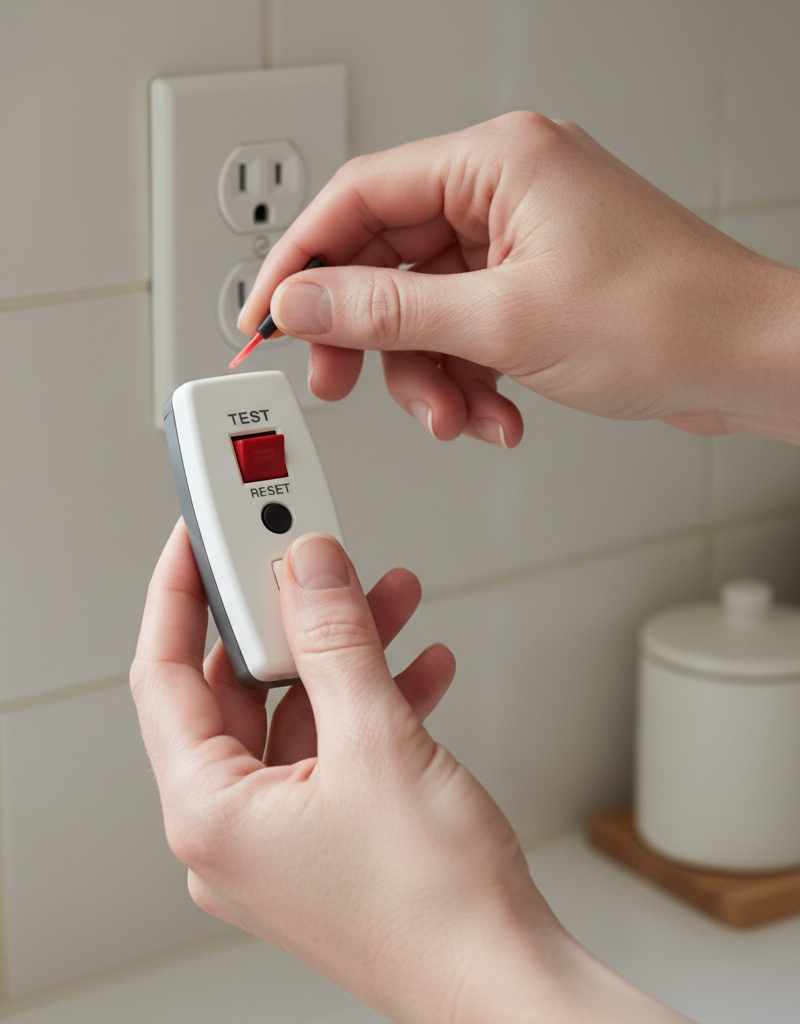
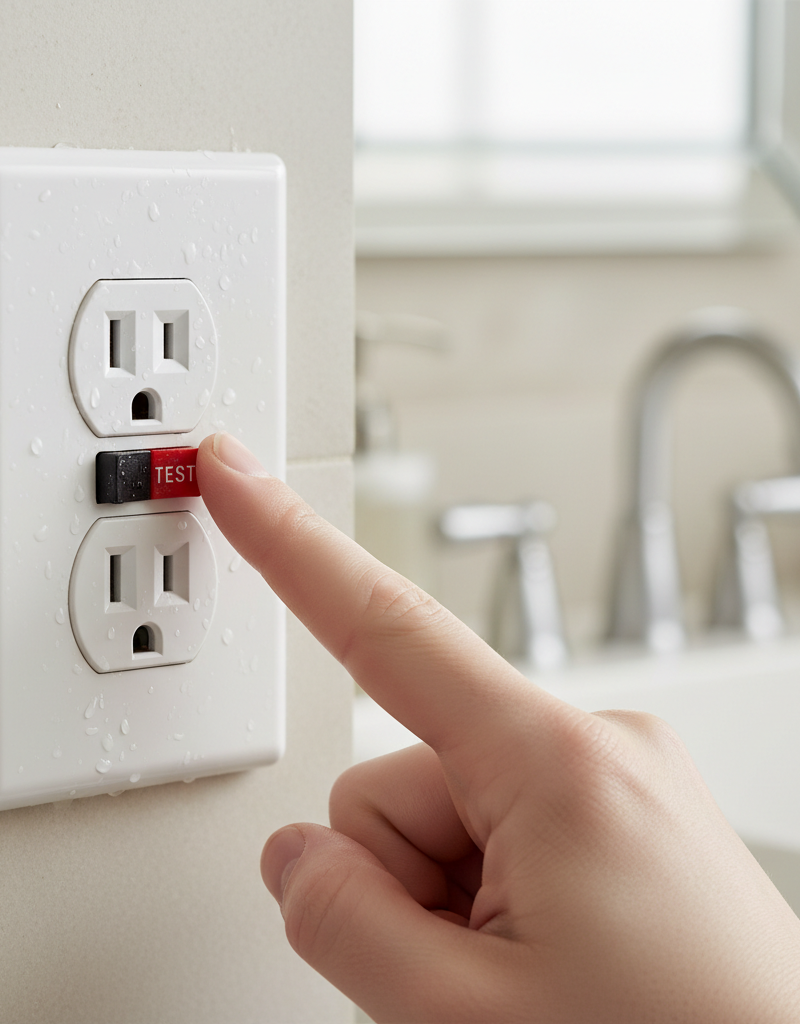
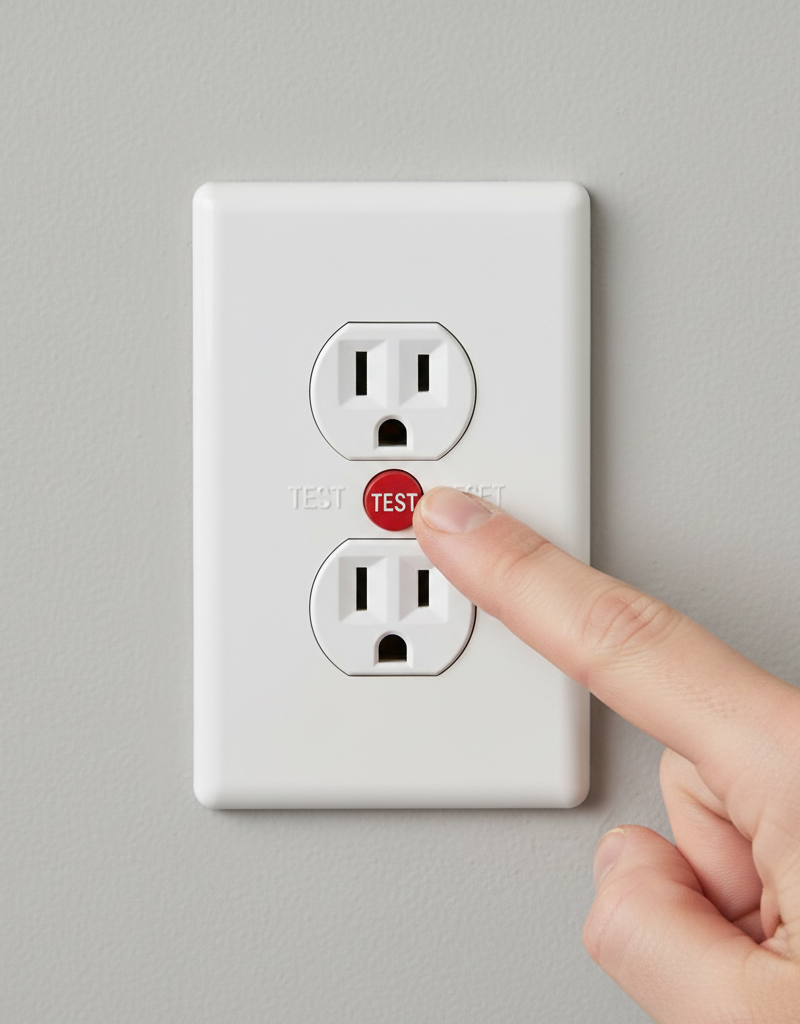
Leading electrical safety organizations recommend testing GFCI outlets monthly. Simply press the 'TEST' button on the outlet, which should cause the 'RESET' button to pop out and cut power. Then, press 'RESET' to restore power. If it doesn't trip, or if it doesn't reset, the GFCI may be faulty and should be replaced.
Discussion
Loading comments…