Tools & materials you'll need
Affiliate links- AmazonSturdy LadderEnsure it's rated for your weight and height requirements
- AmazonWork Gloves
- AmazonSafety Glasses
- AmazonCamera/SmartphoneFor documenting damage with photos and videos
- AmazonSiding Zip ToolFor unzipping and re-zipping vinyl siding panels
- AmazonApplicator GunFor caulk/sealant
- AmazonPutty Knife
As an Amazon Associate FixlyGuide earns from qualifying purchases — at no extra cost to you. Prices and availability are accurate as of publication and subject to change.
Quick Answer
Hail damage to your home’s siding isn't always obvious. While large hailstones can create noticeable cracks, chips, and holes, smaller impacts can cause hidden structural weaknesses, dislodge panels, or compromise protective coatings. A comprehensive inspection after a hail storm, targeting specific indicators unique to your siding material, is crucial to prevent further damage and ensure your home remains protected. Many issues can be addressed through DIY repairs, but significant damage warrants a professional assessment and potential insurance claim.
The Problem
After a severe hail storm, you might walk around your house and only see a few dings on the car or a scattered branch or two. "Everything looks fine!" you might declare, breathing a sigh of relief. This is the invisible hail damage mistake: assuming that if you don't see large, gaping holes, your siding is unscathed. The reality is that hail, even small soft hail, exerts significant kinetic energy. This energy can crack vinyl, dent aluminum, chip wood, or weaken the surface of fiber cement and stucco, leading to moisture intrusion, mold growth, reduced insulation efficiency, and accelerated material degradation down the line. What appears to be a mere cosmetic blemish today can become a costly structural or rot problem in a few years. Ignoring these subtle signs can void warranties or make future insurance claims more difficult if the damage is not documented promptly.
How It Works
Siding is your home's primary line of defense against the elements. Different siding materials react to hail impact in unique ways. Vinyl siding, made from PVC resin, is designed to be somewhat flexible. However, cold temperatures make it brittle, meaning hail that would bounce off harmlessly in summer can cause significant cracks or shatters in winter. The impact can also loosen panels from their nailing strips, allowing wind-driven rain to penetrate. Aluminum siding, a softer metal, is prone to dents, which create depressions that can hold water and lead to localized corrosion over time if the protective coating is compromised. Wood siding, whether clapboard, shakes, or shingles, can suffer from divots, splits, and chips that break through paint or stain, exposing the raw wood to moisture and insect infestation. Fiber cement siding, a rigid composite material, is very durable but can chip, crack, or fracture with direct, hard impacts, especially around edges or corners. Stucco can develop spiderweb cracks or pockmarks where the aggregate material is displaced. The underlying mechanism is simple: hail transfers its energy to the siding material, creating localized stress concentrations that exceed the material's elastic limit, resulting in permanent deformation or fracture. This damage, regardless of its visible severity, compromises the siding's ability to shed water and protect the home's interior envelope.
Step-by-Step Fix
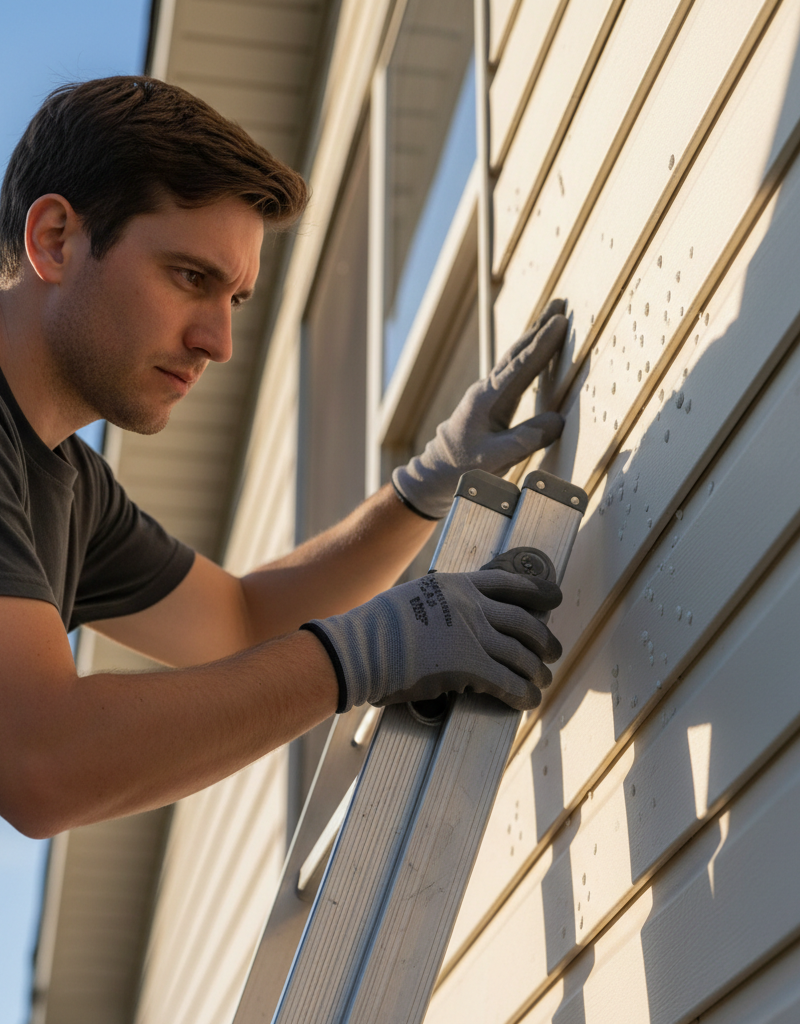
1. Safety First – Before you even begin, prioritize personal safety. * Gear: Wear sturdy work gloves, eye protection, and non-slip shoes. If using a ladder, ensure it's on stable, level ground and have a spotter if possible. * Electrical: Be aware of overhead power lines before extending ladders. Do not attempt repairs during ongoing storms or high winds. * Gutters: Hail can also damage gutters, creating sharp edges. Be mindful when working near them.
2. Document Everything – Your initial assessment is critical for insurance. * Photos/Video: Take clear, timestamped photos and videos of all visible damage from multiple angles. Include wide shots of the affected areas and close-ups of specific impacts. Document the date and time of the storm. * Notes: Write down the date of the storm, size of hail (if known), and detailed observations of damage. * Comparison: If possible, include photos of undamaged sections or siding before the storm for comparison.
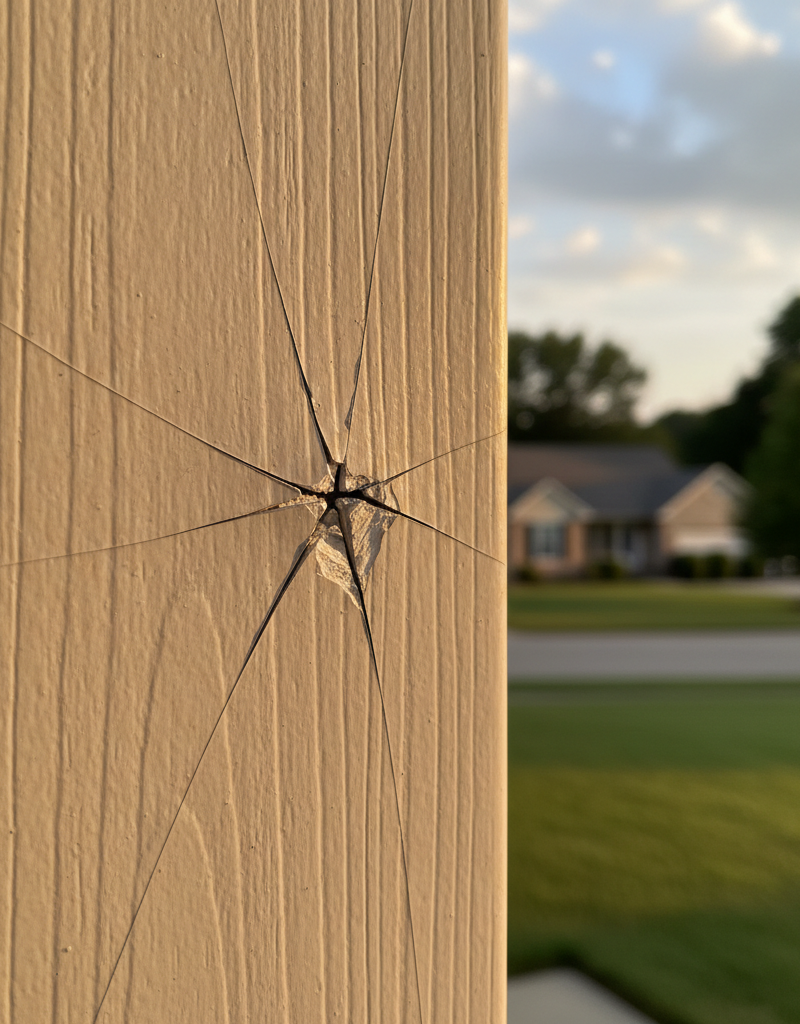
3. Perform a Ground-Level Inspection – Look for the obvious first. * Walk Around: Slowly walk the perimeter of your home, looking for easily visible signs of damage like cracked or missing siding panels, large dents, or any displaced debris. * Sun Angle: Inspect at different times of the day. Low-angle sunlight in the early morning or late afternoon can cast shadows that highlight subtle dents and imperfections not visible at midday.
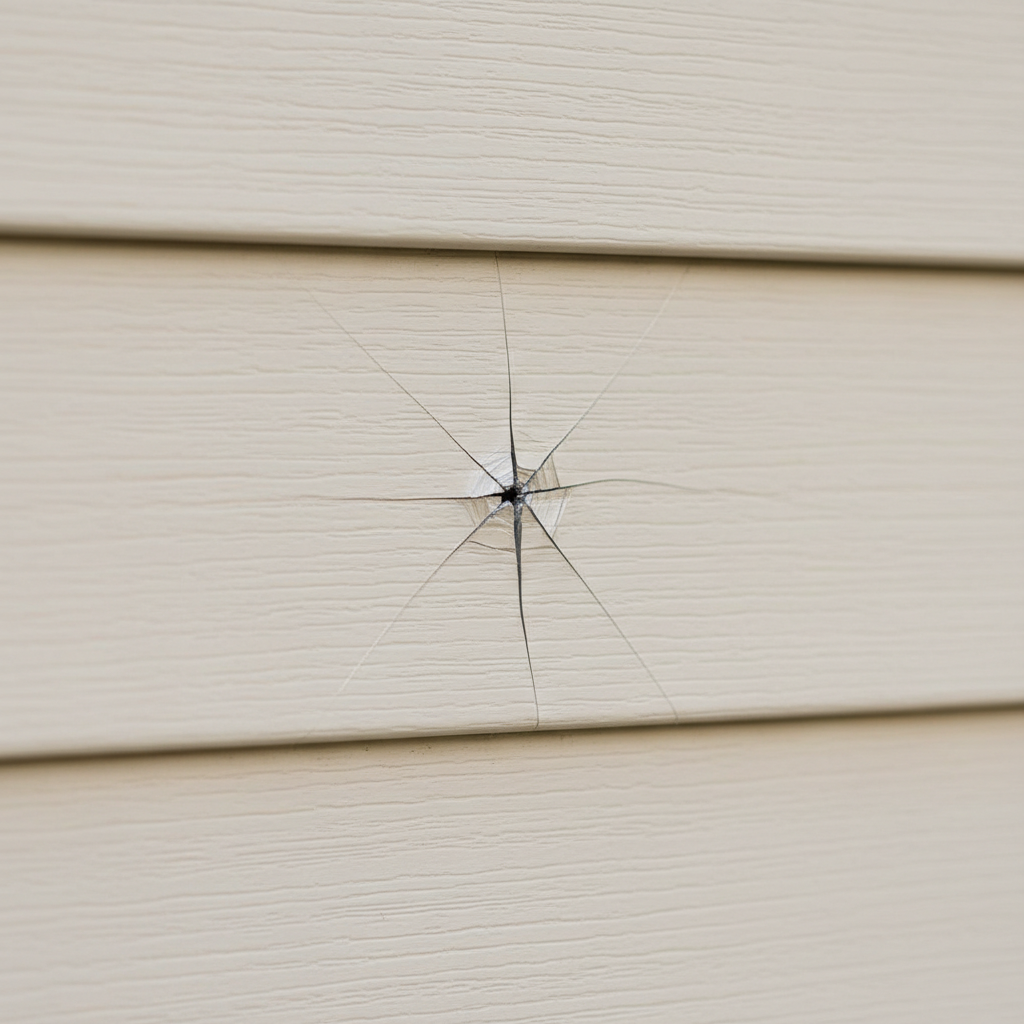
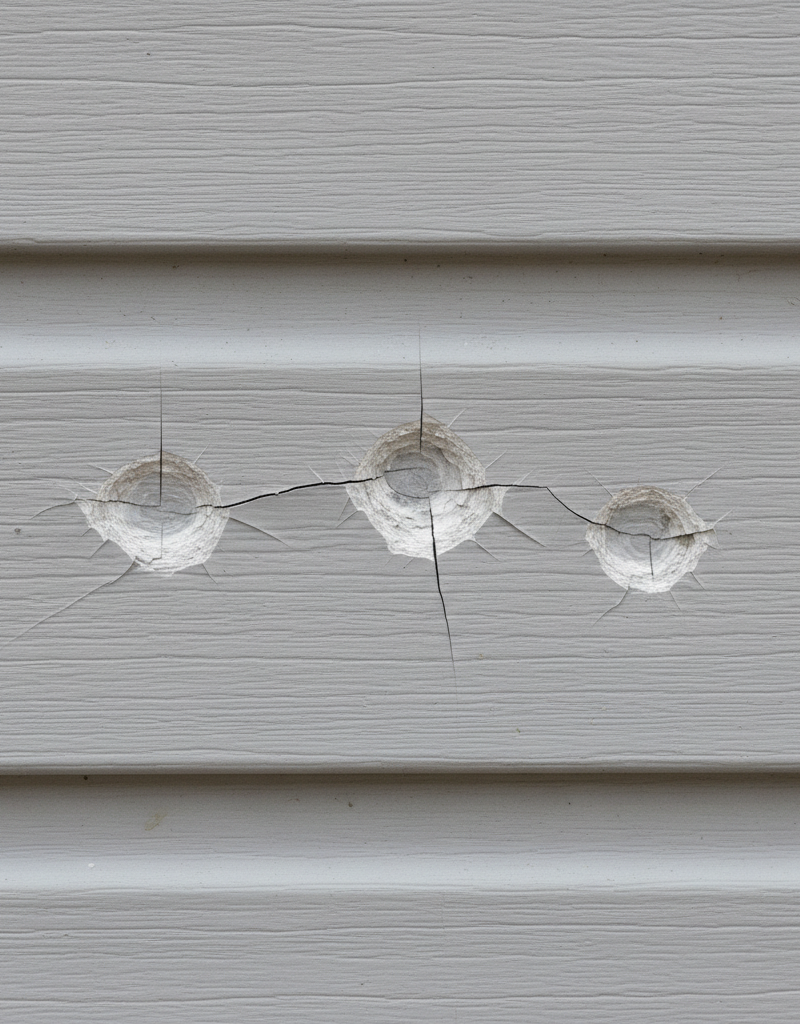
4. Ladder Inspection: Closer Look – Be thorough and systematic. * Section by Section: Using a sturdy ladder, inspect your siding methodically, section by section, paying close attention to corners, edges, and areas facing the direction the storm came from. * Vinyl: Look for starburst cracks, crescent-shaped cracks, small holes, or panels that have pulled away from the wall. Press gently on suspicious areas – a soft spot can indicate a compromised panel. * Aluminum: Check for dimples, dents, or scraped paint where the hail hit. Run your hand over the surface (gloved) to feel for subtle indentations. * Wood: Search for chipped paint, splintered wood, divots, or impact marks that have broken through the finish. Look for water stains below these spots. * Fiber Cement/Stucco: Identify chips, pockmarks, spiderweb cracks, or areas where the finish has been compromised. * Hidden Spots: Don't forget under eaves, behind bushes, and other less-obvious areas.
5. Repair Small Vinyl Cracks/Holes – For minor issues. * Clean: Clean the damaged area with a damp cloth and mild soap. Let it dry completely. * Patching Compound (for very small holes): For pin-prick holes, apply a small amount of exterior-grade vinyl siding repair compound, smoothing it with a putty knife. * Color-Matched Caulk (for small cracks): For hairline cracks, use a high-quality, exterior-grade, color-matched sealant/caulk. Apply a thin bead and smooth it with a wet finger. * Replacement Section (if available): If you have a matching scrap piece, you can cut a patch slightly larger than the hole, apply exterior sealant to its back, and slide it under the damaged area. This is a temporary cosmetic fix.
6. Re-secure Loose Vinyl Siding Panels – When panels detach. * Unzip: Use a siding zip tool to carefully unlock the damaged panel from the panel below it. Start at one end and work your way across. * Assess Nailing Strip: Check the nailing strip for damage. If cracked, you may need a new panel. If intact but nails are loose, gently pry out old nails. * Re-nail: Renail the panel, ensuring nails are centered in the nail slots and not driven too tight (allow for expansion/contraction). * Re-zip: Lock the panel back into place with the zip tool.
7. Repair Minor Wood Siding Damage – Addressing chips and divots. * Clean & Dry: Clean the area thoroughly and ensure it is dry. * Wood Filler: For small divots (<1/4 inch deep), apply exterior-grade wood filler with a putty knife. Overfill slightly, then sand smooth once dry. * Prime & Paint: Prime the repaired area with an exterior primer, then paint to match the existing siding. For larger chips or splits, you may need to apply wood epoxy before sanding and painting. * Replacement: For significantly damaged boards, replacement is the best option. Carefully pry out the damaged board, cut a new piece to size, prime all sides, and re-nail.
8. Address Dented Aluminum Siding – Limited DIY scope. * Heat & Pressure (small, shallow dents): For very small, shallow dents, you can carefully try to warm the area with a hairdryer (on low setting, keep moving) and gently push from the back if accessible. This often has limited success and can distort the metal. * Bondo/Filler (cosmetic only): For purely cosmetic issues, some homeowners use auto body filler (Bondo) to fill dents, sand it smooth, and then paint. This is a temporary aesthetic fix and doesn't restore structural integrity. Pro Tip: For most aluminum dents, professional repair or panel replacement is usually recommended for a lasting fix.
9. Evaluate Fiber Cement/Stucco Damage – Best left to pros if extensive. * Small Chips/Pockmarks (fiber cement): For very minor chips on fiber cement, you can use an exterior-grade patching compound specific for fiber cement, then prime and paint. Ensure the patch is flush with the surface. * Fine Cracks (stucco): Hairline cracks in stucco can be filled with an elastomeric caulk designed for stucco. For anything beyond hairline, a professional is usually required to ensure proper adhesion and matching texture.
Common Causes
- Hail Impact: The direct force of hailstones striking the siding, varying in severity based on hail size, wind speed, and siding material type and age.
- Wind-Driven Hail: High winds during a storm can increase the velocity and impact angle of hailstones, leading to more widespread and severe damage, especially on specific sides of the house.
- Cold Temperatures: Vinyl siding becomes more brittle in cold weather, making it significantly more susceptible to cracking and shattering from hail impacts.
- Aged or Deteriorated Siding: Older siding materials, especially those exposed to years of UV radiation, temperature fluctuations, and previous storm damage, lose their elasticity and protective qualities, making them more vulnerable to hail.
- Improper Installation: Siding that was not installed correctly (e.g., vinyl nails driven too tight, insufficient overlap, lack of proper expansion gaps) can be more prone to cracking or detachment during strong winds and hail impacts.
Common Mistakes
- Ignoring Subtle Damage: Many homeowners only look for obvious holes. Small cracks, dimples, or chips can lead to water intrusion, rot, and mold over time if not addressed. Always perform a diligent inspection.
- Delaying Inspection: Waiting too long after a storm to inspect and document damage can make it harder to link issues directly to the hail event for insurance purposes. Inspect within days of the storm.
- Walking on the Roof: Never walk on a wet or damaged roof. This is extremely dangerous and can cause further damage. If roof inspection is needed, hire a professional.
- Improper Ladder Use: Using an unstable ladder or placing it on uneven ground is a common cause of DIY accidents. Always follow ladder safety guidelines, ensure stability, and use a spotter.
- Attempting Major Structural Repairs: Trying to tackle extensive siding replacement or repairs involving structural elements without proper experience or tools can lead to bigger problems, including water leaks, aesthetic mismatches, or unsafe conditions.
- Not Contacting Your Insurance Company Promptly: If you suspect significant damage, notify your insurance provider as soon as possible. They can guide you through the claims process and send an adjuster.
Cost & Time Breakdown
| Task | DIY Cost | Pro Cost | Time |
|---|---|---|---|
| Initial Inspection & Docs | $0 | N/A | 1–2 hours |
| Small Vinyl Patch/Caulk | $10–$30 | N/A | 30–60 minutes |
| Re-securing Loose Vinyl Panel | $0–$10 (nails) | N/A | 30–45 minutes |
| Wood Siding Repair (Filler) | $20–$50 | $100–$250 per spot | 1–3 hours per spot |
| Aluminum Dent (cosmetic) | $30–$60 (filler) | $150–$400 per panel | 2–4 hours per panel |
| Major Siding Replacement | $100–$500+ (DIY) | $5,000–$20,000+ | 1–5 days (DIY) |
Tips & Prevention
- Regular Inspections: Periodically inspect your siding, especially after severe weather, for any signs of wear, cracks, or loose panels to catch problems early.
- Maintain Landscaping: Keep trees and shrubs trimmed away from your house to prevent branches from causing secondary damage during storms.
- Proper Drainage: Ensure your gutters and downspouts are clean and functioning correctly to direct water away from your foundation and siding, preventing moisture-related issues.
- Quality Siding Choice: When replacing siding, consider materials known for their hail resistance, such as certain grades of fiber cement or thicker vinyl products, if hail is a common occurrence in your area.
- Document Before & After: Maintain photos of your home's exterior from before any storm events. This can be invaluable if you ever need to file an insurance claim.
- Know Your Insurance Policy: Review your homeowner's insurance policy annually to understand your coverage for hail damage, deductibles, and the claims process.
When to Call a Professional
You should call a licensed and insured professional siding contractor or a public insurance adjuster if you observe widespread or severe hail damage, such as multiple cracked or shattered vinyl panels, extensive denting on aluminum, significant splitting in wood siding, or large fractures in fiber cement or stucco. Any damage that impacts the integrity of your home's weather barrier or suggests underlying structural issues warrants a professional assessment. Furthermore, if you plan to file an insurance claim, a professional can provide detailed estimates and often assist with the documentation required by your insurer. Do not hesitate to call a professional if you feel unsafe performing the inspection or repairs yourself, especially when using ladders at significant heights. They have the expertise, equipment, and insurance to handle complex repairs safely and effectively.
Related Articles
Keep troubleshooting with these hand-picked guides from FixlyGuide:
- Hail-Damaged Siding: A Homeowner's Guide to Inspection & Repair — Discover how to assess and repair hail damage on your home's siding, ensuring your home remains protected and looks its best.
- Is That Hail Damage to Your Siding—Or Something Worse? (And How to Know For Sure) — Distinguishing hail damage from other siding issues is crucial for proper repair and insurance claims. Learn how to identify hail damage an…
- Hail Damaged Siding: A Homeowner's DIY Repair Guide — Address hail-damaged siding promptly to prevent further issues like water intrusion and reduced curb appeal with this DIY repair guide.
- The One Overlooked Mistake After Storm Damage: Finding Missing Roof Shingles Fast — Storms can rip off roof shingles, exposing your home to further damage. Learning how to safely assess and temporarily patch your roof is cr…
- The #1 Mistake Homeowners Make After Finding Missing Shingles (And How to Fix It Right) — Discover the crucial steps to take after a storm rips shingles from your roof, ensuring a proper, lasting repair and preventing costly futu…
- The 7 Critical Home Inspection Mistakes Most Homeowners Make (and How to Spot Them) — Discover the crucial home inspection mistakes homeowners commonly overlook and learn how to identify potential problems before they become…
Frequently asked questions
How can I tell if my siding has hail damage?+
Look for specific signs depending on your siding type: starburst cracks, crescent marks, or small holes on vinyl; dents or dimples on aluminum; chips, splits, or divots on wood; and pockmarks or spiderweb cracks on fiber cement or stucco. Inspect from different angles and in varying light conditions, especially low-angle morning or evening sun.
Should I file an insurance claim for hail damage?+
If you suspect extensive hail damage that goes beyond minor cosmetic issues, it's wise to contact your insurance company. Document all damage thoroughly with photos and videos before calling. A professional roofing or siding contractor can also provide an estimate that helps inform your decision.
Can small hail really damage my siding?+
Yes, even small hail can cause damage, especially if driven by strong winds or if your siding is older or brittle due to cold temperatures. The impacts can weaken the material, compromise protective coatings, or lead to subtle cracks that allow moisture intrusion over time.
How do I repair a cracked piece of vinyl siding?+
For small, hairline cracks, clean the area and apply a color-matched exterior-grade caulk. For slightly larger cracks or holes, you can use a vinyl siding repair kit or a small patch cut from an extra piece of siding, adhered with exterior sealant. For severely damaged panels, replacement is recommended.
What's the best way to prevent hail damage to siding?+
While you can't prevent hail, you can mitigate damage by choosing durable siding materials (like certain fiber cement or thicker vinyl) if you live in a hail-prone area, keeping trees trimmed, and conducting regular inspections to address minor issues before they worsen. Documenting your siding's condition before a storm can also help with insurance claims.
Discussion
Loading comments…