
Tools & materials you'll need
Affiliate linksAs an Amazon Associate FixlyGuide earns from qualifying purchases — at no extra cost to you. Prices and availability are accurate as of publication and subject to change.
Quick Answer
The most common homeowner insurance claim mistakes include poor documentation, waiting too long to file, discarding damaged property, and misunderstanding your policy. To avoid denial, you must immediately report the loss, thoroughly document all damage with photos and lists, prevent further damage to the property, and keep a detailed log of all communications with your insurer.
The Problem
You pay your homeowner's insurance premiums diligently every year, trusting that you have a financial safety net in case of disaster. A pipe bursts, a tree falls on your roof, or a kitchen fire breaks out. You file a claim, expecting a check to help you rebuild. Instead, you receive a letter that sends a chill down your spine: your claim has been denied. All those years of payments now feel like a waste, and you're left facing thousands of dollars in repairs on your own.
This scenario is unfortunately common. Insurance companies are for-profit businesses, and while they fulfill their obligations for millions of policyholders, they also have a financial incentive to minimize payouts. They scrutinize every claim for discrepancies, policy exclusions, or procedural missteps. A simple error made in the stressful aftermath of a home disaster—a missed deadline, a discarded piece of evidence, an innocent misstatement—can be enough to trigger a partial or full denial. For a homeowner already dealing with the trauma of property damage, a claim denial can be a devastating financial and emotional blow, turning a crisis into a catastrophe.
How It Works
Understanding the insurance claim process is your first line of defense against a denial. When you file a claim, you set in motion a standardized but often opaque series of events. It’s not just "you ask for money, they send it." It's an investigation.
First, you give your insurer a "First Notice of Loss" (FNOL). This is the official start of the process. Your insurer will assign a claim number and an adjuster. This adjuster is a company adjuster (an employee of the insurance company) or an independent adjuster (a third-party contractor they hire). Crucially, both of these adjusters work for the insurance company. Their job is to evaluate the damage, review your policy, and determine how much, if anything, the insurer is obligated to pay.
The adjuster will schedule a visit to inspect the damage. They will take photos, measurements, and notes to create a "scope of loss," which is a detailed breakdown of the necessary repairs. They will also interview you about the incident. At the same time, they will dissect your policy, looking at your coverage limits, your deductible, and, most importantly, any exclusions. An exclusion is a specific type of damage or event that your policy does not cover (e.g., floods, earthquakes, or damage from wear and tear).
After the investigation, the adjuster will submit a report with a settlement recommendation. The company then makes a decision: approve the claim and pay the full amount (or a portion), or deny it. If they approve it, you will likely receive payment in two stages. First, an "Actual Cash Value" (ACV) payment, which is the value of the damaged property minus depreciation. Once you complete the repairs, you can submit receipts to receive the remaining "Recoverable Depreciation" to get the full "Replacement Cost Value" (RCV).
This entire process is a negotiation and an evidence-gathering exercise. The insurer holds most of the cards because they wrote the policy and employ the adjuster. Making homeowner insurance claim mistakes during this process can give them the justification they need to deny your claim.
Step-by-Step Fix: How to File a Claim to Avoid Denial
Filing an insurance claim correctly is a structured process. Follow these steps precisely to maximize your chances of a full and fair settlement and avoid common homeowner insurance claim mistakes.
-
First, Mitigate Further Damage — Your policy contains a clause called "Duties After a Loss," which legally obligates you to prevent the damage from getting worse. If a pipe bursts, shut off the main water supply. If a tree hits your roof, put a tarp over the hole. Failure to take these reasonable steps can lead to the insurer denying coverage for the additional damage that occurred.
-
Next, Conduct an Initial Policy Review — Before you even call your insurer, pull out your policy declaration page. Look for your coverage limits (e.g., $300,000 for the dwelling), your deductible (e.g., $1,000), and any specific endorsements or riders you may have purchased. Knowing these basic facts prevents you from being caught off guard and helps you understand the initial parameters of your claim.
-
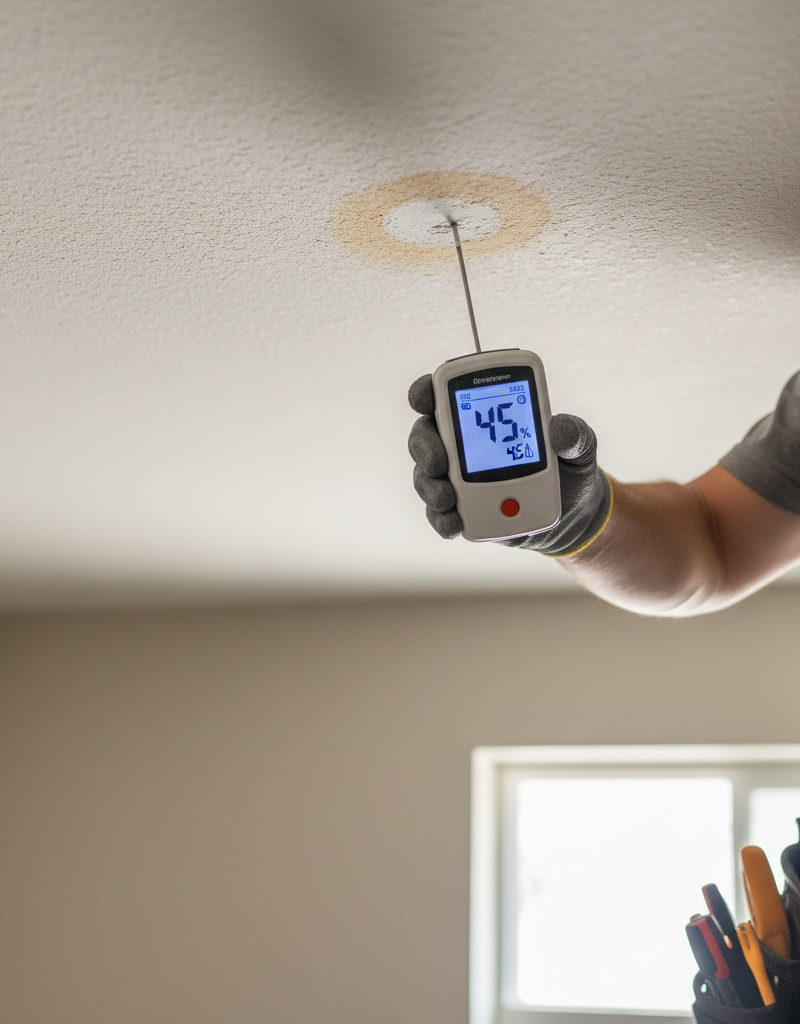
Thoroughly Document Everything — This is the single most critical step. Before moving, cleaning, or discarding anything, document the entire scene. Use your smartphone to take hundreds of photos and a long, continuous video. Narrate the video, explaining what you're seeing. Capture wide shots of the rooms and close-ups of specific damage. Make a detailed inventory of every single item that was damaged, including its make, model, age, and estimated purchase price.
-
Promptly Notify Your Insurer — Policies require you to provide "prompt notice" of a loss. Don’t wait a week to see if a water stain gets worse. Call your insurance company’s 24/7 claims hotline immediately to report the incident and get your claim number. Waiting too long is a classic homeowner insurance claim mistake that can lead to a denial.
-
Start a Dedicated Claim Journal — From your very first call, document every single interaction. Get a notebook and log the date, time, the name of the person you spoke to, their title, and a summary of what was discussed. If you send an email, save it. If you have a phone call, send a follow-up email confirming what was said: "Hi [Adjuster’s Name], just to confirm our conversation at 2:15 PM today, you stated that..." This creates a paper trail that is invaluable in a dispute.
-
Get Independent Repair Estimates — The insurance adjuster will create their own estimate for repairs, often using software with pre-loaded pricing. To protect yourself, get at least two or three detailed, itemized estimates from reputable local contractors. This gives you a real-world benchmark to compare against the adjuster's offer and is a powerful negotiation tool.
-
Be Present and Proactive During Inspections — Do not just let the adjuster wander through your home alone. Walk with them, politely pointing out every single area of damage you documented. Mention hidden damage, like potential mold behind a damp wall or smoke smell in the insulation. You are the expert on your home; ensure they see everything you see.
-
Don’t Authorize Permanent Repairs Prematurely — You can and should make temporary repairs to mitigate damage (like tarping a roof). However, do not begin permanent reconstruction, like hiring a contractor to rebuild your kitchen, until you have a written agreement from the insurer on the scope and cost of repairs. Doing so can result in the insurer refusing to pay for work they didn't approve.
-
Carefully Review Any Settlement Offer — Never cash the first check without scrutinizing the offer. Ensure it aligns with your contractor estimates and covers the full scope of damage. If it seems low, you have the right to question it and negotiate. Ask the adjuster to explain, line by line, how they arrived at their figure.
-
Understand Recorded Statements — Your adjuster will likely ask for a "recorded statement" about the loss. You are obligated to comply, but you are not obligated to do it on the spot. It’s wise to say, "I am happy to cooperate, but I need to prepare first." Use the time to review your documentation and the facts of the incident so you can give clear, concise, and truthful answers without speculating. Innocent speculation ("Maybe the fire started because of the old toaster") can be used to deny a claim.
Common Causes for Claim Denials
Beyond simple mistakes, insurers have specific contractual reasons for denying claims. Understanding these can help you anticipate problems.
-
Policy Exclusions: This is the most common reason. Standard homeowner policies (like an HO-3) specifically exclude certain perils. Flood damage is almost never covered by a standard policy; you need a separate policy from the National Flood Insurance Program (NFIP). Likewise, earthquakes, sinkholes, and sewer backups typically require a special add-on, called an endorsement.
-
Wear and Tear / Maintenance Issues: Insurance is for sudden and accidental damage, not for gradual decay. If your 25-year-old roof fails in a moderate storm, the insurer will likely argue it was past its useful life and deny the claim, attributing the cause to poor maintenance, not the storm itself.
-
Claim Value is Below Your Deductible: If you have a $2,500 deductible and the adjuster determines the damage will only cost $2,000 to repair, the insurer won't pay anything. In fact, filing small claims like this can sometimes raise your future premiums, so it's often not worth it.
-
Failure to Pay Premiums: If your policy lapsed due to a missed payment, even by a day, any damage that occurs during that lapse will not be covered. Always ensure your payments are current.
-
Material Misrepresentation: If you lied or concealed important information on your initial insurance application—for example, you claimed you didn't have a certain breed of dog, and that dog bites someone—the insurer can void your policy and deny the claim based on fraud.
Common Mistakes to Avoid
While filing, homeowners often make unforced errors. Avoiding these specific homeowner insurance claim mistakes is crucial.
-
Discarding Damaged Items: You may be eager to clean up, but throwing away a ruined sofa, a burnt microwave, or water-logged carpeting before the adjuster has inspected it is like throwing away evidence. The adjuster needs to see the damaged items to approve their replacement.
-
Accepting the First Offer Without Question: Insurance companies are businesses, and their first offer is often a starting point for negotiation, not their final position. If it seems low, question it and provide your contractor estimates as proof that repairs will cost more.
-
Being Dishonest or Exaggerating: Never pad your claim. Don't claim items that weren't damaged or inflate the value of what was lost. Insurance fraud is a crime, and adjusters are trained to spot it. It will lead to an immediate denial and could result in legal action against you.
-
Not Understanding ACV vs. RCV: Homeowners often get a first check and think that’s all they’re getting. They don't realize this is the Actual Cash Value (ACV) and that they need to submit repair receipts to claim the rest of the funds (the depreciation) to get the full Replacement Cost Value (RCV).
-
Hiring a Bad Contractor: Sometimes, a homeowner will hire a "storm chaser" or a general contractor who promises to "handle" the insurance company. If this contractor does shoddy work or has conflicts with the adjuster, it can put your entire claim in jeopardy. Vet your contractors carefully.
Cost & Time Breakdown
Managing a claim yourself is "free" in terms of direct cost but can cost you in time and settlement value. Hiring a public adjuster costs money but can increase your payout and save you time. Below is an example based on a hypothetical, moderately complex $75,000 water damage claim.
| Task / Item | DIY Claim Management | With Public Adjuster | Time (Typical) |
|---|---|---|---|
| Upfront Cost | $0 | $0 (Paid from settlement) | N/A |
| Damage Assessment & Documentation | 10-20 hours of personal time | 2-4 hours of your time | 1-2 weeks |
| Negotiation with Insurer | 5-15 hours of phone/email time | Public adjuster handles all communication | 2-6 weeks |
| Potential Settlement | $45,000 (Insurer's initial offer) | $70,000 (After negotiation) | Payout in 30-90 days |
| Public Adjuster Fee | N/A | $7,000 (10% of settlement) | N/A |
| Net Payout to Homeowner | $45,000 | $63,000 | N/A |
Note: Costs and time are estimates. Public adjuster fees typically range from 5% to 20% of the settlement amount, depending on the state and claim complexity.
Tips & Prevention
- Conduct an Annual Policy Review: Meet with your insurance agent once a year. Lifestyles change—you may have renovated your kitchen or bought expensive jewelry. Ensure your coverage limits are adequate and you understand what is and isn’t covered.
- Create a Home Inventory: Once a year, walk through your home with your smartphone and video every room, closet, and drawer. Narrate what you have. This is indisputable proof of your personal property. Store this video in the cloud (Google Drive, Dropbox, etc.).
- Keep Excellent Maintenance Records: When you get a new roof, new water heater, or new windows, keep the receipts and contracts. If you have a claim, this documentation proves that you have been properly maintaining your home, heading off "wear and tear" denials.
- Understand Your "Duties After Loss": Read this section of your policy before a disaster. Knowing that you are required to give prompt notice, protect the property, and show the damaged property to the insurer will prepare you to act correctly when under stress.
When to Call a Professional
While you can manage many small, straightforward claims yourself, there are times when you are outmatched and need professional help. Knowing when to call in a pro is key to avoiding financial loss.
You should strongly consider hiring a Public Adjuster when:
- The claim is large or complex (e.g., a major fire, hurricane damage).
- You suspect the insurance company's offer is unreasonably low.
- You don’t have the significant time or expertise required to manage a complicated claim properly.
- The claim has been outright denied, but you believe it should be covered.
A public adjuster works for you, not the insurance company. They handle the entire process—documentation, negotiation, and settlement—for a percentage of the final payout. Their expertise in policy language and estimating can often lead to a significantly higher settlement, more than covering their fee.
If your insurer is refusing to communicate, dragging the process out for months, or you believe they are acting in "bad faith," it may be time to consult an attorney who specializes in insurance law. While a public adjuster handles the value of the claim, an attorney deals with legal issues, such as a breach of contract or an improper denial.
Frequently asked questions
What is the most common reason for a homeowner insurance claim to be denied?+
The most common reason is a specific policy exclusion. For example, standard homeowner policies almost never cover flood damage. The second most common reason is the insurer determining the damage was due to lack of maintenance or "wear and tear" rather than a sudden, covered event.
How long do I have to file a homeowner insurance claim?+
Most policies require 'prompt notice' but state laws often provide a longer statute of limitations, typically one to two years from the date of loss. However, waiting that long is a major mistake. You should always report a claim to your insurer immediately or within 24-48 hours to avoid issues.
Can I keep the money from a home insurance claim?+
If you own your home outright, you can keep the insurance claim money. However, if you have a mortgage, the check will likely be made out to both you and your mortgage lender. The lender will put the funds in escrow and release them in stages as you complete repairs to ensure their asset—your home—is restored.
Should I hire a public adjuster?+
For a small, simple claim (like a broken window), you likely don't need a public adjuster. However, for large, complex claims (fire, major water damage) or if your claim is denied or you receive a lowball offer, a public adjuster can be invaluable. They work for you to maximize your settlement and handle the entire stressful process.
What happens if I disagree with the insurance adjuster's estimate?+
You have the right to disagree. The first step is to present your own detailed estimates from independent contractors. If you still can't reach an agreement, many policies have an 'appraisal clause.' This allows you and the insurer to each hire an independent appraiser, who then jointly select a neutral umpire to resolve the dispute. You can also hire a public adjuster to negotiate on your behalf.


Discussion
Loading comments…