Tools & materials you'll need
Affiliate links- AmazonGarden hose or marking paintFor outlining the bed shape
- AmazonTrenching shovel or half-moon edgerNarrow blade for digging precise trenches
- AmazonUtility knife or hacksawTo cut flexible edging materials to length
- AmazonRubber malletFor tapping rigid edging into place
- AmazonLevel (2-foot or longer)To ensure straight, level installation
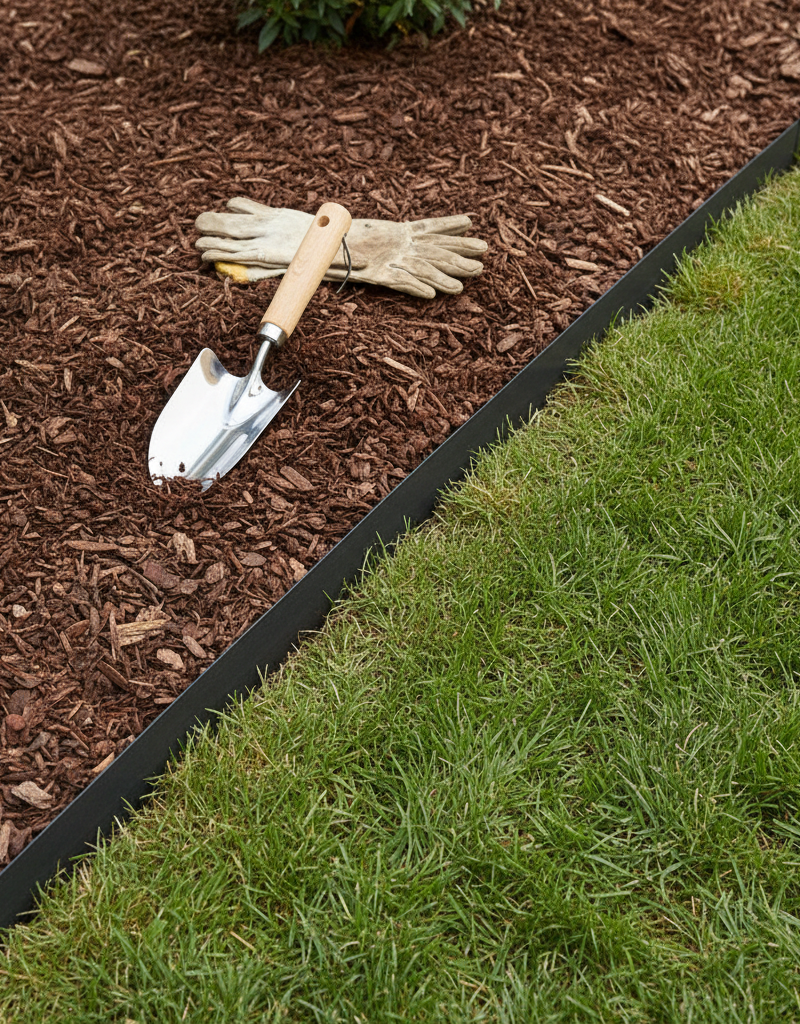
- AmazonHeavy-duty glovesFor safety and comfort during digging
- AmazonLandscape edging material (plastic, metal, brick, stone)Choose based on aesthetic and durability
- AmazonEdging stakes or anchoring pinsSpecific to your chosen flexible edging
- AmazonLandscape fabric/weed barrierOptional, for additional weed prevention in the bed
- AmazonCompactable gravel or sand1-2 bags per 10 ft · Required for brick/paver edging base
As an Amazon Associate FixlyGuide earns from qualifying purchases — at no extra cost to you. Prices and availability are accurate as of publication and subject to change.
Quick Answer
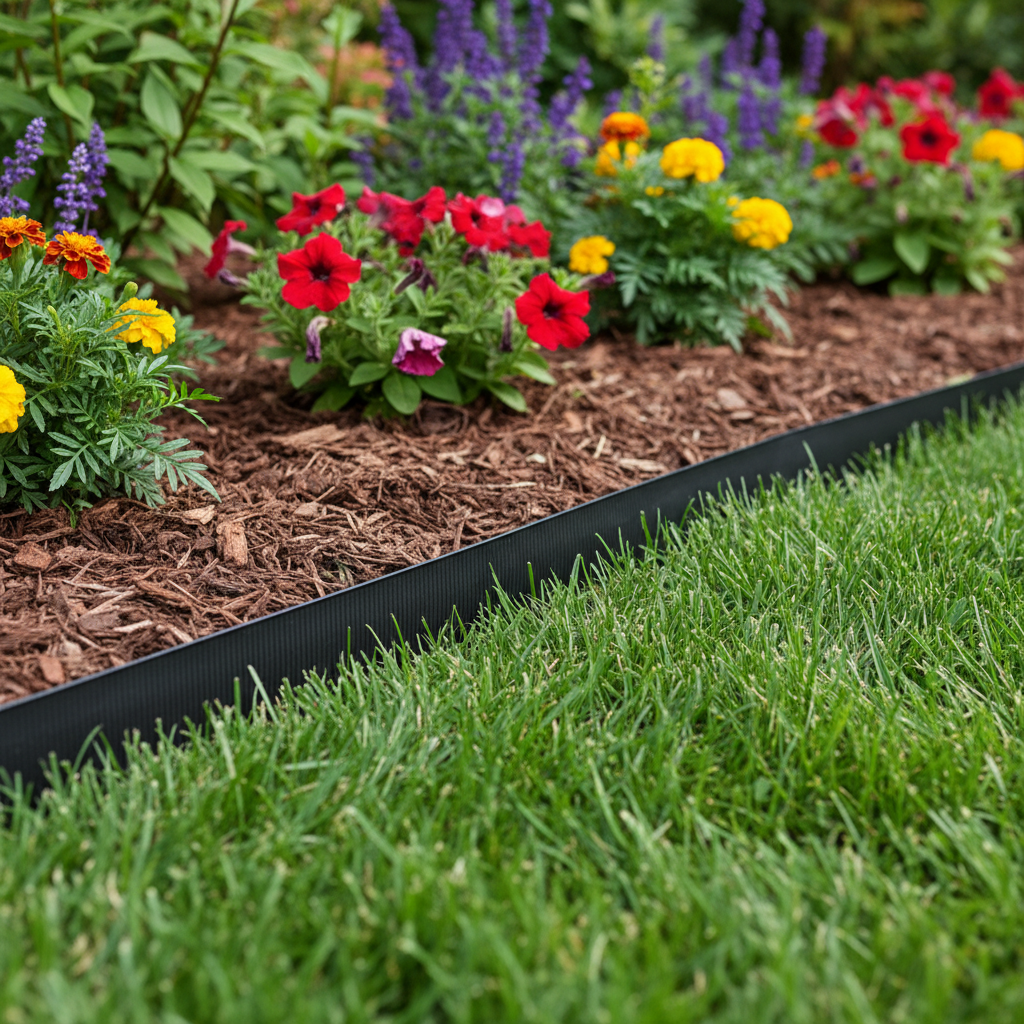
Installing landscape edging effectively requires more than just laying down a barrier. The real trick to achieving lasting results and preventing weeds from creeping into your carefully cultivated flower beds is in the preparation: creating a precisely dug trench and securely anchoring the edging material. Skipping or rushing this foundational step often leads to shifting, gaps, and an edging system that fails to perform its job within a season or two. By investing time in proper trenching, burying the edging to the correct depth, and using the recommended anchoring methods for your chosen material, you ensure a crisp, clean, and weed-resistant border that enhances your yard's curb appeal for years, not just months.
The Problem
Many homeowners dream of crisp, defined flower beds that showcase their plants and keep pesky lawn grass and weeds from invading. They install landscape edging, only to find it heaving out of the ground after a freeze-thaw cycle, gapping open for weeds to sneak through, or simply looking crooked and unprofessional after a few months. The problem isn't usually the edging material itself, but the installation method. Without proper trenching and secure anchoring, the edging succumbs to soil movement, foot traffic, and the relentless pressure of growing roots. This leads to a perpetually messy border, constant weed pulling, and the frustrating cycle of re-adjusting or even reinstalling the edging.
How It Works
Landscape edging functions as a physical barrier, separating designated areas like flower beds from lawns, pathways, or driveways. To work effectively, this barrier needs to be stable and continuous. When installed correctly, the edging acts on several principles: first, it prevents lateral root and runner growth from lawn grasses (like Bermuda or St. Augustine) from invading the bed. Second, it creates a clean sightline, enhancing the aesthetic appeal of your garden. Third, it helps retain mulch or soil within the bed, preventing erosion onto adjacent surfaces.
The "secret" to its longevity and effectiveness lies in understanding how the ground moves and how plants grow. Soil expands and contracts with changes in moisture and temperature. If edging isn't securely buried and anchored, these natural movements will push it upward or sideways. Additionally, the aggressive root systems of many lawn grasses will exploit any gap or shallow installation to cross the barrier. Rigid edging materials like brick or stone rely on a stable sub-base (often compacted gravel or sand) and their own weight for stability, sometimes augmented by mortar. Flexible edging materials, such as plastic or metal, rely entirely on being buried deep enough to resist root migration and on stakes to prevent lateral movement and heaving. The critical element is creating a trench that allows the edging to be set at a depth where its top edge is flush with or slightly above the finished grade of the lawn, while a substantial portion remains below ground, acting as an unseen anchor against soil pressure and root invasion. This buried portion is what gives the edging its "grab" on the earth, protecting against frost heave and ensuring long-term stability. The deeper the buried portion, the more secure the edging will be against these natural forces.
Step-by-Step Fix
1. Plan Your Edging Layout — Determine the shape and extent of your flower bed borders.
Before you dig, visualize your design. Use a garden hose, rope, or spray paint to outline the exact shape of your flower bed. Step back and look at it from different angles, and from various points in your yard and house. Ensure the curves are smooth and the lines are straight. This initial planning saves significant rework later.
- Tip: If you're using rigid materials like pavers or bricks, straight lines or gentle, consistent curves are easiest to achieve. Flexible edging allows for tighter turns.
2. Clear and Prepare the Area — Remove any debris, weeds, and existing grass from the edging path.
Clear a strip about 6-12 inches wide along your planned border. Remove any large rocks, roots, or other obstructions. If there's existing grass, remove it using a spade or sod cutter. While not strictly part of the trench, having a clean, clear work area makes digging and installation much easier and more precise.
- Safety Note: Always wear sturdy gloves when clearing debris or working with tools.
3. Dig an Accurate Trench — Excavate a trench to the proper depth and width for your chosen edging material.
This is the most critical step. For most flexible plastic or metal edging, you'll want to dig a V-shaped or U-shaped trench approximately 4-6 inches deep and 3-4 inches wide. The depth is crucial: at least half, or ideally two-thirds, of your edging material should be below the final grade. For brick or stone pavers, a wider, flat-bottomed trench (e.g., 6-8 inches deep and slightly wider than your paver) is needed, often with a 2-inch layer of compacted gravel and a 1-inch layer of sand for a stable base.
- Tools: A trenching shovel (narrow blade) or a half-moon edger works best for clean edges. For long, straight runs, rent a trenching machine for efficiency.
- If this doesn't work: If your soil is very rocky, you may need a pickaxe or a heavy-duty digging bar to break it up before trenching.
4. Install the Edging Material — Carefully place your chosen edging into the prepared trench.
- Flexible Edging (Plastic/Metal): Unroll the edging and slowly feed it into the trench, following your planned curves or straight lines. For plastic, position the top lip so it's either flush with the lawn grade or slightly (1/2 to 1 inch) above, creating a small mowing strip. For metal edging, the top should generally be flush with the lawn for a seamless look. Overlap ends according to manufacturer instructions (often 6-12 inches) if pieces are not long enough.
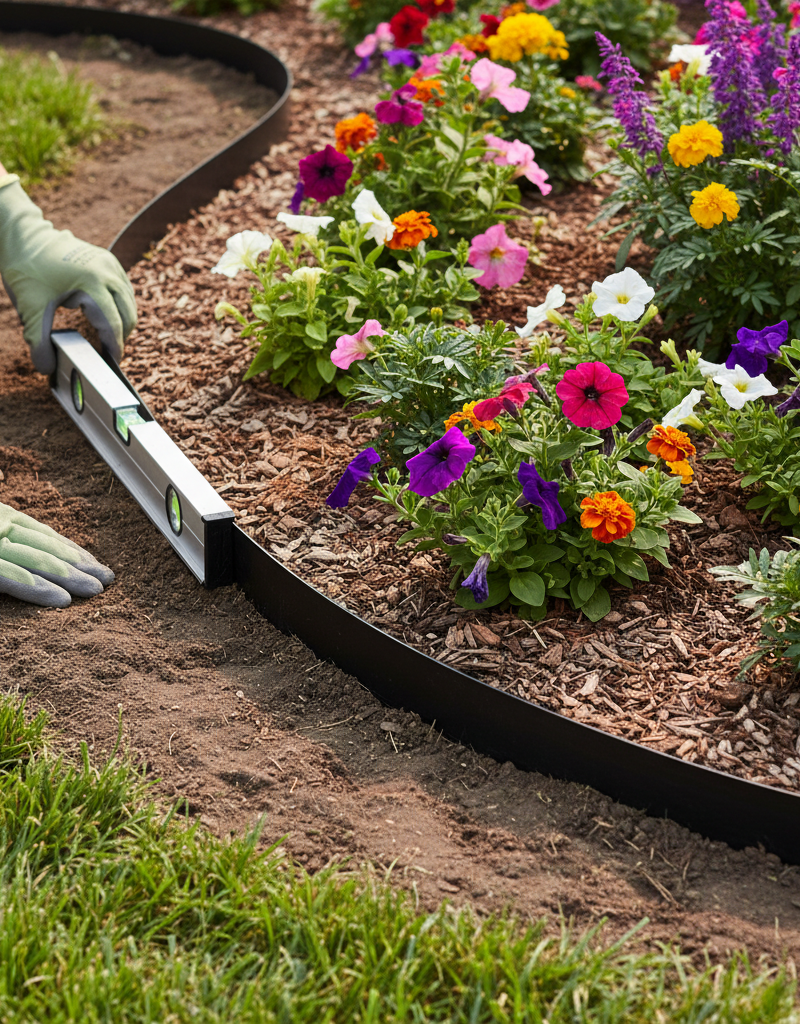
- Rigid Edging (Brick/Stone): For pavers or bricks, lay your compacted base layers (gravel then sand or crushed stone) first. Then, place your edging material firmly onto the prepared base. Use a rubber mallet to tap each piece into place, ensuring it's level with its neighbors and set at the desired height. Check for level and alignment frequently with a level and string line.
5. Secure the Edging — Anchor the edging firmly to prevent shifting and heaving.
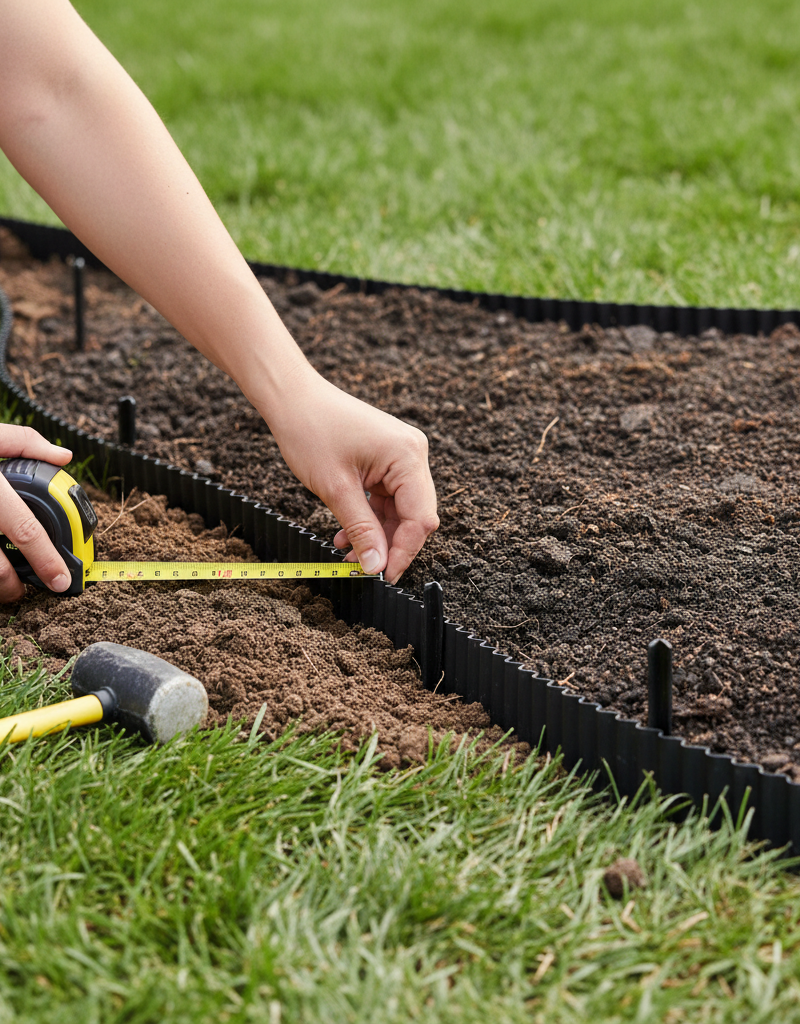
- Flexible Edging: For plastic edging, use the manufacturer-recommended stakes (typically 8-10 inch plastic or steel stakes). Drive them through the designated holes or behind the edging at 2-3 foot intervals, closer on tighter curves. Ensure stakes are fully buried and flush with the top of the edging. Metal edging often comes with its own staking system; follow those instructions.
- Rigid Edging: For brick or stone set on a gravel/sand base, side restraints (e.g., plastic paver edging or a concrete haunch) are crucial to prevent lateral movement. For a very robust, permanent installation, some homeowners choose to set bricks or stones in a thin bed of mortar. Ensure proper drainage if using mortar.
6. Backfill and Compact — Fill the trench with soil, tamping it down to hold the edging in place.
Carefully backfill the trench on both sides of the edging. Use the soil you excavated, breaking up any large clumps. Once filled, gently compact the soil. For flexible edging, you can walk along the trench or use the back of a shovel to press the soil firmly against the edging. For rigid edging, ensure the backfill is flush with the top of your restraints.
- Tip: Water the backfilled soil lightly after compacting to help settle it further. You may need to add more soil once it settles.
7. Clean Up and Finish — Remove any excess dirt and apply mulch or gravel to the flower bed.
Once the edging is secure, clean up any excavated soil or debris from your lawn. Now is the perfect time to apply a fresh layer of mulch to your flower bed, which will further suppress weeds, retain moisture, and complete the polished look of your newly edged garden.
Common Causes
- Insufficient Trench Depth: The most common culprit. If not enough of the edging material is buried, it lacks the necessary "grip" in the ground to resist frost heave, soil expansion, and root pressure, leading to it popping up or shifting.
- Lack of Proper Anchoring: Just placing the edging isn't enough. Stakes for flexible edging or proper side restraints and a stable base for rigid edging are essential to prevent lateral movement and maintain a crisp line.
- Uneven Ground Preparation: Trying to install edging on an uneven surface or without properly preparing a level base (for rigid materials) results in an unprofessional, wavy appearance and instability.
- Aggressive Root Systems: Certain grasses (e.g., Bermuda grass, Zoysia) and even aggressive tree roots can eventually push through or under poorly installed edging, especially if it's not buried deep enough.
- Poor Drainage: In areas with poor drainage, standing water can exacerbate soil movement, including frost heave and settling, leading to edging instability.
- Rushing the Compaction: Inadequate compaction of the backfill soil allows the ground to settle unevenly over time, leaving gaps or causing the edging to sink or lean.
Common Mistakes
- Skipping the Trench (or digging too shallow): Many DIYers try to just push flexible edging into the ground with their foot. This inevitably leads to waves, buckling, and immediate failure to prevent weeds. Always dig a proper trench.
- Not Using Enough Anchors/Stakes: Using too few stakes for flexible edging or no side restraints for rigid edging means the border will shift, buckle, or separate over time. Err on the side of using more anchors, especially on curves.
- Ignoring Level and Straightness: Neglecting to use a string line and level during installation results in a crooked, unprofessional-looking finish that will detract from your landscaping.
- Underestimating Material Requirements: Not accounting for overlaps, curves, and mistakes can leave you short on material, forcing unplanned trips to the store or creating visible seams. Always buy 10-15% more than your initial estimate.
- Installing Edging Flushed with Soil on Both Sides (for grass separation): If the edging is flush with the soil on both aspects, aggressive grasses can easily grow over the top. For a true grass barrier, the edging should stand proud of the lawn side by about 1/2 to 1 inch, creating a "mowing strip" that a lawnmower wheel can ride on.
- Not Considering Drainage: Installing a solid, impervious edging in a way that blocks natural water flow can create puddles or divert water to undesirable areas. Always consider how water will drain around your new edging.
Cost & Time Breakdown
| Task | DIY Cost | Pro Cost | Time |
|---|---|---|---|
| Flexible Plastic Edging (100 ft) | $30–$80 | $150–$300 (materials) | 2–4 hours |
| Metal Edging (100 ft) | $100–$250 | $300–$600 (materials) | 3–6 hours |
| Brick/Paver Edging (100 ft) | $150–$400 | $500–$1,200 (materials) | 6–12 hours (over 1-2 days) |
| Tools (Rent/Purchase) | $0–$100 | Included | N/A |
| Total DIY Project | $30–$500 | $500–$2,000+ | Half-day to 2 days |
Tips & Prevention
- Choose the Right Material: Consider the aesthetic you want, the level of durability needed, and the specific challenges of your yard (e.g., aggressive grass types). Plastic is inexpensive and flexible, metal is durable and sleek, and stone/brick offers a classic, robust look.
- Bury It Deep: For flexible edging, ensure at least 3-4 inches are below grade. For rigid edging, aim for 4-6 inches below grade, plus your base layers.
- Annual Inspection: Walk your garden borders once a year, ideally in spring, to check for any heaving, shifting, or gaps. Address small issues promptly before they become bigger problems.
- Edge Your Edging: Use a half-moon edger or spade annually to re-cut the lawn side of your edging. This keeps the line crisp and prevents grass from creeping over.
- Consider a Polymeric Sand or Mortar Joint: For paver or brick edging, using polymeric sand in the joints can help lock the pavers together and resist weed growth between them. For ultimate stability, setting them in mortar is an option, though more complex. Ensure proper drainage if using mortar.
- Prevent Weed Seeds: Regularly apply a pre-emergent herbicide in your flower beds (and avoid it near your lawn side if you don't want to inhibit grass growth). A thick layer of mulch (3-4 inches) also blocks light and suppresses weed seed germination.
When to Call a Professional
While installing landscape edging is a common DIY task, there are specific situations where calling a professional landscaper is advisable. If your project involves extensive grading or site work, such as diverting significant water flow or preparing a very large area with complex contours, a pro has the heavy equipment and expertise to do it efficiently and correctly. For installations requiring precise masonry skills, such as elaborate stone or brickwork with mortar joints for a retaining effect, a hardscaping specialist will ensure a durable and aesthetically pleasing result. Also, if you encounter extensive tree roots that are too large to cut with hand tools (typically anything over 1-2 inches in diameter), a professional can assess how to proceed without damaging the tree or your foundation. A professional will also guarantee their work, providing peace of mind for complex or large-scale projects.
FAQ
What is the best type of landscape edging to use?
The "best" type depends on your budget, aesthetic preference, and functional needs. Plastic edging is affordable and flexible for curves but can degrade over time. Metal (steel or aluminum) is durable, sleek, and excellent for clean lines, but more expensive. Brick or stone pavers offer a classic, robust look and long lifespan but require more intensive installation and cost more. Consider your soil type, climate, and how aggressive your lawn grass is when making your choice.
How deep should landscape edging be buried?
For flexible plastic or metal edging, at least half, and ideally two-thirds, of the material's height should be buried below the finished grade. This typically means a trench 4-6 inches deep, leaving 1-2 inches above ground for a clean line or a mowing strip. For rigid brick or stone edging, the trench will be deeper to accommodate a compacted gravel and sand base, ensuring the top of the edging is at your desired finished height.
Can landscape edging stop grass from growing into my flower bed?
Yes, when installed correctly, landscape edging is very effective at stopping grass from invading flower beds. The key is ensuring the edging is buried deep enough (at least 3-4 inches below ground) to block lateral root and runner growth from aggressive grasses. A small lip above ground also helps create a physical barrier and a mowing strip. Regular maintenance, like occasionally trimming grass that tries to creep over the top, will further enhance its effectiveness.
How do I prevent my landscape edging from heaving?
To prevent landscape edging from heaving (being pushed up by frost or soil movement), ensure you dig a sufficiently deep trench and securely anchor the material. For flexible edging, use plenty of stakes, especially on curves. For rigid edging, a properly prepared and compacted gravel/sand base and robust side restraints are crucial. Backfilling the trench with well-compacted soil also helps stabilize the edging against ground movement." hero_image_prompt="A close-up, eye-level shot of neatly installed black plastic landscape edging, separating a vibrant green lawn from a mulched flower bed. The edging should be perfectly straight, with a clean transition. Show the subtle texture of the black plastic and the crisp line it creates. The background features colorful flowers and lush green foliage, slightly blurred. Bright, natural lighting. Focus on the edging. No people or brand logos." hero_image_alt="Neatly installed black plastic landscape edging separating a green lawn from a mulched flower bed." reading_time_minutes=12.0, cost_estimate="$30–$500", time_estimate="4–16 hours", difficulty="moderate", tools_materials=[default_api.CreateArticleToolsMaterials(name="Garden hose or marking paint", type="tool", note="For outlining the bed shape"), default_api.CreateArticleToolsMaterials(name="Trenching shovel or half-moon edger", type="tool", note="Narrow blade for digging precise trenches"), default_api.CreateArticleToolsMaterials(name="Heavy-duty gloves", type="material", note="For safety and comfort during digging"), default_api.CreateArticleToolsMaterials(name="Utility knife or hacksaw", type="tool", note="To cut flexible edging materials to length"), default_api.CreateArticleToolsMaterials(name="Rubber mallet", type="tool", note="For tapping rigid edging into place"), default_api.CreateArticleToolsMaterials(name="Level (2-foot or longer)", type="tool", note="To ensure straight, level installation"), default_api.CreateArticleToolsMaterials(name="Landscape edging material (plastic, metal, brick, stone)", type="material", note="Choose based on aesthetic and durability"), default_api.CreateArticleToolsMaterials(name="Edging stakes or anchoring pins", type="material", note="Specific to your chosen flexible edging"), default_api.CreateArticleToolsMaterials(name="Landscape fabric/weed barrier", type="material", note="Optional, for additional weed prevention in the bed"), default_api.CreateArticleToolsMaterials(name="Compactable gravel or sand", type="material", note="Required for brick/paver edging base", qty="1-2 bags per 10 ft")], pro_callout="Call a professional landscaper if your project involves significant regrading, complex hardscaping with extensive masonry, or if you encounter large tree roots that require specialized removal without damaging the tree.") aspire_output<tool_code> default_api.create_article(title="The #1 Secret to Edging Flower Beds That Last Years (and Resist Weeds)", slug="install-landscape-edging-flower-beds", excerpt="Discover the crucial, often-skipped step that ensures your landscape edging stays put and keeps weeds out for years, transforming your flower beds.", quick_answer="The secret to long-lasting, effective landscape edging around flower beds lies in proper trenching and anchoring, especially ensuring the edging materials are buried deep enough and securely fastened. This critical initial step prevents shifting, gapping, and weed infiltration, making your landscaping efforts endure.", body_markdown=
Related Articles
Keep troubleshooting with these hand-picked guides from FixlyGuide:
- The #1 Mistake Homeowners Make with Landscape Edging (and How to Fix It) — Discover the most common error in landscape edging installation that leads to weeds and an uneven look, and learn the easy fix for a clean,…
- The 3 Hidden Mistakes That Make Landscape Edging Fail (And How to Fix Them) — Discover common mistakes homeowners make when installing landscape edging and learn the correct methods to achieve a durable, professional-…
- The #1 Lawn Aeration Mistake Most Homeowners Make (And When to REALLY Do It) — Discover the crucial mistake many homeowners make with lawn aeration and learn the optimal timing for a thriving, healthy lawn.
- The #1 Mistake Killing Your Lawn's Crabgrass Defense (And the Easy Fix) — Discover why common crabgrass removal methods fail and how to naturally eliminate this stubborn weed for a healthier lawn.
- The 3 Lawn Mowing Mistakes Killing Your Grass (and How to Fix Them) — Discover the three most common lawn mowing mistakes homeowners make that damage their grass, and learn simple, actionable steps to correct…
- The #1 Mistake Homeowners Make After Finding Missing Shingles (And How to Fix It Right) — Discover the crucial steps to take after a storm rips shingles from your roof, ensuring a proper, lasting repair and preventing costly futu…
Frequently asked questions
What is the best type of landscape edging to use?+
The "best" type depends on your budget, aesthetic preference, and functional needs. Plastic edging is affordable and flexible for curves but can degrade over time. Metal (steel or aluminum) is durable, sleek, and excellent for clean lines, but more expensive. Brick or stone pavers offer a classic, robust look and long lifespan but require more intensive installation and cost more. Consider your soil type, climate, and how aggressive your lawn grass is when making your choice.
How deep should landscape edging be buried?+
For flexible plastic or metal edging, at least half, and ideally two-thirds, of the material's height should be buried below the finished grade. This typically means a trench 4-6 inches deep, leaving 1-2 inches above ground for a clean line or a mowing strip. For rigid brick or stone edging, the trench will be deeper to accommodate a compacted gravel and sand base, ensuring the top of the edging is at your desired finished height.
Can landscape edging stop grass from growing into my flower bed?+
Yes, when installed correctly, landscape edging is very effective at stopping grass from invading flower beds. The key is ensuring the edging is buried deep enough (at least 3-4 inches below ground) to block lateral root and runner growth from aggressive grasses. A small lip above ground also helps create a physical barrier and a mowing strip. Regular maintenance, like occasionally trimming grass that tries to creep over the top, will further enhance its effectiveness.
How do I prevent my landscape edging from heaving?+
To prevent landscape edging from heaving (being pushed up by frost or soil movement), ensure you dig a sufficiently deep trench and securely anchor the material. For flexible edging, use plenty of stakes, especially on curves. For rigid edging, a properly prepared and compacted gravel/sand base and robust side restraints are crucial. Backfilling the trench with well-compacted soil also helps stabilize the edging against ground movement.
Discussion
Loading comments…