Tools & materials you'll need
Affiliate linksAs an Amazon Associate FixlyGuide earns from qualifying purchases — at no extra cost to you. Prices and availability are accurate as of publication and subject to change.
Quick Answer
Experiencing a sudden or gradual drop in water pressure throughout your entire home can be frustrating, impacting everything from showering to washing dishes. The most frequent culprits involve the main water supply entering your home: a partially closed main shut-off valve, a failing water pressure regulator, or a clogged main filter. Less often, but more critically, issues like a significant leak in your main water line or problems originating from your municipal water supply can be the cause. Systematically checking these potential issues, starting from where water enters your home, will guide you to a solution.
The Problem
Imagine stepping into the shower, expecting a refreshing cascade, only to be met with a weak dribble. Or trying to wash dishes, and the feeble stream barely rinses off soap. This isn't just an inconvenience; low water pressure throughout your entire home signals a widespread issue within your plumbing system, not just a single fixture. Unlike low pressure at just one faucet, which might point to a clogged aerator, whole-house low pressure indicates a bottleneck or restriction at a larger scale, affecting all points of use simultaneously. This could stem from external factors like municipal supply problems, internal factors like a failing pressure regulator, or something as simple as a partially closed valve.
How It Works
Your home's water system begins with a main water line connecting to either a public utility or a private well. For municipal water, this line typically runs under your yard to a meter, then into your home. Somewhere along this path, usually near the foundation, you'll find a main shut-off valve. This valve controls all water entering your house. For homes on public water, it's also common to have a water pressure regulator, a bell-shaped device, installed after the main shut-off. This regulator reduces and maintains water pressure from the street (which can be as high as 100-150 psi) to a safe and functional level for your home's plumbing (typically 40-80 psi). Without a regulator, high pressure could damage fixtures and appliances.
Once past the main shut-off and regulator, your water supply branches out through a system of pipes — typically 3/4-inch or 1-inch main trunk lines, which then reduce to 1/2-inch lines for individual fixtures. Water pressure is essentially the force pushing water through these pipes. Any restriction or loss of volume along the main incoming line or within the initial stages of your home's plumbing will result in a noticeable drop in pressure felt at every faucet, showerhead, and appliance. Friction inside pipes, narrow piping, or obstructions like sediment can all contribute to this loss of force, leading to that frustrating low flow.
Step-by-Step Fix
1. Check Your Main Shut-Off Valve — Ensure the primary water supply is fully open.
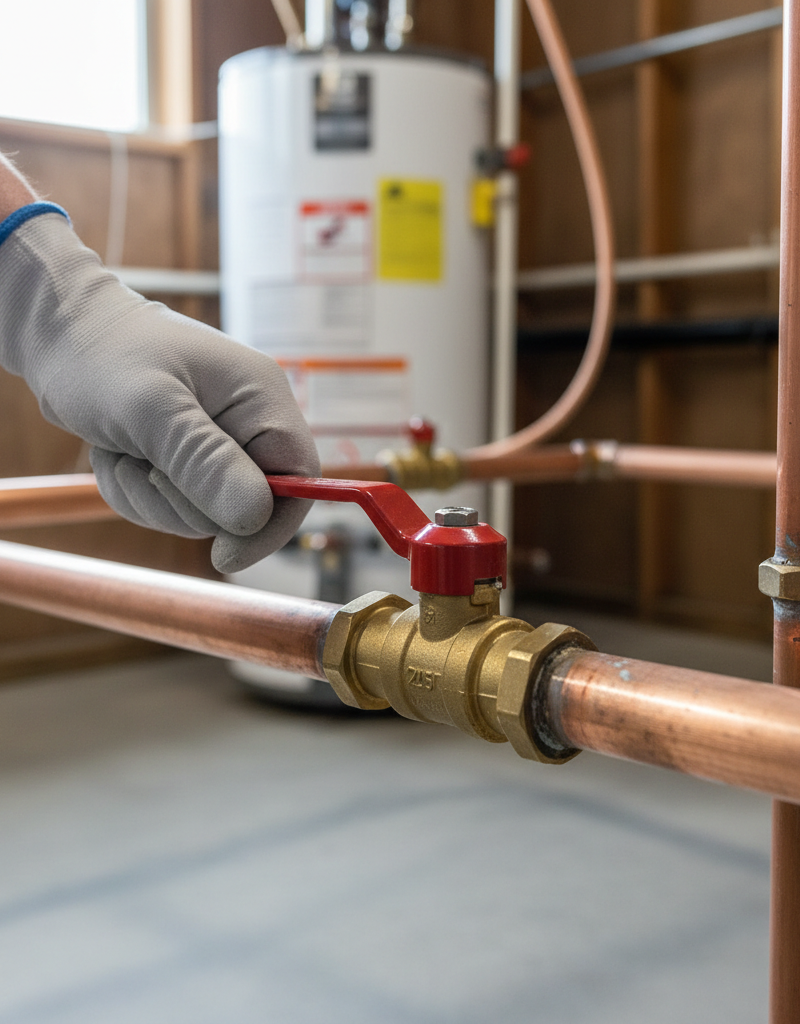
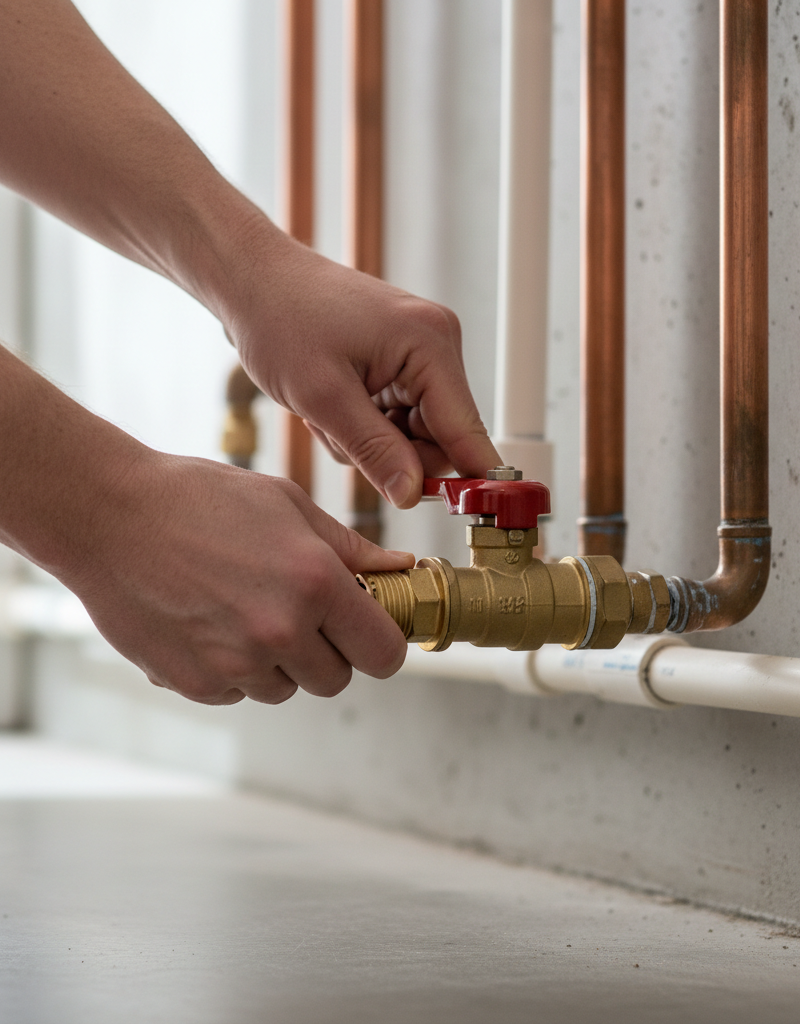
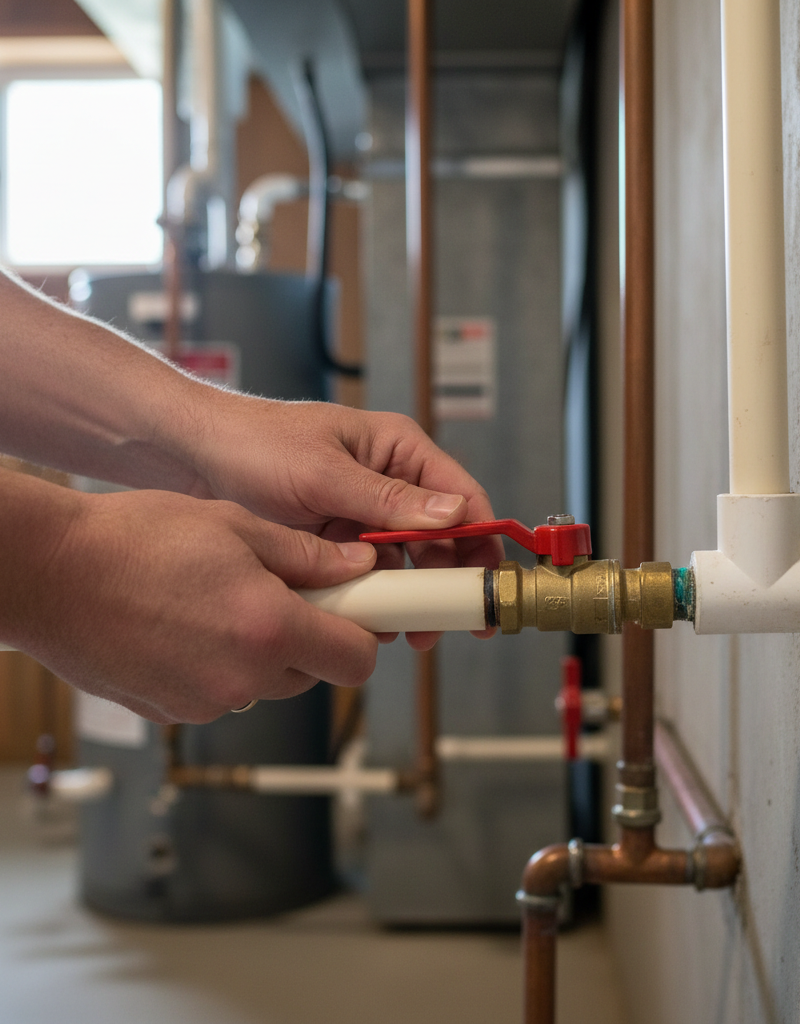
Locate your home's main water shut-off valve. This is usually near your water meter outside or where the main water line enters your basement or utility room. Sometimes, these valves get bumped or are not fully opened after plumbing work, causing a restriction. Turn the handle clockwise until it stops, then counter-clockwise until it's fully open. If it's a lever-style ball valve, ensure the handle is perfectly parallel with the pipe. Flush toilets and run faucets to see if pressure improves immediately. This is the simplest and often overlooked cause.
- Safety Note: Avoid forcing a stiff valve; older gate valves can sometimes break if over-torqued. If it's extremely difficult to turn, proceed with caution.
2. Evaluate Your Water Pressure Regulator — Test and adjust or replace a faulty regulator.
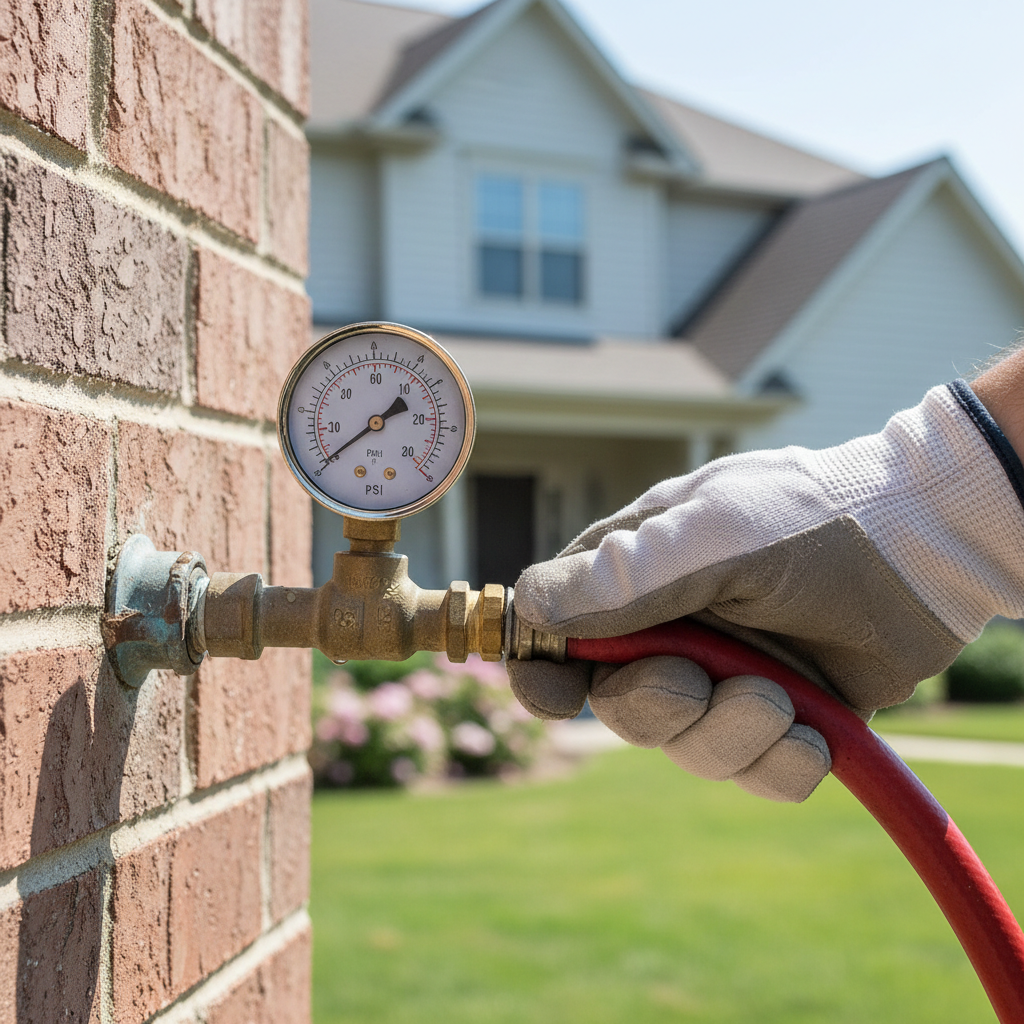
Your water pressure regulator is typically a bell-shaped device located on your main water line where it enters the house. It's designed to reduce and stabilize water pressure. Over time, these can fail or become clogged. To test, you'll need a water pressure gauge (available at hardware stores for about $15-$25) that threads onto any outdoor spigot. Attach the gauge and open the spigot fully. A healthy pressure reading is typically between 40-80 psi. If it's significantly below 40 psi, try adjusting the regulator's screw (usually on the top or bottom) clockwise to increase pressure. Turn it slowly, a quarter turn at a time, checking the gauge after each adjustment. If adjustment doesn't work, the regulator may be failing.
- If this doesn't work: A failing or severely clogged regulator often requires replacement. This is a moderate DIY task, often involving cutting and soldering pipes, which many homeowners might prefer to hire a plumber for. A replacement regulator typically costs $60-$120 for the part itself.
3. Inspect for Leaks — Look for signs of water escaping your main supply line.
Even a small leak in your main supply line (the pipe running from your meter to your house) can significantly reduce pressure. Look and listen for signs: unusually wet spots in your yard (especially when it hasn't rained), a patch of grass that's greener than the rest, the sound of running water when no fixtures are in use, or a constantly spinning water meter even with all water turned off inside the house. You can check your meter by ensuring no water is running anywhere in the house and then observing the small triangular or star-shaped leak indicator on the meter for 15-20 minutes. If it moves, you have a leak.
- If you suspect a leak: A main line leak is a serious issue. While locating minor leaks can be a DIY detective project, repairing main water lines often involves excavation and specialized plumbing skills. For significant leaks, it's best to call a licensed plumber.
4. Clear Clogged Aerators and Showerheads — Remove sediment buildup at fixtures.
While whole-house pressure issues rarely stem only from fixture clogs, a house full of simultaneously choked aerators and showerheads can certainly contribute to the problem and worsen an already low-pressure situation. Systematically remove and clean aerators from faucets (kitchen, bathroom sinks) and showerheads. These often collect mineral deposits and sediment. Unscrew them, separate the components, and clean them with a small brush and a solution of equal parts white vinegar and water. Let them soak for 30 minutes to an hour (or longer for heavy buildup). Rinse thoroughly before reassembling. Test the pressure afterwards.
- Tools: Adjustable wrench (for stubborn showerheads), small brush, white vinegar.
- If this doesn't help: If cleaning these doesn't significantly improve pressure, the problem is likely upstream, closer to your main water supply.
5. Check for Sediment in the Water Heater — Flush your water heater to remove buildup.
Sediment can accumulate at the bottom of your water heater over time, especially if you have hard water, and this can restrict the flow of hot water, leading to a noticeable pressure drop when using hot water throughout the home. This affects overall pressure if you primarily use hot or warm water. To flush your water heater (do this annually as preventative maintenance): turn off the cold water supply to the heater, turn off the power/gas to the heater, attach a garden hose to the drain valve at the bottom of the tank, and run the hose to a floor drain or outside. Open the drain valve and a hot water faucet somewhere in the house to break the vacuum. Let it drain until the water runs clear. Close the drain valve, disconnect the hose, turn on the cold water supply, and wait until the tank is full before restoring power/gas. This helps clear the lower part of the tank and the dip tube, which can get clogged.
- Safety Note: Hot water can be scalding. Always wear appropriate protection. For gas water heaters, ensuring pilot lights are re-lit correctly is crucial.
6. Consult Your Water Utility — Verify there are no neighborhood-wide issues.
Before digging up your yard or replacing major plumbing components, it's prudent to contact your local water utility. They can inform you if there's ongoing maintenance, a main line break in the area, or a general pressure reduction policy affecting your neighborhood. It's rare, but sometimes municipal infrastructure issues are the culprit, in which case there's nothing you can do personally until they fix it. If the issue is widespread, they will already be aware or appreciate your call. If it's isolated to your property, they can sometimes test the pressure at your meter directly to rule out external factors.
Common Causes
- Partially Closed Main Shut-Off Valve: The most straightforward and easily overlooked culprit. If someone (e.g., during a repair or while turning off water for vacation) didn't fully reopen the main valve, it acts as a permanent restriction.
- Failing Water Pressure Regulator: These mechanical devices contain diaphragms and springs that can wear out, clog with sediment, or fail to maintain the set pressure, leading to a gradual or sudden drop in your home's water pressure.
- Leaks in the Main Water Line: While often causing visible wet spots, some underground leaks can go undetected for a while, siphoning off water volume and reducing the pressure available to your home.
- Clogged Water Filters or Softeners: Whole-house water filters or water softeners, if not maintained or backwashed regularly, can become choked with sediment and dramatically reduce water flow and pressure.
- Sediment Buildup in Pipes or Water Heater: Particularly in older homes with galvanized pipes, mineral deposits can accumulate internally, narrowing the pipe's diameter. In water heaters, sediment can block the cold water inlet or hot water outlet.
- Municipal Supply Issues: Less common, but sometimes the problem originates with the city's water supply due to main breaks, maintenance, or high demand in the area.
Common Mistakes
- Assuming it's a fixture problem: Many homeowners start by checking individual faucets or showerheads when the problem is whole-house. This wastes time and doesn't address the root cause.
- Not checking the main shut-off valve first: This is a free and easy check that's often skipped, leading to unnecessary effort and expense.
- Ignoring a failing pressure regulator: An old, unmaintained regulator can cause consistently low pressure and even lead to water hammer if it's malfunctioning.
- Trying to repair a significant main line leak yourself: Main water line repairs can be complex, requiring specialized tools, excavation, and often permit knowledge. DIY attempts can lead to further damage, costly fixes, or unsafe conditions.
- Over-tightening relief valves or connections: When adjusting or testing, overtightening can strip threads, crack pipes, or cause new leaks.
- Not checking with the water utility: It costs nothing to call your city or water provider; they might already be aware of an issue or can help rule out external factors, saving you diagnostic time.
Cost & Time Breakdown
| Task | DIY cost | Pro cost | Time |
|---|---|---|---|
| Check main shut-off valve | $0 | $0 (part of call) | 5–10 min |
| Test / Adjust pressure regulator | $15–$30 (gauge) | $150–$300 | 20–45 min |
| Replace pressure regulator | $60–$120 | $300–$600 | 1–2 hours |
| Inspect for leaks | $0 | $100–$250 | 30–60 min |
| Main line leak repair | Not recommended | $500–$2,000+ | 4–8 hours+ |
| Clean aerators/showerheads | $0–$5 | $75–$150 | 30–60 min |
| Flush water heater | $0 (hose) | $100–$200 | 1–2 hours |
Tips & Prevention
- Annual Water Heater Flush: Flush your water heater once a year to prevent sediment buildup, which can restrict flow and reduce efficiency.
- Regular Regulator Check: If you have a pressure regulator, consider installing a permanent pressure gauge or periodically checking pressure with a temporary gauge to ensure it's functioning correctly, especially every 3-5 years.
- Maintain Whole-House Filters: If you have a whole-house water filter or water softener, follow the manufacturer's recommendations for filter replacement or backwashing cycles. Neglecting these can severely impact water pressure.
- Inspect External Plumbing: Periodically walk your property and visually inspect the ground above your main water line for unusual wet spots or lush patches of grass that could indicate a leak.
- Know Your Valves: Understand where your main shut-off valve is and how to operate it safely. This is crucial for emergencies and general maintenance.
- Monitor Water Bills: A sudden, unexplained spike in your water bill can be a strong indicator of an invisible leak, even if you don't notice a pressure drop initially.
When to Call a Professional
While many low-water-pressure issues can be diagnosed and resolved by a diligent homeowner, there are clear instances where professional help is not just advisable but necessary. If you've systematically checked all accessible valves, cleaned all fixtures, and ensured your pressure regulator is functioning (or if you don't feel comfortable testing it), and pressure remains low, it's time to call a licensed plumber. Specifically, if you suspect a leak in your main water line, especially underground, professional assistance is crucial. Main line repairs often involve excavation, specialized pipe repair techniques (like soldering or trenchless repair), and adherence to local codes, all of which are beyond typical DIY scope. Additionally, if the issue points to problems with the municipal supply after they confirm no neighborhood issues, a plumber can help articulate the problem to the utility. Any job requiring significant pipe alterations, especially to your home's main supply, or involving complex diagnostic tools (like leak detection equipment), warrants a professional's expertise to ensure safety and proper function.
Frequently asked questions
Why is my water pressure suddenly low everywhere?+
A sudden drop in whole-house water pressure often points to an issue with your main water supply. Common culprits include a partially closed main shut-off valve, a sudden failure of your water pressure regulator, a significant main water line leak, or even a temporary issue from your municipal water provider like a main break or maintenance in the area.
How do I test my home's water pressure?+
You can easily test your home's water pressure using a water pressure gauge, which threads onto any outdoor spigot. With all other water fixtures turned off in your home, open the spigot fully and read the gauge. A healthy range is typically between 40-80 psi. Readings below 40 psi indicate low pressure and above 80 psi indicate high pressure.
Can a clogged water heater cause low water pressure?+
Yes, sediment buildup in your water heater can restrict the flow of hot water, leading to noticeably low pressure at fixtures when only hot water is used. If you experience low pressure primarily with hot water, flushing your water heater to remove sediment is a recommended step.
Does a water softener affect water pressure?+
Yes, a neglected or improperly functioning whole-house water softener or water filter can significantly impede water flow and cause a noticeable drop in overall household water pressure. Ensure your softener is regenerating correctly and that any filters are clean or replaced as per the manufacturer's schedule.
Discussion
Loading comments…