Tools & materials you'll need
Affiliate links- AmazonRoofing nails1-1/4 inch galvanized roofing nails
- AmazonRoofing cement (trowel-grade)1 tube
- AmazonReplacement shingles1-3 bundles · Match existing color and type, or a standard 3-tab shingle for temporary patch
- AmazonWaterproof tarp or heavy-duty plastic sheetingSufficient to cover damaged area · For temporary emergency cover
As an Amazon Associate FixlyGuide earns from qualifying purchases — at no extra cost to you. Prices and availability are accurate as of publication and subject to change.
Quick Answer
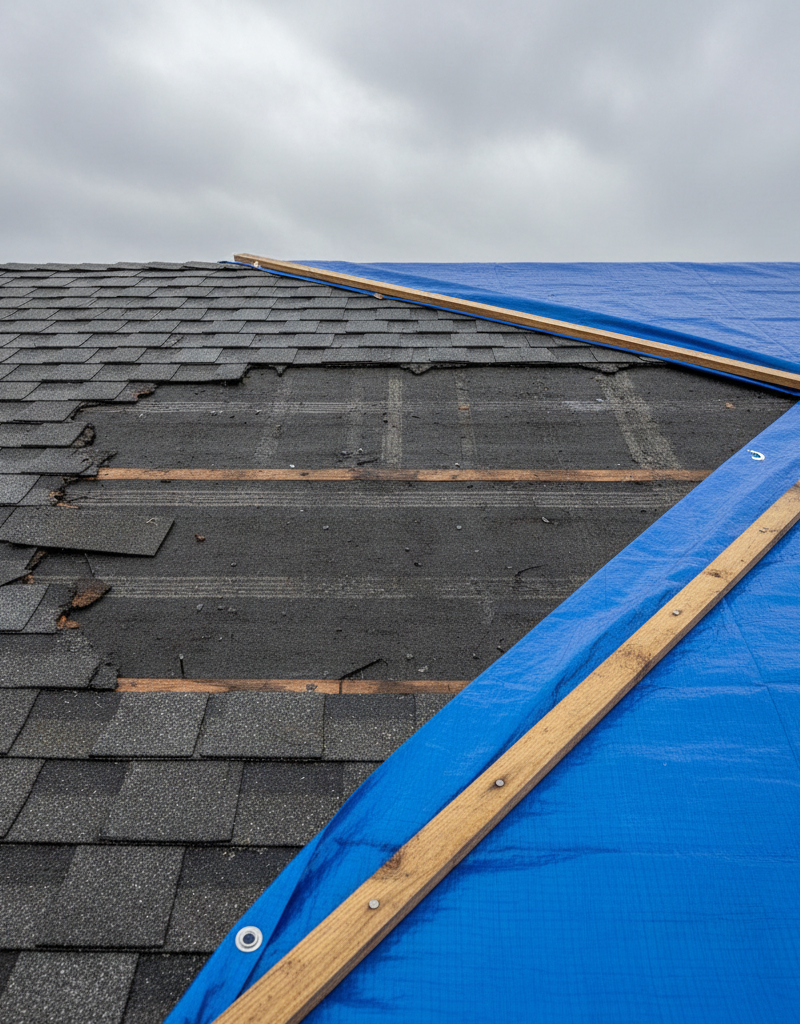
After a storm, discovering missing roof shingles can be alarming, but immediate action can prevent further damage. The quickest and most immediate solution is usually a temporary patch. This involves either covering the exposed area with a waterproof tarp, plastic sheeting, or applying an emergency patch with roofing cement and a shingle scrap. This buys you time to assess the full extent of the damage and plan for a more permanent repair or professional assistance, while stopping active leaks into your home's vulnerable decking and attic.
The Problem
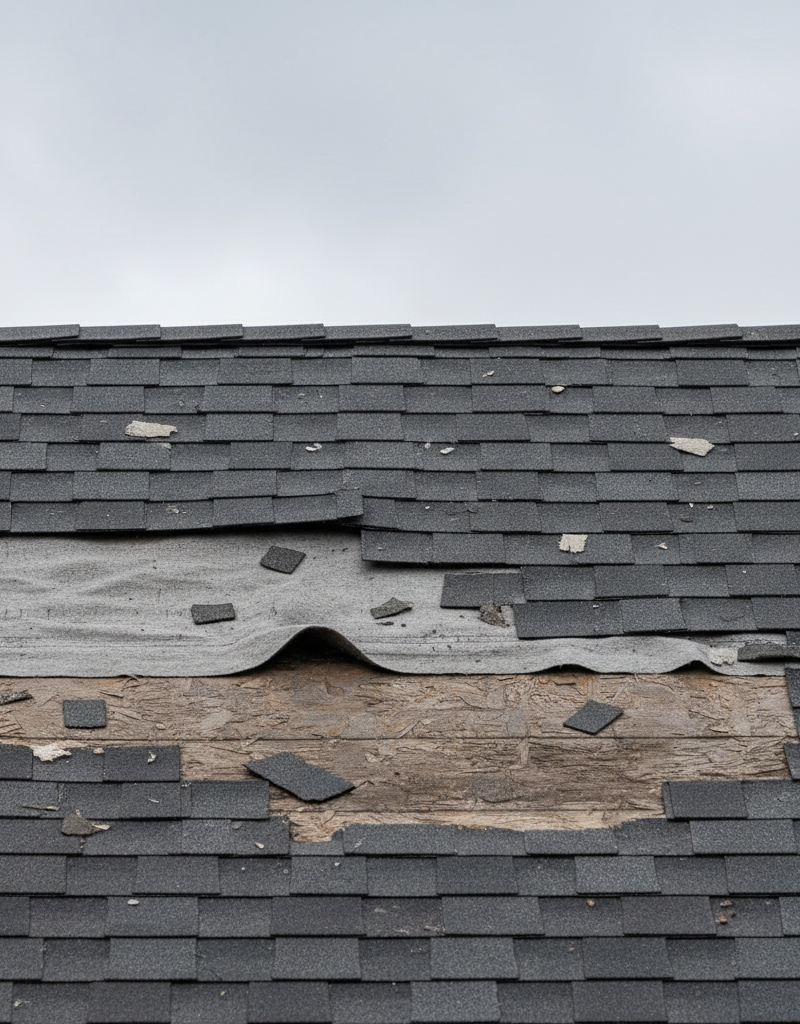
High winds, hail, and heavy rain during a storm can exert immense forces on your roof, causing individual shingles to tear off, crack, or become dislodged. When shingles are missing, the underlying roofing felt and even the roof decking are exposed to the elements. This exposure leads to a direct pathway for water intrusion into your attic and home. The immediate consequences include water stains on ceilings, dripping water, and damaged insulation. Left unaddressed, persistent leaks can lead to rot in the roof decking and framing, mold growth, compromised structural integrity, and extensive interior damage that far exceeds the cost of a shingle repair. Even a small area of missing shingles can allow gallons of water to penetrate during a sustained downpour, making rapid response critical.
How It Works
To understand why missing shingles are such a problem, it helps to know how a shingle roof protects your home. Asphalt shingles are installed in overlapping layers, creating a watershed system designed to shed water down the slope of the roof and into the gutters. Each shingle has a self-sealing adhesive strip, activated by the sun's heat, which bonds it to the shingle below, creating a wind-resistant barrier. Below the shingles, an underlayment (typically roofing felt or synthetic material) provides a secondary layer of protection, especially useful if a shingle is damaged or lost. Underneath that is the roof decking, usually plywood or OSB, which forms the structural base of the roof. When a shingle is lifted or torn away, its adhesive bond is broken, exposing the nail heads that secure it and, more critically, the underlayment and potentially the raw roof decking. Water can then seep under adjacent shingles, through nail holes, or directly onto the exposed underlayment. If the underlayment is aged, torn, or non-existent in that spot, water will penetrate directly to the decking. Over time, this moisture can cause the decking to swell, delaminate, and eventually rot, weakening the roof's structure and creating a breeding ground for mold and mildew within your attic and wall cavities. A properly installed shingle roof works as a coherent, multi-layered system, and a breach in even one layer can compromise the entire defense against water.
Step-by-Step Fix
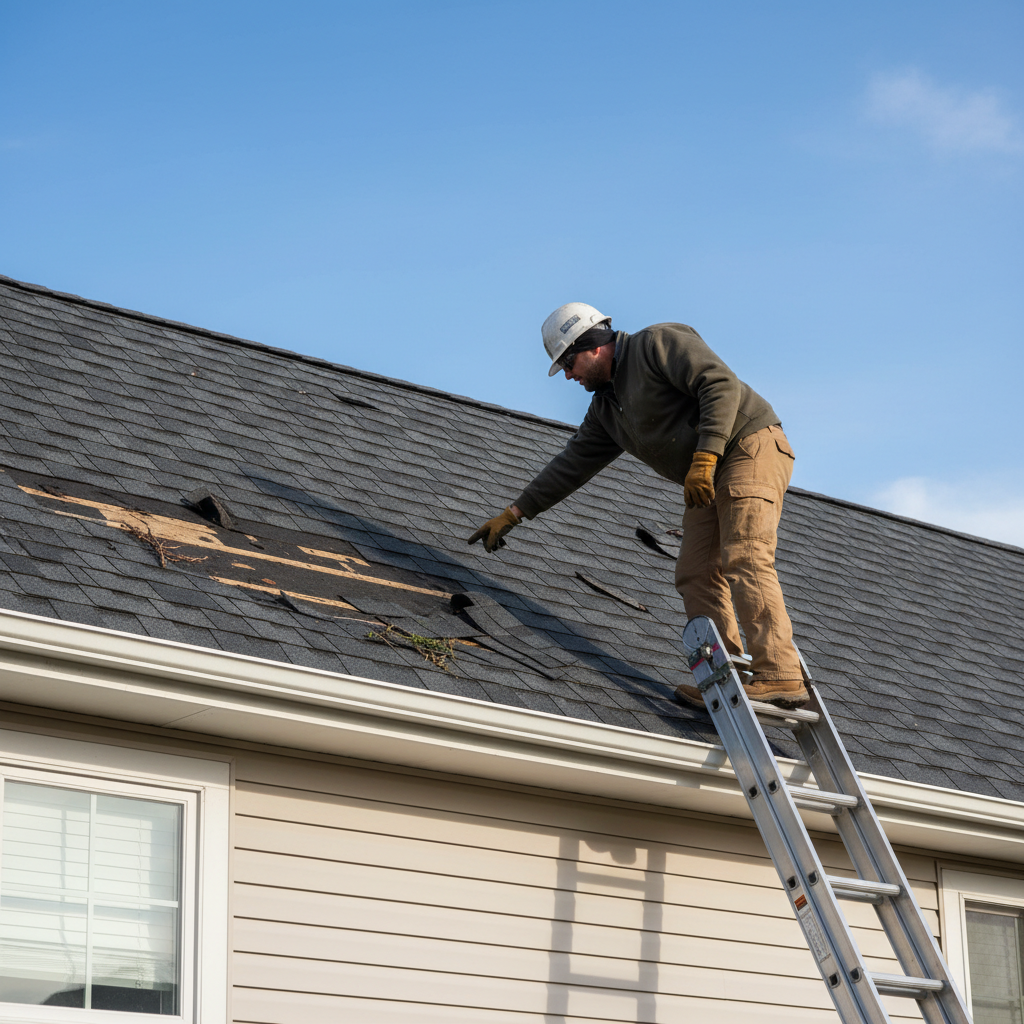
Before you begin, ensure the storm has fully passed, and it's safe to be on the roof. Avoid working on a wet or icy roof, or in windy conditions. Always wear non-slip shoes and use a sturdy ladder positioned on a firm, level surface.
-
Safety First – Inspect from the Ground — Before climbing, visually inspect the roof from the ground with binoculars. Look for areas where shingles are clearly missing, creased, or lifted. Note the location, number of missing shingles, and if any underlying felt or decking is visible. This initial assessment helps you prepare for the task ahead without unnecessary roof trips. If you see widespread damage, particularly to the roof decking, or if you're uncomfortable with heights, contact a professional.
-
Gather Your Tools and Materials — Collect everything you'll need before ascending. This includes new shingles (make sure they match your existing ones in color and type if possible), a pry bar, a hammer, roofing nails, roofing cement, and a utility knife. Having all items on hand minimizes trips up and down the ladder and improves efficiency. If you don't have matching shingles, a temporary patch with a tarp or plastic sheeting is the priority.
-
Access the Damaged Area Safely — Use a sturdy extension ladder, extending at least three feet above the roof edge. Have someone spot you if possible. Secure the ladder’s base and ensure it’s pitched at a safe 75-degree angle. Wear fall protection if you have it, especially on steep roofs. Never work alone on a roof.
-
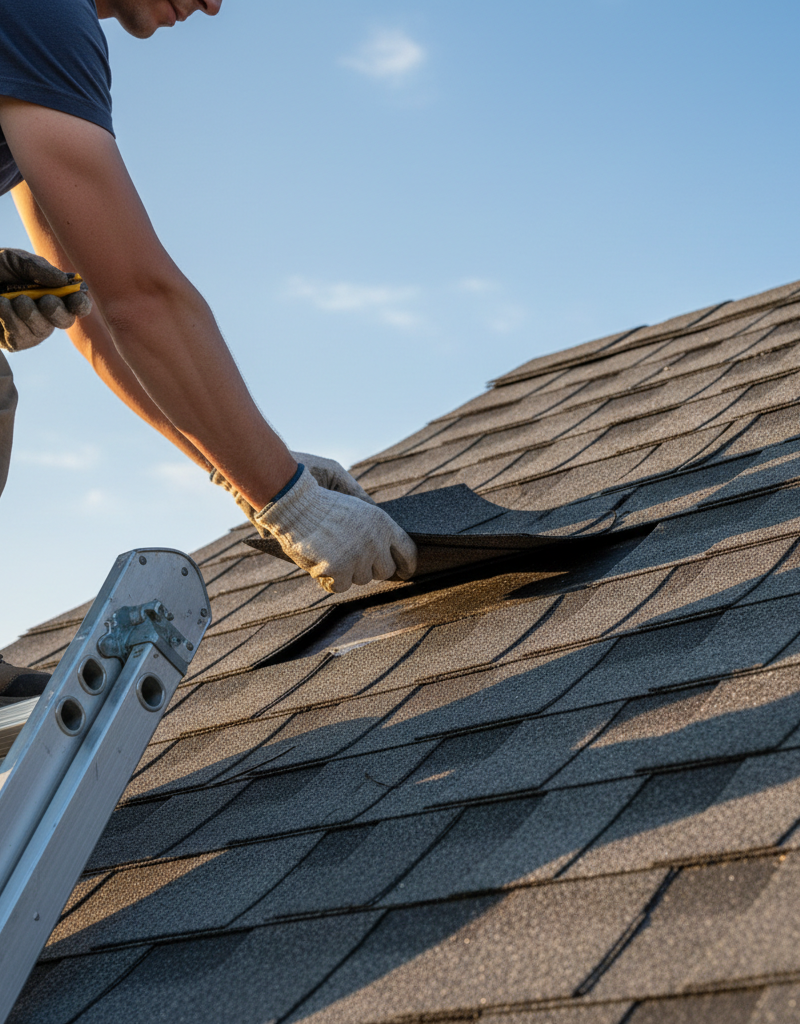
Remove Damaged Shingle Nails (If Replacing) — Carefully lift the shingle directly above the damaged or missing one. Use a pry bar to gently pry up the nails holding the damaged shingle in place. Work slowly to avoid tearing adjacent shingles. Once the nails are free, slide out any remaining pieces of the damaged shingle. For completely missing shingles, you'll skip this step and directly prepare the area.
-
Prepare the Exposed Area — Clean the area thoroughly, removing any loose debris, old shingle granules, or remaining roofing cement. Ensure the underlayment or exposed decking is dry and free of dirt. If the underlying felt is torn or damaged, you may need to patch it with a piece of new roofing felt, secured with a few dabs of roofing cement, before installing the new shingle.
-
Slide in the New Shingle — Carefully slide the new shingle into position. Ensure it aligns perfectly with the shingles on either side and below it. The bottom edge of the new shingle should neatly overlap the shingle below it, just like its neighbors. For an aesthetic match, try to mimic the original shingle exposure.
-
Secure the New Shingle — Lift the shingle directly above the new one and secure the top edge of the new shingle with four roofing nails. Place one nail about 1 inch in from each end and two nails spaced evenly in the middle, about 5/8 inch above the cut line (the top edge of the shingle below it). The nails should penetrate both the new shingle and the underlying shingle. Do not nail through the visible part of the shingle below, as this exposes the nail head to weather.
-
Seal and Adhere — Apply a small dab of roofing cement under the bottom edge of the newly installed shingle and under the bottom edges of the surrounding shingles you lifted. Press down firmly to create a seal. This helps secure the shingle against future wind lift. For temporary tarp repairs, spread roofing cement around the edges of the exposed area, then lay the tarp over it, pressing firmly into the cement and weighing down the edges with bricks or lumber.
-
Check for Other Damage — Before descending, perform a quick visual scan of the surrounding area. Check for any other lifted, cracked, or loose shingles that might have been impacted by the storm. Address them with the same methods if feasible, or make a note for future repair. It's more efficient to fix all minor issues in one trip.
Common Causes
- High Winds: The most frequent culprit. Strong winds lift and peel back shingles, particularly those with weakened adhesive seals or older, brittle materials. Wind can also create negative pressure that sucks shingles clean off the roof. Shingles on the eaves, rakes, and ridges are often most susceptible.
- Hail Impact: Large hail can crack, bruise, or even puncture shingles, compromising their integrity and leading to granular loss. Once the protective granules are gone, the asphalt mat is exposed to UV rays, accelerating deterioration and making them more vulnerable to wind.
- Improper Installation: Shingles nailed too high (nailing into the
Related Articles
Keep troubleshooting with these hand-picked guides from FixlyGuide:
- The #1 Mistake Homeowners Make After Finding Missing Shingles (And How to Fix It Right) — Discover the crucial steps to take after a storm rips shingles from your roof, ensuring a proper, lasting repair and preventing costly futu…
- Wind Tore Off Your Shingles? The 7 Critical Steps Most Homeowners Miss — Discover the essential steps to take when roof shingles go missing after a storm, from immediate safety checks to temporary repairs and ins…
- The Urgent Truth About Missing Roof Shingles (And Your 3-Step Fix) — High winds can rip shingles off your roof, exposing your home to immediate water damage – here’s how to assess, temporary patch, and plan p…
- The One Overlooked Mistake After Storm Damage: Finding Missing Roof Shingles Fast — Storms can rip off roof shingles, exposing your home to further damage. Learning how to safely assess and temporarily patch your roof is cr…
- The One Shingle Mistake That Creates Roof Leaks (And How to Fix It Fast) — Missing roof shingles after a storm can quickly lead to extensive water damage if not addressed correctly. Learn how to safely inspect and…
- The #1 Mistake Homeowners Make With HVAC Filters (And How Often to Really Change Them) — Discover the crucial mistake most homeowners make with HVAC filters and the specific schedule you should follow to avoid costly HVAC issues…
Get the print-ready PDF of this guide
A clean, ad-free, printable version you can keep on your phone or pin to the workshop wall. We'll also send occasional weekly tips matched to your home situation.
- Print-optimized layout
- Tools, materials & every step included
- Unsubscribe anytime
Frequently asked questions
How quickly do I need to fix missing shingles?+
You should address missing shingles as soon as it's safe to do so. Water can seep into your home within hours of exposure, leading to significant damage to your attic, insulation, and interior ceilings. A temporary patch should be applied immediately if a permanent repair isn't possible right away.
Can I repair missing shingles myself?+
Yes, repairing a few missing shingles is a common DIY task for homeowners comfortable on a ladder and with basic hand tools. However, for extensive damage, steep roofs, or if you're unsure, it's always best to call a professional roofing contractor.
What if I can't find matching replacement shingles?+
If you can't find an exact match, use the closest available color and type for a functional repair. For aesthetic consistency, you might be able to 'borrow' a few less visible shingles (e.g., from a shed or underneath a solar panel) and use the new, non-matching shingles in that less visible spot. Otherwise, a temporary tarp or plastic sheeting is the best immediate solution.
Will my homeowner's insurance cover missing shingles from a storm?+
Most homeowner's insurance policies cover roof damage due to sudden and accidental events like storms, hail, or strong winds. Document the damage thoroughly with photos and contact your insurance provider as soon as possible to understand your coverage and start the claims process. Be aware of your deductible.
Discussion
Loading comments…