Tools & materials you'll need
Affiliate linksAs an Amazon Associate FixlyGuide earns from qualifying purchases — at no extra cost to you. Prices and availability are accurate as of publication and subject to change.
Quick Answer
If your shower suddenly lacks hot water while other fixtures in your home, like sinks, still provide it, the issue most likely lies within the shower's mixing valve. The anti-scald device, specifically the thermostatic or pressure-balancing cartridge inside the valve, is the prime suspect. Over time, mineral deposits can accumulate, or the cartridge can simply wear out, preventing it from correctly blending hot and cold water. This often results in a shower that runs exclusively cold. Repairing this usually involves cleaning or replacing the cartridge, a task most homeowners can tackle with basic tools.
The Problem
There's nothing quite as jarring as stepping into a shower, expecting warmth, and being met with an icy blast. This specific problem – a lack of hot water only in the shower, while other faucets in the house deliver perfectly heated water – points away from a general water heater issue. Instead, it directs our attention to the shower system itself. Your water heater is doing its job, sending hot water through your pipes. The cold water supply is also undoubtedly reaching the shower. The breakdown occurs at the point where these two water sources are supposed to combine: the shower's mixing valve. When this valve malfunctions, particularly its internal anti-scald components, it can prohibit hot water from entering the showerhead, leaving you with nothing but cold.
How It Works
To understand why your shower is refusing hot water, it helps to grasp how modern shower valves work. Most contemporary showers use either a pressure-balancing or a thermostatic mixing valve, both featuring an anti-scald function. These devices are mandated by plumbing codes to prevent sudden temperature changes that could cause scalding or thermal shock.
-
Pressure-Balancing Valves: These valves maintain a consistent water temperature by sensing and compensating for changes in water pressure on either the hot or cold supply lines. If, for instance, someone flushes a toilet (drawing cold water), the pressure-balancing spool within the cartridge will instantly reduce the flow of hot water to match the sudden drop in cold water pressure. This prevents a burst of scalding hot water. The cartridge contains seals, O-rings, and a spool that move to achieve this balance. When these components get gummed up with mineral deposits or wear out, they can get stuck in a position that restricts or completely blocks the hot water flow.
-
Thermostatic Valves: These are more sophisticated, using a wax element or bimetallic coil to directly sense and regulate the water temperature. You set your desired temperature, and the valve's cartridge adjusts the hot and cold water flow to maintain that exact temperature, regardless of pressure fluctuations. If the thermostatic element fails or is obstructed by debris, it can fail to open the hot water port or keep it closed entirely, leading to a cold shower.
In both types, the 'cartridge' is the central, removable component that houses these balancing or thermostatic mechanisms. Over time, sediment, hard water mineral deposits (like calcium and magnesium), or even small pieces of pipe scale can accumulate around or inside this cartridge. This buildup restricts the cartridge's movement, preventing it from functioning correctly, especially in opening the hot water port. Additionally, the rubber seals and O-rings within the cartridge can degrade and stiffen, losing their ability to create a proper seal or allow for smooth movement, again leading to flow issues. When this happens, even though hot water is available to the valve, it can't pass through to the showerhead.
Step-by-Step Fix
Safety Note: Always turn off the main water supply to your house before working on any plumbing fixture to prevent leaks and flooding.
-
Identify Your Valve Type – Before you begin, identify whether you have a single-handle (often a cartridge valve) or a two- or three-handle shower valve. Most modern showers with anti-scald features use a single-handle cartridge. For this guide, we'll focus on the more common single-handle cartridge valve. Look for a brand name on the escutcheon plate if possible, as this will help when sourcing parts.
-
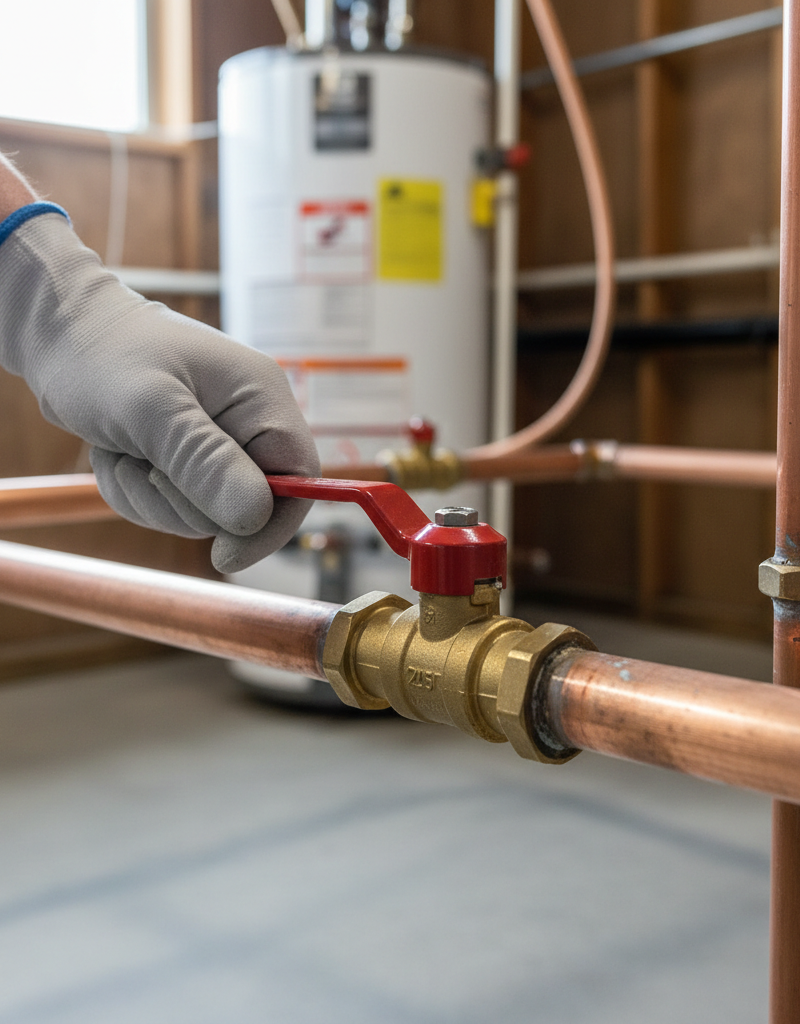
Shut Off the Water Supply – Turn off the main water supply to your house. You might have a dedicated shut-off valve for the bathroom, but if not, use the main house shut-off.
- If this doesn't work: Ensure the main valve is fully closed. Some old valves can be stiff or leaky. Have towels ready.
-
Prepare the Work Area and Drain Lines – Lay towels in the tub or shower base. Open a lower hot water faucet in the house (like a sink) to drain residual water from the hot water lines. Do the same for a cold water faucet.
-
Remove the Shower Handle – Typically, there's a small screw (often a Phillips head or Allen screw) on the underside or front of the handle. It might be hidden under a decorative cap. Pop off the cap (if present) and unscrew it. Pull the handle straight off.
- Tools: Small flathead screwdriver for cap, Phillips head or Allen wrench for handle screw.
- If it's stuck: Gently pry around the base of the handle with a flathead screwdriver or use a handle puller tool.
-
Remove the Escutcheon Plate – This is the decorative plate against the wall. It's usually held on by two or four screws. Unscrew these and remove the plate. Be gentle to avoid damaging the wall or shower surround.
- Preparation: Note its orientation for reinstallation.
-
Extract the Cartridge Retainer – You'll now see the valve body and the cartridge inside. The cartridge is typically held in place by a retaining clip (often a U-shaped or horse-shoe clip) or a retaining nut. Use needle-nose pliers or a flathead screwdriver to gently pull out the clip. If it's a nut, use an adjustable wrench to loosen and remove it.
- Safety: Be careful not to drop the clip down the drain.
- Tip: Take a photo of the cartridge's orientation before removal – some have a 'hot' side indicator.
-
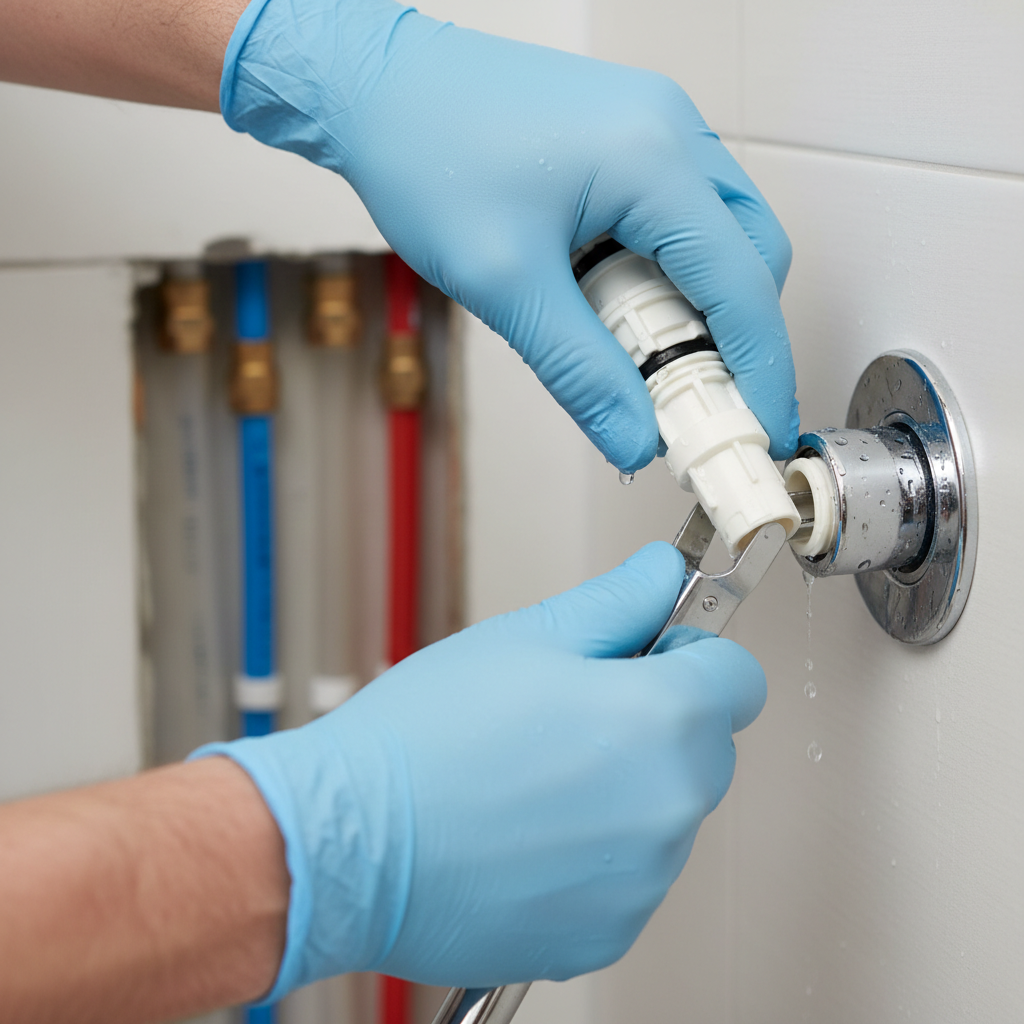
Remove the Old Cartridge – Grasp the stem of the cartridge with pliers and pull it straight out. Some cartridges require a slight twist. If it's stubborn due to mineral buildup, you might need a cartridge puller tool specific to your valve brand (e.g., Moen, Delta, Pfister). Twist and pull firmly but gently.
- Inspection: Examine the old cartridge for mineral buildup, cracks, or worn-out O-rings. This will give clues about the problem.
-
Clean the Valve Body and Cartridge (If Reusing) – If the cartridge appears intact but coated in mineral deposits, you may be able to clean it. Soak the cartridge in a solution of equal parts white vinegar and water for several hours or overnight. Use a small brush (like an old toothbrush) to scrub away deposits from the cartridge and the inside of the valve body. Ensure all ports are clear.
- Prevention: Regularly cleaning the visible parts of your shower can help prevent long-term buildup.
-
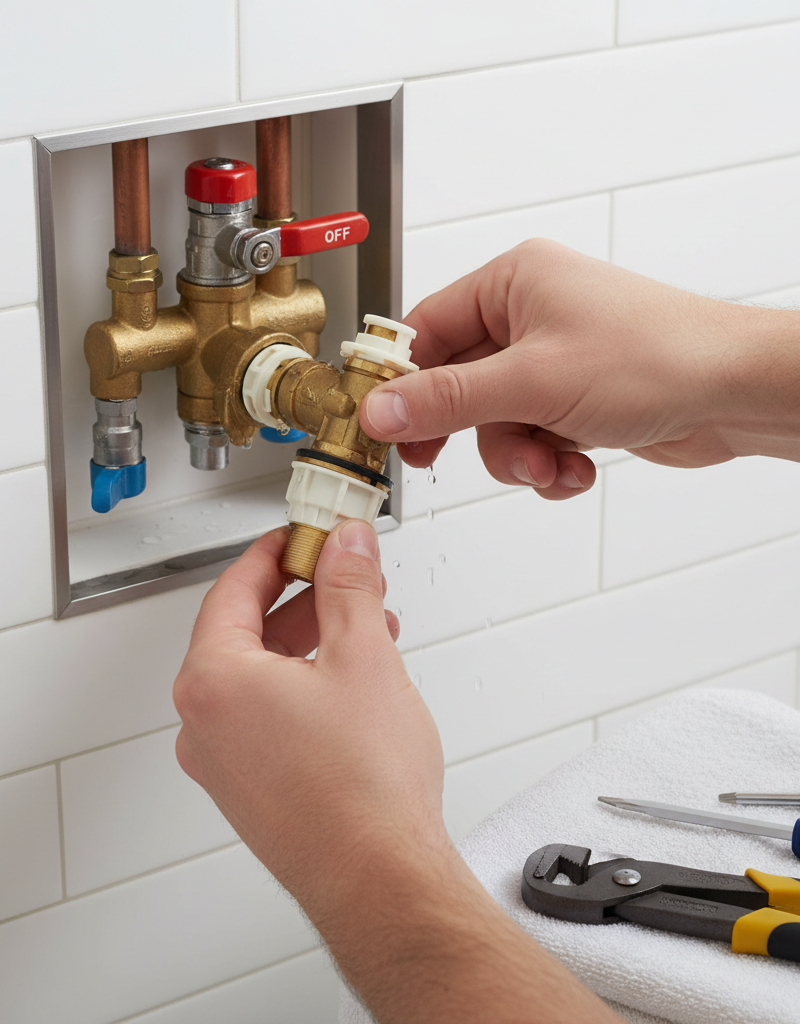
Install the New or Cleaned Cartridge – If you purchased a new cartridge, ensure it's the exact replacement for your valve brand and model. Lubricate the O-rings on the new (or cleaned) cartridge with plumber's silicone grease. Align the cartridge correctly (look for 'hot' side markings or align with the original orientation) and push it firmly into the valve body until it's seated properly.
- Alignment: Misalignment can lead to improper function or leaks.
-
Reassemble the Valve – Replace the retaining clip or tighten the retaining nut, ensuring it's secure. Reattach the escutcheon plate and its screws. Finally, put the handle back on and tighten its screw. Replace any decorative caps.
-
Restore Water and Test – Slowly turn the main water supply back on. Go to the shower and test the water temperature. Allow the water to run for a few minutes to flush out any air in the lines. Check for leaks around the valve.
- Troubleshooting: If hot water is still an issue, double-check cartridge orientation or consider if the anti-scald limit stop needs adjustment (usually a small plastic ring around the cartridge stem).
Common Causes
- Worn or Damaged Cartridge: This is the most prevalent cause. The internal components, seals, and O-rings within the cartridge inevitably wear out over time, preventing it from mixing water correctly.
- Mineral Buildup: Hard water often leads to the accumulation of calcium, magnesium, and other mineral deposits on and within the cartridge. This
Frequently asked questions
Why is there hot water everywhere else but not in my shower?+
If other faucets in your home have hot water, the issue is almost certainly isolated to your shower's mixing valve. The cartridge inside the valve, which blends hot and cold water, is likely malfunctioning due to wear or mineral buildup. It's not a water heater problem.
How do I know if I have a pressure-balancing or thermostatic valve?+
Pressure-balancing valves typically have a single handle that controls both on/off and temperature. Thermostatic valves often have two handles: one for on/off/volume and a separate one with temperature markings (like degrees Fahrenheit) to set a specific temperature.
Can I just clean the cartridge or do I need to replace it?+
It depends on the condition. If the cartridge has visible mineral buildup but no cracks or severe wear on the seals, cleaning it in a vinegar solution can often restore its function. However, if seals are degraded, or plastic components are broken, replacement is necessary for a lasting fix.
Is it hard to replace a shower cartridge?+
For most common single-handle cartridge valves, replacing the cartridge is a moderate DIY task. It involves turning off the water, removing the handle and escutcheon, extracting a retaining clip, and pulling out the old cartridge. The most challenging part is often getting a stuck cartridge out or finding the exact replacement part.
Discussion
Loading comments…