Tools & materials you'll need
Affiliate linksAs an Amazon Associate FixlyGuide earns from qualifying purchases — at no extra cost to you. Prices and availability are accurate as of publication and subject to change.
Quick Answer
The oven self-clean danger lies in the extreme heat (800-1000°F) it uses. This process, called pyrolysis, can release harmful carbon monoxide and toxic fumes from food debris and oven components, posing risks to your health and pets. It can also cause premature failure of thermal fuses, control boards, and other expensive parts, leading to costly repairs.
The Problem
That little button promises a sparkling, chemical-free clean with minimal effort. But behind the convenience of your oven's self-clean cycle lurks a significant potential for trouble. The primary oven self-clean danger isn't just a bit of smoke; it's a combination of health hazards, fire risks, and the potential for catastrophic appliance failure. The process works by superheating the oven's interior to temperatures between 800°F and 1000°F (430-540°C), incinerating baked-on grease and food spills into a fine ash. While effective, this brute-force method creates several serious problems.
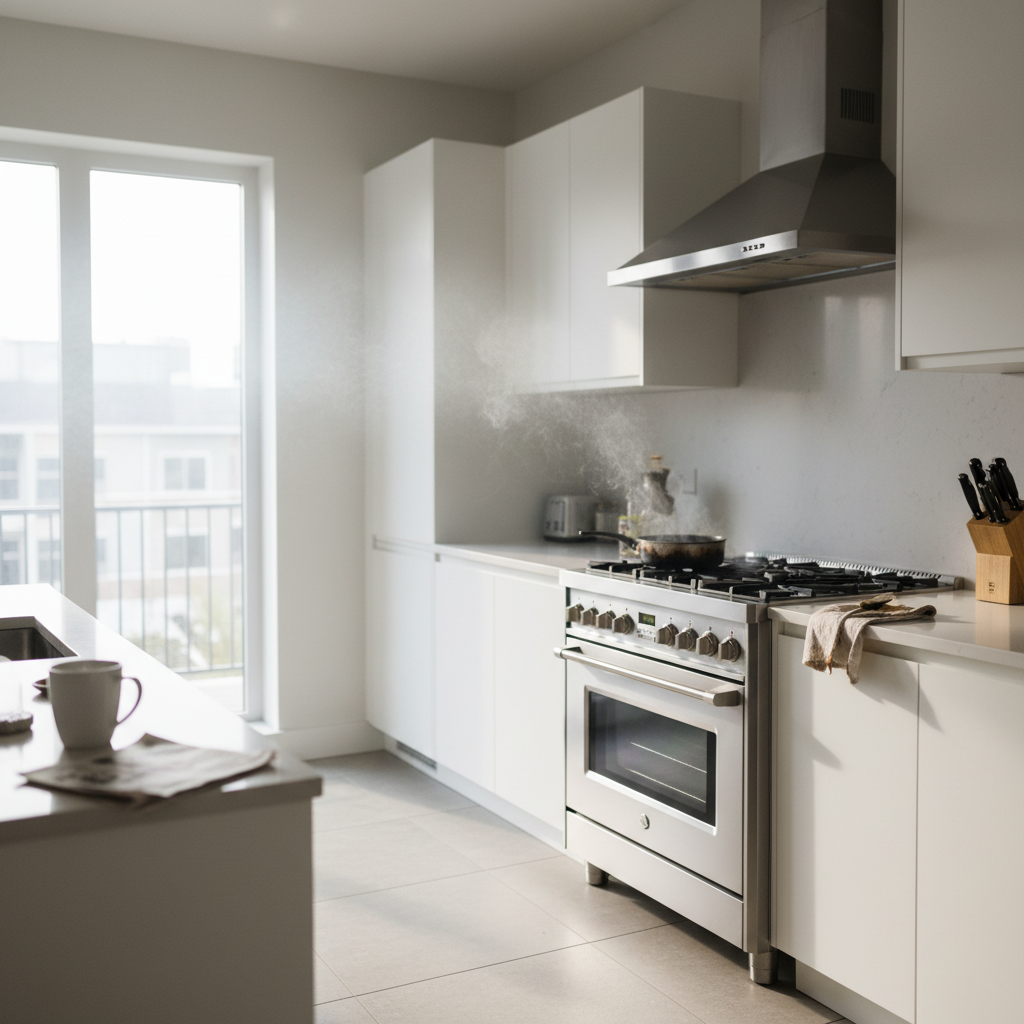
First, there's the issue of toxic fumes. When food residue—especially sugary sauces and greasy fats—is heated to such extreme temperatures, it doesn't just turn to ash. It undergoes a chemical change, releasing smoke laden with carbon monoxide, acrolein, and other volatile organic compounds (VOCs). Carbon monoxide is a colorless, odorless gas that can be lethal in high concentrations. Acrolein is the same chemical found in burnt grease and cigarette smoke, responsible for that acrid, eye-watering smell; it's a potent respiratory irritant. Furthermore, if your oven has Teflon-coated (PTFE) racks or interior parts that aren't meant for the cycle, the heat can cause them to break down and release polytetrafluoroethylene fumes, which are notoriously toxic to birds and can cause flu-like symptoms in humans (a condition known as "polymer fume fever").
Second, the risk of fire is very real. If there are large food spills or pools of grease at the bottom of your oven, they can literally ignite at these temperatures. While an oven fire is usually contained within the sealed box, it produces a tremendous amount of thick, black smoke and can cause the appliance to short out, potentially damaging the surrounding cabinetry or wiring. The self-locking door is designed for safety, but in the event of a fire, it prevents you from intervening directly.
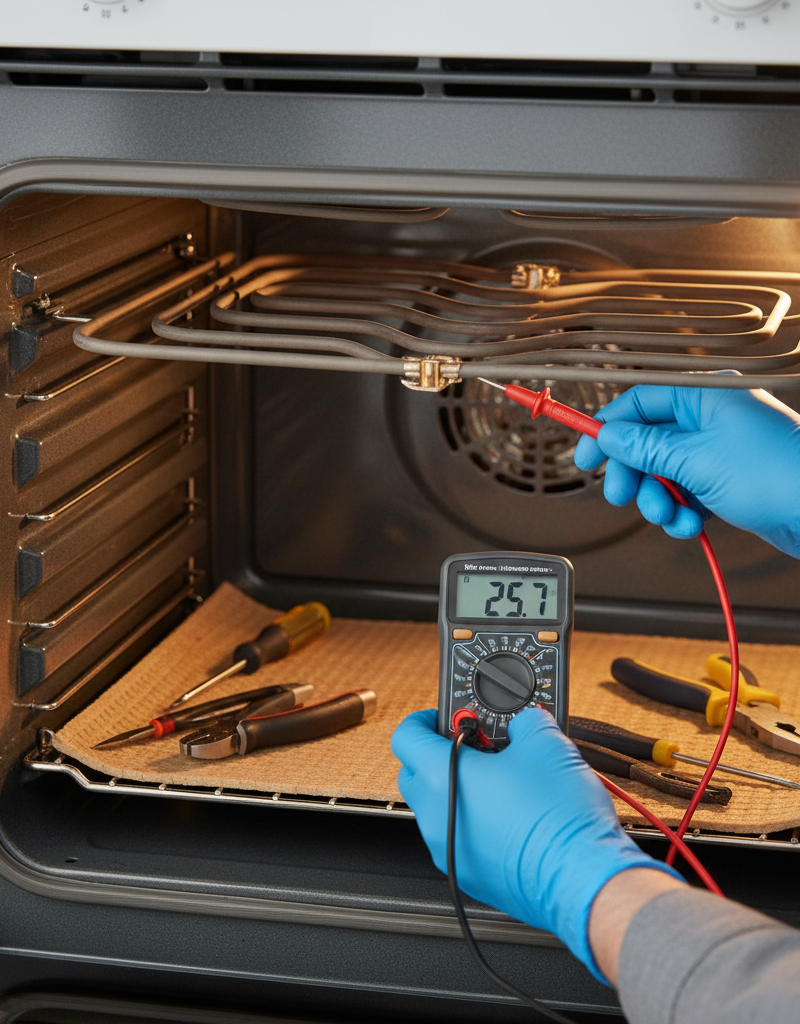
Finally, the intense, prolonged heat is incredibly stressful on the oven's electronic components. The number one casualty is the thermal fuse, a safety device designed to fail (blow) when temperatures exceed a safe limit. It's a cheap part, but often buried deep within the oven's casing, requiring a professional to replace. The electronic control board, the oven's "brain," is also highly susceptible to heat damage, and its failure is a much more expensive repair, often costing hundreds of dollars. The oven's heating elements and door gasket can also wear out and fail under the strain. For many homeowners, the first time they experience an appliance failure is immediately after running the self-clean cycle, turning a "free" cleaning into a multi-hundred-dollar service call.
How It Works
The self-cleaning oven, a feature that became popular in the 1960s, relies on a simple and brutal principle: pyrolysis. This term refers to the thermal decomposition of materials at elevated temperatures in an inert atmosphere. In your oven, the "material" is baked-on food, and the extreme heat breaks down its complex organic molecules into simpler, volatile compounds (which become smoke and fumes) and a stable solid residue (carbon, or ash).
The process begins when you select the self-clean cycle on your oven's control panel. First, a motorized latch engages, securely locking the oven door. This is a critical safety feature to prevent accidental opening and exposure to the extreme temperatures inside. Once the door is confirmed locked, the oven's electronics bypass the normal thermostatic controls that cap temperatures at 550°F for baking or broiling. The bake and broil elements are then activated, often in a specific sequence designed to distribute heat as evenly as possible.
The oven's internal temperature rises steadily over the course of about an hour, soaring past normal cooking temperatures to reach a searing peak of 800°F to 1000°F. It maintains this heat for a period of two to four hours, depending on the cycle length you select (many ovens offer a "light" or "heavy" soil option). During this time, the intense heat incinerates every last bit of grease, cheese, and spilled sauce. The smoke and fumes generated are vented out of the oven, typically through a small port on the cooktop, near the back of the oven, or sometimes under the control panel. This is why you must never block these vents. After the incineration phase, the elements shut off and a long cool-down period begins, which can take another one to two hours. The door will not unlock until the internal temperature has dropped to a safe level, usually below 300°F. The only task left for the homeowner is to wipe away the small pile of fine, gray ash with a damp cloth.
Step-by-Step Fix: How to Safely Run the Cycle
If you choose to accept the oven self-clean danger and proceed, following these steps meticulously can help mitigate the risks of component failure and harmful fumes.
-
Perform a Manual Pre-Clean — The most crucial step is to reduce the "fuel load" inside the oven. Use a plastic scraper and a damp cloth to remove any large, loose food deposits, pools of grease, or significant spills from the oven floor and sides. The less debris there is to incinerate, the less smoke and fewer fumes will be produced.
-
Remove All Racks and Accessories — Take everything out of the oven: racks, broiler pans, thermometers, pizza stones, and any foil liners. Most oven racks are chrome-plated and will discolor and lose their smooth-gliding finish in the extreme heat. Some gray porcelain-coated racks are rated for self-cleaning, but consult your manual to be certain. Never self-clean with racks that have a shiny, silver finish.
-
Clean Rack Guides and Gasket — With the racks out, use a soapy cloth to wipe down the rack guides on the oven walls. Also, gently wipe the area around the inside of the oven door and the exposed fiberglass gasket on the oven's frame. Use only water on the gasket itself. Do not scrub or use abrasive cleaners on the gasket, as a damaged gasket can't seal heat effectively.
-
Check the Vent — Locate your oven's vent. On a freestanding range, it's usually under one of the back burners or in the center of the backsplash. On a wall oven, it's often a thin slit either above or below the door. Ensure this vent is completely clear and unobstructed to allow fumes to escape properly.
-
Ensure Maximum Ventilation — This is non-negotiable. Open windows in and near the kitchen. Turn on your range hood exhaust fan to its highest setting. If you have a window fan, set it up to blow air out of the kitchen. This helps to exhaust carbon monoxide and other fumes, minimizing your exposure.
-
Relocate Pets and Sensitive Individuals — Birds are extremely sensitive to the fumes and must be moved to another part of the house, or preferably to a different location entirely, for the duration of the cycle and cool-down period. It’s also wise to keep children, the elderly, and anyone with respiratory issues away from the immediate area.
-
Choose the Right Time — Start the cycle in the morning on a day when you will be home for the entire 3-5 hour duration. Never run it overnight or when you are away. This allows you to monitor the situation for excessive smoke or any signs of malfunction. Avoid using it right before a major holiday when an oven failure would be disastrous.
-
Initiate the Cycle — Once all preparations are complete, close the oven door and start the self-clean cycle according to your manufacturer's instructions. The door will lock, and the process will begin. It is normal to hear clicking sounds and for the exterior of the oven to become very hot.
-
Monitor for Alarms — A small amount of odor and light haze is common, especially for the first 30-60 minutes. However, if you see thick, billowing smoke or if your smoke alarm goes off, it's a sign that the initial pre-cleaning was insufficient. In this case, press the "Cancel" or "Off" button immediately. The cycle will stop, but the door will remain locked until the oven cools to a safe temperature. Do not attempt to force the door open.
-
Wait for the Cool-Down — After the heating phase is complete, the oven will need 1-2 hours to cool down. The door lock will automatically disengage when the temperature is safe. Do not try to rush this process.
-
Wipe Out the Ash — Once the cycle is fully complete and the oven is cool, open the door. You will find a small amount of fine, white or gray ash. Use a damp cloth or a wet/dry vac to wipe it all out. Your oven cavity should now be clean.
Common Causes
The common issues associated with the oven self-clean cycle all stem from its core design: extreme heat. Understanding these causes can help you avoid a costly failure.
- Excessive Food Soil: This is the number one cause of problems. Large grease spills or heavy carbon buildup act as fuel. When incinerated, they produce excessive smoke and fumes, and can even ignite, creating a fire risk and guaranteeing your smoke alarms will go off.
- Blocked Vents: If the oven vent is covered by pans, foil, or other items on the stovetop, the heat and fumes cannot escape properly. This can trap heat within the oven's chassis, overheating and destroying sensitive electronic components like the main control board or thermal fuse.
- Using Aluminum Foil: Placing aluminum foil on the oven floor to catch drips is a common mistake. During a self-clean cycle, the intense heat can actually melt the foil, bonding it permanently to the porcelain enamel surface and causing irreparable damage. It also reflects heat in unpredictable ways, contributing to component failure.
- Age and Component Fatigue: Ovens, like any appliance, have a finite lifespan. In an older oven (8+ years), the electronic components, wiring insulation, and safety fuses have already been subjected to thousands of heating and cooling cycles. The intense stress of a 4-hour, 900°F self-clean cycle can be the final straw that causes a worn-out part to fail.
- Poor Kitchen Ventilation: Running the cycle in a tightly sealed kitchen concentrates the harmful fumes, including carbon monoxide. This lack of airflow creates a significant health hazard for the home's occupants.
Common Mistakes
Avoiding these common blunders can save you from a service call and potential health risks.
- Leaving the Racks Inside: Standard chrome racks are not designed for pyrolytic temperatures. They will warp, lose their chrome finish, and become difficult to slide in and out.
- Not Pre-Cleaning at All: Believing the cycle can handle anything is a recipe for disaster. Hitting "start" on an oven with a quarter-inch of baked-on grease on the bottom is asking for a kitchen full of acrid smoke.
- Running the Cycle Before a Holiday: Many appliance repair technicians report a surge in calls for dead ovens right after Thanksgiving or Christmas. Homeowners run the self-clean cycle to prepare for the big meal, only for the stress to blow a fuse or kill the control board, leaving them without an oven when they need it most.
- Ignoring a Strong Chemical Smell: While some odor is normal, a persistent, overpowering chemical or plastic smell could indicate that non-rated parts (or forgotten items) are melting inside. This is a serious oven self-clean danger and the cycle should be cancelled immediately.
- Failing to Protect Pets: Forgetting to move the family canary, parrot, or other small pets out of the area is a tragic and unfortunately common mistake. Their respiratory systems are uniquely vulnerable to the fumes produced.
- Trying to Force the Door Open: If the cycle is cancelled or finishes, but the door remains locked, do not try to pry it open. The lock is a safety mechanism. The oven is likely still too hot. If it doesn't unlock after several hours, it indicates a malfunction with the lock mechanism or control board, and you will need to call a professional.
Cost & Time Breakdown
Running the self-clean cycle is technically free, but a failure can be expensive. Here’s how the costs and time compare to alternatives and potential repairs.
| Task | DIY Cost | Pro Cost | Time Involved |
|---|---|---|---|
| Oven Self-Clean Cycle | $2-$5 in electricity | N/A | 3-5 hours |
| DIY Fume-Free Deep Clean | $10-$20 (cleaner, cloths) | N/A | 1-2 hours of work |
| Thermal Fuse Replacement | $15-$30 (part only) | $150 - $250 | 1-2 hours |
| Control Board Replacement | $150-$300 (part only) | $300 - $600+ | 1-1.5 hours |
| Door Gasket Replacement | $40-$75 (part only) | $175 - $275 | 30-45 minutes |
| Professional Oven Cleaning | N/A | $125 - $200 | 2-3 hours |
Tips & Prevention
For a clean oven without the risk, consider these safer and more reliable methods.
- Clean Spills as They Happen: The best defense is a good offense. Once the oven is cool, wipe up spills and splatters with a damp cloth before they have a chance to bake on. This takes 30 seconds and drastically reduces the need for deep cleaning.
- Use Fume-Free Oven Cleaner: Modern oven cleaners are highly effective and don't have the harsh lye-based fumes of old. Products like carbona or Goo Gone oven cleaners (always check for brand-agnostic product types if needed) can be sprayed in a cold oven, left to sit for a few hours, and then wiped clean with minimal effort and no toxic smoke.
- Embrace the Steam Clean Feature: Many newer ovens have a "steam clean" or "aqua clean" option. This cycle uses a lower temperature (around 250°F) and a cup of water to create steam that softens light soils, which can then be easily wiped away. It's not for heavy-duty jobs but is perfect for regular maintenance.
- Create a DIY Cleaning Paste: For a gentle, effective cleaning solution, mix 1/2 cup of baking soda with 3-4 tablespoons of water to form a thick paste. Spread it all over the interior surfaces of your cold oven (avoiding the heating elements), let it sit overnight, then spray with white vinegar and wipe away the resulting foam and grime.
- Use Oven Liners Correctly: A non-stick oven liner placed on the lowest rack (never on the oven floor) can catch drips and is easily removed and washed. Again, placing it on the floor can block heat flow and damage the oven.
- Schedule a Manual Clean: Once every 2-3 months, dedicate an hour to manually cleaning your oven using one of the methods above. This regular maintenance schedule will prevent the type of extreme buildup that makes the self-clean cycle seem tempting in the first place.
When to Call a Professional
While a bit of smoke or an initial odor can be normal, there are clear signs that the oven self-clean danger has manifested as a real problem requiring professional help. If you've run the cycle and the oven is completely dead—no lights, no clock—you have most likely blown the thermal fuse or the main control board. This is not a simple DIY fix for most homeowners, as it requires uninstalling the oven, disassembling the outer shell to access the components, and working with electrical wiring. Call an appliance repair technician.
Similarly, if the cycle finishes and the door refuses to unlock even after the oven has been completely cool for several hours, the door lock mechanism has likely failed. Do not attempt to force it open, as you can cause hundreds of dollars in damage to the door and frame. A professional has the tools and knowledge to manually release the lock and replace the faulty assembly. Finally, if you see any error codes on the display after the cycle, or if the oven now fails to heat properly, it's time to book a service call. It's always safer and ultimately cheaper to have a qualified technician diagnose and fix an electronic or mechanical failure caused by the intense stress of self-cleaning.
Frequently asked questions
What is that horrible smell during the self-clean cycle?+
The smell is primarily from the incineration of food soils, which releases carbon monoxide, acrolein, and other irritating VOCs. If you have non-stick racks or used foil, you may also smell fumes from PTFE (Teflon) or other chemicals breaking down, which are toxic.
Can I leave the house while the oven is self-cleaning?+
No, you should never leave the house or run the cycle overnight. The risk of fire or malfunction, though small, is real. You need to be present to monitor the process, respond to smoke alarms, and cancel the cycle if necessary.
- Is the oven self-clean danger real for pets?+
Yes, it is extremely dangerous for birds, whose respiratory systems are highly sensitive to the PTFE fumes, which can be fatal. It is strongly recommended to move all pets, especially birds, to a well-ventilated area far from the kitchen or to another location for the duration of the cycle.
My oven won't turn on after I used the self-clean feature. What happened?+
The most likely cause is a blown thermal fuse. The extreme heat of the cycle can cause this safety component to fail, cutting power to the oven. It's a common failure mode and requires a professional repair, as the fuse is usually located inside the oven's chassis.
Discussion
Loading comments…