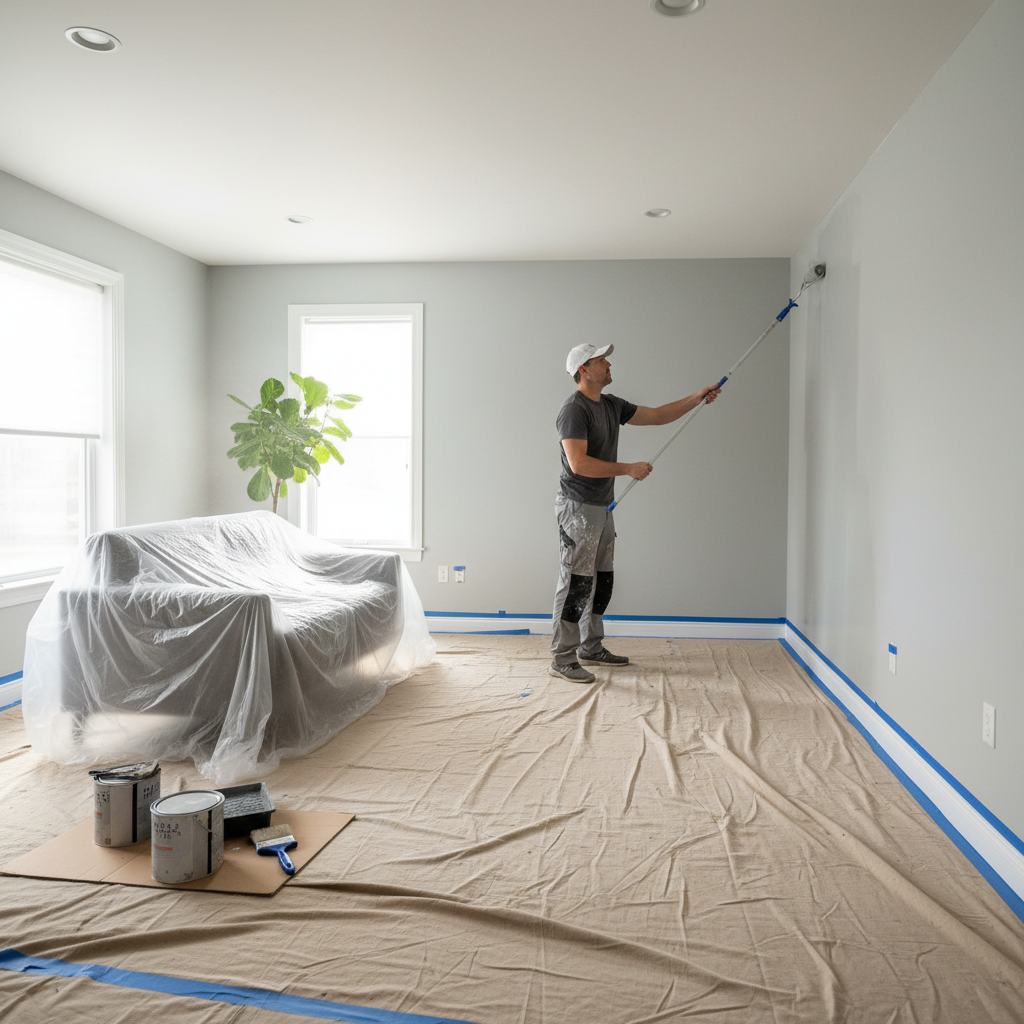
Tools & materials you'll need
Affiliate linksAs an Amazon Associate FixlyGuide earns from qualifying purchases — at no extra cost to you. Prices and availability are accurate as of publication and subject to change.
Quick Answer
Achieving a professional-looking paint job in a room isn't just about picking the right color; it's crucially about meticulous preparation, using high-quality tools, and applying proper techniques. Many homeowners rush these preliminary steps or use incorrect methods, leading to frustrating issues like visible brush strokes, uneven sheen, paint drips, or poor adhesion. By focusing on surface cleaning, patching, priming, precise cutting-in, and consistent rolling, you can transform a typical DIY paint job into one that rivals a professional's finish.
The Problem
Most homeowners assume painting is a straightforward task: buy paint, dip brush, apply to wall. However, this simplistic approach often leads to disappointing results. The 'problem' isn't usually the paint itself, but a series of overlooked or poorly executed steps that culminate in a less-than-perfect finish. Common complaints include paint peeling prematurely, visible roller marks or brush strokes, inconsistent color across the wall, paint splatters on trim or ceilings, and the overall job looking amateurish rather than crisp and clean. These issues stem from a lack of understanding of surface dynamics, paint chemistry, and application best practices. Without addressing these underlying factors, even the most expensive paint won't deliver the desired professional look.
How It Works
Understanding how paint adheres and cures is fundamental to achieving a professional finish. Paint isn't just a colored liquid; it's a complex chemical mixture designed to form a durable film. When paint is applied, solvents in the mixture evaporate, allowing resin binders to coalesce and pigments to form an opaque layer. As this process, known as curing, continues, the paint hardens and strengthens, creating a protective and decorative surface. Different types of paint (latex, oil-based) and finishes (flat, satin, semi-gloss) have varying characteristics related to drying time, hardness, and washability. For instance, latex paints are water-based and dry relatively quickly, making them easier to clean up but also more prone to showing roller marks if not applied efficiently. Oil-based paints, while more durable, have a longer drying time and require mineral spirits for cleanup. Primer plays a critical role by preparing the surface for optimal paint adhesion, sealing porous materials, blocking stains, and ensuring uniform color absorption. Without proper surface prep (cleaning, sanding, patching) and the correct application sequence (primer, then two thin coats of paint), the paint film won't bond effectively, leading to flaking, uneven color, or a poor sheen. The choice of roller nap and brush type also impacts coverage and texture, with different surfaces demanding specific tools for the best outcome.
Step-by-Step Fix
1. Clear and Protect the Room – Create a blank canvas and safeguard your belongings.
Before you even think about opening a paint can, remove all furniture from the room if possible. If not, consolidate it in the center and cover it completely with plastic sheeting. Remove all wall hangings, light switch covers, and outlet plates. Lay down canvas drop cloths across the entire floor. Unlike thin plastic, canvas absorbs drips and is less slippery, preventing tracking wet paint around your home. Secure drop cloths with painter's tape along the baseboards to prevent slippage.
- Safety Note: Always disconnect power to outlets and switches you're removing. Use a non-contact voltage tester to confirm power is off before touching wires.
2. Clean and Degrease All Surfaces – Paint adheres best to a pristine surface.
Dust, grime, and grease are enemies of good paint adhesion. Fill two buckets with warm water. Add a few drops of mild dish soap or a dedicated paint-prep cleaner to one bucket. Using a clean sponge, wash down all walls, trim, and ceilings from top to bottom. Pay extra attention to high-traffic areas like entryways and around light switches, which accumulate more hand oils. Rinse thoroughly with clean water from the second bucket, wringing your sponge almost dry. Allow surfaces to dry completely, which can take several hours depending on humidity.
- If your walls have smoke stains or heavy grease: Use a degreaser like TSP (trisodium phosphate) substitute. Wear gloves and eye protection when using strong cleaners, and follow manufacturer instructions carefully for dilution and rinsing.
3. Repair Imperfections and Sand Smooth – Smooth walls are the secret to a professional finish.
Inspect walls and trim for nicks, dents, nail holes, and cracks. Fill small holes and cracks with lightweight spackle. For larger dents or imperfections, use joint compound. Overfill slightly, then allow to dry completely (check product instructions, usually 30 minutes to a few hours). Once dry, sand the patched areas smooth with 120-grit sandpaper, then finish with 220-grit for a seamless blend. Use a sanding block for even pressure. For older homes with lead paint concerns, consult a professional for testing before sanding, as lead dust is hazardous. After sanding, meticulously wipe down all surfaces with a damp cloth to remove any dust, then vacuum the floor.
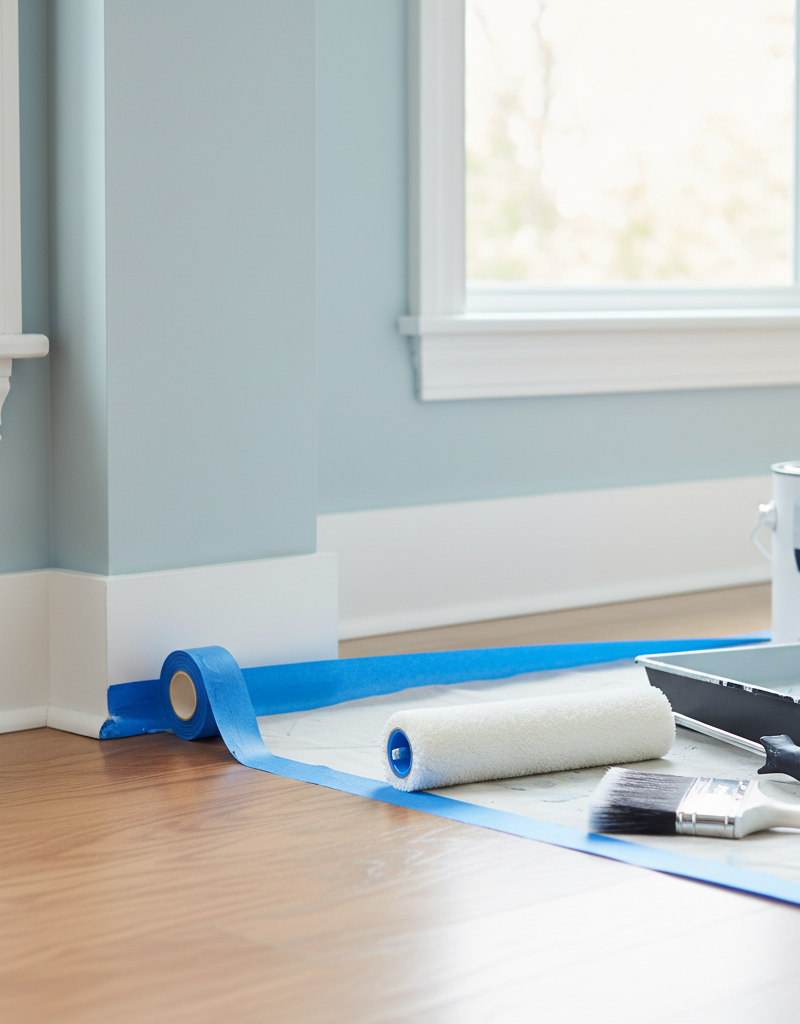
4. Apply Painter's Tape Judiciously – Masking defines sharp lines and protects adjacent surfaces.
Use high-quality painter's tape, specifically designed for clean removal and sharp lines (e.g., FrogTape or blue painter's tape). Apply tape slowly and carefully along the edges of baseboards, window frames, door frames, and where walls meet the ceiling (if you're not painting the ceiling). Press the tape down firmly with a putty knife or your finger to ensure a tight seal and prevent paint bleed. Remove tape before the paint is fully cured, ideally when it's still slightly wet, for the cleanest lines. If you wait too long, the paint can bond to the tape and peel off when removed.
5. Prime All Repaired and Unpainted Surfaces – Primer evens out absorbency and enhances adhesion.
Apply a high-quality primer-sealer to any patched areas, new drywall, or surfaces that have never been painted before. If you're making a significant color change (e.g., from dark to light), priming the entire wall is highly recommended. Use a stain-blocking primer if dealing with water stains or other discolorations. Apply primer with a roller and brush, just as you would paint (see next step for technique). Allow the primer to dry completely according to manufacturer instructions, usually 1-2 hours. Priming ensures consistent color and adhesion, preventing 'flashing' where patched areas look different from the rest of the wall.
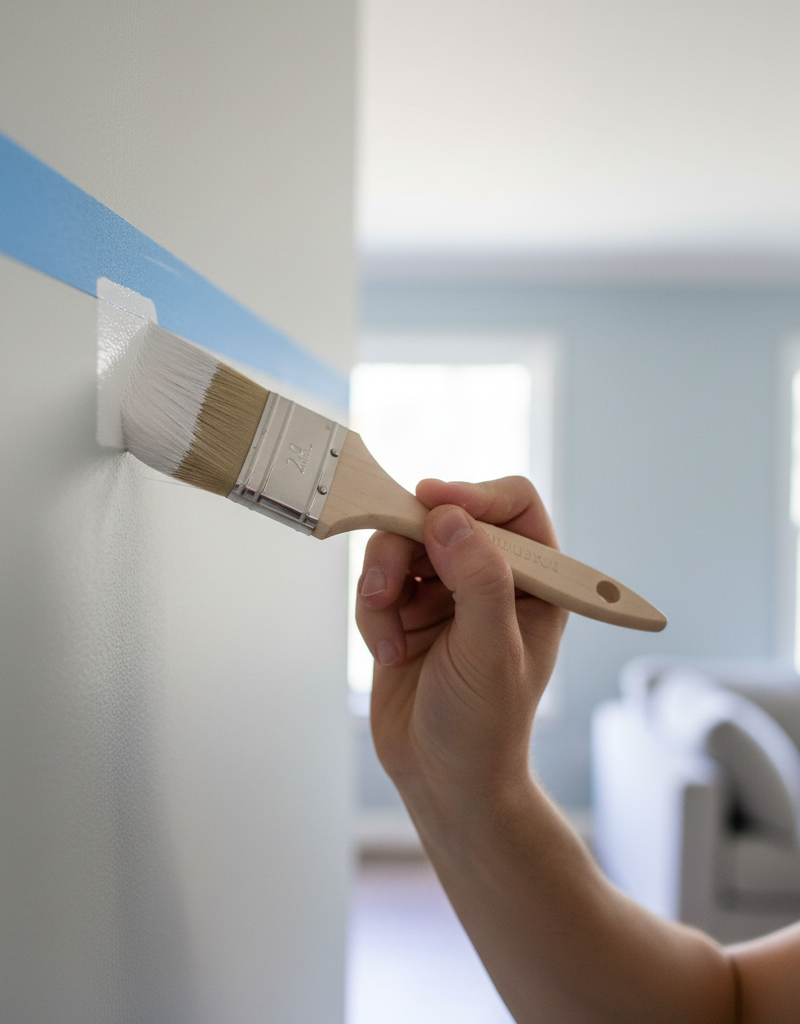
6. Master the Art of Cutting-In – Precision with a brush sets the stage.
Pour a small amount of paint into a clean paint pot or cut bucket. Use a high-quality angled sash brush (2-inch or 2.5-inch is ideal). Dip the brush about one-third of the way into the paint, tapping off excess on the rim. Hold the brush like a pencil and 'cut in' along all taped edges, corners, and around fixtures. Use steady, controlled strokes about 2-3 inches wide. Create a straight line by applying gentle pressure, letting the bristles bend slightly. Work in sections, completing all cutting-in for one wall before moving to rolling. Try to keep a 'wet edge' by rolling close to your cut-in lines soon after application.
- Technique Tip: For super sharp lines, apply your first coat of paint, let it dry, remove the tape, and re-tape. Then apply a very thin bead of clear painter's caulk along the edge of the tape where it meets the surface you don't want painted. Wipe off excess immediately. Once the caulk dries, paint your second coat. The caulk creates an impermeable barrier.
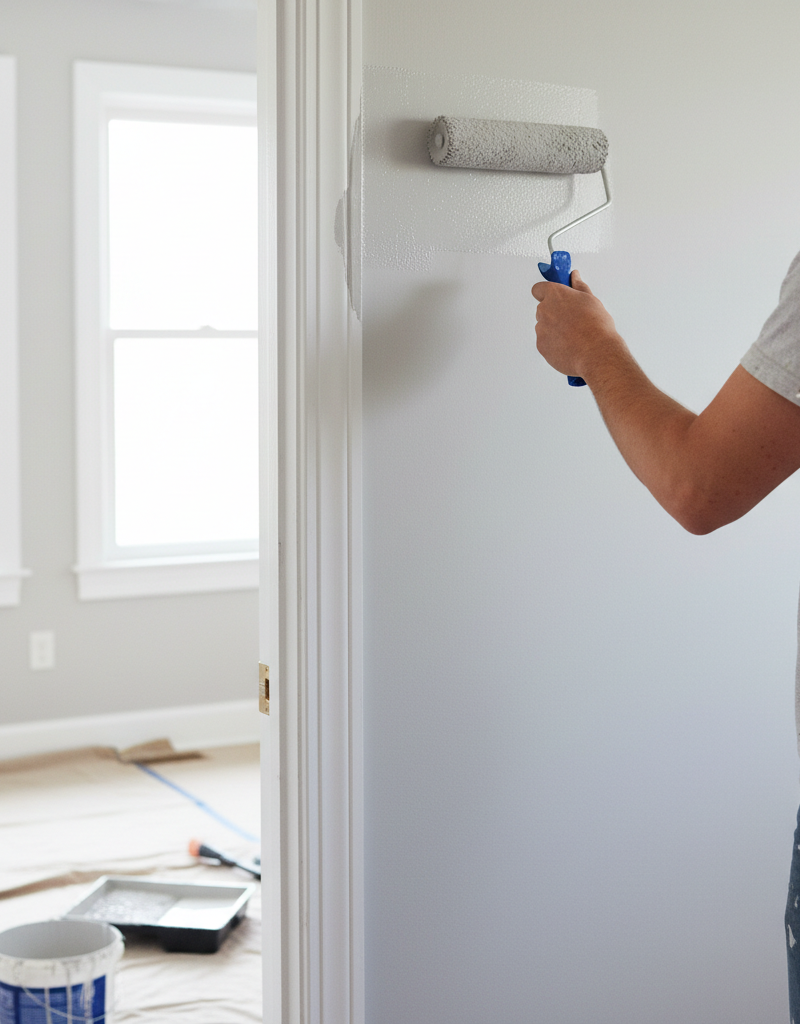
7. Roll with Confidence and Consistency – Even coats are key to a uniform finish.
Choose the correct roller nap for your surface: 3/8-inch nap for smooth walls, 1/2-inch for slightly textured, and 3/4-inch for heavily textured. Load your roller cover evenly by rolling it several times in a paint tray. Apply paint using a 'W' or 'M' pattern, distributing paint over a 2x2 or 3x3 foot section. Without lifting the roller, fill in the pattern with vertical strokes, working from wet to dry. Do not press too hard; let the roller do the work. Overlap each pass slightly (about 50%) to avoid roller marks. Work from top to bottom, one wall at a time, maintaining a 'wet edge' to prevent lap marks. Apply two thin coats of paint, allowing the first coat to dry completely (typically 2-4 hours) before applying the second. Overly thick coats can lead to drips and uneven drying.
- If you see roller marks: You're likely applying too much pressure, using too little paint, or not maintaining a wet edge. Try reducing pressure, reloading the roller more frequently, and working in smaller sections more quickly.
8. Remove Tape and Clean Up – The final touches make all the difference.
Once your final coat of paint is dry to the touch but not fully cured (usually within an hour or two), carefully pull the painter's tape at a 45-degree angle. If you wait too long, the paint can cure onto the tape and peel off. Clean brushes and roller covers immediately with warm soapy water for latex paint, or mineral spirits for oil-based paint. Properly dispose of paint cans and materials according to local regulations. Touch up any small imperfections with a fine artist's brush, if necessary.
Common Causes
- Poor Surface Preparation: The most frequent culprit. Dust, dirt, grease, and unpatched holes prevent paint from adhering properly, leading to peeling, alligatoring, or visible imperfections.
- Skipping Primer: Primer is essential for sealing porous surfaces, blocking stains, and ensuring uniform color absorption. Without it, new drywall or patched areas will absorb paint differently, causing 'flashing' or uneven sheen.
- Using Low-Quality Tools: Cheap brushes fray, leaving bristles in your paint, and cheap roller covers leave lint or uneven textures. Quality tools ensure smoother application and better control.
- Improper Paint Application: Applying paint too thickly, not maintaining a wet edge, or overworking the paint leads to drips, streaks, visible roller marks, and inconsistent coverage. Not allowing sufficient drying time between coats is also a common mistake.
- Ignoring Environmental Conditions: Painting in high humidity or extreme temperatures can affect drying and curing times, leading to issues like blistering or poor adhesion. Ideal conditions are moderate temperature (65-75°F) and moderate humidity (40-60%).
- Incorrect Paint Type for Surface: Using interior paint outdoors, or an eggshell finish in a high-traffic area needing semi-gloss durability, will lead to premature wear and tear.
Common Mistakes
- Not Cleaning Walls Thoroughly: Many homeowners just dust or skip cleaning entirely. Residual dirt, grease, or dust means the paint is adhering to the grime, not the wall, leading to easy chipping or peeling.
- Buying the Cheapest Paint & Tools: While appealing to the budget, cheap paint has less pigment and fewer binders, requiring more coats and offering less durability. Inexpensive brushes and rollers leave marks and shed fibers, ruining the finish.
- Applying One Thick Coat Instead of Two Thin Ones: A single thick coat looks like it saves time, but it often leads to drips, uneven drying, and a weaker, less durable finish. Two thin coats provide superior coverage and a smoother, more professional appearance.
- Cutting In Too Far Ahead or Not Rolling Quickly Enough: Painting a separate, wide band of cut-in and then waiting too long to roll can cause 'lap marks' where the painted areas overlap and dry at different rates, resulting in noticeable lines.
- Pulling Tape Off After Paint is Fully Cured: If you wait until the paint is rock hard, the bond between the paint and tape becomes too strong, often pulling off strips of paint along with the tape, ruining your crisp lines.
- Forgetting to Stir Paint: Pigments and binders can separate while paint sits. Not stirring thoroughly (or shaking if recommended) results in inconsistent color and sheen on your walls.
Cost & Time Breakdown
| Task | DIY Cost | Pro Cost | Time |
|---|---|---|---|
| Surface Prep (Cleaning/Patch) | $10–$30 | Included | 1–3 hours |
| Materials (Paint, Tools, Tape) | $200–$500+ | Included (Higher Grade) | N/A |
| Priming | $20–$50 | Included | 1–2 hours |
| Cutting In (1 room) | N/A | Included | 1–2 hours |
| Rolling (2 coats, 1 room) | N/A | Included | 3–6 hours |
| Cleanup & Tape Removal | $0 | Included | 30–60 minutes |
Tips & Prevention
- Test Paint Color: Always buy a small sample and paint a large swatch on your wall (or a large piece of poster board) in a few different areas of the room. Observe it throughout the day in different lighting conditions before committing to the color.
- Invest in Quality Supplies: Spending a little more on good brushes, rollers, and painter's tape pays dividends in the final look and ease of application. Cheaper tools create more headaches.
- Stir Paint Frequently: During long painting sessions, pigments can settle. Stir your paint every hour or so, even if just for a minute, to ensure consistent color and sheen.
- Work from Top Down: Always paint ceilings first, then walls, and finally trim. This prevents drips from falling onto freshly painted surfaces below.
- Proper Roller Technique: When rolling, always reload the roller often, apply light even pressure, and maintain a wet edge by overlapping your previous stroke by about 50% to prevent lap marks.
- Store Leftover Paint Correctly: Seal paint cans tightly, ideally with plastic wrap under the lid, and store them upside down in a temperate environment (not freezing or excessively hot) to prevent air from drying out the paint.
When to Call a Professional
While painting a room is a highly achievable DIY project, there are specific scenarios where calling a professional painter is the smarter (and often more cost-effective) choice. If you're dealing with extensive drywall damage, such as large holes, water damage, or significant texture mismatches that require expert patching and feathering, a professional can ensure a perfectly smooth substrate. Similarly, if your home was built before 1978 and you suspect lead paint is present, a certified lead-safe renovator should handle any sanding or scraping to prevent hazardous lead dust exposure. For rooms with very high ceilings, intricate crown molding, or complex architectural details that demand specialized equipment and precision, a pro can achieve results safely and efficiently. Also, if you simply lack the time, patience, or physical ability for the multi-day process of prep and painting, outsourcing to an experienced painting contractor will guarantee excellent results without the stress and physical strain of doing it yourself. Ultimately, if the scope of work feels overwhelming, or you're aiming for a truly flawless finish on high-visibility surfaces, a professional's expertise is invaluable.
Frequently asked questions
How do professionals get such crisp paint lines?+
Professionals achieve crisp lines through meticulous taping with high-quality painter's tape, ensuring it's pressed firmly to create a tight seal, and often removing the tape while the paint is still slightly wet rather than fully cured.
Why does my paint look streaky or uneven?+
Streaky or uneven paint is usually caused by insufficient surface preparation, applying paint too thinly or too thickly, not maintaining a 'wet edge' while rolling, or using a low-quality roller with incorrect nap size. Ensure two thin, even coats with proper drying time.
Do I really need to prime before painting?+
Yes, primer is critical, especially over new drywall, patched areas, significant color changes, or stain-prone surfaces. Primer seals porous surfaces, ensures uniform paint absorption, and promotes better adhesion for a consistent, durable finish.
What's the best way to clean my walls before painting?+
The best way to clean walls is with a mild detergent (like dish soap) and warm water, using a clean sponge from top to bottom. For greasy areas or smoke residue, a degreaser like TSP substitute may be necessary. Always rinse thoroughly with clean water and allow to dry completely.
How long should I wait between paint coats?+
Always refer to the paint manufacturer's instructions, but typically, you should wait 2-4 hours between latex paint coats. Waiting long enough ensures the first coat is dry to the touch and won't be reactivated or disturbed by the second coat, preventing streaks and unevenness.
Discussion
Loading comments…