Tools & materials you'll need
Affiliate linksAs an Amazon Associate FixlyGuide earns from qualifying purchases — at no extra cost to you. Prices and availability are accurate as of publication and subject to change.
Quick Answer
Most refrigerator water leaks are caused by a clogged defrost drain or a full/misaligned drain pan. You can usually fix these issues yourself by clearing the drain line or repositioning the pan. This article focuses on diagnosing and fixing a clogged defrost drain line, a very common culprit.
The Problem
You notice a puddle of water on the floor in front of or beneath your refrigerator. This can be alarming and lead to floor damage if not addressed quickly. The specific problem we are addressing here is a clogged defrost drain line, which prevents meltwater from reaching the drain pan and instead forces it to overflow inside the freezer or refrigerator compartment, eventually finding its way to your floor.
Step-by-Step Fix
Safety Note: Always unplug your refrigerator before attempting any repairs to avoid electrical shock.
- Unplug the Refrigerator: Pull the refrigerator away from the wall and unplug it from the outlet to ensure your safety.
- Locate the Defrost Drain: In most refrigerators, the defrost drain opening is at the back of the freezer compartment, often beneath an access panel or behind the bottom shelves. You might need to remove some freezer contents and a panel to see it. It looks like a small hole or trough.
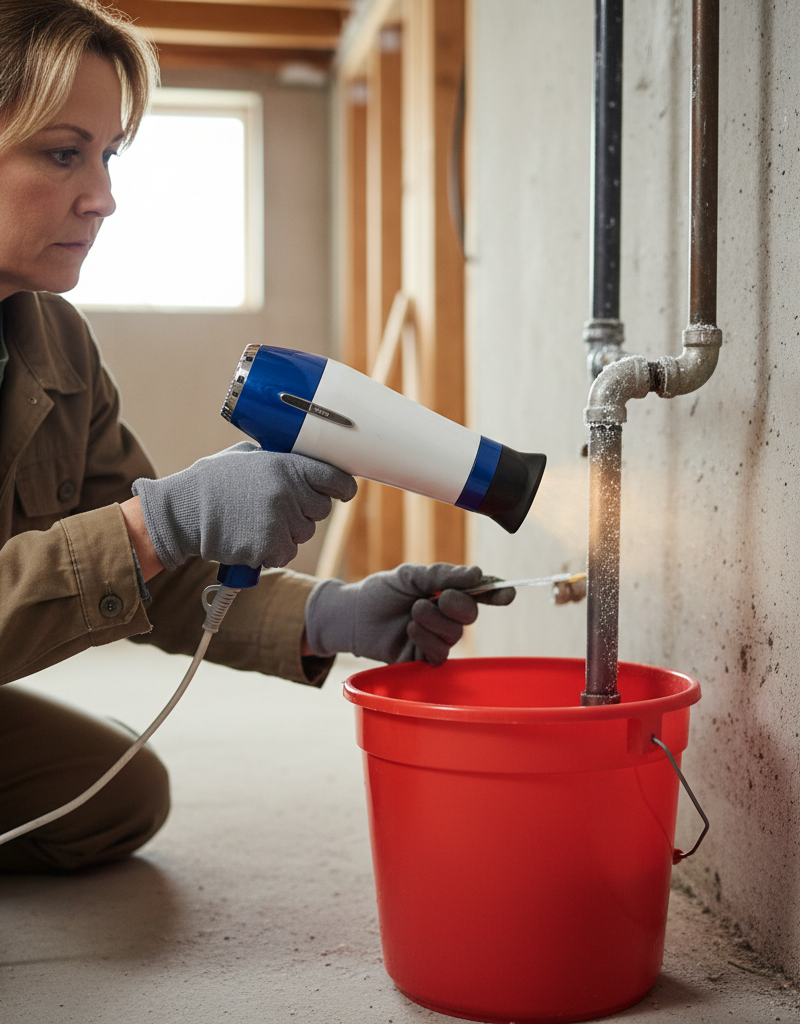
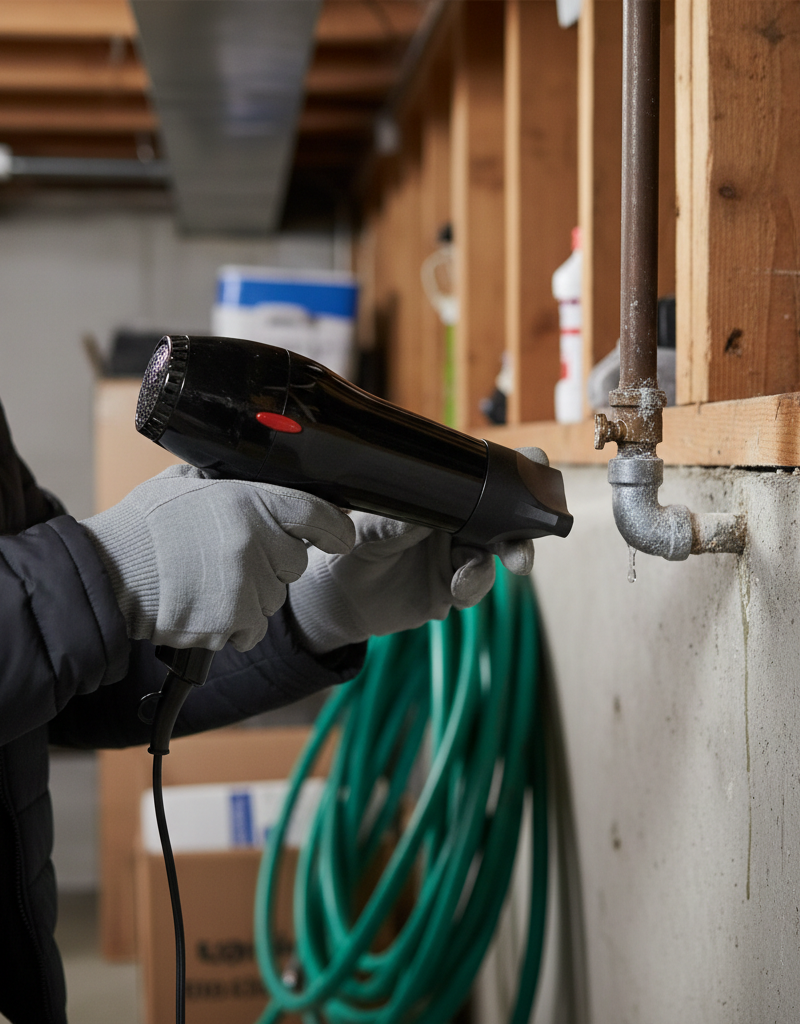
- Clear Visible Obstructions: Use a flashlight to inspect the drain hole. If you see ice, use a hairdryer on a low setting (keeping it a safe distance) to melt it, or let the refrigerator sit unplugged with the freezer door open for a few hours to defrost. If you see food particles or other debris, carefully try to pull them out with needle-nose pliers or a thin, non-abrasive probe.
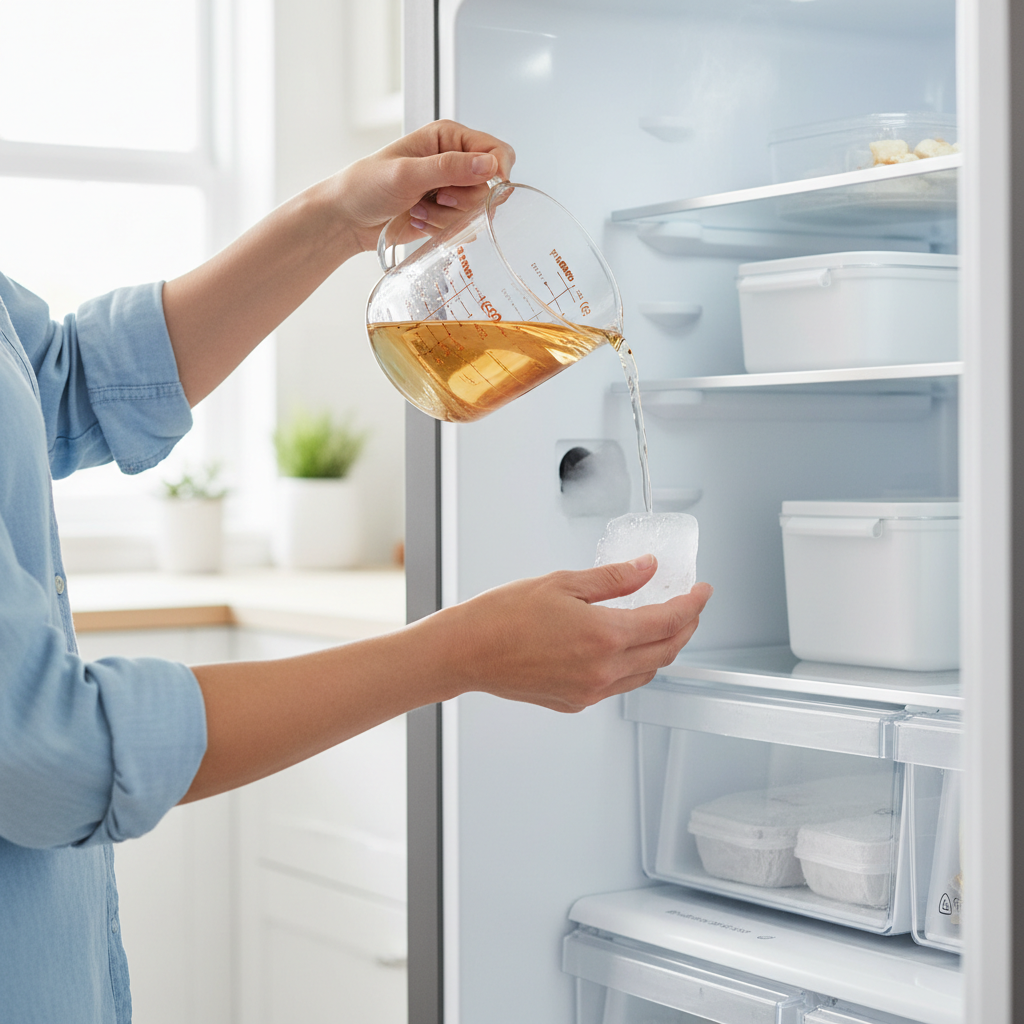
- Flush the Drain Line: Once visible obstructions are removed, mix a solution of warm water and a small amount of baking soda (about 2 tablespoons per cup of water). Carefully pour this solution down the drain hole using a turkey baster or a small funnel. This helps to flush out any remaining clogs or mold.
- Use a Drain Clearing Tool (Optional): If the water doesn't drain freely, you might need to use a flexible drain clearing tool (like a refrigerator drain snake or a long pipe cleaner) to gently push through the drain line from inside the freezer or, if accessible, from the back of the refrigerator where the drain tube usually empties into the drain pan.
- Check the Drain Pan: While the refrigerator is still unplugged, locate the drain pan at the bottom rear of the unit. It typically sits under the a condensation drain tube. Pull out the drain pan (if removable) and empty any water. Clean it thoroughly with soap and water to remove any mold or debris. Ensure it's properly seated before pushing the refrigerator back.
- Reconnect and Monitor: Plug the refrigerator back in and push it into place. Monitor for a few days to ensure the leaking has stopped. If the issue persists, the clog might be more stubborn, or there could be another cause.
Common Causes
- Clogged Defrost Drain: This is the most frequent cause. Food particles, ice buildup, or mold can block the drain tube that carries condensation from the freezer's evaporator coil to the drain pan.
- Full or Misaligned Drain Pan: The pan collects defrost water. If it overflows because it's full, cracked, or knocked out of position, water will spill onto the floor.
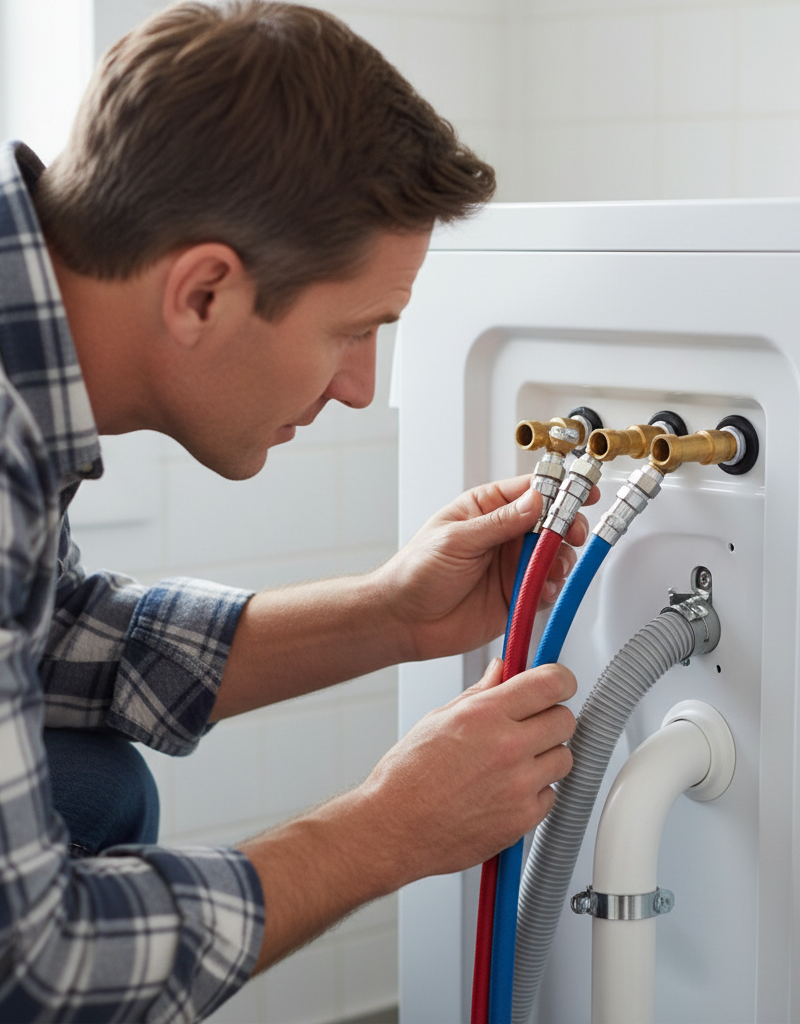
- Leaky Water Line: If your refrigerator has an ice maker or water dispenser, the water supply line or its connections can become loose, cracked, or corroded, leading to leaks.
- Faulty Water Inlet Valve: This valve controls the water flow to the ice maker/dispenser. If it cracks or malfunctions, it can leak.
Tips & Prevention
- Regular Cleaning: Periodically clean your freezer and refrigerator interiors to prevent food particles from entering the defrost drain.
- Check Drain Pan: Every few months, pull out your refrigerator and check the drain pan for excessive water or debris. Clean it as needed.
- Avoid Overpacking: Do not block the freezer's drain opening with food items.
- Monitor Water Line: If you have an ice maker/dispenser, occasionally inspect the water supply line and connections for any signs of leaks or wear.
When to Call a Professional
If you've followed these steps and the refrigerator continues to leak, or if you suspect the leak is coming from a main water supply line, a faulty water inlet valve, or if you're uncomfortable performing the repair yourself, it's time to call a qualified appliance repair technician. They can diagnose more complex issues safely and effectively.", meta_title=
Frequently asked questions
Why is my refrigerator leaking water inside?+
Water leaking inside your refrigerator or freezer is most often due to a clogged defrost drain. Ice or debris blocks the drain, causing meltwater to back up and overflow into the fridge compartment.
How do I find the defrost drain in my refrigerator?+
The defrost drain is typically located at the back of the freezer compartment, often near the bottom or behind an access panel. You may need to remove shelves or a cover to see it.
Can a clogged defrost drain in a refrigerator be fixed easily?+
Yes, clearing a clogged defrost drain is usually a straightforward DIY fix. It involves unplugging the fridge, locating the drain, and flushing it with warm water and baking soda, or carefully clearing it with a slender tool.
Discussion
Loading comments…