Tools & materials you'll need
Affiliate links- AmazonStiff bristle brushFor scrubbing deck surface
- AmazonGarden hose with spray nozzle
- AmazonPressure washerOptional, but speeds up cleaning. Use with caution.
- AmazonOrbital sander with 80-grit sandpaperFor repairs and rough spots
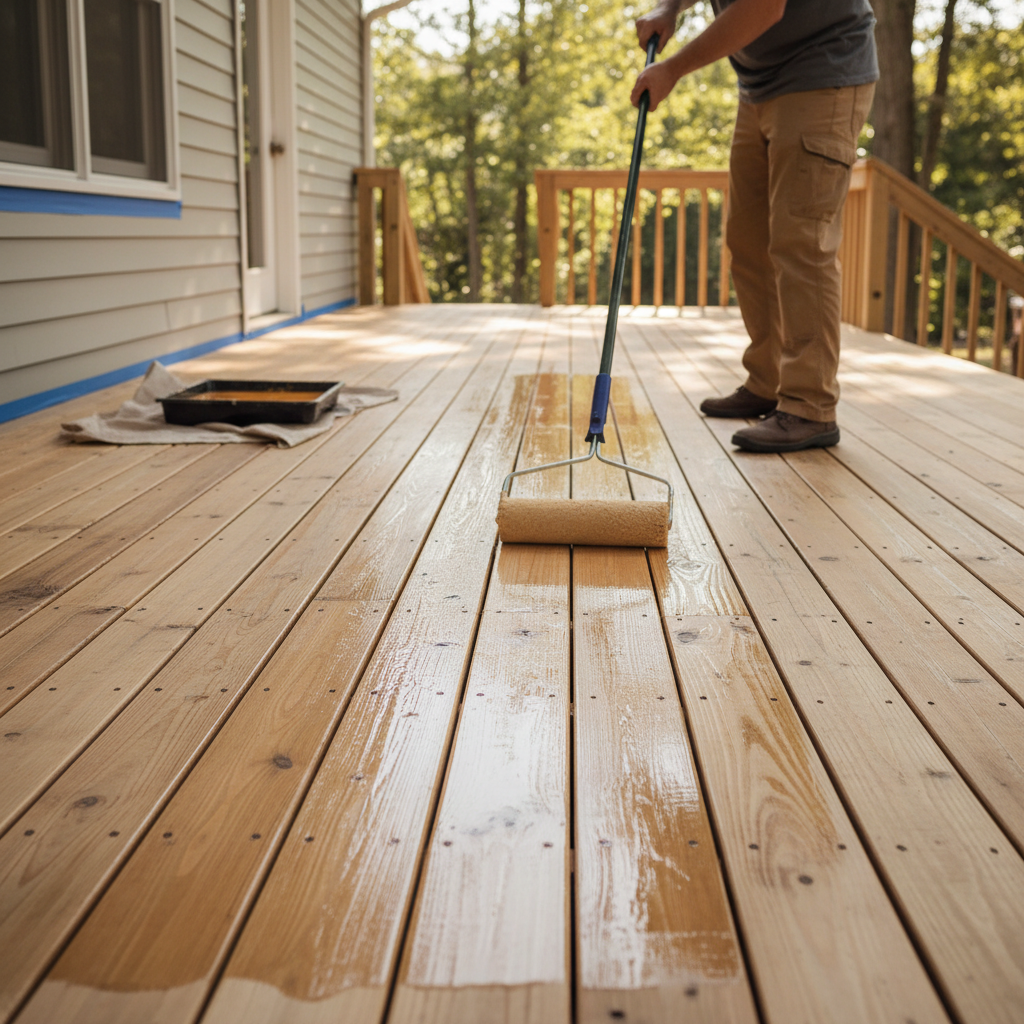
- AmazonPaint roller with extension pole and 3/8-inch nap cover1
- AmazonNatural bristle brushFor oil-based sealers, detail work
- AmazonSynthetic brushFor water-based sealers, detail work
As an Amazon Associate FixlyGuide earns from qualifying purchases — at no extra cost to you. Prices and availability are accurate as of publication and subject to change.
Quick Answer
Resealing your wood deck is a crucial maintenance task that protects it from moisture damage, UV degradation, and rot. The key to a long-lasting finish lies in meticulous preparation, choosing the right sealer, and applying it under optimal conditions. Skipping steps like deep cleaning and allowing adequate drying time, or applying sealer when it's too hot or cold, are common missteps that lead to premature failure. This guide will walk you through the process, helping you avoid these pitfalls and achieve a durable, beautiful finish.
The Problem
Over time, exposure to sun, rain, snow, and daily foot traffic deteriorates a deck's protective seal. You might notice the wood starting to grey, warp, crack, or splinter. Water may no longer bead on the surface but soak directly into the wood. This isn't just an aesthetic issue; it's a sign that your deck is vulnerable to serious damage. Untreated wood is a magnet for mildew, rot, and insect infestations, which can compromise the structural integrity of your deck and lead to costly repairs or even a full replacement. Many homeowners attempt to reseal their decks only to find the new finish peeling, flaking, or wearing off quickly, leaving them frustrated and their deck still exposed. The problem often isn't the sealer itself, but the preparation and application process.
How It Works
Wood is a porous material composed of cellulose fibers and lignin. When exposed to the elements, these components break down. UV radiation from the sun degrades lignin, causing the wood to turn grey. Moisture, whether from rain or humidity, is absorbed by the cellulose, causing the wood to swell. As the wood dries, it shrinks. This constant expansion and contraction lead to warping, splintering, and checking (small cracks). Water also encourages the growth of mold, mildew, and fungi, which can penetrate deep into the wood fibers and cause rot.
Deck sealers and stains work by forming a protective barrier on or within the wood. There are generally two main types: film-forming sealers and penetrating sealers. Film-forming sealers create a layer on the surface, similar to paint, which repels water and UV rays. However, they are prone to peeling and flaking if not applied correctly or if the surface isn't adequately prepared. Penetrating sealers, often oil-based, soak into the wood fibers, fortifying them from within and allowing the wood to breathe. These tend to wear away rather than peel, making reapplication easier. Both types aim to prevent water absorption and block UV radiation, thus preserving the wood's natural color and integrity. Effective resealing requires a clean, dry, and sound surface for the sealer to properly adhere or penetrate and form a long-lasting bond.
Step-by-Step Fix
Step 1: Clear the Deck — Remove all furniture, planters, grills, and other items from your deck. This provides unrestricted access to the entire surface. If benches or railings are attached, determine if they also need cleaning and sealing.
Step 2: Repair Damaged Wood — Inspect your deck thoroughly for loose nails, screws, splinters, or rotten boards. Tighten any loose fasteners. Hammer down protruding nails or replace them with deck screws. Use a pry bar to remove severely rotted or cracked boards and replace them with new, pressure-treated lumber. Sand down any rough spots or splinters with 80-grit sandpaper.
- Tools: Claw hammer, drill/driver, pry bar, orbital sander, 80-grit sandpaper
- If this doesn't work: If you find extensive rot or structural damage, stop and consult a qualified carpenter or deck builder. Replacing structural elements is beyond a DIY fix.
Step 3: Deep Clean the Surface — This is the most critical step. A dirty, mildewed, or stained surface will prevent the new sealer from adhering properly. Begin by sweeping away all loose debris. Then, apply a high-quality deck cleaner designed to remove dirt, mildew, and old finishes. Follow the product instructions carefully. For most cleaners, you'll apply it, let it dwell for 10-15 minutes (don't let it dry), and then scrub with a stiff brush or a pressure washer.
- Safety Note: Wear eye protection, gloves, and old clothes when working with deck cleaners. Keep pets and children away from the area until rinse water has dried.
- Tools: Deck cleaning solution, stiff bristle brush, garden hose with spray nozzle or pressure washer (use a fan tip, keep 12-18 inches away from wood).
- If you have stubborn stains: Consider a wood brightener after cleaning, especially for tannin stains from leaves or rust stains. Apply, let it dwell, and rinse.
Step 4: Thoroughly Rinse the Deck — After cleaning, rinse the deck meticulously with a garden hose or pressure washer. It's crucial to remove all traces of the cleaning solution. Residual cleaner can interfere with sealer adhesion. Rinse until the water running off the deck is clear and free of suds. Take your time with this step, especially in cracks and crevices.
Step 5: Allow for Complete Drying — This is another frequently overlooked step. The deck must be bone dry before applying any sealer. Depending on humidity, temperature, and sun exposure, this can take anywhere from 24 to 72 hours. Test the dryness by sprinkling a few drops of water on the deck; if they soak in instantly, the wood is dry enough. If they bead up, the wood is still holding moisture.
Step 6: Choose Your Sealer Wisely — Select a high-quality deck sealer or stain appropriate for your climate and wood type. Penetrating oil-based sealers offer a natural look and easier reapplication. Water-based acrylic/urethane sealers provide greater durability and UV protection but can be harder to prep for reapplication due to potential peeling. Consider tints: clear sealers offer UV protection but less color, while semi-transparent or solid stains provide more UV blocking and color. Read reviews and product specifications.
- Consider your existing finish: If your deck has a solid stain, you'll likely need to reapply a solid stain. If it's a penetrating oil, you can often reapply a similar oil-based product or switch to a water-based penetrating one after proper stripping and cleaning.
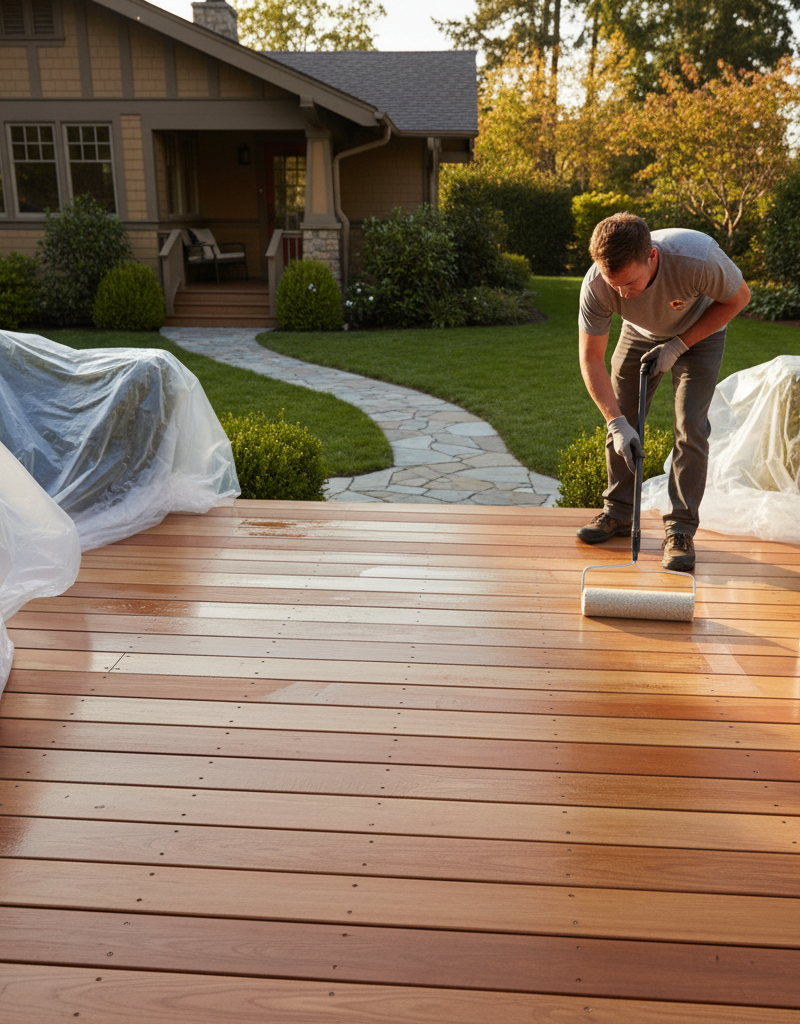
Step 7: Prepare the Area for Sealing — Mask off any adjacent siding, trim, or plants with painter's tape and plastic sheeting to protect them from drips or overspray. Move or cover anything sensitive you can't clear from the immediate vicinity.
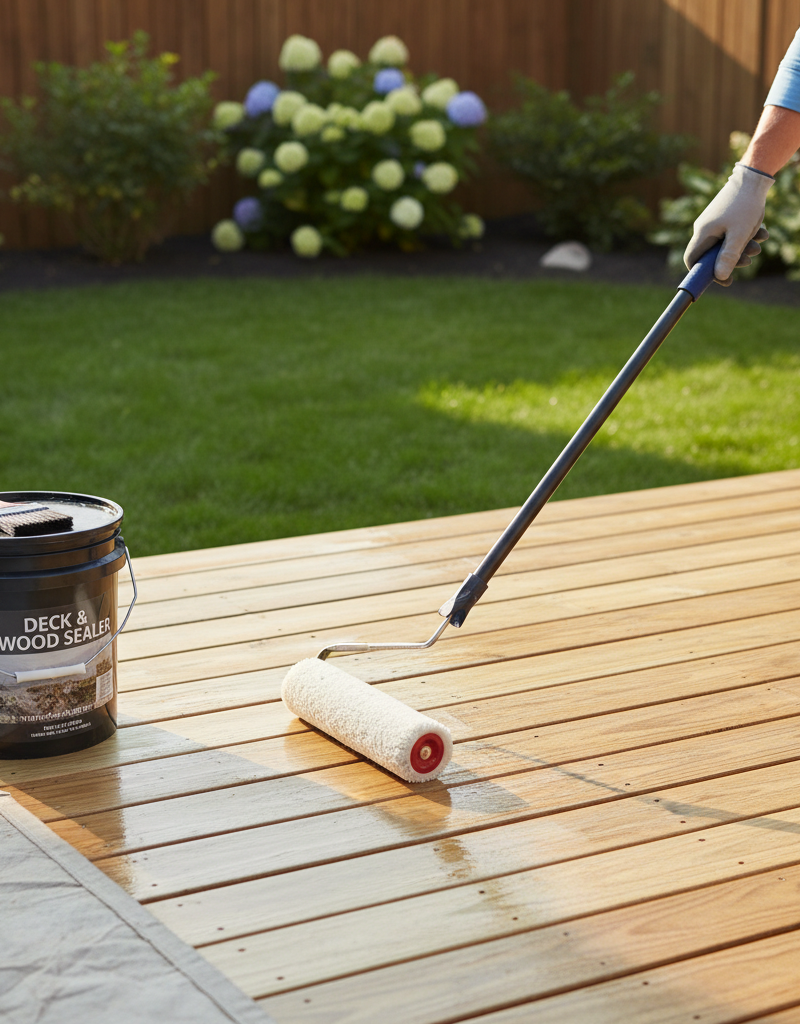
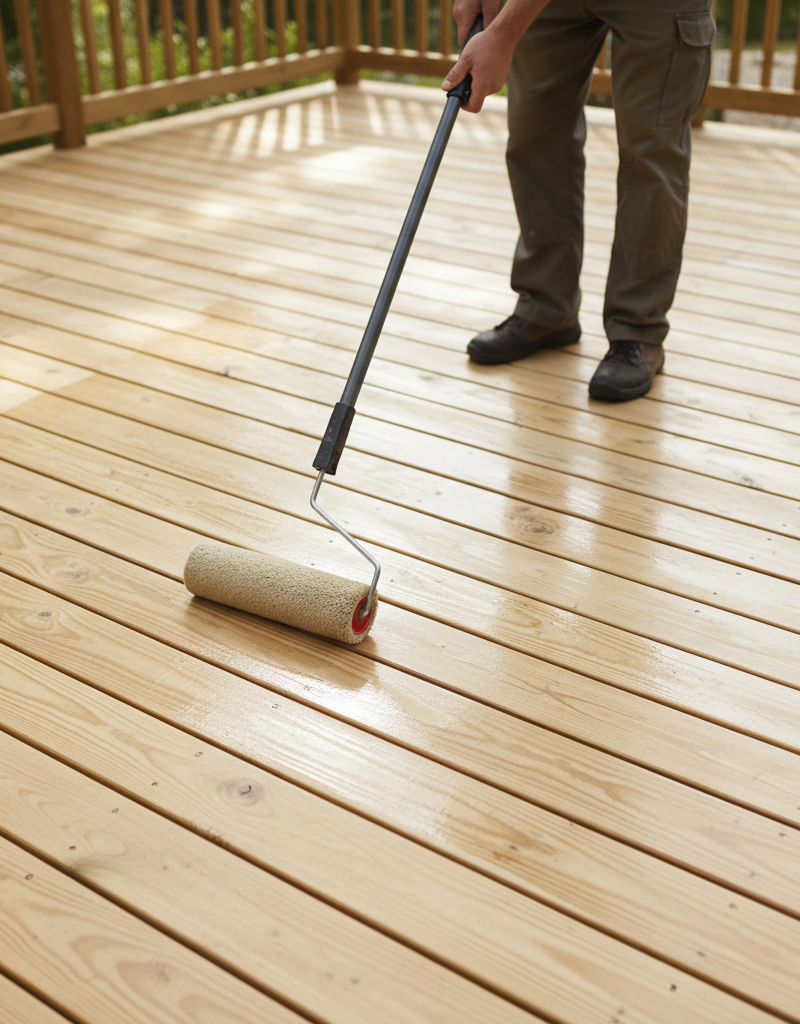
Step 8: Apply the Sealer Evenly — Always test the sealer in an inconspicuous area first to check color and absorption. Apply sealer when temperatures are between 50-90°F (10-32°C) and no rain is expected for at least 24-48 hours. Start with railings and vertical surfaces, working your way down to the deck boards. Use a good quality brush, roller, or pump sprayer. Apply in thin, even coats, following the wood grain. Avoid puddling, especially between boards. If using a roller or sprayer, back-brush immediately to ensure even penetration and to work sealer into the grain.
- Tools: High-quality natural bristle brush (for oil-based) or synthetic brush (for water-based), paint roller with extension pole and 3/8-inch nap cover, pump sprayer, paint pan/bucket.
- Important: Do not apply sealer in direct midday sun, as it can dry too quickly and lead to lap marks. Work in small sections.
- Number of coats: Most penetrating sealers require one liberal coat. Film-forming products might require two thin coats. Always follow manufacturer instructions.
Step 9: Allow Adequate Curing Time — Keep foot traffic, pets, and furniture off the deck for at least 24-48 hours, or as recommended by the sealer manufacturer. Full curing can take several days to a week, during which time the deck should be protected from heavy moisture. This ensures the sealer fully hardens and achieves maximum durability.
Common Causes
- Inadequate Cleaning: The most frequent cause of sealer failure. If dirt, mildew, or old, failing finish is present, the new sealer cannot properly bond to the wood, leading to peeling and premature wear.
- Insufficient Drying Time: Applying sealer to wood that still has moisture content will trap that moisture. This leads to bubbling, poor adhesion, and eventual peeling or flaking as the moisture tries to escape.
- Applying in Extreme Temperatures: Sealer applied in direct, hot sun dries too fast, preventing proper penetration and adhesion. Applying in cold temperatures can prevent the sealer from curing correctly, leaving a soft, vulnerable finish.
- Over-application: Applying sealer too thickly can create a film that sits on the surface rather than penetrating. This film is prone to peeling and can look uneven or blotchy.
- Wrong Product Choice: Using the wrong type of sealer for your wood or climate, or a product incompatible with a previous finish, can lead to poor performance and durability.
- Neglecting Repairs: Applying sealer over splintered, cracked, or rotten wood will not fix the underlying issues and the new finish will fail quickly in those areas.
Common Mistakes
- Skipping the Deep Clean: Homeowners often think a quick sweep and rinse are enough. This inevitably leads to the new sealer flaking off because it can't bond to a dirty surface. Always use a dedicated deck cleaner and scrub.
- Not Rinsing Thoroughly Enough: Leaving cleaning product residue on the deck can react with the new sealer, causing discoloration or preventing proper adhesion. Rinse until water runs clear.
- Sealing Wet Wood: An incredibly common mistake. Even if the surface looks dry, moisture can be held within the wood fibers. Always allow 2-3 sunny days of drying time before sealing. Use the sprinkle test.
- Applying in Direct Sun or Peak Heat: The sealer will flash dry, forming an uneven, weak film. Work in the shade or during cooler morning/late afternoon hours. Never apply when the wood feels hot to the touch.
- Using a Pressure Washer Incorrectly: While useful, a pressure washer can damage wood if the nozzle is too close or the pressure setting is too high. Use a wide fan tip (25-40 degrees) and keep it at least 12-18 inches away from the wood surface to avoid gouging.
- Over-applying Sealer: More is not better. Thick coats cause puddling, prevent proper curing, and lead to a tacky finish that attracts dirt and eventually peels. Apply thin, even coats, back-brushing as you go.
Cost & Time Breakdown
| Task | DIY cost | Pro cost | Time |
|---|---|---|---|
| Deck Cleaner/Brightener | $20–$50 | Included | 1–2 hours |
| Sealer/Stain (5-gallon bucket) | $150–$300 | Included | 2–4 hours (application) |
| Tools & Supplies (brushes, rollers) | $30–$70 | Included | — |
| Minor Repairs (fasteners, small boards) | $10–$50 | Included | 30 mins – 1 hour |
| Total | $210–$470 | $500–$1,500+ | 4–8 hours active |
Tips & Prevention
- Annual Cleaning: Even if your deck doesn't need resealing, give it a good cleaning annually to remove dirt and mildew before they can set in, prolonging the life of your sealer.
- Inspect Regularly: Check your deck for signs of wear (greying, splintering, water soaking in) every spring and fall. The
Related Articles
Keep troubleshooting with these hand-picked guides from FixlyGuide:
- The #1 Mistake Homeowners Make When Sealing a Deck (and How to Fix It) — Prevent costly damage and extend your deck's life by avoiding common sealing errors and following a simple, effective resealing process.
- The 3 Hidden Mistakes That Make Your Deck Sealer Fail (And How to Fix Them) — Resealing your wood deck protects it from weather and extends its life. Learn how to avoid common mistakes for a long-lasting finish and vi…
- Is Your Gutter Sagging After Every Storm? The Hidden Flaw Most Homeowners Miss — Discover the overlooked reason your gutters sag after every storm and learn the lasting fix that most homeowners miss.
- The #1 Mistake Homeowners Make After Finding Missing Shingles (And How to Fix It Right) — Discover the crucial steps to take after a storm rips shingles from your roof, ensuring a proper, lasting repair and preventing costly futu…
- The 3 Hidden Reasons Your Gutters Fail in Heavy Rain (It’s Not Just Leaves) — Overflowing gutters during heavy rain often stem from a few common, yet overlooked, issues beyond simple leaf clogs, leading to potential s…
- The Tiny Gap That Destroys Your Bathtub's Structure (and How to Seal It) — Recaulking your bathtub correctly is crucial to prevent water damage, mold growth, and structural issues in your bathroom.
Frequently asked questions
How often should I reseal my wood deck?+
The frequency depends on your climate, the type of sealer used, and sun exposure. Generally, penetrating oil-based sealers last 1-3 years, while film-forming acrylics might last 3-5 years. Perform a water-beading test annually: if water soaks into the wood instead of beading up, it's time to reseal.
Can I apply new sealer over old sealer?+
It depends on the condition and type of the old sealer. If the old finish is peeling or flaking, it must be removed. If it's a penetrating oil and still mostly sound, you might be able to clean thoroughly and apply a compatible product. Always clean the deck thoroughly first, and if in doubt, strip the old finish.
What's the best weather for sealing a deck?+
Ideal conditions are a dry, overcast day with temperatures between 50-90°F (10-32°C). Avoid sealing in direct midday sun, high humidity, or if rain is expected within 24-48 hours. The wood must be completely dry before application.
Why is my deck sealer peeling or flaking?+
Peeling or flaking is most commonly caused by improper surface preparation (dirt, mildew, or old failing finish), applying sealer to wet wood, or over-application of film-forming sealers. Ensure the deck is spotless, bone dry, and apply thin, even coats.
How do I test if my deck is dry enough to seal?+
Perform a simple sprinkle test. Drip a few drops of water onto the deck surface. If the water quickly soaks into the wood, it is dry enough to seal. If the water beads up and sits on the surface, the wood still contains too much moisture.
Discussion
Loading comments…