Tools & materials you'll need
Affiliate linksAs an Amazon Associate FixlyGuide earns from qualifying purchases — at no extra cost to you. Prices and availability are accurate as of publication and subject to change.
Quick Answer
A running toilet is almost always a sign of water constantly leaking from the tank into the bowl, even when it hasn't been flushed. The most common culprit is a faulty flapper — the rubber seal at the bottom of the tank — or an issue with its chain. Identifying and addressing this problem early can save hundreds of gallons of water per month and significantly reduce your water bill.
The Problem
You hear that persistent, irritating sound of water constantly refilling in your toilet tank, or perhaps a subtle hiss that never seems to stop. This isn't just annoying; it's a symptom of a constantly running toilet, a common household plumbing issue that wastes an enormous amount of water. A single running toilet can waste hundreds of gallons of water per day, translating to thousands of gallons per month and a noticeable spike in your water bill. Beyond the financial impact, it also puts unnecessary strain on your well pump or municipal water supply. The core problem lies in the toilet's fill cycle: after a flush, the tank should refill, and then the water flow should stop completely. If it keeps running, it means the seal isn't holding, and water is continuously escaping from the tank into the bowl.
How It Works
To understand why your toilet is running, it helps to know the basic mechanics of a gravity-fed toilet tank. When you press the flush handle, it lifts a chain connected to a flapper (also called a tank ball or flush valve seal) at the bottom of the tank. This flapper, typically made of rubber, seals the opening to the flush valve, preventing water from flowing into the bowl until you flush. When the flapper is lifted, water rushes from the tank into the bowl, initiating the flush.
As the tank empties, the flapper falls back into place, sealing the flush valve opening. Simultaneously, the fill valve (or ballcock) begins to refill the tank with fresh water from your home's supply line. As the water level rises, an integrated float (either a cup-style float around the fill valve shaft or an older ball-on-a-rod style) also rises. Once the water reaches a predetermined level, the float triggers the fill valve to shut off the water supply. A small tube, called the refill tube, diverts a portion of the fill water into the overflow pipe (or standpipe) to replenish the water in the toilet bowl itself, ensuring a proper water seal in the trap.
A running toilet occurs when this delicate balance is disrupted. If the flapper doesn't create a perfect seal against the flush valve seat, water will continuously seep into the bowl. This causes the water level in the tank to drop slowly, triggering the fill valve to turn on intermittently or continuously to try and maintain the set water level. The most common reasons for this leakage are a worn-out or stiff flapper that no longer seals effectively, mineral buildup on the flush valve seat, or a flapper chain that is either too short (holding the flapper slightly open) or too long (getting caught under the flapper).
Step-by-Step Fix
1. Identify the Leak Source — Determine if the flapper or fill valve is the culprit.
First, remove the toilet tank lid. Listen carefully for the source of the running water. If you hear water trickling into the bowl or the fill valve cycling on and off periodically even when the toilet hasn't been flushed, proceed to the next step. A simple trick to confirm a flapper leak is to add 5-10 drops of food coloring to the tank water. Wait 15-20 minutes without flushing. If color appears in the toilet bowl, your flapper is leaking and needs attention.
2. Check the Flapper Chain — Adjust if it's too tight or getting caught.
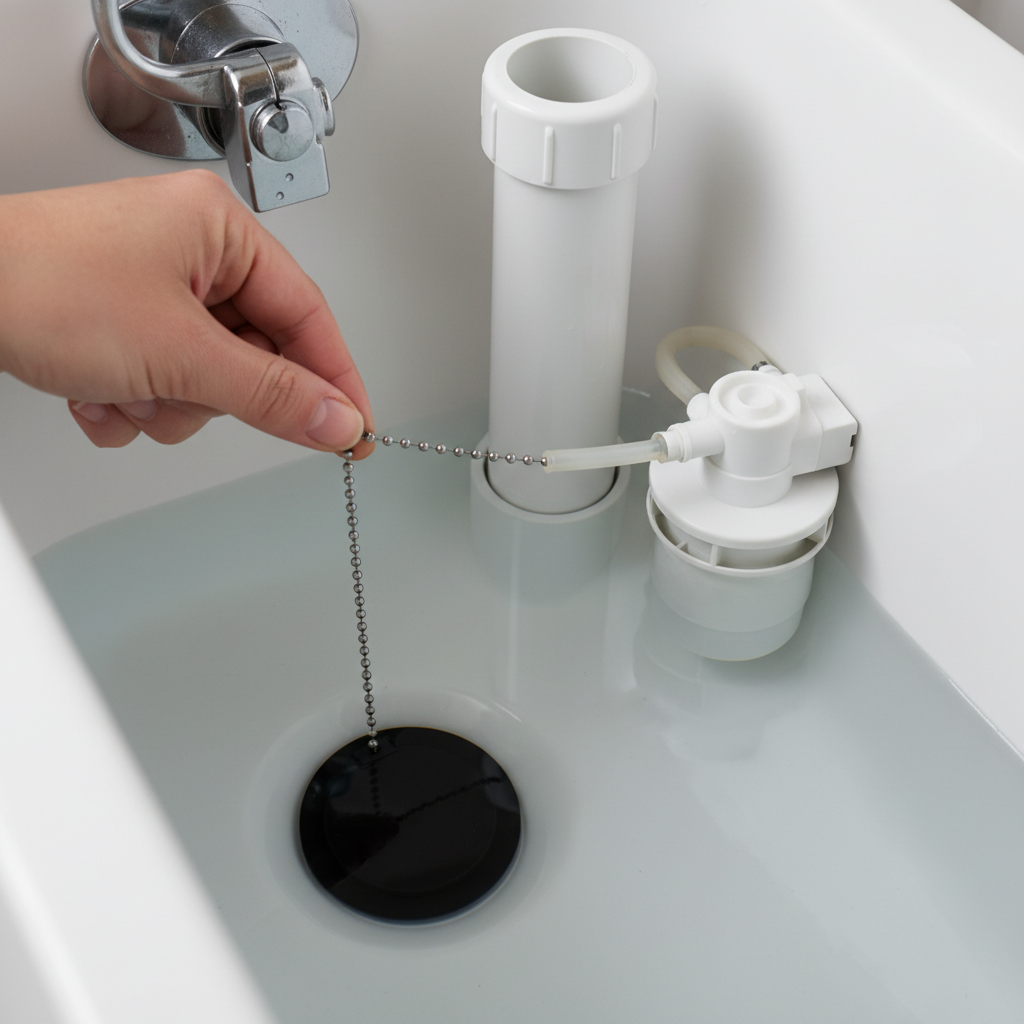
With the tank lid off, inspect the chain connecting the flush handle lever to the flapper. The chain should have about 1/2 to 1 inch of slack when the flapper is fully seated. If it's too taut, it will prevent the flapper from sealing completely, allowing water to leak. Try disconnecting the chain from the lever and reattaching it to a different link to provide the correct amount of slack. Similarly, ensure the chain isn't getting tangled or caught under the flapper itself, especially after flushing. This is a common issue with longer chains.
3. Inspect the Flapper Seal — Look for wear, cracks, or stiffness.
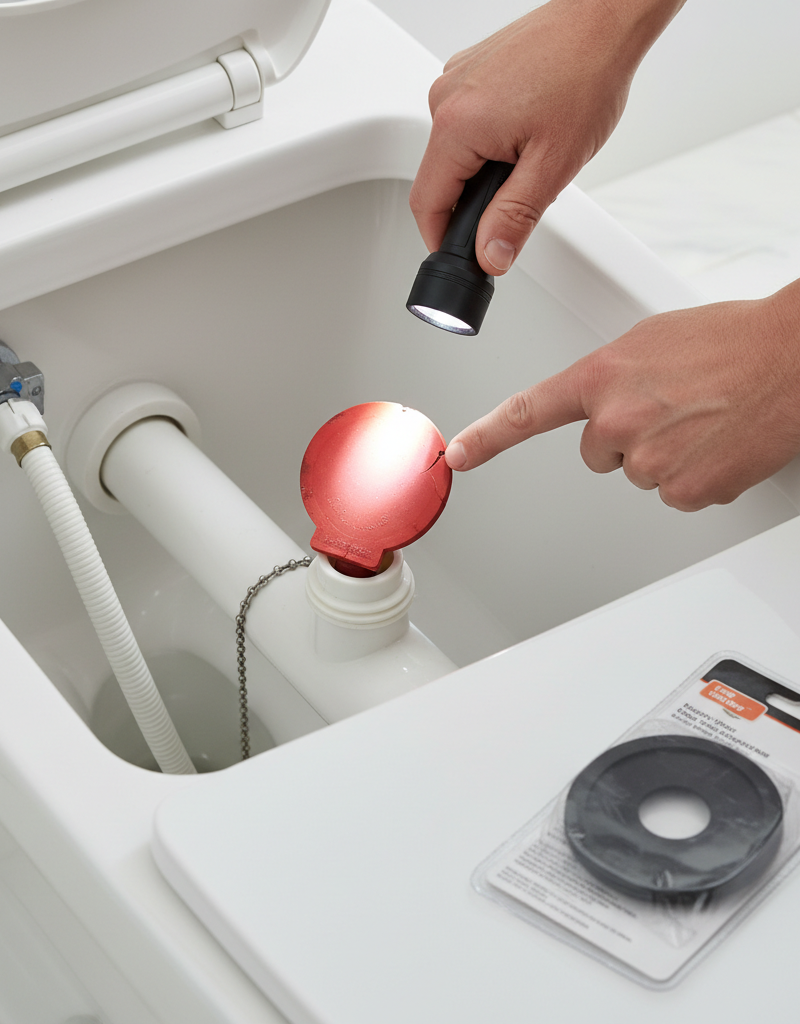
Lift the flapper and visually inspect the rubber material. Is it brittle, cracked, warped, or covered in mineral deposits? Over time, chlorine in water and general wear can degrade the rubber, making it rigid and unable to form a watertight seal. Feel the rubber; it should be soft and pliable. If it feels hard or shows obvious signs of decay, it's a prime candidate for replacement. Also, check the flush valve seat itself for any debris or rough spots that might prevent a good seal. You can gently wipe the seat clean with a non-abrasive cloth.
4. Replace the Flapper — Install a new, compatible flapper.
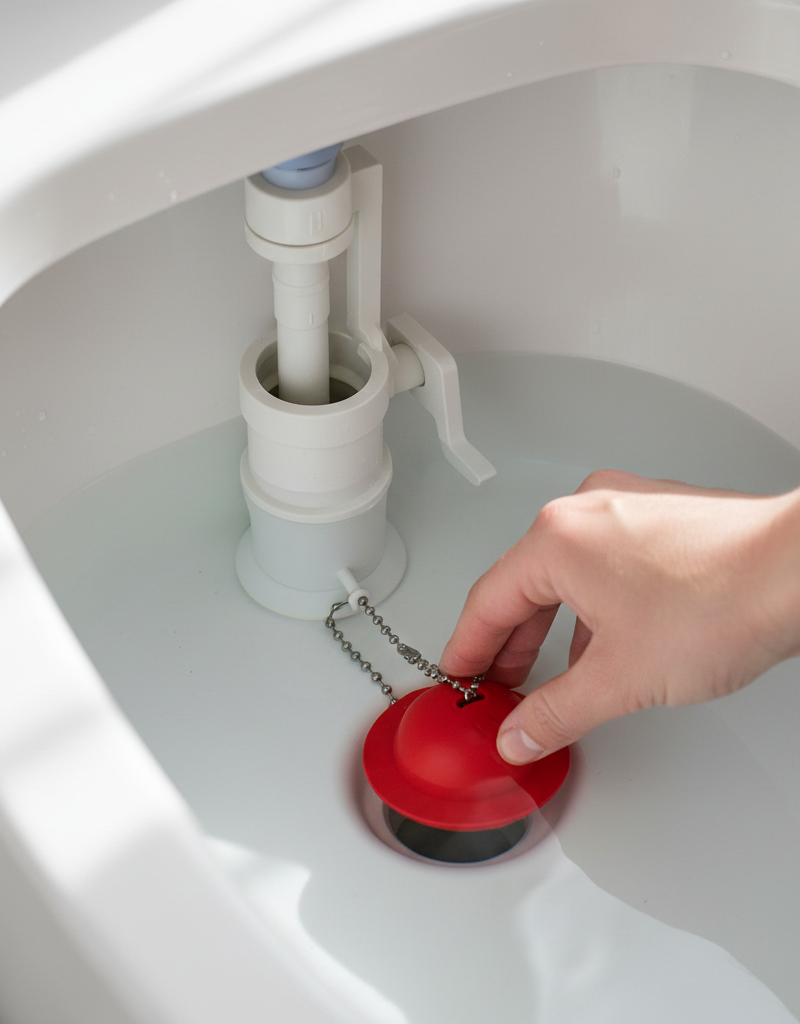
Turn off the water supply to the toilet by twisting the shut-off valve located on the wall behind the toilet, usually to the right. Flush the toilet to empty the tank. Disconnect the old flapper from the ears on either side of the overflow pipe. Unhook the flapper chain. Take the old flapper to a hardware store to ensure you purchase a new one that is compatible with your toilet model. Flappers come in various styles (e.g., universal, specific brands like Kohler or Toto, 2-inch or 3-inch). Attach the new flapper by clipping it onto the overflow pipe ears and connecting the chain to the flush lever with appropriate slack (1/2 to 1 inch). Ensure the chain is adjusted correctly, so the flapper lifts fully but isn't held open.
- Safety Note: Always turn off the water supply before working inside the toilet tank to prevent accidental flooding.
- If this doesn't work: If the new flapper still leaks, the problem might be with the flush valve seat itself, which could be pitted or damaged. This is a more involved repair, potentially requiring a plumber.
5. Adjust the Fill Valve Float — Ensure the water level is correct.
Sometimes, the water level in the tank rises too high, causing water to spill into the overflow pipe, which triggers the fill valve to keep running. The water level should typically be about 1 inch below the top of the overflow pipe. Most modern fill valves have an adjustment screw or clip on the side of the fill valve shaft. Turn the screw (often clockwise to lower the water level, counter-clockwise to raise it) or slide the clip to adjust the float. Flush the toilet to check the new water level. If the water level is too high, lowering it can stop the overflow.
6. Check the Fill Valve Itself — Listen for constant hissing from the fill valve.
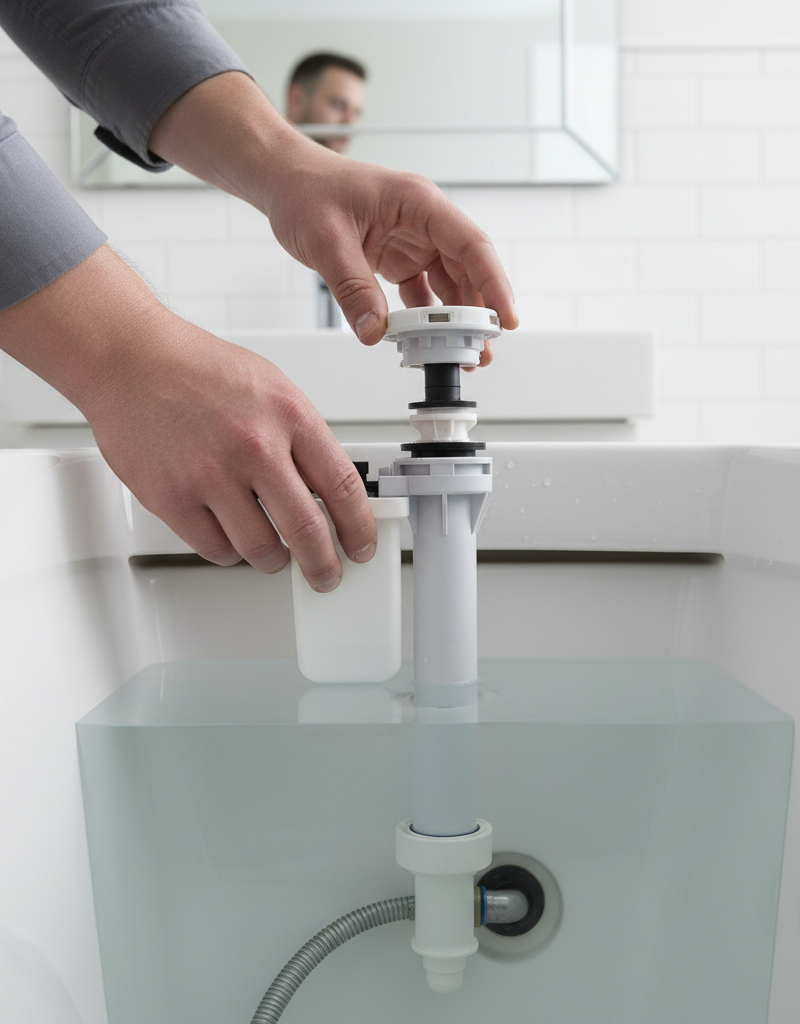
If the flapper is sealing perfectly and the water level is correct, but you still hear a constant, quiet hiss, the fill valve itself might be faulty. Over time, internal components can wear out or become clogged with sediment, preventing it from shutting off completely. You can confirm this by gently lifting the fill valve float arm or cup. If the water stops running when you lift it to its highest point, the float might be set too low, or the fill valve is failing to shut off even when the float indicates the tank is full. Replacing a fill valve is a moderate DIY task.
7. Clean the Flush Valve Seat — Remove mineral buildup or debris.
Even a perfect new flapper can't seal against a dirty or uneven surface. With the water supply off and the tank empty (after flushing), use a non-abrasive scrubber pad or fine-grit sandpaper (very gently!) to clean around the rim of the flush valve seat, removing any mineral deposits, rust, or gunk. Carefully inspect for any chips or cracks in the porcelain seat. These indicate a more serious issue that might require professional repair or tank replacement.
Common Causes
- Worn-Out Flapper: The most frequent offender. Rubber flappers degrade over time due to chlorine, hard water, and general wear and tear, becoming stiff, cracked, or warped, leading to an imperfect seal.
- Improper Flapper Chain Length: A chain that is too short holds the flapper slightly open, allowing water to escape. A chain that is too long can get tangled under the flapper, preventing it from seating correctly.
- Mineral Buildup on Flush Valve Seat: Hard water deposits can accumulate on the rim where the flapper sits, creating an uneven surface that prevents a watertight seal.
- Faulty Fill Valve: The fill valve's internal mechanism can fail to shut off completely, often due to worn components or sediment buildup, causing water to continually run or trickle into the tank or overflow pipe.
- High Water Level: If the float is set too high, water will continuously overflow into the overflow pipe, signaling the fill valve to keep trying to fill the tank.
- Damaged Flush Valve Seat: Less common, but sometimes the porcelain or plastic seat itself can be chipped or pitted, making it impossible for even a new flapper to create a seal.
Common Mistakes
- Ignoring the problem: A running toilet isn't just a nuisance; it's a major water waste. Ignoring it can lead to significantly higher water bills and unnecessary strain on your plumbing system.
- Buying the wrong flapper: Not all flappers are universal. Toilets have 2-inch or 3-inch flush valves, and some brands use proprietary flappers. Always take the old flapper to the store or note your toilet's make/model to ensure compatibility.
- Over-tightening the flapper chain: A common mistake is to make the chain too taut. This prevents the flapper from fully closing, rendering the repair ineffective and continuing the leak.
- Forgetting to turn off the water: Always turn off the water supply valve behind the toilet before working in the tank. Forgetting this can lead to an unexpected flood.
- Using harsh chemicals to clean: Avoid using strong chemical cleaners in the tank, as they can further degrade rubber components like the flapper and seals.
- Assuming the problem is complex: While some toilet issues are, a running toilet is often a very simple, inexpensive fix that many homeowners can tackle in minutes.
Cost & Time Breakdown
| Task | DIY Cost | Pro Cost | Time |
|---|---|---|---|
| Flapper replacement | $5–$20 | $75–$150 | 15–30 mins |
| Chain adjustment | $0 | Included | 5–10 mins |
| Fill valve replacement | $20–$40 | $120–$250 | 30–60 mins |
| Minor seat cleaning/adjustment | $0 | Included | 10–15 mins |
| Diagnostic only | $0 | $50–$100 | 5–10 mins |
Tips & Prevention
- Regular Flapper Check: Once a year, remove the tank lid and inspect the flapper for signs of wear, stiffness, or cracks. The food coloring test is an excellent way to check for subtle leaks.
- Proper Water Level: Ensure the water level in your tank is always about 1 inch below the overflow pipe. This prevents constant overfilling and wasted water.
- Avoid Harsh Cleaners: Don't use bleach or other strong chemical cleaners in your toilet tank, as they can prematurely degrade rubber and plastic components.
- Maintain Correct Chain Slack: Periodically check that your flapper chain has adequate slack (about 1/2 to 1 inch) to allow the flapper to seal completely without being held open.
- Install a Fill Valve with Adjustable Float: If replacing a fill valve, opt for models with easily adjustable floats for precise water level control.
- Address Hard Water: In areas with hard water, mineral buildup can be a recurring issue. Consider a whole-house water softener if this is a widespread problem in your home.
When to Call a Professional
While many running toilet issues are simple DIY fixes, there are times when calling a licensed plumber is the wisest course of action. If you've replaced the flapper and adjusted the chain, and the toilet still runs, the issue might be a more complex fill valve malfunction or, less commonly, damage to the flush valve seat itself. If you're uncomfortable working with plumbing parts or find the internal mechanisms confusing, a plumber can quickly diagnose and resolve the issue. Also, if you suspect the problem extends beyond the tank components – for example, a persistent running sound that seems to come from the wall or floor, indicating a potential leak in the supply line – it's definitely time to call a professional. Plumbers can also address issues like continuously cycling fill valves, which might require a full replacement, or if the toilet is old and continues to have recurring problems despite your best efforts, suggesting it might be time for a toilet replacement. Never hesitate to call a pro if you're out of your depth or if the repair involves dealing with structural components of the toilet that seem damaged.
Related Articles
Keep troubleshooting with these hand-picked guides from FixlyGuide:
- The $2 Trick to Stop a Running Toilet (Plumbers Don't Want You to Know) — Discover the simple, two-dollar fix that can stop your running toilet in minutes, saving water and preventing costly repairs.
- The 3 Hidden Reasons Your Toilet Tank Fills Slowly (And How to Fix Each) — Discover the common culprits behind a slow-filling toilet tank, from crucial valve issues to subtle obstructions, and learn how to restore…
- The 5-Minute Trick to Stop a Dripping Single-Handle Faucet (No Plumber Needed) — A persistent drip from your single-handle faucet is usually caused by a worn-out cartridge, a repair you can typically complete yourself in…
- The Secret Culprit Behind Your Leaky Chimney (It’s Not Always the Obvious Flashing) — Discover the often-overlooked causes of chimney leaks during rain and how to tackle them with effective DIY solutions and prevention tips.
- The Secret Culprit Behind Your Leaky Refrigerator (It’s Not Always a Hose) — Discover the hidden causes of your refrigerator leaking water and how to fix them with our comprehensive troubleshooting guide.
- The #1 Mistake Homeowners Make After Finding Missing Shingles (And How to Fix It Right) — Discover the crucial steps to take after a storm rips shingles from your roof, ensuring a proper, lasting repair and preventing costly futu…
Frequently asked questions
Why is my toilet constantly running?+
The most common reason for a constantly running toilet is a faulty or worn-out flapper that isn't creating a tight seal, allowing water to leak from the tank into the bowl. Other causes include an improperly adjusted flapper chain or a malfunctioning fill valve.
How much water does a running toilet waste?+
A running toilet can waste a significant amount of water, often hundreds of gallons per day. A continuously running toilet can waste up to 6,000 gallons per month, leading to a substantial increase in your water bill.
Can I fix a running toilet myself?+
Yes, successfully fixing a running toilet is one of the most common and easiest DIY plumbing repairs. Most issues can be resolved with a simple flapper replacement or a minor adjustment to the flapper chain, requiring only basic tools and materials.
How do I know if my flapper is the problem?+
To check your flapper, add 5-10 drops of food coloring to the toilet tank water (away from the flapper). Do not flush. Wait 15-20 minutes. If you see colored water in the toilet bowl, your flapper is leaking and needs to be replaced.
Discussion
Loading comments…