Tools & materials you'll need
Affiliate linksAs an Amazon Associate FixlyGuide earns from qualifying purchases — at no extra cost to you. Prices and availability are accurate as of publication and subject to change.
Quick Answer
A leaky chimney during rain is a frustrating and potentially damaging issue that often stems from one of several key culprits: compromised flashing, a cracked chimney crown, deteriorating mortar joints, or a faulty chimney cap. While flashing is frequently blamed, other less obvious points of entry can be just as significant. Successfully addressing the leak requires a systematic diagnostic approach, identifying the specific point of water intrusion, and applying the appropriate repair to prevent further damage to your home's structure and interior.
The Problem
Water intrusion through a chimney during a rainstorm is more than just an annoyance; it's a serious threat to your home's structural integrity and indoor air quality. Persistent leaks can lead to deteriorated drywall, stained ceilings, damaged masonry, warped flooring, and even hazardous mold growth. The chimney, by its very nature, creates a large penetration in your roof, making it a prime candidate for water entry if its protective components fail. When rain falls, water travels down the roof and chimney surfaces, seeking any weakness or opening to exploit. Understanding these vulnerable points is the first step in protecting your home from costly water damage.
How It Works
To effectively troubleshoot a chimney leak, it's essential to understand how a chimney is designed to repel water. Your chimney isn't just a brick shaft; it's a complex system of components, each playing a critical role in weatherproofing.
At the very top, the chimney cap (or rain cap) acts as the first line of defense. It covers the flue opening, preventing rain, snow, debris, and animals from entering the chimney chase. Many caps also have mesh sides to keep out pests while allowing smoke to escape.
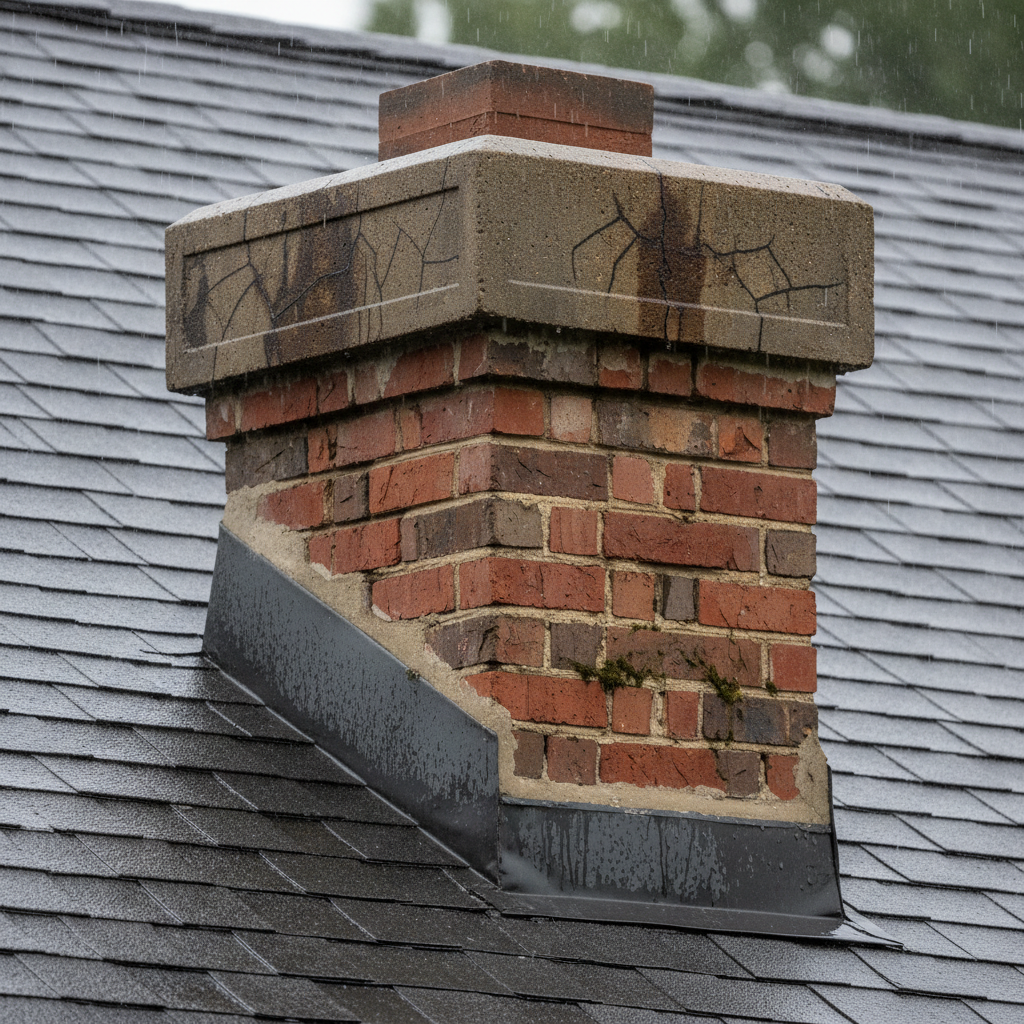
Below the cap is the chimney crown, a concrete or stone slab that slopes slightly down and away from the flue liner, extending past the chimney's masonry walls. This overhang, often called a drip edge, is crucial as it directs rainwater away from the chimney's vertical surfaces, preventing it from running down and saturating the bricks and mortar.
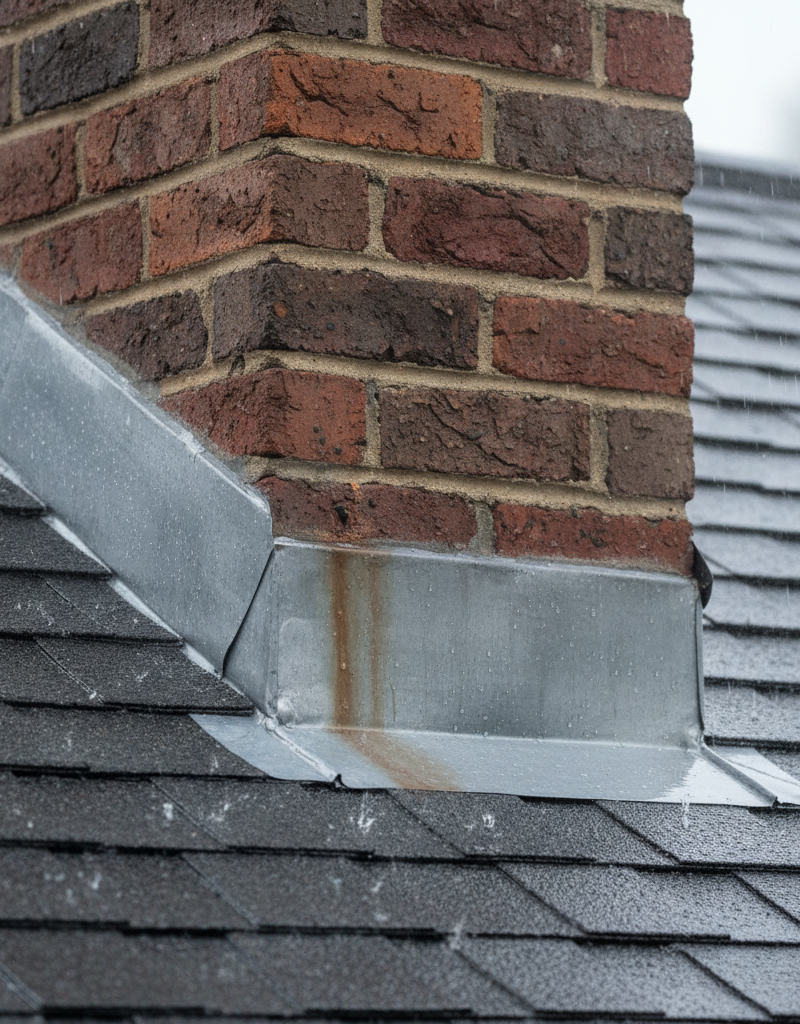
Further down, where the chimney penetrates the roof, you'll find the flashing. This is a system of sheet metal, typically aluminum, copper, or galvanized steel, that creates a watertight seal between the chimney and the roof surface. It's usually installed in two layers: the base flashing, which lies flat on the roof and extends up the chimney, and the counter-flashing, which is embedded into the chimney's mortar joints and overlaps the base flashing. This layered design allows for thermal expansion and contraction of both the chimney and the roof without breaking the seal.
Finally, the masonry itself—bricks, stones, and mortar joints—forms the bulk of the chimney structure. While seemingly solid, these materials are porous. Over time, mortar can crack, crumble, or wash out, and bricks can spall (flak off) or develop microscopic fissures, all of which can allow water to penetrate the chimney's facade. Water that penetrates the masonry can then travel internally, eventually finding its way into your home.
When rain falls, it hits the cap, crown, flashing, and masonry. If any of these components are compromised, water will follow the path of least resistance, wicking into the chimney structure or directly into your attic or living space. For instance, a crack in the crown allows water to seep directly into the top masonry, while damaged flashing guides water directly under the roof shingles and into the house.
Step-by-Step Fix
Safety First: Always use extreme caution when working on a roof. Ensure you have a stable ladder, wear appropriate non-slip footwear, and consider using a safety harness, especially on steep roofs or in wet conditions. If you're uncomfortable with heights or roof work, call a professional. Never work on a roof during rain, high winds, or icy conditions.
1. Identify the Leak Source – Pinpointing the Entry Point
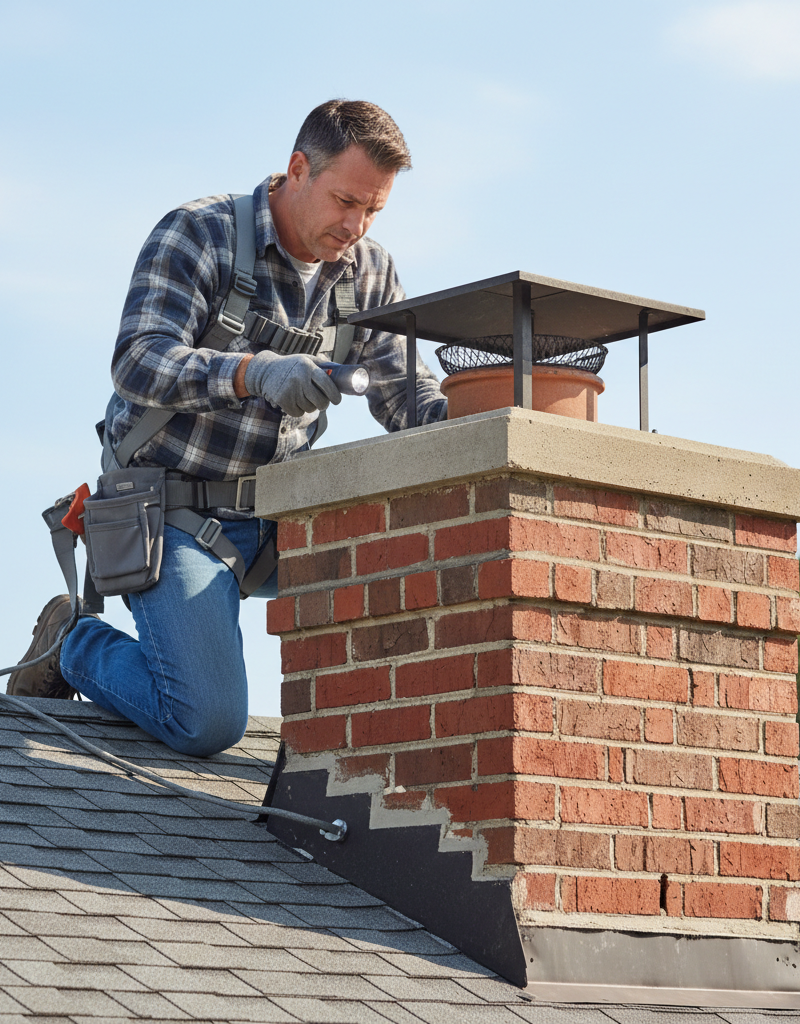
- How: This is the most crucial step. Start by observing the location of the leak inside your home. Is it directly above the fireplace, or off to one side? Does it appear immediately during a rainstorm, or after prolonged periods of wet weather? This can give clues. Next, go into your attic (if accessible) during a light rain. Take a powerful flashlight and look for water stains, active drips, or wet insulation near the chimney chase. Water can travel, so the actual entry point might be several feet away from the visible indoor stain.
- Tip: Look for water trails down the inside of the chimney masonry, on the framing around the chimney, or on the underside of your roof decking. If the leak is intermittent, try running a garden hose on different sections of your chimney (cap, crown, flashing, mortar) and have a helper inside watching for drips. Start at the bottom (flashing) and work your way up, giving each section time to show evidence of a leak.
2. Inspect the Chimney Cap – The Top Defender
- How: From your roof, visually inspect the chimney cap. Look for rust, bent mesh, a missing lid, or open seams. A damaged or missing cap allows rain to fall directly into the flue. If the cap is loose, it might not be seated properly, allowing water to get underneath.
- Fix: If the cap is rusted or damaged, it needs replacement. If it's just loose, tighten the screws or clamps. Ensure proper sealing with a bead of exterior-grade silicone caulk where the cap meets the flue if necessary, but don't seal off the flue opening.
3. Examine the Chimney Crown – The Concrete Protector
- How: Scrutinize the concrete or stone crown at the top of the chimney. Look for hairline cracks, chips, or sections where the crown has separated from the flue liner. Pay close attention to the drip edge – ensure it overhangs the masonry walls by at least 1-2 inches. If water can wick back under the crown, it will saturate the masonry below.
- Fix (Minor Cracks): For small hairline cracks, use a high-quality elastomeric chimney crown sealant. Clean the crack thoroughly, then apply the sealant according to manufacturer directions. This creates a flexible, waterproof barrier. For larger cracks or severely deteriorated crowns, professional repair or replacement is often necessary.
- If this doesn't work: If the crown is extensively cracked or improperly sloped, a DIY fix might be temporary. Consider a professional for a proper crown re-pour.
4. Check the Flashing – The Roof Seal
- How: Carefully inspect the metal flashing where the chimney meets the roof. Look for bent or lifted sections, missing caulk, rusted areas, or holes. Pay particular attention to the step flashing (small sections woven into shingles) and the counter-flashing (embedded into the mortar). Ensure the counter-flashing overlaps the base flashing properly. Check for any areas where old caulk has dried, cracked, or pulled away.
- Fix (Minor Flashing Issues): For small gaps in existing caulk, clean the area thoroughly and apply a high-quality exterior-grade sealant or roof cement. For slightly lifted sections of flashing, gently re-secure them with roofing nails (ensure nails are covered with sealant afterward) or a strong adhesive. Rusted or severely damaged flashing requires replacement, which is typically a job for a roofer.
- Tools Tip: A pry bar can carefully lift shingles to inspect underlying flashing, but be gentle to avoid damage.
5. Assess Mortar Joints and Bricks – The Masonry Envelope
- How: Visually inspect all accessible mortar joints and bricks. Look for crumbling mortar, missing chunks, horizontal or vertical cracks in the mortar, or spalling (flaking) bricks. Green or white efflorescence (mineral deposits) on the masonry can indicate water saturation.
- Fix (Minor Mortar Damage/Repointing): For deteriorating mortar joints, you'll need to repoint. Carefully rake out loose and crumbling mortar using a cold chisel and hammer (wear safety glasses!). Mix new mortar (Type N is common for chimneys) and use a pointing trowel to carefully press it into the joints, ensuring a tight, water-resistant seal. Match the existing mortar color as closely as possible. For spalling bricks, these should ideally be replaced by a mason, as they signify deeper water penetration.
- Tip: Mortar needs proper curing time. Keep new mortar damp for a few days to ensure it cures strong.
6. Inspect the Siding/Chase Cover (if applicable) – For Prefabricated Chimneys
- How: If you have a prefabricated (metal or wood-framed) chimney, inspect the metal chase cover at the top. Look for rust, standing water, or improper slopes that allow water to pool. Also, check the siding around the chase for gaps or rot.
- Fix: Rusty or damaged chase covers need replacement, often with a stainless steel version for longevity. Repair or replace any damaged siding as needed, ensuring all joints are properly sealed with caulk.
Common Causes
- Damaged or improperly installed flashing: This is arguably the most common cause. Over time, metal flashing can rust, bend, separate from the chimney, or have its sealant degrade. If not installed correctly (e.g., using only face-nailed flashing instead of proper step and counter-flashing), it creates a direct path for water.
- Cracked chimney crown: The concrete crown, exposed to direct weather, can crack due to freeze-thaw cycles, poor concrete mix, or natural settlement. These cracks allow water to seep into the internal masonry.
- Deteriorated mortar joints: Mortar, especially in older chimneys, can erode, crack, and crumble, creating porous pathways for water to penetrate the brickwork. This is accelerated by harsh weather and lack of maintenance.
- Missing or damaged chimney cap: A missing cap allows rain and snow to fall directly into the flue, leading to interior leaks and potentially damaging the fireplace inside.
- Porous masonry: Bricks themselves, especially older or lower-quality ones, can become porous over time, absorbing water like a sponge. Water can then seep through to the interior.
- Improperly sloped crown or chase cover: If the crown or a metal chase cover doesn't have a sufficient slope, water can pool on its surface, leading to accelerated deterioration or finding tiny gaps.
- Siding or chase issues (prefabricated chimneys): For chimneys with vinyl, wood, or metal siding around a chase, gaps, holes, or rot in the siding can allow water entry.
Common Mistakes
- Ignoring the problem: Small leaks can quickly become big, expensive problems involving extensive repairs, mold remediation, and structural damage. Address leaks immediately.
- Only patching vs. proper repair: Applying a temporary sealant over a larger crack or rusted flashing without addressing the underlying issue will only offer a short-term fix. A full repair or replacement is often necessary.
- Misdiagnosing the source: Assuming it's always the flashing without thoroughly checking the cap, crown, or mortar can lead to wasted effort and a persistent leak. Take the time to properly diagnose.
- Using the wrong materials: Using standard exterior caulk where a flexible, high-temperature, or masonry-specific sealant is needed will result in premature failure. Always use appropriate products for chimney repairs.
- DIYing advanced repairs: Attempting a full flashing replacement, chimney rebuilding, or extensive masonry work without the proper skills, tools, and safety equipment can lead to further damage, injury, or an ineffective repair. Know when to call a pro.
- Neglecting regular maintenance: Skipping annual chimney inspections means minor issues go unnoticed until they become significant leaks. Proactive checks can prevent most problems.
Cost & Time Breakdown
This table outlines typical DIY and professional costs, along with estimated time for various chimney leak repairs.
| Task | DIY cost | Pro cost | Time |
|---|---|---|---|
| Minor Crown Crack Repair (Sealant) | $20–$50 | N/A (small for pro) | 1–2 hours |
| Chimney Cap Replacement | $50–$200 | $200–$500 | 1–2 hours |
| Flashing Sealing/Minor Repair | $20–$75 | $250–$600+ | 1–3 hours |
| Mortar Repointing (Small Area) | $30–$100 | $300–$1,000+ per area | 2–6 hours |
| Full Flashing Replacement | N/A (pro recommended) | $500–$1,500+ | 1 day |
| Chimney Crown Replacement | N/A (pro recommended) | $800–$2,000+ | 1–2 days |
Tips & Prevention
- Annual Inspections: Have your chimney professionally inspected by a certified chimney sweep annually. They can spot small issues before they become major leaks. During these inspections, they can also clean the flue, which is important for fire safety.
- Regular Visual Checks: Periodically (e.g., twice a year, especially after severe weather), visually inspect your chimney from the ground with binoculars. Look for obvious signs of damage: missing caps, large cracks in the crown, or loose flashing.
- Clean Gutters: Ensure your roof gutters are clean and draining properly, especially those near the chimney. Overflowing gutters can saturate the chimney masonry or cause water to pool against the flashing.
- Water Repellent Application: Consider applying a penetrating, breathable water repellent specifically designed for masonry to your chimney. This can help prevent water absorption without sealing in moisture, extending the life of your mortar and bricks.
- Proper Cap & Crown: Ensure your chimney has a properly sized and installed chimney cap and a well-constructed, sloped chimney crown with a drip edge.
- Trim Nearby Trees: Keep tree branches trimmed away from your chimney to prevent debris accumulation on the crown or cap, and to minimize physical damage during storms.
When to Call a Professional
While some chimney leak repairs are DIY-friendly, there are critical times to call a licensed professional. If you suspect the leak is due to extensive flashing damage requiring full replacement, significant masonry deterioration (like widespread crumbling mortar or numerous spalling bricks), or a badly cracked or improperly built chimney crown, it's best to consult a certified chimney sweep or a qualified roofing contractor. Any work that involves dismantling or rebuilding parts of the chimney structure, or working on a steep or high roof that exceeds your comfort or safety level, should also be handled by professionals. Ignoring these signs and attempting complex repairs yourself can lead to further damage, costly future repairs, or even personal injury. A pro can accurately diagnose elusive leaks and perform repairs that comply with safety codes and ensure a long-lasting fix.
Frequently asked questions
Why is my chimney leaking only when it rains heavily?+
Heavy rain exacerbates minor vulnerabilities. What might be a small, unnoticed crack in a light drizzle becomes a significant entry point during a downpour. This often points to issues like a compromised chimney crown, deteriorating mortar joints, or flashing that's barely holding on, where the sheer volume of water overwhelms the weakened defenses.
Can flashing be repaired or does it always need replacement?+
Minor flashing issues, such as small gaps in caulk or slightly lifted edges, can often be repaired with appropriate sealants or by re-securing. However, if the flashing is extensively rusted, torn, or improperly installed from the start, a full replacement by a professional roofer or chimney specialist is usually the more durable and effective long-term solution.
How can I tell if my chimney crown is cracked?+
Visually inspect the concrete slab at the very top of your chimney. Look for hairline fractures, wider cracks, or chunks of concrete missing. Pay attention to where the crown meets the flue liner and where it overhangs the masonry. These are common areas for cracks due to weathering and freeze-thaw cycles. Getting onto the roof for a closer look (safely) or using binoculars from the ground can help.
What is spalling brick and how does it cause leaks?+
Spalling occurs when moisture penetrates bricks and then freezes, causing the brick's surface to flake off or crumble. This damage makes the brick even more porous, allowing more water to enter and further degrade the masonry. If you see spalling bricks, it's a clear sign of water saturation and a potential pathway for leaks into your home.
Is chimney waterproofing effective for leaks?+
Chimney waterproofing (applying a breathable, penetrating sealant) can be an effective preventative measure and can help with leaks caused by porous masonry. However, it is not a standalone fix for structural issues like large cracks, damaged flashing, or a faulty chimney cap. These underlying problems must be repaired first, and then waterproofing can add an extra layer of protection.
Discussion
Loading comments…