Tools & materials you'll need
Affiliate linksAs an Amazon Associate FixlyGuide earns from qualifying purchases — at no extra cost to you. Prices and availability are accurate as of publication and subject to change.
How it works
Your irrigation system is a pressurized network designed to deliver water from your home's main supply to your landscape. The process begins at the main irrigation shut-off valve, which isolates the entire system from your potable water. From there, water flows into a backflow prevention device (BPD). This critical component, typically a Pressure Vacuum Breaker (PVB) or Reduced Pressure Zone (RPZ) assembly, uses a series of check valves and vents to ensure that no irrigation water—potentially contaminated with fertilizers or pesticides—can siphon back into your drinking water.
After the BPD, water enters the valve manifold, a hub containing multiple electric solenoid valves. Each valve controls a specific "zone" of your yard. When your irrigation controller sends a low-voltage electrical signal to a solenoid, it opens the valve, allowing pressurized water to flow into the lateral lines for that zone. These lines, usually made of rigid PVC or flexible polyethylene pipe, are buried a few inches underground and terminate at the sprinkler heads.
The core vulnerability lies in this network of buried pipes and above-ground components. When temperatures drop below 32°F, any water left inside begins to freeze. As water transitions to ice, its volume expands by approximately 9%. In a contained space like a pipe, this expansion generates immense hydraulic pressure—often exceeding 2,000 pounds per square inch (PSI), far beyond the typical 200-300 PSI rating of PVC pipe. This pressure ruptures pipes, cracks valve bodies, and destroys the intricate internal mechanisms of backflow preventers, causing catastrophic failure.
Step-by-Step Fix
This guide details the compressed air "blowout" method, the most effective way to winterize a residential sprinkler system. The goal is to use high-volume, low-pressure air to physically push every drop of water out of the pipes and sprinkler heads. Proceed methodically and never rush the process.
-
Gather Tools and Safety Equipment — Assemble everything before you start. You will need an air compressor, an air hose, and a blowout adapter fitting to connect the hose to your system's blowout port.
- Tools: Air compressor with at least a 5-gallon tank, capable of delivering 5-10 Cubic Feet per Minute (CFM) for efficiency. A smaller "pancake" compressor will work but will require frequent pauses to recharge. You'll also need a specific blowout adapter (typically with a 3/4" male hose thread or a 1/2" or 3/4" male pipe thread to fit your system's connection point) and possibly a wrench to open test cocks.
- Safety: Always wear ANSI-rated safety glasses or goggles. Debris and water can be ejected from sprinkler heads at high velocity. Work gloves are also recommended.
-
Shut Off the Main Irrigation Water Supply — This is the most critical preparatory step. Locate the main shut-off valve for your irrigation system. It is usually found in your basement, crawlspace, or an underground valve box near your main water meter. It will have a handle (often a ball valve with a lever or a gate valve with a wheel). Turn the handle fully to the "Off" position. This prevents water from re-entering the system during the blowout.
-
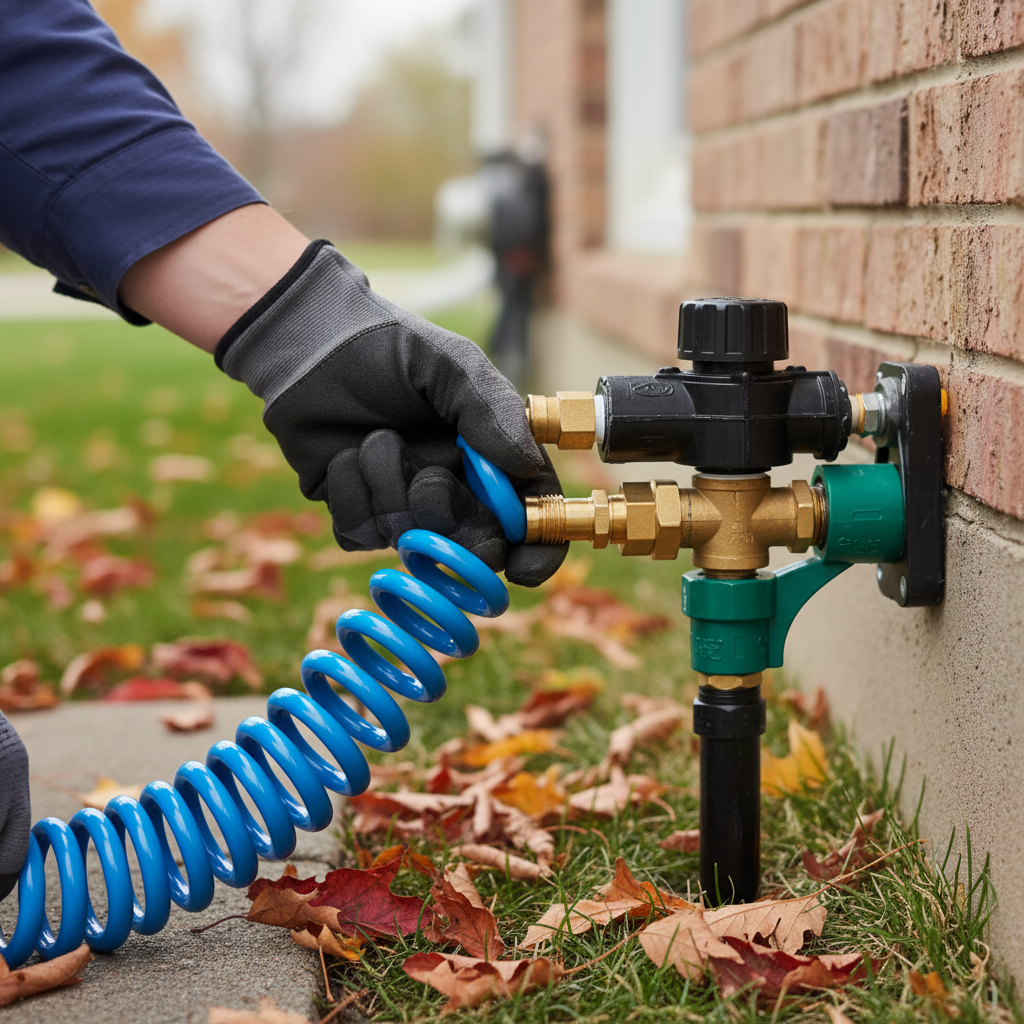
Depressurize the System and Drain the Backflow Preventer — Locate your backflow prevention device (BPD) outside. It's usually a set of brass valves and pipes near your home's foundation. To prepare it for the blowout, open the two small test cocks using a flathead screwdriver (turn the slot so it's parallel with the fitting). This releases pressure and allows the device to drain. Close the main shut-off valves on the BPD itself. Note: The proper sequence for opening/closing the BPD's ball valves for the blowout varies by type (PVB vs. RPZ). Consult your BPD manual or a professional if unsure.
-
Connect the Air Compressor — Attach your blowout adapter to the system's designated blowout port. This is often a spigot, tee fitting, or one of the test cocks on the BPD, located after the main shut-off valve. Connect your air hose from the compressor to this adapter. Ensure all connections are snug. Make sure the compressor itself is turned off and the regulator valve is closed before connecting the hose.
-
Set the Compressor's Air Pressure — This is a critical safety step to prevent damage. Turn on the compressor and let the tank fill. Adjust the pressure regulator on the compressor to deliver a low, controlled pressure.
- For systems with flexible polyethylene (black poly) pipes: Set the pressure no higher than 50 PSI.
- For systems with rigid PVC pipes: Set the pressure between 60 and 80 PSI.
- Never exceed 80 PSI. High pressure can blow sprinkler heads off their risers, break fittings, or damage valves. The goal is to use air volume (CFM), not high pressure, to clear the lines.
-
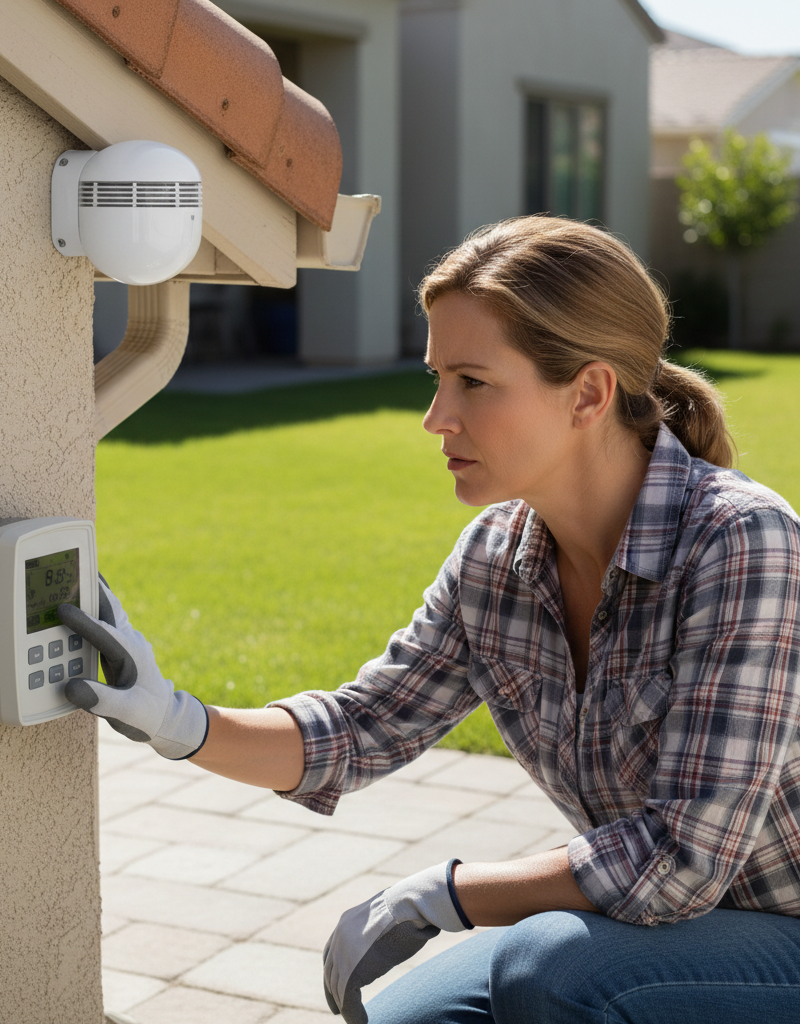
Activate One Sprinkler Zone — Go to your irrigation controller. Set it to run a manual cycle for a single zone. It is essential to start with the zone that is highest in elevation and/or furthest from the compressor connection point. This allows for a more efficient and complete evacuation of water from the main lines first. Do not attempt to blow out more than one zone at a time.
-
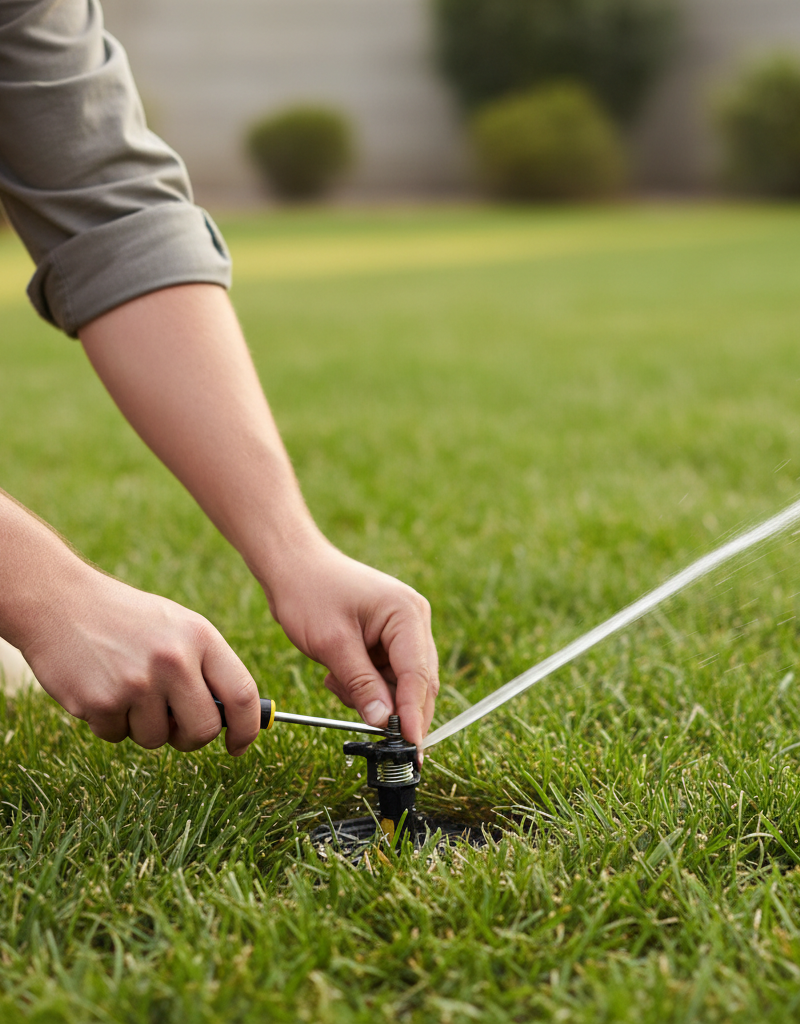
Slowly Introduce Air into the System — Return to the compressor. With one zone open and the compressor running, slowly open the ball valve on your blowout adapter or the compressor's hose outlet. You will hear air begin to flow into the irrigation pipes, followed by the sound of water gurgling and then spraying out of the sprinkler heads in the activated zone. Introducing the air slowly prevents a sudden pressure shock that could damage components.
-
Blow Out the First Zone Until Dry — Let the air run through the active zone for approximately 2 to 5 minutes, or until the sprinkler heads stop spraying a stream of water and only emit a fine mist or puffs of air. You will notice a distinct change in the sound. Do not run the compressor continuously for more than a few minutes at a time, as the high-volume air can create friction and heat, potentially melting plastic fittings. If your compressor is small, you may need to pause to let it recharge.
-
Cycle Through All Remaining Zones — Once the first zone is dry, return to the irrigation controller. Turn off the first zone and immediately activate the next one. Return to the compressor and confirm air is flowing to the new zone. Repeat the blowout process from Step 8. Continue this sequence, one zone at a time, until every single zone in your system has been blown completely dry.
-
Perform a Second, Quicker Blowout Cycle — After completing all zones once, it is best practice to cycle through all of them a second time. This pass can be quicker, about 1-2 minutes per zone. This second cycle ensures that any residual water that may have settled in low spots or behind check valves during the first pass is completely expelled.
-
Disconnect and Finalize the System — Once all zones are dry, turn off the irrigation controller completely (usually a "System Off" or "Rain" mode). Turn off the air compressor and close the valve on the blowout adapter. Unplug the compressor, bleed the remaining air pressure from its tank, and disconnect the air hose from the irrigation system.
-
Set Valves and Drains for Winter — To finalize, leave the test cocks on your backflow preventer open. Position the handles of the two main ball valves on the BPD at a 45-degree angle (halfway between open and closed). This allows any trace amounts of trapped moisture to expand without being fully constrained, preventing cracks. If your system has manual drain valves, ensure they are open. Your system is now winterized.
Common mistakes
- Using Too Much Air Pressure. The most common DIY error is setting the compressor to 100 PSI or more, believing higher pressure works better. This is false and dangerous. Excessive pressure can shatter PVC fittings, destroy sensitive valve diaphragms, and launch sprinkler heads into the air. Instead: Strictly adhere to the 50 PSI limit for poly pipe and the 80 PSI limit for PVC pipe. Volume of air (CFM) clears water, not pressure.
- Relying on Automatic or Gravity Drains. Many systems have low-point drains, but they are rarely sufficient. Underground lines inevitably have dips and bellies where water pools, and check valves in sprinkler heads are designed to hold water in the line. These isolated pockets will freeze and burst. Instead: Always use the compressed air blowout method, as it is the only way to physically force all trapped water out of the entire system.
- Forgetting to Drain the Backflow Preventer (BPD). The BPD is the most expensive and exposed component. Simply blowing air through it is not enough. Trapped water in its internal chambers can easily freeze and crack the brass body, leading to a several-hundred-dollar replacement. Instead: After the blowout, ensure the BPD's test cocks are open and its main ball valves are left at a 45-degree angle. This gives any remaining moisture an escape path and room to expand.
- Blowing Out Multiple Zones Simultaneously. A typical homeowner compressor does not produce enough air volume (CFM) to adequately clear more than one zone at a time. Trying to do so divides the airflow, reducing its velocity and leaving significant amounts of water behind in all zones. Instead: Blow out one and only one zone at a time. Complete a full cycle before moving to the next.
- Connecting the Compressor to a Hose Bib. Attaching the compressor to a standard outdoor spigot is ineffective. Most hose bibs are part of your home's domestic plumbing, completely separate from the irrigation main line. This action does nothing to clear the sprinkler system itself. Instead: Connect only to the designated blowout port located on the piping after the main irrigation shut-off valve.
Cost & time breakdown
The cost of winterizing is negligible compared to the cost of repairing freeze damage. The primary investment is in time or professional service fees.
| Task | DIY Cost | Pro Cost | Time |
|---|---|---|---|
| Professional Winterization Service | N/A | $80 - $200 | 20 - 45 minutes |
| DIY w/ Rented Compressor & Fittings | $40 - $70 | N/A | 1 - 2 hours |
| DIY w/ Owned Compressor | $5 - $20 (for adapter) | N/A | 1 - 2 hours |
| Spring Repair: Single Burst Lateral Pipe | $50 - $150 (parts & tools) | $200 - $400 | 2 - 4 hours |
| Spring Repair: Damaged Backflow Preventer | $150 - $400 (parts only) | $450 - $800+ | 1 - 3 hours |
When to call a pro
While winterizing a standard residential system is a manageable DIY project, certain situations warrant hiring a licensed irrigation professional. Call a pro if you encounter any of the following:
- Your system is very large or complex, with more than 10-12 zones, multiple manifolds, booster pumps, or two-wire control systems. The air volume requirements may exceed what a portable compressor can provide.
- Your water source is a lake, pond, or well. These systems involve foot valves, suction lines, and priming procedures that add significant complexity to the winterization process. Improperly draining a pump can destroy it.
- You cannot locate the main irrigation shut-off valve or a blowout connection point. A professional can identify, and if necessary, install the proper components for future service.
- The main shut-off valve is seized, broken, or leaking. This must be repaired by a qualified plumber or irrigation technician before the system can be winterized safely.
- You are not comfortable or experienced with using an air compressor. The risks of system damage from improper pressure settings or personal injury are valid concerns. The cost of a professional service is a sound investment in peace of mind.
Prevention & maintenance
Proper year-round maintenance makes the annual winterization process smoother and more effective, preventing failures before they happen.
- Exercise Your Shut-Off Valves. Once a season, fully close and then repoen the main irrigation shut-off valve and the ball valves on your backflow preventer. This prevents mineral buildup and ensures they will not be seized shut when you need them most.
- Map Your System and Mark Components. Create a simple diagram of your property showing the layout of each zone. Use small flags or stakes to mark the locations of all sprinkler heads and underground valve boxes before the grass stops growing. This makes them easy to find for adjustments and spring start-up.
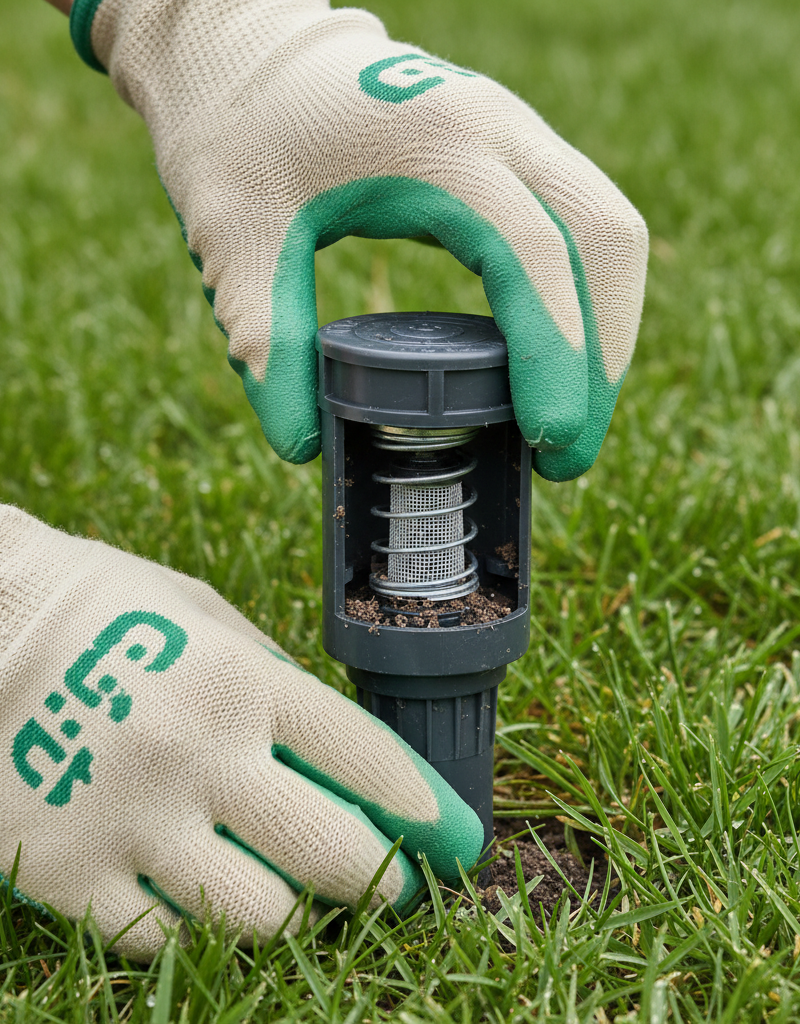
- Inspect Sprinkler Heads and Nozzles Regularly. During the watering season, walk your property while the system is running. Look for clogged nozzles, broken heads, or misdirected spray patterns. Replacing a damaged $5 nozzle in July is far easier than discovering a geyser during a high-pressure blowout in October.
- Address Leaks Immediately. Small leaks in valve boxes or perpetually wet spots in the lawn indicate a problem that will only worsen. A slow leak in a zone valve will allow the line to refill with water after a blowout, completely negating your work and guaranteeing a burst pipe.
- Schedule Professional Backflow Testing. Most municipalities require annual testing of your backflow prevention device by a certified technician. This service not only ensures your drinking water is safe but also serves as a professional inspection of your system's most critical component, catching potential issues before they cause a winter catastrophe.
Frequently asked questions
How cold does it have to be to burst sprinkler pipes?+
Sprinkler pipes can burst when temperatures consistently drop below 32°F (0°C) for several hours, allowing trapped water to freeze solid and expand. Even a single hard freeze can cause damage, especially in above-ground components like backflow preventers or shallow lines.
Can I winterize my sprinkler without an air compressor?+
Some systems are designed for gravity draining or manual draining, often indicated by drain valves at low points. However, gravity draining rarely removes all water, leaving your system vulnerable. For most underground systems, an air compressor blowout is the only reliable method to ensure complete water removal and prevent freezing damage. We strongly recommend using one.
What PSI should I use to blow out my sprinkler system?+
For most residential sprinkler systems, use an air compressor set between 50-80 PSI. Never exceed 80 PSI for PVC systems, as excessively high pressure can damage sprinkler heads, seals, and pipes. Always introduce air gradually and open valves slowly.
Do I need to turn off the water to my house to winterize sprinklers?+
No, you only need to turn off the main water supply dedicated to your irrigation system. This separate shut-off valve is usually located before your backflow preventer or where the sprinkler line connects to your home's main water line. Your indoor plumbing will remain unaffected.
How long does a sprinkler blowout take?+
For an average residential sprinkler system (3-6 zones), a manual blowout can take anywhere from 30 minutes to 1.5 hours, depending on system size, the number of zones, and the compressor's air delivery rate. Allow extra time for setup and careful execution to ensure thorough water removal.
Discussion
Loading comments…