
Tools & materials you'll need
Affiliate linksAs an Amazon Associate FixlyGuide earns from qualifying purchases — at no extra cost to you. Prices and availability are accurate as of publication and subject to change.
Quick Answer
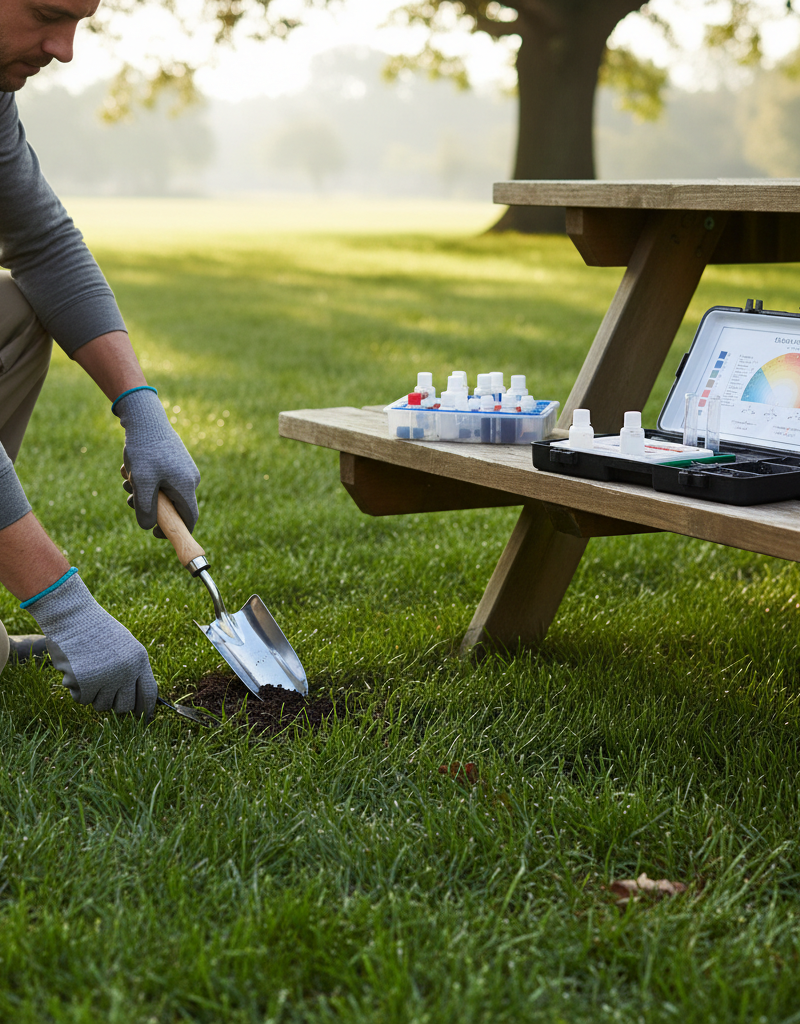
A Testing your lawn's soil pH at home is a straightforward process using readily available kits. By collecting representative soil samples, mixing them with distilled water, and following the kit instructions (either color comparison for liquid kits or digital reading for meters), you can accurately determine your soil's pH level. This crucial information guides you in applying the right amendments, like lime or sulfur, to optimize nutrient uptake and foster a lush, healthy lawn.
The Problem
Many homeowners struggle with patchy, yellowing, or slow-growing lawns despite regular watering and fertilizing. The hidden culprit often isn't a lack of effort but an imbalanced soil pH. When your soil's pH is too acidic or too alkaline, essential nutrients — even if present in the soil — become "locked up" and unavailable to your grass roots. This means your expensive fertilizers might be going to waste, and your lawn is slowly starving, leading to a host of aesthetic and health problems. Without knowing your soil's pH, you're essentially guessing at what your lawn needs, leading to frustration and wasted resources. Diagnosing and correcting an improper soil pH is the foundational step to achieving a vibrant, resilient lawn.
How It Works
Soil pH is a measure of its acidity or alkalinity, expressed on a scale from 0 to 14. A pH of 7 is neutral, below 7 is acidic, and above 7 is alkaline (or basic). Most lawn grasses, particularly common varieties like Kentucky Bluegrass, Fescue, and Ryegrass, thrive in a slightly acidic to neutral range, typically between 6.0 and 7.0. At these optimal levels, the necessary nutrients like nitrogen, phosphorus, and potassium, as well as crucial micronutrients, are most soluble and therefore most accessible for your grass roots to absorb.
When the pH deviates too far from this ideal range, chemical reactions in the soil change, altering nutrient availability. In highly acidic soils, beneficial microorganisms struggle, and some elements like aluminum can become toxic to plants. In alkaline soils, iron and manganese often become insoluble, leading to nutrient deficiencies that manifest as yellowing leaves or stunted growth. Water itself, often praised, can exacerbate this issue. Depending on your municipal water source, it might be slightly acidic or alkaline, influencing topsoil pH over time. The testing process works by introducing a reagent (in liquid kits) or an electrical current (in digital meters) to a soil and water mixture. The reagent reacts with the soil chemistry to produce a color change indicative of pH, while the meter measures the concentration of hydrogen ions, directly correlating to pH. This simple measurement provides a clear snapshot of your soil
Frequently asked questions
How often should I test my lawn's soil pH?+
It's generally recommended to test your lawn's soil pH every 2-3 years. However, if you've recently applied significant amendments like lime or sulfur, or if your lawn is showing signs of distress, testing annually can help you monitor progress and make timely adjustments.
What is the ideal pH range for most lawn grasses?+
Most common lawn grasses, including Kentucky Bluegrass, Fescue, and Ryegrass, prefer a slightly acidic to neutral pH range, typically between 6.0 and 7.0. A pH in this range ensures optimal availability of essential nutrients for healthy growth.
Can I use household items to test soil pH?+
While DIY methods using vinegar and baking soda can provide a very rough indication of extremely acidic or alkaline soil, they are not precise enough for accurate lawn care. For reliable results, it's best to use a specialized soil pH test kit or meter designed for gardening.
How long does it take to see results after adjusting soil pH?+
Adjusting soil pH is a gradual process. You can typically expect to see noticeable improvements in your lawn's health and appearance within a few months to a year after applying amendments like lime or sulfur. Regular retesting will help you track the progress.
Discussion
Loading comments…