Tools & materials you'll need
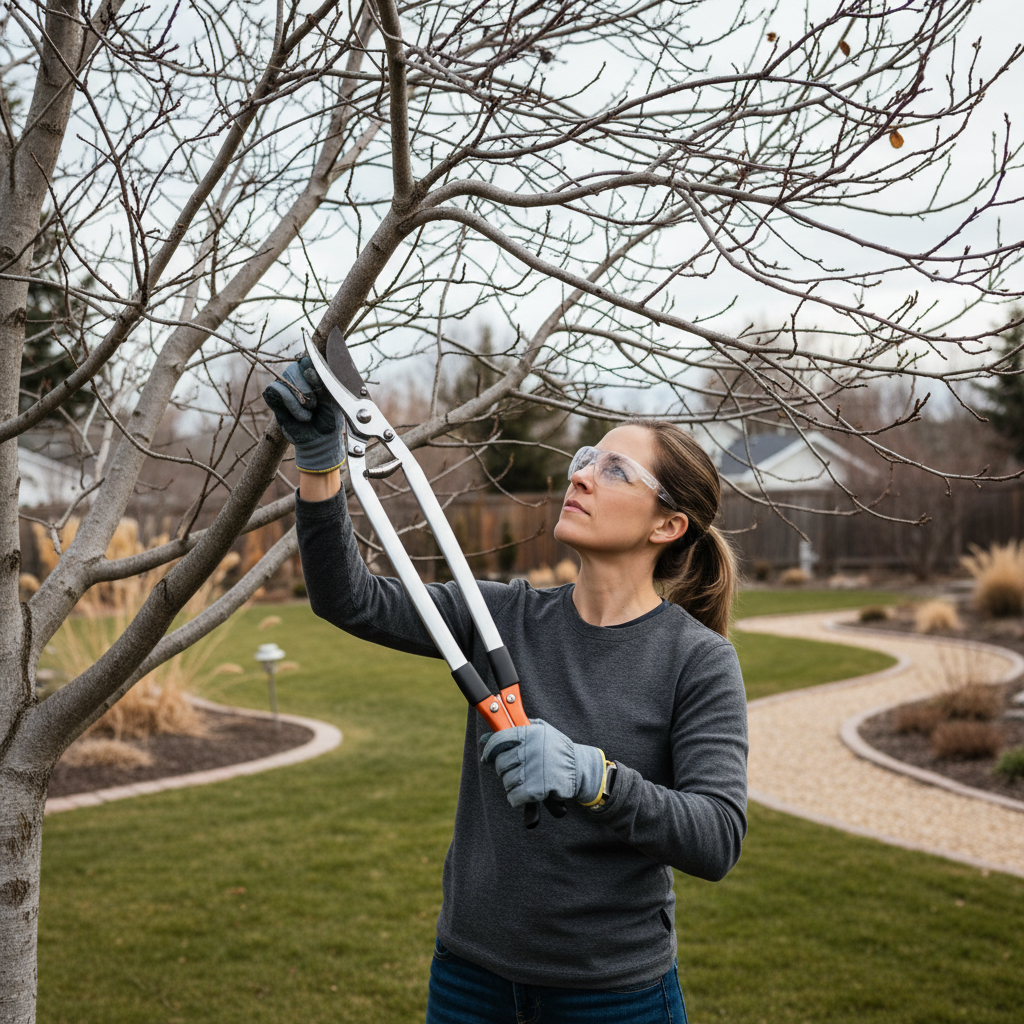
Affiliate links- AmazonHand PrunersBypass pruners for branches up to 3/4 inch thick
- AmazonLoppersFor branches up to 1 1/2 inches thick
- AmazonPruning SawFolding or bow saw for branches over 1 1/2 inches, up to 4-5 inches
- AmazonSafety Glasses
- AmazonWork GlovesDurable, thorn-resistant
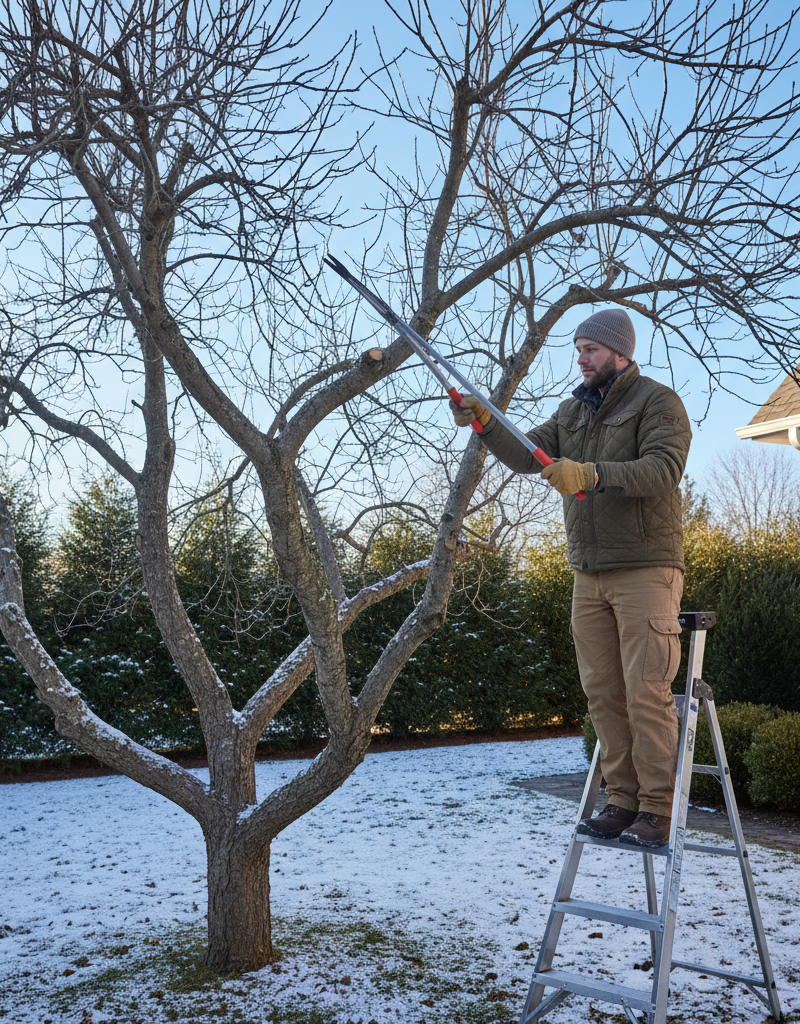
- AmazonLadderIf needed for reaching higher branches safely – ensure it's stable and appropriate height
As an Amazon Associate FixlyGuide earns from qualifying purchases — at no extra cost to you. Prices and availability are accurate as of publication and subject to change.
Quick Answer
Pruning at the wrong time of year is a common mistake that can significantly impact a tree's health, vigor, and flowering. For most deciduous trees, the ideal time for major pruning is late winter to early spring, when the tree is dormant and leafless. This allows for clear visibility of the tree's structure and minimizes stress. For flowering trees, the timing shifts to immediately after they finish blooming, to avoid cutting off the current year's flowers. Correct timing is crucial for maximizing growth and minimizing risks.
The Problem
Have you ever pruned a tree only to find it looks scraggly, produces fewer flowers, or seems to struggle afterward? The culprit is often mistimed pruning. Many homeowners mistakenly prune based on convenience or immediate aesthetic needs, rather than understanding the tree's biological cycles. Pruning during active growth periods can shock the tree, leading to excessive sap bleed, poor wound closure, and an open invitation for pests and diseases. Pruning at the wrong time can also remove developing flower buds, resulting in a disappointing display in the spring.
The real pain here is twofold: you've put in the effort, perhaps even invested in tools, but the results are counterproductive. Instead of a thriving, beautiful tree, you're left with a plant that's fighting an uphill battle, potentially costing you more in the long run for disease treatment or even replacement. Understanding when to prune is just as vital as knowing how to prune, yet it's often overlooked.
How It Works
Trees, like all living organisms, operate on seasonal cycles. During the dormant period, typically late fall through late winter, a tree's metabolic activity slows down considerably. Sap flow is minimal, and the leaves have fallen from deciduous trees, making the branch structure visible. This dormancy is the optimal time for significant structural pruning for several reasons. Firstly, the absence of leaves allows you to clearly see crossing branches, weak angles, and other structural issues that need addressing. Secondly, the tree is less susceptible to shock from pruning wounds because it's not actively expending energy on leaf production or photosynthesis. Wounds heal more efficiently, reducing the risk of disease entry.
Conversely, pruning during the active growing season (spring and summer) can be detrimental. When a tree is actively growing, its sap is flowing vigorously, transporting water and nutrients to the leaves. Cutting into a branch during this time causes significant sap bleed, which is essentially the tree losing valuable resources. This bleed can weaken the tree and attract pests. Furthermore, the tree's energy is focused on producing new leaves and photosynthesizing; diverting this energy to wound healing can stress the tree. Pruning at certain times can also stimulate a flush of new, weak growth that is more susceptible to frost damage or pests. For flowering trees, flower buds for the coming season are often formed on old wood (last year's growth). Pruning an early-flowering tree in late winter or early spring removes these buds, sacrificing the year's bloom. Understanding these cycles is key to successful pruning.
Step-by-Step Fix
Diagnose Your Tree Type — Identify whether your tree is deciduous, evergreen, or a flowering variety.
- Deciduous trees (lose leaves in winter): Most shade trees (oaks, maples, elms). Primary pruning window: late winter to early spring.
- Evergreen trees (retain leaves year-round): Conifers (pines, spruces, firs), broadleaf evergreens (holly, magnolia). Pruning window varies. Conifers are best pruned when new growth is soft ('candles'). Broadleaf evergreens are often pruned in late spring after flowering or in early fall.
- Flowering trees: Examples include dogwood, crabapple, cherry, lilac. Key consideration: when do they bloom? This dictates pruning time.
Know Your Blooming Schedule — Determine if your flowering tree blooms on 'old wood' or 'new wood'.
- Old wood bloomers (e.g., lilacs, dogwoods, magnolias): These form flower buds on the previous year's growth. Prune immediately after flowering. Pruning in late winter or early spring will remove developing flower buds.
- New wood bloomers (e.g., crape myrtle, roses, abelia): These form flower buds on the current year's growth. Prune in late winter or early spring while dormant to encourage vigorous new growth that will flower.
General Dormant Pruning for Deciduous Trees — Focus on structural integrity and health.
- Time: Late winter (January to March in most temperate climates) before bud break.
- Purpose: Remove dead, damaged, or diseased branches. Address crossing or rubbing branches. Thin out overcrowded areas to improve air circulation and light penetration. Reduce overall size or reshape for structural reasons.
- Safety Note: Always use sharp, clean tools. Wear gloves and eye protection. For branches too high or thick to reach safely from the ground, call a certified arborist.
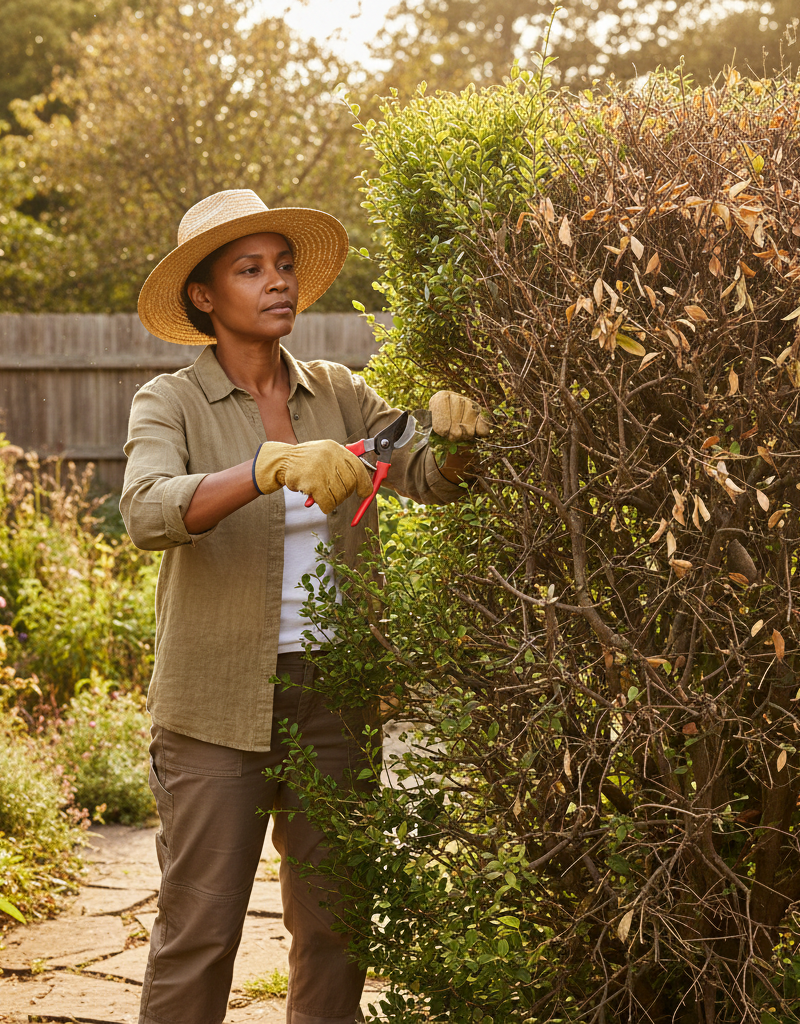
Pruning Flowering Trees After Bloom — Preserve the year's floral display.
- Time: As soon as the last flowers fade, typically late spring to early summer for spring-blooming trees.
- Purpose: Remove spent flowers (deadheading if applicable), shape the tree, and remove any dead or weak wood. This allows the tree to put energy into developing new buds for the next season.
- If this doesn't work: If your tree still doesn't flower after correct pruning, investigate other causes like soil nutrient deficiencies, insufficient sunlight, or pest/disease issues.
Summer Pruning (Limited) — Use sparingly and for specific purposes.
- Time: Mid-summer, after the main flush of spring growth has hardened off.
- Purpose: Light shaping, removing water sprouts (vertical, vigorous shoots from branches), or suckers (shoots from the base or roots). Can also be used to slow down growth on an overly vigorous branch. Avoid heavy pruning in summer as it can stimulate new growth that won't harden off before winter.
- Mistake to avoid: Don't remove more than 10-20% of the tree's canopy during summer pruning unless absolutely necessary for safety.
Emergency Pruning (Any Time) — Address immediate hazards.
- Time: As needed, any time of year.
- Purpose: Remove broken, storm-damaged, diseased, or hazardous branches immediately to prevent further damage to the tree or property. Clean cuts are still important, even in emergency situations.
- Pro Tip: For large, broken branches, a professional arborist is recommended to ensure safe removal and proper wound treatment.
Learn Your Local Climate — Adjust timing based on your specific hardiness zone.
- Research: Consult local university extension offices or reputable arborist resources for region-specific pruning calendars.
- Observation: Pay attention to when trees in your area are truly dormant or actively putting on new growth.
Common Causes
- Ignorance of tree biology: Many homeowners simply don't know that trees have dormant and active growth cycles, and how pruning impacts these cycles.
- Desire for immediate aesthetics: Pruning when a tree looks 'messy' without considering the biological consequences.
- Fear of pruning: Leading to avoidance, and then an overwhelming job that's tackled at the wrong time just to get it done.
Frequently asked questions
What is the best time of year to prune most trees?+
For most deciduous shade trees, the best time for major pruning is late winter to early spring, while the tree is dormant. This allows for clear visibility of the tree's structure and minimizes stress.
When should I prune flowering trees?+
It depends if they bloom on old wood or new wood. Trees that bloom on old wood (e.g., lilacs, dogwoods) should be pruned immediately after they finish flowering. Trees that bloom on new wood (e.g., crape myrtles) can be pruned in late winter or early spring.
Can I prune trees in the summer?+
Light pruning for shaping, removing water sprouts, or suckers is generally acceptable in summer. However, avoid heavy pruning during the active growing season, as it can stress the tree and lead to excessive sap bleed or new, weak growth.
What happens if I prune at the wrong time?+
Pruning at the wrong time can lead to several problems: reduced flowering, excessive sap loss, increased susceptibility to pests and diseases, stunted growth, and stress on the tree. It can also stimulate weak growth that is vulnerable to frost damage.
When should I call a professional arborist to prune my trees?+
You should call a professional arborist if the job involves large branches, working at significant heights, using chainsaws, or if you suspect your tree has a disease or structural issue beyond your expertise. They have the training and equipment for safe and effective pruning of large or compromised trees.
Discussion
Loading comments…