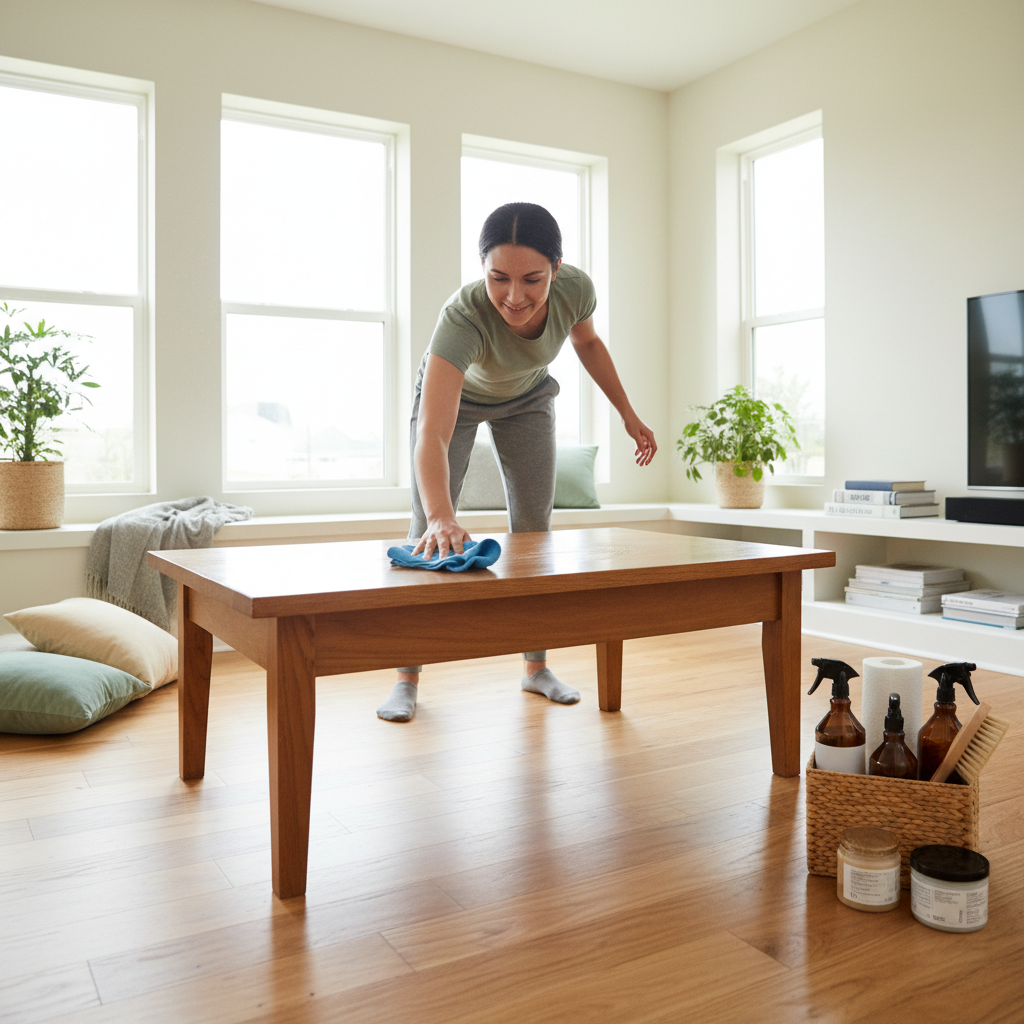
Tools & materials you'll need
Affiliate links- AmazonCleaning Caddy/Bucket1 · To carry supplies from room to room.
- AmazonMicrofiber Cloths10-15 · Use different colors to prevent cross-contamination.
- AmazonExtendable High Duster1 · For ceiling fans, light fixtures, and high corners.
- AmazonVacuum with Attachments1 · Crevice, upholstery, and brush attachments are essential.
- AmazonRubber Gloves1 pair · Protect your hands from harsh chemicals and hot water.
- AmazonScrub Brushes2-3 · Various sizes, including a small grout brush.
- AmazonMop and Bucket1 · A spin mop or dual-chamber bucket is recommended.
As an Amazon Associate FixlyGuide earns from qualifying purchases — at no extra cost to you. Prices and availability are accurate as of publication and subject to change.
Quick Answer
The most effective way to deep clean a house in a weekend is to use a 'top-down, dry-to-wet' strategy and divide the home into zones. This means starting with the highest points in a room (ceiling fans, light fixtures) and working your way down to the floor. Crucially, you complete all dry tasks like dusting, sweeping, and vacuuming before introducing any liquid cleaners. Tackle bedrooms and bathrooms on Saturday, then the kitchen and living areas on Sunday. This focused approach prevents burnout and ensures you aren't cleaning areas twice. Before you begin, gather all your supplies in a caddy to save time and maintain momentum.
Why This Works
This weekend cleaning plan isn't just a checklist; it’s a strategy rooted in efficiency and surface chemistry. The success of this method hinges on three core principles: methodical order (top-down, dry-to-wet), zone-based task batching, and using the right chemical tool for the job.
1. The "Top-Down, Dry-to-Wet" Methodology: Gravity is your unchangeable partner in cleaning. Dusting a ceiling fan after you’ve mopped the floor means you’ll have to clean the floor again. The "top-to-bottom" rule ensures that dust and debris fall downwards onto surfaces you haven't cleaned yet. The "dry-to-wet" component is equally critical. When you try to wipe a dusty, crumb-covered surface with a wet cloth, you create a streaky, muddy mess. By removing all dry soil first—dust, hair, pet dander, crumbs—through dusting and vacuuming, you clear the way for your liquid cleaners to work directly on the adhered grime, oils, and stains. This makes every wipe, spray, and scrub far more effective.
2. Zone-Based Approach & The Chemistry of a Clean: Tackling an entire house feels amorphous and overwhelming. By dividing the home into two distinct zones (e.g., "Private Spaces" like bedrooms/baths for Day 1, and "Public Spaces" like kitchen/living for Day 2), you create achievable goals. This mental trick prevents decision fatigue and builds momentum. Furthermore, these zones often have different cleaning needs based on the type of soil present.
-
Bathrooms (Day 1): The primary soils here are mineral deposits (hard water scale, limescale) and soap scum. Mineral deposits are alkaline, so you need an acidic cleaner to dissolve them. This is why products like CLR (which contains lactic acid) or simple vinegar (acetic acid) are so effective on shower doors and faucets. Soap scum, conversely, is a compound of soap, body oils, and minerals. It requires a dual approach: a surfactant to lift the oils and a chelating agent to break down the mineral component. A powerful alkaline degreaser or a specialty product like Bar Keepers Friend (which contains oxalic acid, an effective chelator) works wonders here.
-
Kitchens (Day 2): The dominant soil in the kitchen is grease from cooking. Grease is a lipid (fat), which is best broken down by a strong alkaline cleaner (high pH). Products like Krud Kutter or even a strong solution of Dawn dish soap work by emulsifying the fat, lifting it from the surface so it can be wiped away. For baked-on food, you may also need the gentle abrasive power of a product like Bar Keepers Friend or a baking soda paste.
-
General Surfaces (Both Days): For general dusting and wiping of painted walls, wood furniture, and baseboards, a pH-neutral or mild all-purpose cleaner is best. These cleaners rely on surfactants—molecules that are both attracted to water and oil—to lift everyday grime without damaging the underlying surface. A simple solution of a few drops of dish soap in a gallon of water is often sufficient.
-
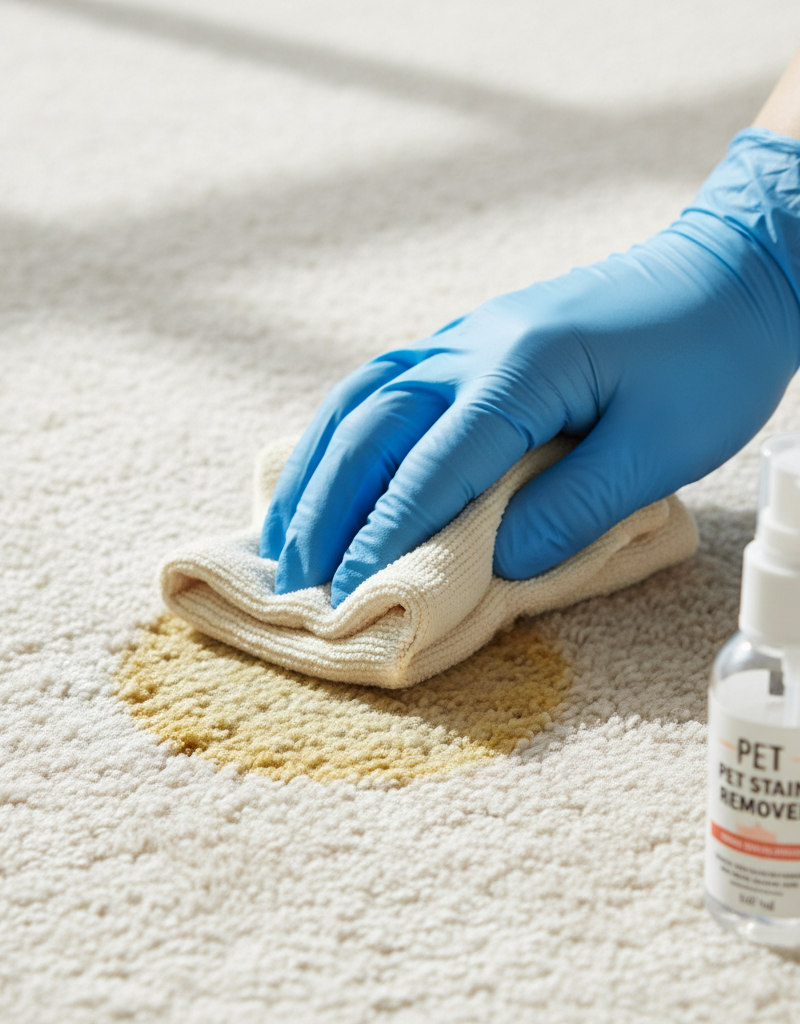
Organic Stains: For pet accidents or food spills on carpet, an enzymatic cleaner is non-negotiable. These products contain specific enzymes that literally digest the proteins and organic matter in the stain, eliminating it and the associated odor rather than just masking it.
By understanding this basic chemistry, you can stop scrubbing fruitlessly and start letting the cleaners do the work for you through appropriate "dwell time"—letting the chemical sit and break down the soil before you wipe.
What You Need
- Cleaning Caddy or Bucket: To keep all your supplies with you as you move through the house.
- High-Quality Microfiber Cloths: At least 10-15. Use different colors for different areas (e.g., blue for glass, yellow for general surfaces, red for bathrooms) to prevent cross-contamination.
- Extendable High Duster: For reaching ceiling fans, corners, and tops of cabinets.
- Vacuum Cleaner with Attachments: Essential tools are the crevice tool, upholstery brush, and dusting brush.
- Spray Bottles: For custom cleaning solutions.
- Scrub Brushes: A few sizes, including a small grout brush or old toothbrush.
- Mop and Bucket: A spin mop or a system with a separate dirty-water bucket is most effective.
- Protective Gear: Rubber gloves are a must. Consider safety glasses for tasks involving splashing chemicals.
- Trash Bags: For collecting clutter and debris as you go.
Cleaners:
- Degreaser: Krud Kutter Original or Dawn Powerwash.
- Acidic Cleaner: CLR (Calcium Lime Rust Remover) or a 50/50 white vinegar and water solution.
- Abrasive Cleanser: Bar Keepers Friend (powdered or soft cleanser).
- Oxygen Bleach: OxiClean powder or a similar brand.
- Glass Cleaner: A commercial spray or a 50/50 solution of water and 70% isopropyl alcohol with a drop of dish soap.
- pH-Neutral Floor Cleaner: Suitable for your specific floor type (e.g., Bona for hardwood, Zep for neutral tile cleaner).
- Enzymatic Cleaner: Folex or Nature's Miracle for carpets and upholstery.
- All-Purpose Cleaner: A gentle, pH-neutral option for general surfaces.
Step-by-Step Method
This plan is a marathon, not a sprint. Put on some music, stay hydrated, and focus on one task at a time. The payoff is immense.
Preparation: Friday Evening (1 Hour)
- Gather & Stage — Collect all your tools and cleaners. Place them in your caddy. Ensure all spray bottles are filled. This "mise en place" for cleaning saves incredible amounts of time.
- Strip & Pre-treat — Strip all bedding and start a load of laundry. Take down any washable curtains and get them in the queue. Pre-treat any laundry stains.
- Full-House Declutter — This is not organizing, it's clearing. Grab a trash bag for garbage and a basket for items that need to be put away. Quickly move through every room, clearing all surfaces—floors, counters, tables. This is non-negotiable.
Day 1: Saturday – Private Spaces: Bedrooms & Bathrooms (4-6 hours)
- Top-Down Dusting — Start in the master bedroom. With your extendable duster, tackle ceiling corners, light fixtures, fan blades (use the pillowcase trick to trap dust), and the tops of window and door frames. Work your way around the room and down, finishing with furniture surfaces.
- Windows, Treatments, and Walls — While dust settles, vacuum curtains or wipe down blinds. Clean window sills and tracks. Spot clean any marks on walls. Clean mirrors and interior windows with glass cleaner, using a squeegee or the two-towel microfiber method (one for cleaning, one for polishing).
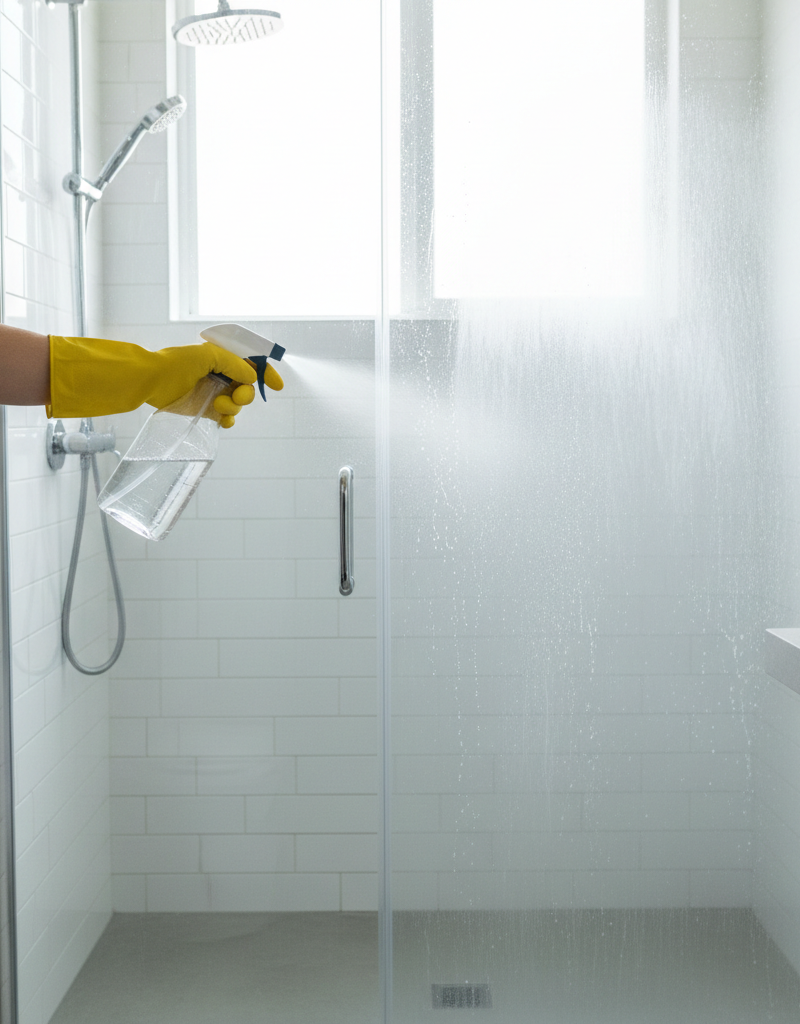
- Bathroom Chemical Assault — Move to the bathroom. Spray your acidic cleaner (CLR or vinegar) on the shower doors, fixtures, and around the faucet base to tackle mineral buildup. Spray a degreaser or apply Bar Keepers Friend to soap scum on the tub and tile walls. Pour toilet bowl cleaner into the toilet. Let everything dwell for 10-15 minutes. This is when you can wipe down the exterior of the toilet and vanity fronts.
- Bathroom Scrub Down — After dwelling, the grime is loosened. Using your scrub brushes, agitate the surfaces. A grout brush is key for tile lines. Scrub the toilet bowl. Rinse all surfaces thoroughly with cool water. Use a squeegee on shower walls and doors for a final, streak-free finish. Buff fixtures with a dry microfiber cloth until they shine.
- Comprehensive Vacuuming — Return to the bedrooms. Using your vacuum attachments, work methodically. Use the crevice tool for baseboards and edges, the upholstery tool for chairs and headboards, and the brush for lampshades and other delicate surfaces. Vacuum the mattress. Then, vacuum the entire floor area thoroughly, making sure to go under beds and furniture.
- Make Beds & Final Wipe — Remake the beds with fresh linens. Do a final wipe of any remaining surfaces like nightstands and dressers.
- Wash Floors — Mop the bathroom floors and any other hard-surface flooring in the upstairs zone. Start at the farthest corner and mop your way out of the room.
Day 2: Sunday – Public Spaces: Kitchen & Living Areas (4-6 hours)
- Kitchen Degreasing Blitz — The kitchen is all about grease. Remove the range hood filter and soak it in a sink of hot water with a generous squirt of Dawn Powerwash or a scoop of OxiClean. While it soaks, spray your degreaser (Krud Kutter) on the backsplash, stove top, and cabinet fronts. Let it dwell for 5-10 minutes. Wipe everything down with a clean, damp microfiber cloth, moving in the direction of the grain on wood cabinets. Scrub and rinse the range hood filter.
- Appliance Overhaul — Heat a bowl of water with lemon slices in the microwave for 2-3 minutes to steam the interior, then wipe it clean easily. Clean the fronts of the dishwasher, refrigerator, and oven. For stainless steel, spray cleaner on your cloth, not the appliance, and wipe with the grain. Empty the crumb tray in the toaster. A quick sink scrub with Bar Keepers Friend will make the entire kitchen feel cleaner.
- Living Area Top-Down — Repeat the same top-down dusting process from Saturday in all living and dining spaces. Pay special attention to electronics (use a dry microfiber cloth), bookshelves, and lampshades.
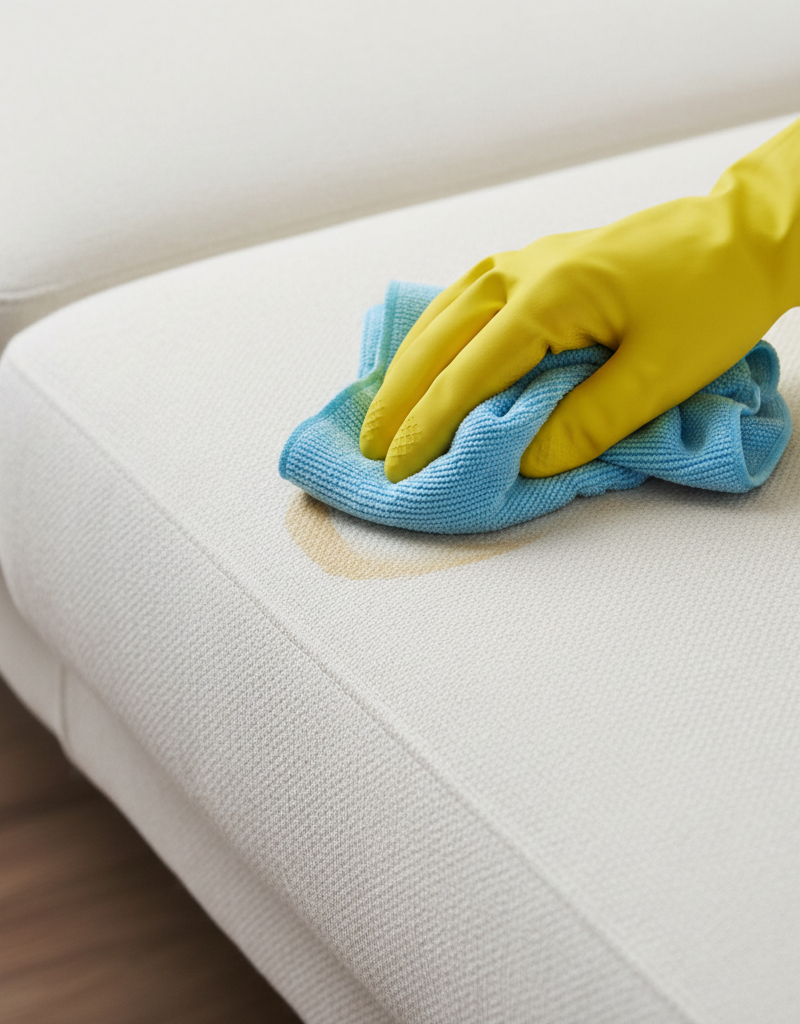
- Upholstery and Textile Care — Remove all cushions from sofas and chairs. Vacuum the frame and cushions thoroughly using the crevice and upholstery tools. Spot-treat any visible stains with Folex, following the product directions precisely (blot, don't rub!).
- The Final Floor Clean — This is the last major step. Vacuum all remaining carpet and hard floors in the house. Be systematic. Once all vacuuming is done, mop all the hard floors, starting from the farthest point in the house and working your way toward an exit.
Common Mistakes to Avoid
- Mixing Chemicals: NEVER mix bleach with ammonia (creates toxic chloramine gas) or bleach with acid/vinegar (creates toxic chlorine gas). Stick to one cleaner per job.
- Using Hot Water on Protein Stains: Using hot water on stains like blood, milk, or egg will "cook" the protein, setting it permanently into fibers. Always use cold water.
- Skipping Dwell Time: Impatiently scrubbing immediately after spraying a cleaner is a waste of energy. Let the product sit for the recommended time (usually 5-15 minutes) to break down the soil chemically.
- Cleaning Out of Order: Mopping before you’ve finished dusting is the classic mistake. Always work from top-to-bottom and dry-to-wet.
- Using the Wrong Cleaner: Don't use acidic cleaners like vinegar or CLR on natural stone like marble, granite, or travertine—it will etch the surface. Use a designated pH-neutral stone cleaner.
- Forgetting to Clean Your Tools: A dirty vacuum filter, a smelly mop head, or a caked-on scrub brush won't clean effectively. Finish your weekend by cleaning the tools that helped you.
Cost & Time Breakdown
| Task | DIY Cost (Supplies) | Professional Cost (One-Time) | Time Investment |
|---|---|---|---|
| Supply Acquisition | $75 - $150 (if starting from scratch) | Included in service | 1 hour |
| Decluttering & Prep | $0 | May charge extra or require it done beforehand | 1-2 hours |
| Day 1: Bedrooms & Baths | Included in supplies | ~$150 - $300 | 4-6 hours |
| Day 2: Kitchen & Living | Included in supplies | ~$150 - $300 | 4-6 hours |
| Total | $75 - $150 | $300 - $600+ | 10-14 hours |
Prevention & Maintenance
- The 10-Minute Tidy: Spend just 10 minutes every evening putting things back in their place. This prevents the buildup of clutter that makes deep cleaning a huge chore.
- Squeegee the Shower: Keep a squeegee in your shower and wipe down the glass and tile after every use. This takes 30 seconds and dramatically reduces soap scum and hard water buildup.
- Clean Spills Immediately: Whether it's sauce on the counter or a drop on the floor, cleaning it up while it's fresh is infinitely easier than scrubbing it later.
- "Clean As You Go" Cooking: Wash pots, pans, and mixing bowls while waiting for food to cook. Wipe down the stove top after it cools. This keeps the kitchen in a constant state of "almost clean."
- Weekly Zone Maintenance: Spend 15 minutes on one zone per week. Week 1: Wipe down bathroom counters and toilets. Week 2: Wipe down kitchen appliances and counters. This small investment maintains your deep clean for months.
When to Call a Professional
A DIY deep clean is empowering, but sometimes, calling in the pros is the smartest move. Consider a professional service if:
- The task is overwhelming. If you're dealing with a neglected property, post-renovation dust, or clutter that requires a separate hauling service, a pro team can provide the reset you need.
- You need specialized equipment. Professionals have truck-mounted hot water extraction machines for carpets, industrial-grade steamers, and tools for high or hard-to-reach exterior windows that are beyond the scope of a typical homeowner.
- You're dealing with hazardous materials. Suspected mold growth requires a certified mold remediation specialist, not just a cleaning service, to ensure it's removed safely and completely to protect your health.
- You lack the time or physical ability. A deep clean is physically demanding. If you have mobility issues, health concerns, or simply a packed schedule, the cost of a professional service can be well worth the time and physical toll it saves you. Their efficiency is also a major benefit; a team of two pros can often accomplish in 4-5 hours what might take a homeowner an entire weekend.
Get the print-ready PDF of this guide
A clean, ad-free, printable version you can keep on your phone or pin to the workshop wall. We'll also send occasional weekly tips matched to your home situation.
- Print-optimized layout
- Tools, materials & every step included
- Unsubscribe anytime
Frequently asked questions
What is the best order to deep clean a house?+
The most efficient order is always top-to-bottom, and dry-to-wet. Start by dusting high surfaces like ceiling fans and shelves, letting dust fall. Then, vacuum all dust and debris. Only after all dry soil is removed should you begin wet-cleaning surfaces and mopping floors.
Should I declutter before I deep clean?+
Absolutely. Decluttering is the essential first step. You cannot effectively clean surfaces that are covered in mail, clothes, or other items. Clearing all surfaces and floors allows you to work uninterrupted and clean every square inch.
How often should you deep clean your entire house?+
For most homes, a full, wall-to-wall deep clean is recommended 2 to 4 times per year (quarterly or semi-annually). This complements your regular weekly cleaning to maintain a healthy and pleasant living environment.
Is it better to clean one room at a time or one task at a time?+
For a weekend deep clean, it's best to combine these methods. Work in a 'zone' (like bedrooms/bathrooms) and complete all tasks within that zone (dusting, vacuuming, scrubbing). This 'task-batching' within a zone is more efficient than, for example, dusting the entire house then vacuuming the entire house, which involves too much walking back and forth.
Discussion
Loading comments…