Tools & materials you'll need
Affiliate linksAs an Amazon Associate FixlyGuide earns from qualifying purchases — at no extra cost to you. Prices and availability are accurate as of publication and subject to change.
Quick Answer
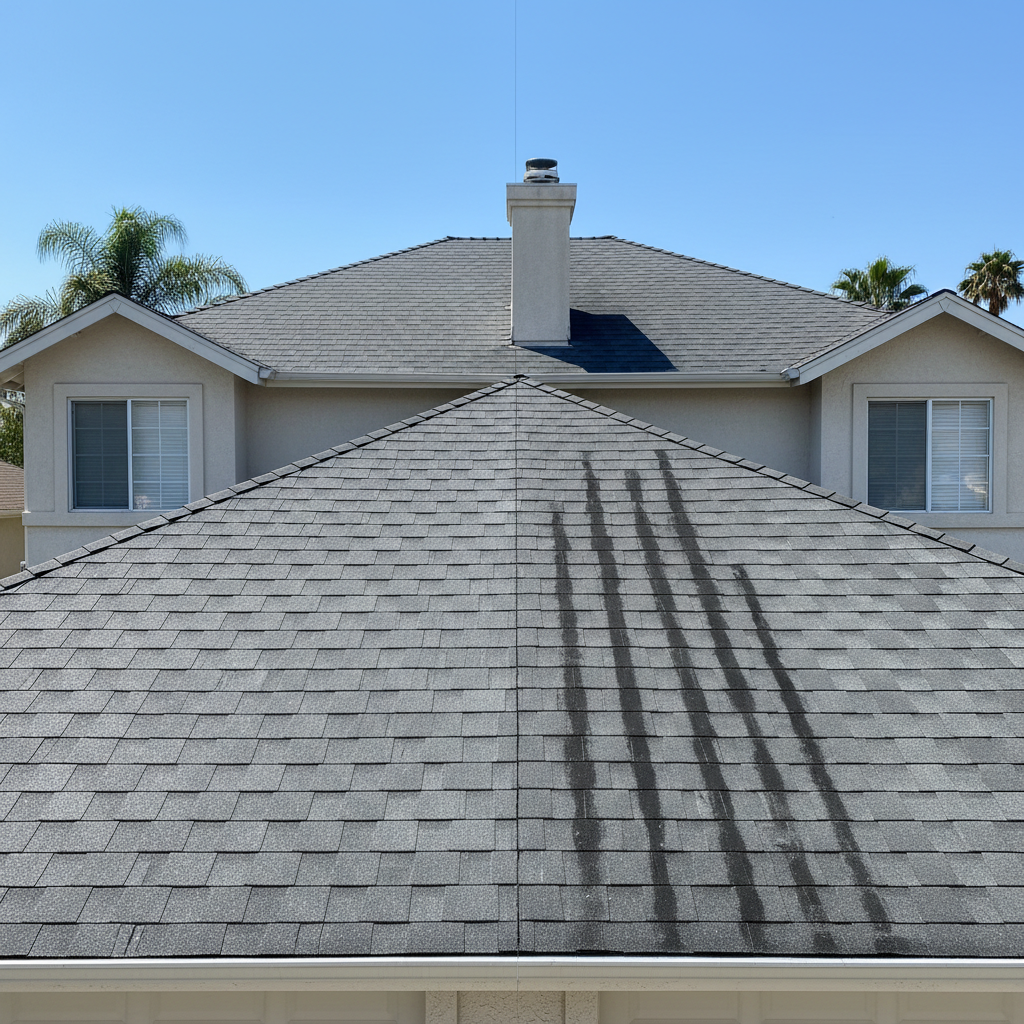
The black streaks on your asphalt shingle roof are not dirt, mold, or signs of shingle failure. They are caused by a resilient, airborne algae named Gloeocapsa magma. This algae feeds on the limestone filler in your shingles and can be safely cleaned off with a specific bleach and water solution, restoring your roof's appearance.
The Problem
You wash your siding, you keep the lawn neat, but when you pull into your driveway, your eyes are drawn upward to the roof—and the ugly, dark streaks staining its surface. They often start small, but over a few years, they can colonize entire sections of your roof, making an otherwise beautiful home look old, dirty, and neglected. It’s a frustrating sight that can even impact curb appeal and property value.
For many homeowners, the immediate fear is that the roof is failing. Are those streaks mold? Is water getting in? Is this the beginning of a multi-thousand-dollar roof replacement? The streaks, which often appear more prominent on north-facing roof planes that receive less direct sunlight, seem to mock your maintenance efforts. You might have even seen neighbors with the same issue, as the problem seems to spread through a neighborhood like a slow-motion plague. The good news is that these streaks are rarely a sign of a structural problem, but they are a sign of a biological one that needs to be addressed correctly.
How It Works
Those black streaks are a living organism. The culprit is an airborne cyanobacteria called Gloeocapsa magma. Its spores are carried by the wind, and if they land on a suitable surface, they begin to colonize. Unfortunately, the modern asphalt shingle is a perfect home for it.
For decades, roofing manufacturers have used crushed limestone as a filler in the asphalt matrix of shingles. This adds weight and durability, but limestone is also a primary food source for Gloeocapsa magma. As the algae feeds on these nutrients, it builds a dark, pigmented outer sheath. This black covering acts as a protective layer, shielding the organism from the sun's ultraviolet rays. The streaks you see are not individual algae but massive colonies, their dark sheaths overlapping as rain washes them down the roof slope in a vertical pattern.
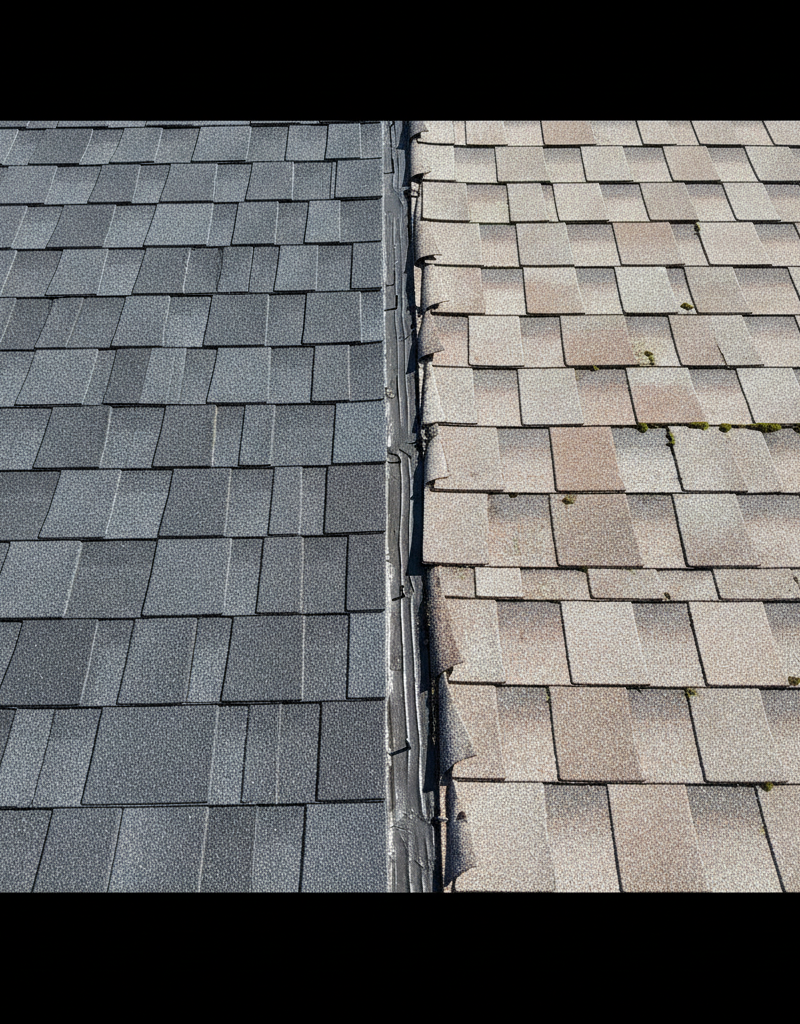
This is why the problem is often worse on the north side of a roof. This side receives less direct solar radiation and stays damp longer from dew and rain, creating the perfect cool, moist, shaded environment for algae to thrive. While the algae itself isn't immediately destructive to the shingles in the way that moss or lichen can be (by rooting into the shingle and lifting it), it's not entirely benign. The dark pigmentation absorbs more of the sun’s heat, slightly increasing the temperature of your attic and potentially raising cooling costs. More importantly, the algae colony can trap moisture against the shingle surface, which over a long period may accelerate the loss of the protective ceramic granules that shield the underlying asphalt from the sun.
Step-by-Step Fix
Cleaning a roof is a manageable DIY project only if your roof has a low pitch (below 6:12) and is a single story. Safety is paramount.
-
Safety & Situation Assessment — First, determine your roof pitch. If you can walk on it comfortably, it's likely a 4:12 or 5:12 pitch. If your roof is steep (6:12 or higher), a second story, or wet, do not attempt this work. Call a professional. Look for any damaged shingles, failed flashing, or loose granules. If you see other problems, a roofer should be consulted before you proceed with cleaning.
-
Choose the Right Day & Gear — Plan the cleaning for a cool, calm, overcast day. Hot sun will evaporate your cleaning solution too quickly, and wind can cause dangerous spray drift. You will need a certified ladder, ladder stabilizers, a safety harness and rope, non-slip footwear, safety glasses, and chemical-resistant gloves.
-
Gather Cleaning Tools & Solution — You’ll need a garden pump sprayer (2-3 gallons), a standard garden hose with a low-pressure spray nozzle, and your cleaning agent. You can use a commercial roof cleaner or make your own.
- DIY Solution: Mix a 1:1 ratio of water to oxygen bleach (e.g., OxiClean) for a gentler approach. For tougher stains, you can use a 3:1 ratio of water to chlorine bleach, but you MUST add a surfactant—about 8 oz of Trisodium Phosphate (TSP) or a few ounces of a phosphate-free alternative per gallon of solution—to help it cling to the roof surface.
- CRITICAL WARNING: Never use a pressure washer. It will destroy your shingles by blasting off the protective granules, voiding your warranty and drastically reducing your roof's lifespan.
-
Protect Your Property — Thoroughly rinse all plants, shrubs, and grass below the roofline with plain water from your hose. Cover particularly sensitive or valuable plants with plastic sheeting. The bleach solution runoff will harm or kill vegetation if it’s not diluted.
-
Secure Your Ladder & Yourself — Set your ladder on perfectly level, firm ground. Use stand-offs at the top to avoid crushing your gutters. Even on a low-slope roof, wearing a safety harness attached to a secure anchor point is the best practice.
-
Apply the Solution from Top to Bottom — Begin at the ridge of the roof and work your way down. Using the pump sprayer, saturate a manageable section (e.g., 10x10 feet). Apply the solution evenly. Do not stand on the section you just sprayed, as it will be slippery.
-
Let the Solution Dwell (Don't Let it Dry) — The cleaning solution needs time to work. Let it sit on the shingle surface for 15-20 minutes. The algae will begin to dissolve and lose its color. If the solution starts to dry, lightly mist the area again to keep it active.
-
Rinse Gently from Top to Bottom — After the dwell time, use your garden hose and a low-pressure nozzle to rinse the section thoroughly. ALWAYS rinse from the top of the roof down toward the gutters. Never spray water upwards from the eaves, as this can force water up under the shingles.
-
Continue in Manageable Sections — Repeat the apply-dwell-rinse process across the roof, overlapping your sections slightly to ensure you don't miss any spots.
-
Do a Final Rinse of Everything — Once the entire roof is clean, perform a final, comprehensive rinse of the roof, gutters, siding, and all landscaping below to dilute and wash away any residual chemicals.
Common Causes
- Airborne Spores: Gloeocapsa magma spores are constantly present in the atmosphere, especially in humid regions.
- Shingle Composition: Most standard asphalt shingles contain limestone, which the algae uses as a food source.
- Moisture & Shade: North-facing roof planes, or areas shaded by trees, stay damp longer after rain and morning dew, creating an ideal habitat for growth.
- High Humidity: The problem is most prevalent in humid climates, such as the Southeastern and Midwestern United States.
- Slow-Drying Areas: Valleys, dormers, and areas with low slope can hold moisture and are often the first places streaks appear.
- Spreading: Spores from an infected roof can easily travel to neighboring homes or be washed from an upper roof section to a lower one.
Common Mistakes
- Using a Pressure Washer: This is the most catastrophic mistake. It causes irreversible damage by scouring off the shingle granules, which protect the asphalt from UV degradation.
- Scrubbing The Roof: Using a stiff brush or aggressive broom will also remove granules. The chemicals are designed to do the work; no mechanical force is needed beyond a gentle rinse.
- Working on a Steep or High Roof: Underestimating the danger of a fall is a life-threatening error. Any roof that is high or has a significant pitch requires professional equipment and expertise.
- Not Protecting Landscaping: The bleach solution is non-selective and will damage or kill your plants if you don't pre-rinse and cover them, and then rinse them again afterward.
- Applying in Direct Sunlight: On a hot, sunny day, the cleaning solution evaporates before it has the 15-20 minutes of dwell time needed to kill the algae, rendering your efforts useless.
- Using Incorrect Chemical Mixtures: Too much bleach can discolor shingles and damage metal flashings and gutters. Too little will fail to remove the stains.
Cost & Time Breakdown
Here is a typical breakdown for cleaning a 2,000 sq. ft. roof.
| Task | DIY Cost | Pro Cost | Time |
|---|---|---|---|
| Roof Inspection & Safety Prep | $0 | Part of Service | 1-2 hours |
| Cleaning Solution & Sprayer | $50 - $150 | Included | 1 hour |
| Cleaning Labor | $0 | $400 - $800 | 4-6 hours |
| (Optional) Zinc Strip Install | $100 - $250 | $300 - $700 | 2-3 hours |
| Total | $50 - $400 | $450 - $1,000+ | 4-8 hours |
Tips & Prevention
- Install Metallic Strips: The most effective long-term prevention is to have a professional install strips of zinc or copper along the ridge of your roof. When it rains, metallic ions wash down the roof and create an environment where algae cannot survive.
- Choose Algae-Resistant (AR) Shingles: When it’s time to replace your roof, specifically request AR shingles. These are manufactured with copper-infused granules that inhibit algae growth from day one.
- Increase Sunlight: Trim back overhanging tree limbs that cast your roof in shadow. More direct sunlight allows the roof to dry much faster, making it less hospitable to algae and moss.
- Keep Gutters Clear: Clogged gutters trap water at the roof's edge, creating a perpetually damp area where algae loves to start growing. Ensure they are cleaned at least twice a year.
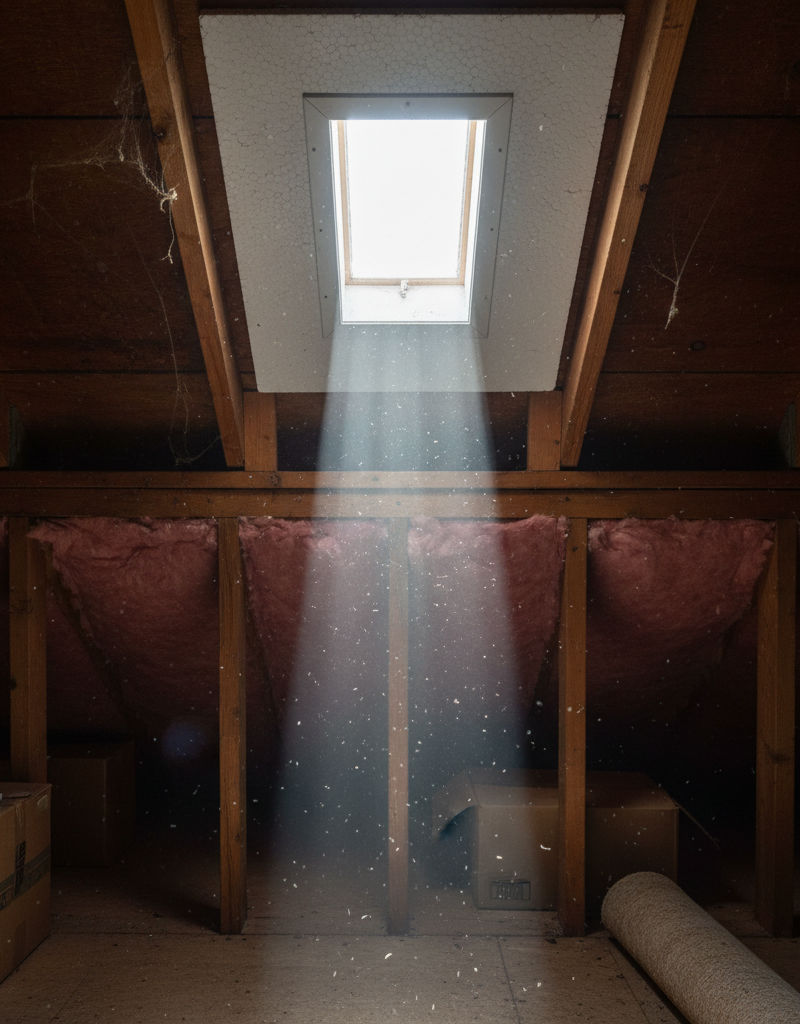
- Ensure Good Attic Ventilation: A properly ventilated attic helps regulate the temperature of the roof deck, which can help moisture dissipate more quickly from the shingle surface.
When to Call a Professional
A pro is the right call for most homeowners when it comes to roof cleaning. The risk of falling is significant and the potential for property damage is high. Specifically, you must call a professional if:
- Your roof has a pitch of 6:12 or steeper. These roofs are not walkable and require specialized safety equipment and techniques.
- Your home is two or more stories tall. The fall risk increases dramatically with height.
- Your roof is wet, slippery, or has loose shingles. Never work on a compromised roof surface.
- You don't own or are not trained to use a fall protection system (harness, rope, and anchor).
- You observe other potential issues, such as significant granule loss, curled or cracked shingles, or damaged flashing around chimneys and vents. In this case, you need a roofing contractor, not just a cleaning service.
A professional roof cleaning company will have the correct equipment, liability insurance, and calibrated chemical pumps to do the job safely and effectively without damaging your home or landscaping. The cost is often well worth the peace of mind.
Related Articles
Keep troubleshooting with these hand-picked guides from FixlyGuide:
- Why Your '30-Year' Shingles Won't Last 30 Years — Most '30-year' asphalt shingles don't last 30 years; understand the real-world factors like climate, installation, and ventilation that det…
- Your Insulation Isn't the Problem: Why Your Attic Still Bakes — Even with thick insulation, a hot attic signals a critical ventilation failure that could be silently damaging your roof and driving up you…
- Missing Roof Shingles After a Storm? Here's What to Do — Discover how to safely assess and address missing roof shingles after a storm, including temporary fixes and when to call a professional.
- The Urgent Truth About Missing Roof Shingles (And Your 3-Step Fix) — High winds can rip shingles off your roof, exposing your home to immediate water damage – here’s how to assess, temporary patch, and plan p…
- Why Your Roof Only Leaks in Sideways Rain (It's Not the Shingles) — That maddening leak that only appears during severe, wind-driven rain isn't your shingles—it's a sign that water is being forced sideways b…
Frequently asked questions
Will the black streaks damage my roof?+
While primarily a cosmetic issue, they can hold moisture and slightly increase shingle temperature, which may subtly accelerate aging over many years. They are not a sign of immediate roof failure.
How often will I need to clean the algae off my roof?+
Depending on your climate and local conditions, you may need to re-clean every 3-5 years if no preventative measures (like zinc strips) are taken.
Can I use a pressure washer to clean my roof?+
Absolutely not. A pressure washer will strip the protective granules from your shingles, causing permanent damage and voiding your manufacturer's warranty.
Are the black streaks on my roof mold?+
No, the black streaks are almost always the algae Gloeocapsa magma. Mold on a roof is rare and typically looks fuzzy or splotchy, and it usually indicates a more serious, underlying moisture problem with the roof deck itself.
Discussion
Loading comments…