Tools & materials you'll need
Affiliate links- AmazonGarden Hose with Spray NozzleA helper is needed for the hose test.
- AmazonExtension LadderEnsure it is rated for your weight and the required height. Follow all safety guidelines.
- AmazonBinocularsUseful for inspecting high areas from the ground.
- AmazonCaulking Gun
- Amazon5-in-1 Tool or Pry BarFor removing old, failed sealant.
- AmazonWire BrushFor cleaning the surface before applying new sealant.
- AmazonSafety Glasses and Gloves
As an Amazon Associate FixlyGuide earns from qualifying purchases — at no extra cost to you. Prices and availability are accurate as of publication and subject to change.
'''
Quick Answer
When you see a water stain appear only during a heavy storm with wind-blown rain, the problem is almost certainly not your shingles. This type of leak is caused by water being forcefully pushed sideways or even upwards into vulnerabilities that aren't exposed during normal rainfall. The most common suspects are failing flashing where a wall meets the roof, unsealed gaps around windows and doors above the leak area, compromised siding, or issues with roof penetrations like vents and chimneys. Wind pressure forces water behind these components, where it runs down inside the wall and appears on your ceiling, often far from the actual entry point.
The Problem
It’s a frustratingly specific scenario. For months, even years, your roof is perfectly fine. Gentle spring showers and steady autumn downpours cause no issues. But then comes a severe thunderstorm or a nor'easter, with wind howling and rain lashing against the side of your house. An hour later, a dreaded, damp spot appears on your ceiling. Or perhaps you see a small trickle of water running down an interior wall. After the storm passes and things dry out, the evidence vanishes, leaving you to wonder if you imagined it.
This isn’t a typical roof leak. A missing or damaged shingle usually drips with any steady rain. This is different. This leak is a phantom, only appearing when the rain has a horizontal velocity. The water stain might be in the middle of a room, or it could be right where the ceiling meets an exterior wall. Because it’s so intermittent, it’s easy to ignore. But make no mistake: wind-driven water intrusion is a serious issue that can lead to hidden mold, rotted sheathing, and expensive structural damage over time.
How It Works
A modern roofing and wall system is designed as a layered defense, much like medieval armor. The outer layer—your shingles and siding—is the plate mail, designed to shed the vast majority of water. But no armor is perfectly sealed. Wind can and does push water past the edges of shingles and through the tiniest gaps in siding seams.
This is where the second layer of defense, the "chainmail," comes in: the underlayment and flashing. On the roof, synthetic underlayment or felt paper acts as a secondary water barrier. On the walls, a Water-Resistive Barrier (WRB), like Tyvek or a similar house wrap, serves the same purpose. Crucially, these layers are integrated with metal flashing at all transition points.
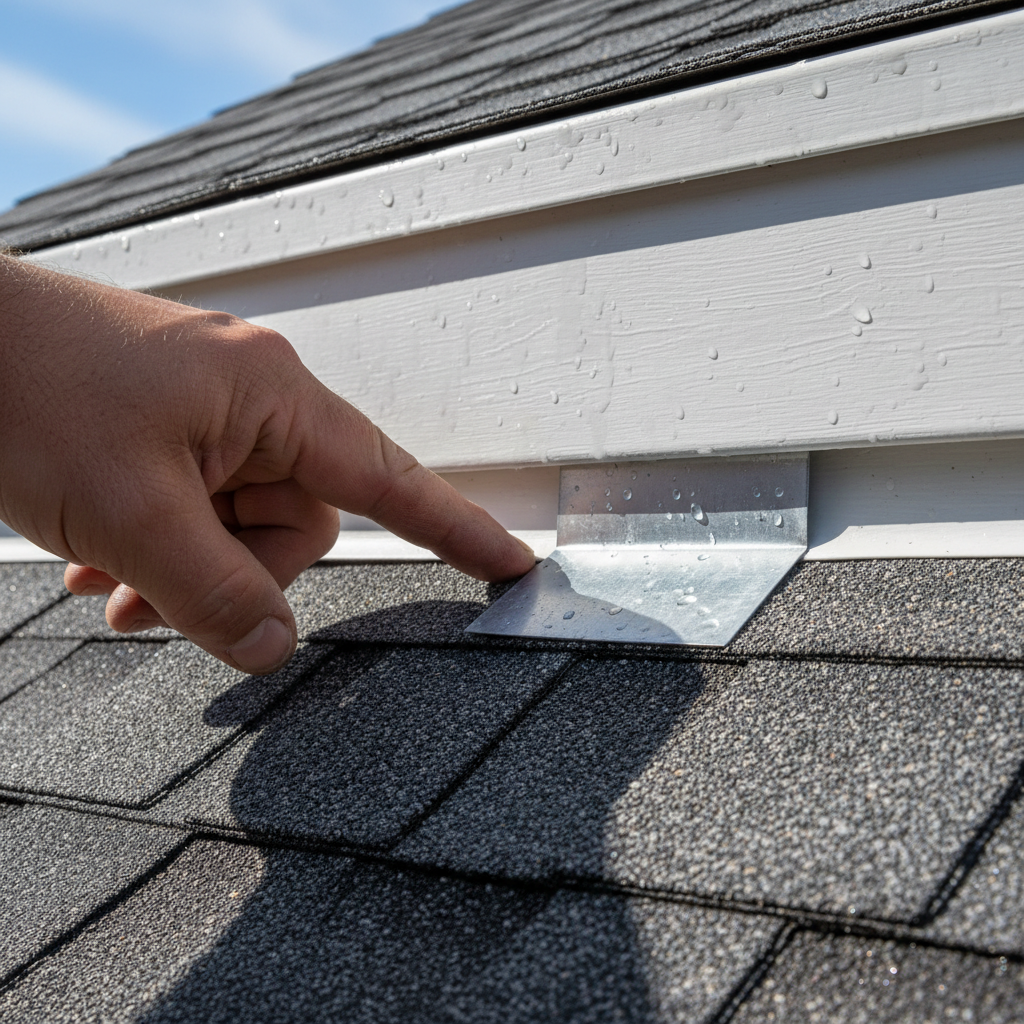
- Step Flashing: At a roof-to-wall junction, L-shaped pieces of metal are woven into the shingle courses, one per shingle. Each piece of flashing directs water that gets on the wall down onto the shingle below it.
- Counter-Flashing: This is the flashing that covers the top of the step flashing. On a brick chimney, it’s cut into the mortar joints. On a sided wall, the siding itself often acts as counter-flashing.
- Kick-out Flashing: A critically important but often-missed piece is the kick-out flashing, located where a roof edge terminates against a wall. Its job is to divert all the water from the roof and gutter away from the wall and into the gutter. A missing kick-out allows water to pour directly down the wall and behind the siding.
Wind-driven rain defeats this system by exploiting breaches in the "chainmail." If the house wrap has a tear, or if the step flashing is rusted through, or if a window wasn't properly taped and sealed at its flange, high-pressure wind will drive water into that opening. The water then runs down the inside of the house wrap or wall sheathing until it finds an exit point, which is often a seam in the drywall of your ceiling or wall.
Step-by-Step Fix: Finding the Elusive Entry Point
This process is a diagnosis. The goal is not to start tearing things apart, but to methodically test and inspect the exterior of your home to pinpoint the exact failure point. You will need a helper inside the house to watch for the leak to reappear.
-
Safety First — Assess the Risks. Do not go on any roof that is wet, icy, or has a steep pitch (greater than a 6-inch rise for every 12 inches of run, or 6:12). This diagnostic work should be done on a clear, dry day. Use a properly-rated ladder set at a safe 4:1 angle (one foot out for every four feet up). Have a spotter and maintain three points of contact. For two-story homes or any situation you are uncomfortable with, stop and call a professional.
-
The Diagnostic Hose Test. With your helper inside, use a garden hose with a spray nozzle. Do not use a pressure washer. The goal is to simulate rain, not create damage. Start spraying low on the wall or roof area directly above the interior leak. Work methodically in small sections for 5-10 minutes at a time, then stop and wait for your helper to report any water. This isolates the entry point.
-
Start Low: Test the Roof-to-Wall Junction. Focus the water on the area where the shingles meet the wall. Direct the stream right at the step flashing. If a kick-out flashing is present at the bottom corner, soak it thoroughly. If the leak appears now, you know the problem is with the lowest point of the flashing system.
-
Move Up the Wall: Test the Siding. If no leak appeared a few feet up from the roofline, move your spray pattern up the wall. Soak the siding seams. Water driven into vinyl siding's J-channels or behind cracks in wood siding can be a major source of wind-driven leaks. Give it 10 minutes.
-
Isolate Windows and Penetrations. If still no leak, move up to the first window above the affected area. Methodically spray around the entire window frame. Start at the bottom (the sill), then move to the sides, and finally the top. Pay close attention to corners. A failed caulk joint at the top corner of a window is a very common culprit, allowing water to get behind the trim and run down the wall cavity.
-
Check Vents, Chimneys, and Dormers. If your leak is near any of these features, they are prime suspects. Soak the uphill side of the flashing first, then the sides (step flashing), then the downhill side (apron flashing). For a chimney, be sure to saturate the mortar joints where the counter-flashing is embedded.
-
Identify the Failure. Once your helper yells "I see water!", you have found the general location of the breach. Stop spraying. Go to that spot and inspect it closely. You are looking for cracked or missing caulk, rusted-through flashing, loose siding, or a significant gap that water could be driven into.
-
Perform the Seal (DIY Fix). For minor gaps in caulk around a window or small cracks in flashing sealant, this is a manageable DIY repair. Use a pry bar or 5-in-1 tool to completely remove the old, failed caulk. Clean the area thoroughly with a wire brush and mineral spirits to ensure a good bond. Apply a new, continuous bead of high-quality polyurethane sealant (not silicone). Tool the sealant with a wetted finger for a clean, waterproof seal.
-
Know When the Fix is a Pro Job. If your hose test points to a problem with the step flashing, house wrap, or siding integration, this is not a simple caulk job. Repairing this correctly requires removing siding and/or shingles to access and replace the failed components. This is a job for a professional roofer or siding contractor.
-
Confirm the Repair. After your repair has fully cured (check the sealant's instructions, usually 24-48 hours), perform the hose test one more time on the specific area you fixed. If the interior remains dry, you have successfully solved the problem.
Common Causes
- Failed Window/Door Caulk: The sealant around windows and doors above the roofline has a 5-10 year lifespan. When it cracks, it creates a direct path for wind-driven rain into the wall cavity.
- Improperly Gapped Siding: Siding should terminate 1-2 inches above the roofing shingles. When it is installed touching the shingles, it wicks water up and behind the siding like a sponge.
- Missing or Failed Kick-out Flashing: Without this crucial piece, water running down a roof-wall junction is directed right behind the siding at the corner.
- Compromised Step Flashing: Rusted, loose, or improperly installed step flashing allows water to get behind it and onto the roof deck or wall sheathing.
- Cracked Chimney Counter-Flashing: The mortar or sealant embedding the counter-flashing into a chimney can crack, allowing water to bypass the entire flashing system.
- Punctured House Wrap (WRB): During construction or a later repair, the home's weather-resistive barrier may have been cut or punctured, creating a path for water that gets behind the siding.
Common Mistakes
- The "Tar Patch" or Silicone Fix: Applying a smear of roof cement or silicone caulk over a flashing joint is not a repair. It's a temporary dam that will fail within a year, often trapping water and making the problem worse.
- Blaming the Shingles: The most common mistake is assuming the shingles are the problem, leading homeowners to spend thousands on a new roof when the issue was a $10 tube of sealant around a window.
- Using a Pressure Washer for Testing: This can force water into areas that aren't actually leaking under normal conditions and can severely damage siding, window seals, and shingle granules.
- Forgoing the Hose Test: Guessing at the leak's location and performing a repair without confirming the source often leads to repeat work and continued frustration.
- Ignoring Safety: Getting on a ladder or roof without proper precautions is a recipe for disaster. The risk of a fall far outweighs the potential savings of a DIY repair.
- Fixing the Interior First: Repairing the stained drywall or ceiling before being 100% certain the exterior leak is fixed will only lead to having to do the interior repair all over again.
Cost & Time Breakdown
| Task | DIY Cost | Pro Cost | Time |
|---|---|---|---|
| Hose Test & Diagnostic | $5 (water bill) | $250 - $500 (as part of a service call) | 1-3 hours |
| Resealing Window/Trim (DIY) | $20 - $40 (sealant, tools) | $150 - $400 | 1-2 hours |
| Professional Chimney Flashing Repair | N/A | $500 - $2,500+ (depending on complexity) | 1-2 days |
| Professional Step/Kick-out Flashing Repair | N/A | $800 - $3,000+ (involves siding/shingle removal) | 1-2 days |
| Siding Corner Post/J-Channel Repair | N/A | $400 - $1,200 | 4-8 hours |
Tips & Prevention
- Annual Caulk Inspection: Once a year, walk around your home and inspect the sealant around all windows, doors, and trim boards. If it's cracked or peeling, replace it.
- Keep Gutters Clean: Gutters packed with debris, especially where they terminate against a wall, can cause water to back up and overflow behind the siding.
- Document with Photos: When you find the leak via the hose test, take clear photos of the failure point. This is invaluable if you decide to call a professional.
- Choose Polyurethane Sealant: For exterior sealing, always choose a high-quality polyurethane sealant over silicone. It offers superior flexibility, adhesion, and longevity in harsh weather conditions.
- Hire Smart: When having work done (siding, windows), scrutinize the contractor's plan for water management. Ask them specifically about how they integrate flashings and the WRB.
When to Call a Professional
While a determined DIYer can diagnose and solve simple sealant issues, wind-driven leaks often point to more complex failures in the building envelope. You should call a professional roofer or siding contractor immediately if:
- The leak occurs on a roof with a pitch steeper than 6:12, or on any second-story roof where you cannot safely perform a hose test from the ground or a small stepladder.
- The hose test indicates the leak is coming from the step flashing, kick-out flashing, or the general siding area, as this requires removing and reinstalling building materials.
- The leak is around a chimney. Chimney flashing is complex and must be done correctly to prevent major water damage.
- You cannot replicate the leak with a hose, but it continues to happen during storms. A pro has advanced tools and experience to find truly hidden entry points.
- You see signs of rot, such as soft spots on the wall sheathing or sagging rooflines.
- The work is near your home's electrical service mast or other overhead power lines.
Wind-driven leaks are a warning sign from your home. Addressing them properly means respecting the complexity of the repair and prioritizing personal safety. '''
Related Articles
Keep troubleshooting with these hand-picked guides from FixlyGuide:
- 5 Signs Hail Secretly Damaged Your Roof (And How to Act Fast) — Learn to identify the subtle signs of hail impact on asphalt shingles, gutters, and flashing, so you can file an insurance claim before the…
- The Urgent Truth About Missing Roof Shingles (And Your 3-Step Fix) — High winds can rip shingles off your roof, exposing your home to immediate water damage – here’s how to assess, temporary patch, and plan p…
- That Brown Stain Above Your Shower Isn't a Roof Leak — Discover why that ugly brown stain on the ceiling below your attic bathroom vent is more likely caused by condensation from your shower tha…
- Those Gutter Icicles Are a Costly Warning Sign — Discover why the icicles on your gutters are a flashing red light for ice dams, a destructive problem that can lead to costly water damage…
- Missing Roof Shingles After a Storm? Here's What to Do — Discover how to safely assess and address missing roof shingles after a storm, including temporary fixes and when to call a professional.
- The #1 Overlooked Reason Your Chimney Leaks (It Rots Your Roof!) — Discover the surprising, often-missed culprit behind your leaky chimney and how this common issue can silently damage your home.
Frequently asked questions
Can wind-driven rain cause a brand new roof to leak?+
Yes, absolutely. A new roof involves much more than just shingles. If the step flashing, counter-flashing, or kick-out flashing was not installed correctly and integrated with the wall's water-resistive barrier, it will be vulnerable to wind-driven rain from day one. This is why workmanship is as important as material quality.
Is roof cement or tar a good fix for leaks from wind-driven rain?+
No, it is a poor, short-term patch that will ultimately fail and make the problem worse. Roof cement and tar become brittle and crack under UV exposure and temperature changes. A proper repair involves fixing the underlying issue, which usually means replacing flashing or applying a high-quality polyurethane sealant, not just covering the problem.
Why is the leak so far from the wall where the rain is hitting?+
Water that gets behind your siding or past a window seal will travel the path of least resistance. It will run down the interior side of your wall sheathing or along a rafter until it finds a horizontal surface or a seam to exit through. This is often a ceiling drywall seam or a window header, which can be many feet from the water's actual entry point.
My roofer says my shingles were 'blown off,' is that a wind-driven leak?+
That is a different type of wind damage, but it can also cause leaks. A blow-off is when the wind physically lifts and removes a shingle, exposing the underlayment. This will leak in almost any rain, not just wind-driven rain. A classic wind-driven rain leak, however, happens when all the shingles are still in place.
Discussion
Loading comments…