Tools & materials you'll need
Affiliate linksAs an Amazon Associate FixlyGuide earns from qualifying purchases — at no extra cost to you. Prices and availability are accurate as of publication and subject to change.
Quick Answer
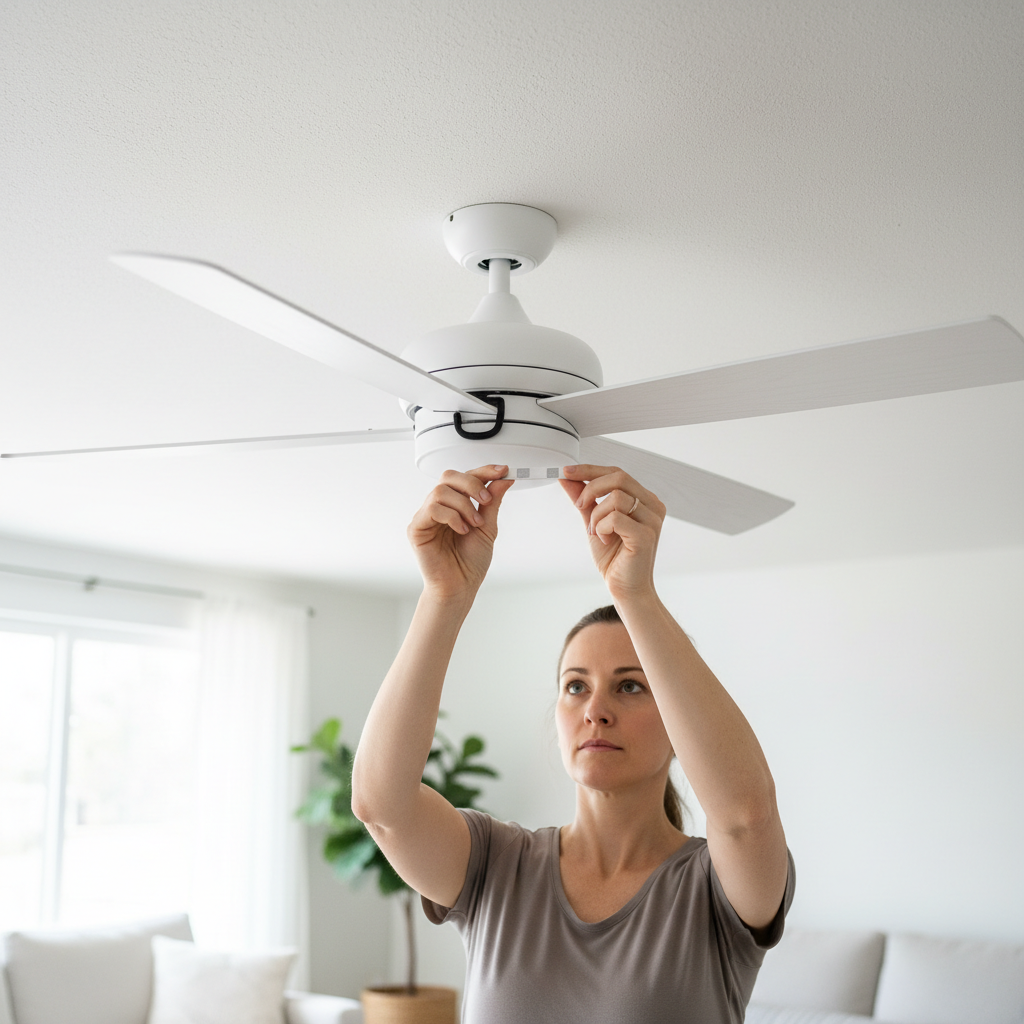
A wobbling ceiling fan is usually a sign of imbalanced blades, loose mounting screws, or an improperly seated downrod. Start by checking and tightening all exposed screws, including those on the blade arms, downrod, and canopy. If tightening doesn
Related Articles
Keep troubleshooting with these hand-picked guides from FixlyGuide:
- The Hidden Reason Your Ceiling Fan Wobbles (And 3 Cheap Fixes) — A wobbling ceiling fan isn’t just annoying; it can be a sign of imbalance or loose connections that are simple to fix with the right approa…
- How to Fix a Wobbly Ceiling Fan: A Step-by-Step Guide — A wobbly ceiling fan is not only annoying but can be a safety hazard; this guide helps you diagnose and fix common causes.
- How to Fix a Wobbly Ceiling Fan: A DIY Guide — A wobbly ceiling fan can be annoying and, in some cases, unsafe. Learn how to diagnose and fix the most common causes of ceiling fan wobble…
- Fix Flickering Lights Throughout Your House: A DIY Guide — Flickering lights throughout your house are usually caused by loose connections. This guide will help you diagnose and fix the most common…
- Range Hood Fan Not Working? Easy Fixes for Common Issues — Fix a non-functional range hood fan by checking power, cleaning components, and inspecting basic electrical connections to restore ventilat…
- Your Windows Are Crying. Here's What They're Telling You. — Window condensation is more than an annoying fog; it's a clear sign that your home's indoor humidity is too high, a problem that can lead t…
Frequently asked questions
Can a wobbling ceiling fan fall?+
While rare, a severely wobbling ceiling fan with loose mounting hardware could potentially fall. It poses a safety risk due to the fan’s weight and rotation, especially if parts become dislodged. Addressing wobbling promptly ensures safety and prevents potential damage.
How tight should ceiling fan blades be?+
Ceiling fan blade screws should be snug, but not overtightened. The goal is to securely fasten the blades to the motor housing without stripping the screw threads or cracking the blade material. Check them periodically for looseness.
Can an old ceiling fan wobble more?+
Yes, older ceiling fans can be more prone to wobbling. Over time, materials can warp, screws can loosen, and the motor bearings can wear, all contributing to imbalance. Regular maintenance can help mitigate some of these issues.
When should I replace a wobbling ceiling fan?+
Consider replacing a wobbling ceiling fan if, after attempting all balancing and tightening steps, the wobble persists, or if the fan makes grinding noises, heats up excessively, or shows signs of electrical malfunction. Sometimes, a severely worn motor or bent part is beyond simple repair.



Discussion
Loading comments…