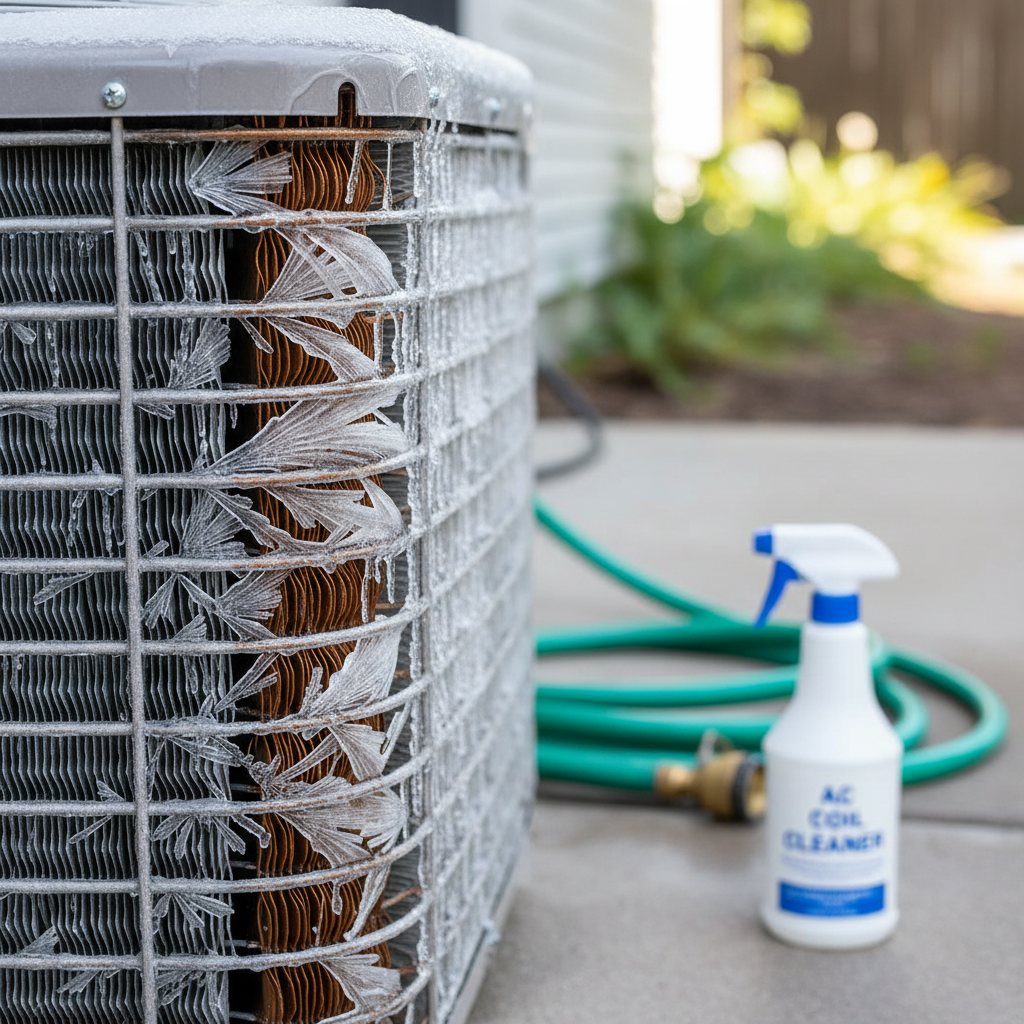
Tools & materials you'll need
Affiliate linksAs an Amazon Associate FixlyGuide earns from qualifying purchases — at no extra cost to you. Prices and availability are accurate as of publication and subject to change.
Quick Answer
Your outdoor air conditioner unit is freezing solid because insufficient airflow is preventing the refrigerant coils from absorbing enough heat, causing the refrigerant temperature to drop below freezing. The most common culprits are a dirty air filter, blocked outdoor condenser coils from debris, or a malfunctioning fan. Addressing these issues promptly can prevent costly damage to the compressor and restore your AC's efficiency.
The Problem
You walk outside on a hot day, expecting to hear the hum of your AC unit, and instead, you find it encased in a layer of ice. This isn't just a cosmetic issue; an AC unit that freezes up outside is a clear sign something is wrong within your cooling system, and it can lead to severe and expensive damage if ignored. While it might seem counterintuitive for an air conditioner to freeze in the summer heat, the ice forms when the refrigerant inside the coils gets too cold, dropping below 32°F (0°C). This happens because the system struggles to transfer heat effectively from your home to the outside air, often due to airflow restrictions or low refrigerant. Ignoring a frozen coil can lead to compressor failure, which is essentially the heart of your AC system, often costing thousands of dollars to replace.
How It Works
To understand why your AC freezes, it helps to know how it cools your home. An air conditioner works by moving heat, not by generating cold. The indoor evaporator coil absorbs heat from your home's air, turning the liquid refrigerant into a cold gas. This cold gas then travels through refrigerant lines to the outdoor condenser unit.
In the outdoor unit, the compressor pressurizes this now-gaseous refrigerant, increasing its temperature and pressure. This hot, high-pressure gas then flows into the condenser coils, which are the finned coils you see surrounding the outdoor unit's perimeter. The outdoor fan pulls ambient air over these hot coils. As the cooler outdoor air passes over the coils, it absorbs heat from the refrigerant, causing the refrigerant to condense back into a liquid, releasing the heat it picked up from inside your home. This now-liquid refrigerant, still under pressure, then cycles back to the indoor unit through an expansion valve, where its pressure drops, it cools down, and the cycle continues.
When the outdoor unit freezes, it means the heat exchange process is disrupted. Specifically, the refrigerant within the condenser coils is getting too cold. This can happen if not enough warm indoor air is reaching the evaporator coil to pick up heat, or more commonly for outdoor freezing, when the condenser coil cannot dissipate its heat effectively to the outside air, causing the refrigerant temperature to plummet past its normal operating range. This leads to condensation on the coils, which then freezes into ice.
Step-by-Step Fix
1. Thaw the Unit Completely — Turn off your AC system at the thermostat and then at the outdoor disconnect switch. Before attempting any diagnosis or repair, the unit must be completely thawed. This can take several hours, sometimes even overnight, depending on the amount of ice. You can speed up the process by using a garden hose to gently spray warm (not hot) water over the coils, but ENSURE POWER IS OFF FIRST. Do not use sharp objects to chip away ice, as this can severely damage the delicate coils and refrigerant lines.
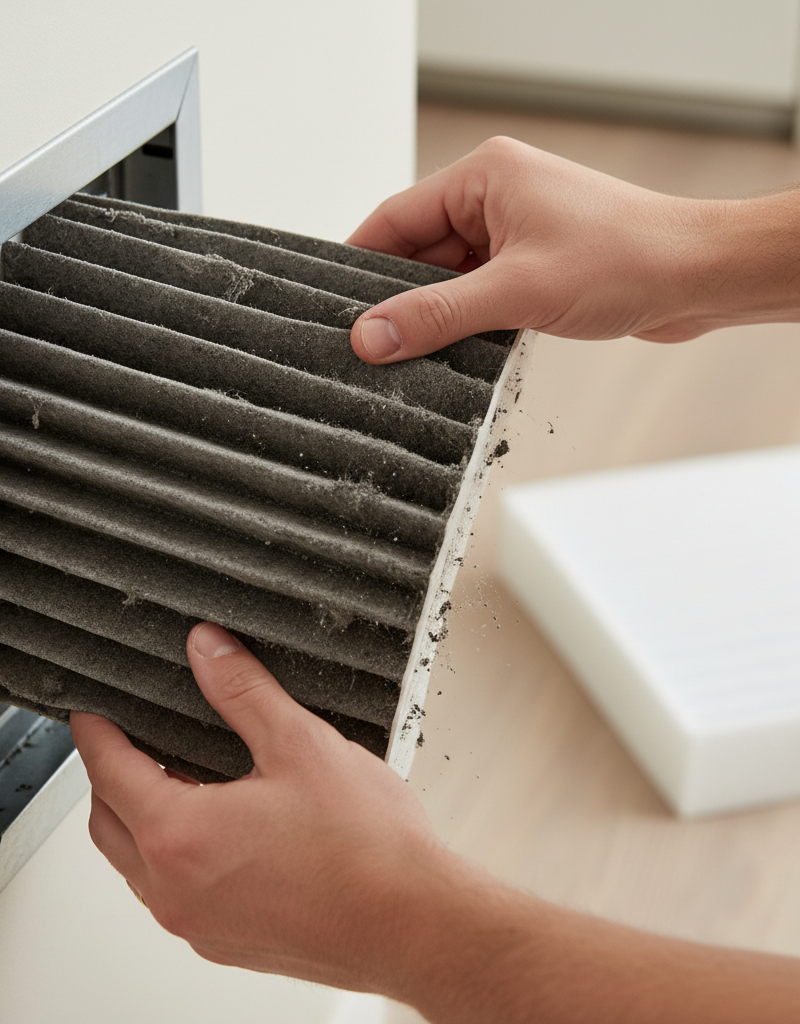
2. Inspect and Clean the Air Filter — Check your indoor air filter immediately. A clogged air filter is the most common cause of reduced airflow across the indoor evaporator coil, which starves the system of heat to transfer. A dirty filter restricts the amount of warm air reaching the evaporator coil, making the refrigerant too cold before it even reaches the outdoor unit.
- Locate your air filter, usually in the return air vent or within the furnace/air handler.
- Remove the filter and hold it up to a light. If you can't see light through it, it's blocked and needs replacement.
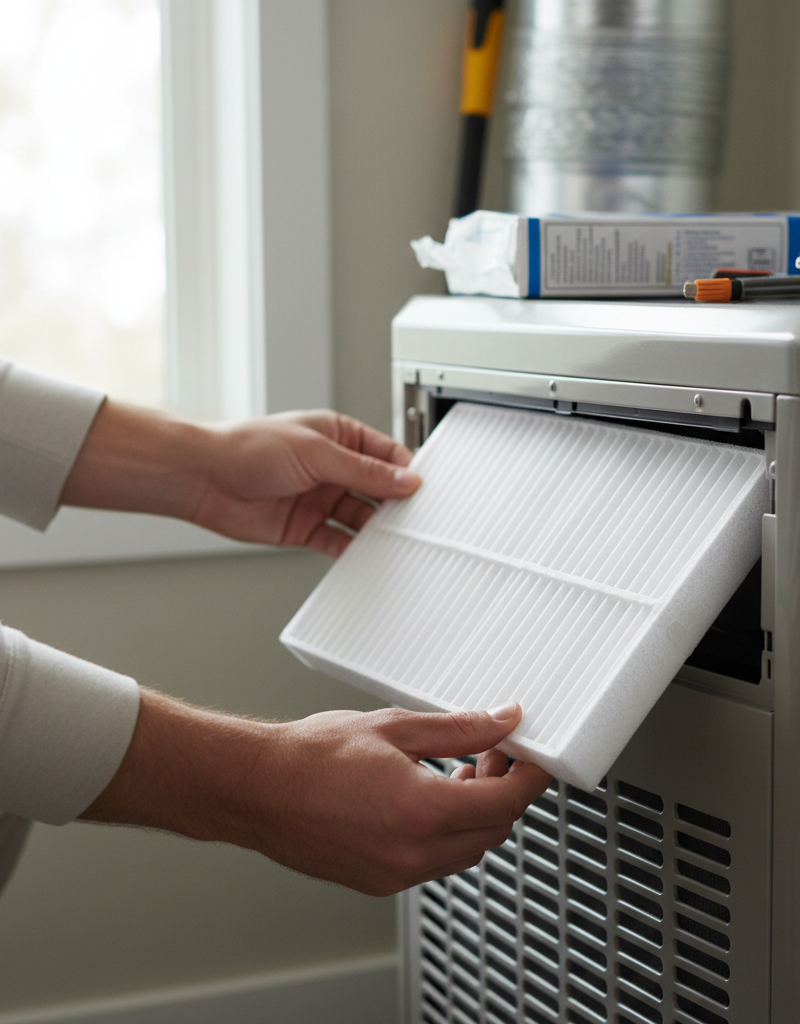
- Replace dirty filters with a new one of the correct size and MERV rating. Aim for a MERV 8-11 for good balance of filtration and airflow.
3. Clean the Outdoor Condenser Coils — Visually inspect the exterior of your outdoor unit. Over time, dirt, leaves, grass clippings, and other debris accumulate on the condenser coils, creating an insulating layer that prevents proper heat dissipation.
- Safety Note: Turn off the power at the outdoor disconnect switch located near the unit before cleaning.
- Use a stiff brush or a coil fin comb (available at hardware stores) to gently remove larger debris.
- For deeper cleaning, use a dedicated AC coil cleaner (available in a spray bottle) following the product's instructions, or simply spray down the coils with a garden hose on a gentle setting. Spray from the inside out if possible, to push debris out rather than further in. Avoid high-pressure washers, which can bend delicate fins.
- Ensure the area around the unit is clear of vegetation for at least 2 feet in all directions.
4. Check the Outdoor Fan Operation — After the unit is thawed and power is restored, observe the outdoor fan. The fan should spin freely and forcefully, pulling air through the coils and expelling it upwards.
- Safety Note: Keep hands and fingers clear of the fan blades when the unit is powered on.
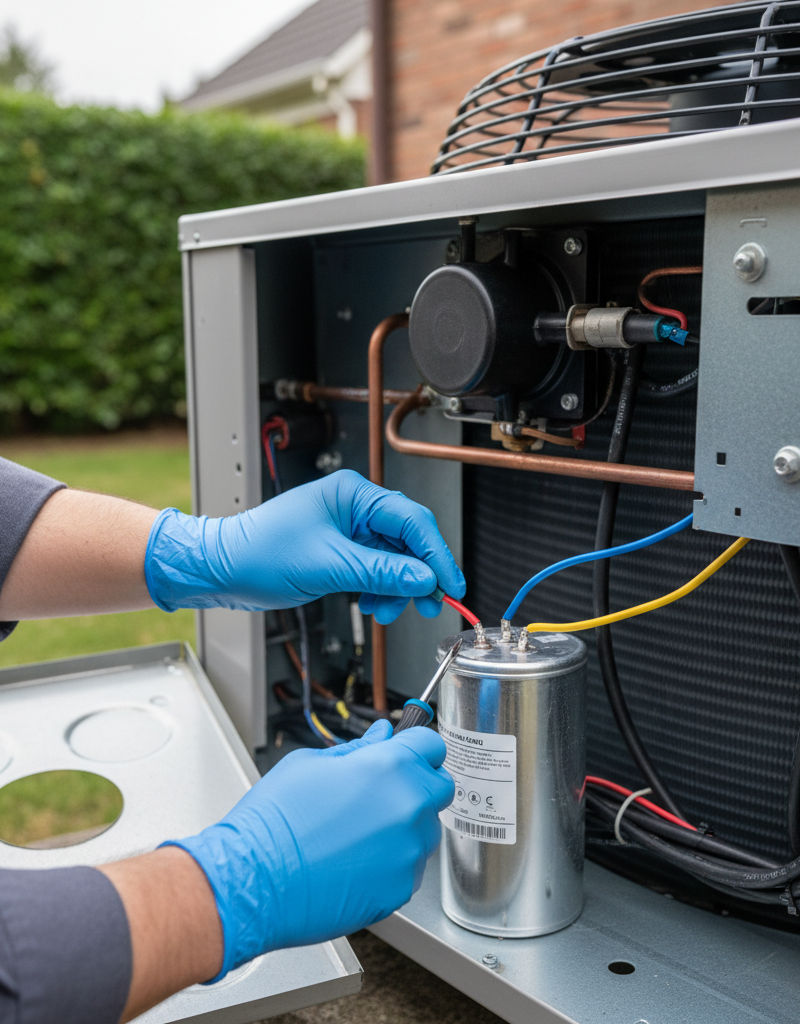
- If the fan isn't spinning, spins slowly, or makes grinding noises, turn off the power immediately. The fan motor or capacitor may be failing. This requires professional diagnosis.
- If the fan blades are bent or damaged, they will need to be replaced.
- Ensure nothing is physically obstructing the fan blade's rotation.
5. Inspect Refrigerant Lines and Insulation — Visually check the two copper refrigerant lines that run between your indoor and outdoor units. The larger, insulated line should feel cool or slightly cold to the touch and be free of ice. The smaller, uninsulated line should feel warm.
- If the larger line (suction line) is frozen solid or dripping excessively, it strongly indicates a low refrigerant charge or a severe airflow issue. This is a sign to call a professional.
- Ensure the insulation on the larger line is intact and not degraded. Damaged insulation can cause the line to sweat and potentially freeze, though it's less common for the entire outdoor unit to freeze due to this alone.
6. Check for Blocked or Closed Vents/Dampers — Walk through your home and ensure all supply vents are open and not blocked by furniture, rugs, or curtains. Also, ensure return air vents are clear. Restricted airflow indoors means the system can't pick up enough heat, leading to temperature imbalances and potential freezing. If you have zone dampers, ensure they are fully open to zones that need cooling.
7. Examine Blower Motor and Evaporator Coil (Indoor) — While the outdoor unit's freezing is the primary symptom, problems with the indoor unit's blower or evaporator coil can be the root cause.
- If your indoor blower motor is struggling or has failed, it won't move enough air over the evaporator coil. The evaporator coil could also be extremely dirty, reducing its ability to absorb heat.
- Safety Note: Accessing these components involves working near electrical connections and requires a deeper understanding of HVAC systems. If you suspect an issue here, it's best to call a professional. A dirty evaporator coil is a common culprit where DIY cleaning is difficult and often ineffective without proper tools and knowledge.
Common Causes
- Dirty Air Filter: The most frequent cause. A blocked filter dramatically reduces airflow over the indoor evaporator coil, causing the refrigerant to get too cold before it even reaches the outdoor unit.
- Dirty Condenser Coils: The outdoor coils become covered in dirt, dust, and debris, acting as an insulator and preventing the unit from effectively releasing heat. This forces the refrigerant temperature to drop too low.
- Low Refrigerant Charge: A leak in the system means there isn't enough refrigerant to absorb and transfer heat efficiently. Low pressure causes the remaining refrigerant to expand too rapidly, dropping its temperature below freezing, especially in the evaporator or suction line.
- Malfunctioning Fan Motor (Indoor or Outdoor): If either the indoor blower fan or the outdoor condenser fan isn't moving enough air, the necessary heat exchange won't occur, leading to temperature drops and freezing.
- Restricted Ducts or Closed Vents: Blocked or closed supply and return vents or restricted ductwork reduce overall system airflow, leading to similar symptoms as a dirty air filter.
- Incorrect Thermostat Settings: Setting the thermostat too low, especially if combined with high humidity, can sometimes overwork the system, though it's less common as a primary cause for outdoor freezing.
Common Mistakes
- Ignoring the Issue: Letting your AC run when it's frozen will only cause more damage, potentially leading to a complete compressor failure. Always thaw the unit completely before restarting.
- Using Sharp Objects to Chip Ice: This is a surefire way to puncture refrigerant lines or damage delicate coil fins, leading to expensive leaks and repairs.
- Forgetting to Check the Indoor Filter: Many homeowners focus only on the outdoor unit when troubleshooting external freezing, overlooking the crucial indoor air filter.
- Hosing Down Coils with High Pressure: A powerful jet of water can bend the delicate aluminum fins on the condenser coils, further restricting airflow and reducing efficiency. Use a gentle spray.
- Assuming Low Refrigerant is a DIY Fix: Adding refrigerant without finding and fixing the leak is a temporary, environmentally harmful, and often inefficient solution. Refrigerant should only be handled by certified professionals.
- Not Clearing Vegetation: Allowing shrubs or plants to grow too close to the outdoor unit impedes airflow, similar to dirty coils, reducing efficiency and increasing the chance of freezing.
Cost & Time Breakdown
| Task | DIY cost | Pro cost | Time |
|---|---|---|---|
| Thaw AC unit | $0 | $0 | 4–12 hours |
| Air filter replacement | $10–$30 | Included in visit | 5 minutes |
| Condenser coil cleaning | $0–$15 | $75–$150 | 30–60 minutes |
| Clear surrounding debris | $0 | Included in visit | 15 minutes |
| Fan motor/capacitor replacement | N/A | $200–$600 | 1–3 hours |
| Refrigerant leak repair/recharge | N/A | $200–$1,000+ | 2–5 hours |
Tips & Prevention
- Regular Filter Changes: Replace your air filter every 1-3 months, or more frequently if you have pets or allergies. This is the single easiest and most effective preventative measure.
- Annual Professional Tune-up: Schedule a professional HVAC inspection and tune-up every spring before the cooling season begins. A technician can clean coils, check refrigerant levels, inspect electrical components, and identify potential issues before they become major problems.
- Keep Outdoor Unit Clear: Ensure the area around your outdoor unit is free of leaves, grass clippings, weeds, and other debris. Trim back shrubs and bushes at least 2 feet from all sides and above the unit.
- Check Condensate Drain: While less directly related to outdoor freezing, a clogged condensate drain can cause indoor humidity issues that indirectly impact system efficiency. Ensure it's flowing freely.
- Monitor Refrigerant Lines: Periodically check the large, insulated refrigerant line for ice buildup. Early detection can prevent widespread freezing.
- Inspect Fan Blades: Occasionally visually check the outdoor unit's fan blades for any signs of damage or obstruction. If bent, they can cause imbalance and lead to motor wear.
When to Call a Professional
While many freezing issues stem from simple airflow problems, some require the expertise of a licensed HVAC technician. If, after thawing your unit and performing the basic steps of cleaning your air filter and condenser coils, your AC unit still freezes up, it's time to call a pro. Specifically, if you suspect low refrigerant (which suggests a leak), a failing fan motor or capacitor, or a severely dirty indoor evaporator coil, you need professional help. These issues involve specialized tools, refrigerant handling (which is regulated), and electrical work that can be dangerous for homeowners. An experienced technician can accurately diagnose refrigerant levels, locate and repair leaks, safely replace faulty electrical components, and thoroughly clean hard-to-reach coils, ensuring your system operates safely and efficiently without risking further damage or personal injury. Never attempt to add refrigerant yourself as it requires specific training and equipment to do safely and legally.
Frequently asked questions
Why does my outdoor AC unit freeze in summer?+
Your outdoor AC unit freezes in the summer primarily due to a lack of proper heat exchange. This is often caused by restricted airflow from a dirty air filter or blocked condenser coils, which makes the refrigerant too cold and causes moisture to freeze on the coils. Low refrigerant levels can also contribute to this problem.
Can a dirty air filter cause my outdoor AC to freeze?+
Yes, absolutely. A dirty air filter is one of the most common reasons an AC system freezes. It restricts the warm air from entering your indoor unit, which means the refrigerant doesn't absorb enough heat. This causes the refrigerant to get too cold, leading to ice formation on both indoor and outdoor coils.
How do I safely thaw a frozen AC unit?+
To safely thaw a frozen AC unit, first, turn off the power to the unit at both the thermostat and the outdoor disconnect switch. Allow the unit to sit undisturbed for several hours until all the ice has melted. You can gently spray the coils with a garden hose on a light stream to speed up the process, but never use sharp objects to chip away ice, as this can damage the delicate coils.
When should I call a professional for a frozen AC unit?+
You should call a professional if your AC unit continues to freeze after you have cleaned the air filter, cleared debris from the outdoor coils, and ensured proper airflow around the unit. Recurring freezing can indicate issues like low refrigerant due to a leak, a malfunctioning fan motor, or a clogged indoor evaporator coil, all of which require professional diagnosis and repair.
Discussion
Loading comments…