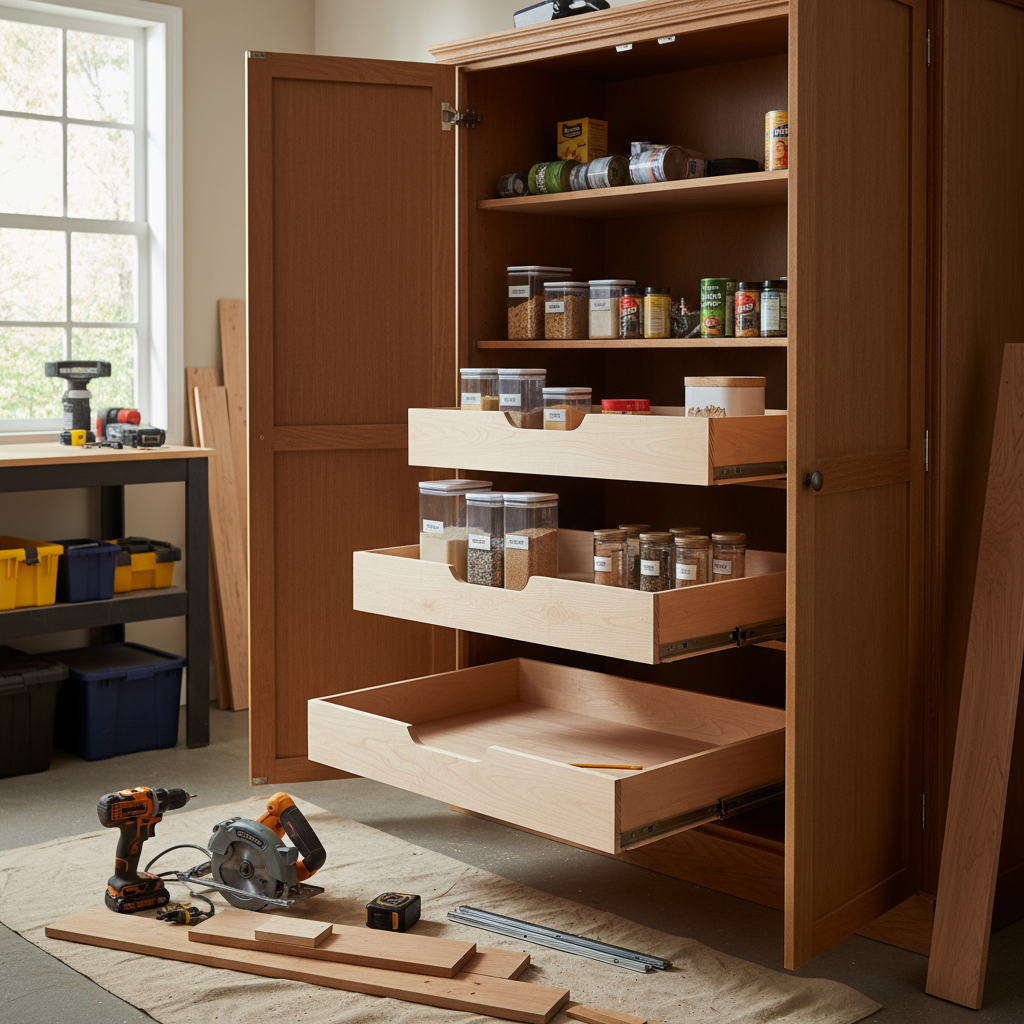
Tools & materials you'll need
Affiliate links- AmazonCordless Drill/Driver1 · Essential for drilling pilot holes and driving screws.
- AmazonDrill Bit Set1 · You will need a bit for pilot holes (e.g., 3/32") and a driver bit (e.g., #2 Phillips).
- AmazonTape Measure1 · A 25-foot locking tape measure is ideal.
- AmazonPencil1 · For marking.
- AmazonCombination Square1 · For drawing straight, square lines for alignment.
- AmazonLevel1 · A small torpedo level works well.
- AmazonSafety Glasses1 · Always wear when drilling or working in a cabinet.
- AmazonAwl or Nail Set1 · Optional, but helpful for marking screw holes accurately.
- AmazonPull-Out Shelf Kit(s)1-3 · Ensure it matches your measurements and has a 100 lb weight rating.
As an Amazon Associate FixlyGuide earns from qualifying purchases — at no extra cost to you. Prices and availability are accurate as of publication and subject to change.
Quick Answer
To add pantry pull-out shelves, you must first measure your cabinet's clear interior width, depth, and height precisely. Then, purchase a correctly sized pull-out shelf kit with a sufficient weight rating (typically 75-100 lbs). The process involves installing slide members to the cabinet floor or walls and then attaching the shelf, ensuring everything is level and operates smoothly before loading.
The Problem
A deep pantry cabinet seems like a great storage solution until you can't find the can of pumpkin you know you bought last fall. Standard, fixed shelves create a dark, cavernous space where items get lost, expire, or are repurchased unnecessarily. You're forced into a full-scale archaeological dig, pulling out half the contents just to reach something in the back. The result is disorganized clutter, wasted food, and chronic frustration. You’re only effectively using the front 12 inches of a 24-inch deep shelf, effectively cutting your usable storage space in half.
How It Works
At its core, a pantry pull-out system retrofits a drawer's functionality into a fixed shelf space. This is achieved through a set of "slides," also known as drawer slides or runners, which are the C-channel metal tracks that allow for smooth, linear motion. A typical kit includes the shelf or drawer box and a matched pair of slides.
There are two primary components to this system: the cabinet member (the part of the slide that attaches to the cabinet) and the drawer member (the part that attaches to the pull-out shelf). The magic lies in the mechanism that connects them, which is usually one of the following:
- Ball-Bearing Slides: This is the most common and highly recommended type for pantry applications. These slides consist of two or three interlocking metal rails (the "members") with tiny ball bearings rolling between them. This design reduces friction, allowing for incredibly smooth action and a higher weight capacity. Most pantry pull-outs use full-extension ball-bearing slides. This means the shelf will pull completely out of the cabinet, exposing its entire contents. This is a crucial feature for pantry use, as it eliminates the "back of the cabinet" problem entirely. They typically have weight ratings from 75 to over 200 pounds, with 100 pounds being a common and robust choice for kitchen goods.
- Roller Slides: A more economical but less robust option, roller slides use plastic wheels rolling in a metal track. These are often "3/4 extension," meaning a portion of the shelf (usually the back 25%) remains inside the cabinet when fully pulled out. They have lower weight capacities and a less smooth feel than ball-bearing slides. While acceptable for a light-duty desk drawer, they are generally not recommended for pantry shelves that will hold heavy cans, jars, and appliances.
Mounting is Key: The installation method is just as important as the slide mechanism. There are two main styles:
- Bottom-Mount (or Floor-Mount): This is the most common and often easiest style for DIY installation in a deep pantry cabinet. The slide's cabinet members are attached directly to the cabinet floor or a fixed shelf. The pull-out shelf unit is built as a self-contained box that simply needs to be slid into place and fastened to the slides. This method is forgiving and works well in most standard cabinets.
- Side-Mount: In this configuration, the cabinet members are attached to the cabinet's side walls. This is more common for installing individual drawers rather than a full shelf box. It requires precise, level mounting on both sides of the cabinet interior, which can be tricky in a narrow, deep space. Some kits provide jigs or brackets to simplify this, but it often requires more skill to ensure the shelf doesn't bind or rack.
Many high-quality kits also include features like soft-close dampers, which are small pneumatic or hydraulic cylinders integrated into the slide that automatically slow the shelf down in the last few inches of travel, pulling it shut quietly and preventing slams.
Step-by-Step Fix
This guide focuses on installing a typical bottom-mount pull-out shelf kit, the most common DIY-friendly option.
Safety First:
- Wear safety glasses, especially when drilling.
- If using a cordless drill, ensure the battery is charged and you have the correct bits.
- Clear your work area to prevent tripping hazards.
1. Empty and Prepare the Cabinet
- Action: Completely empty the target cabinet shelf. Take this opportunity to check for expired goods. Thoroughly clean the interior surface of the shelf and cabinet, vacuuming up any debris. A clean workspace is a safe and efficient one.
2. The Critical Measurements
- Action: Take three precise measurements of the cabinet's clear opening using a tape measure. This is the single most important step.
- Width: Measure the clear horizontal space between the cabinet walls (or face frame stiles). Measure at the front, middle, and back of the cabinet. Record the smallest number. This is your maximum allowable shelf width.
- Depth: Measure the clear depth from the inside edge of the face frame (or the back of the closed cabinet door) to the interior back wall of the cabinet. Record this number. Most slides come in standard depths (e.g., 18", 20", 22").
- Height: Measure the clear vertical space from the top of the shelf surface to the bottom of the shelf or structure above it. This determines the maximum height of items you can store.
3. Select and Purchase Your Pull-Out Kit
- Action: With your measurements in hand, purchase your pull-out shelf kit. A typical 24" deep pantry cabinet will use a 22" deep pull-out. For a 30" wide cabinet with a 28.5" clear opening, you would look for a kit designed for that opening size. Always buy a kit that is slightly narrower than your minimum width measurement. A kit designed for a 28.5" opening might have an actual shelf width of 28.25" to allow for slide clearance. Choose a kit with at least a 75 lb, and preferably a 100 lb, weight rating.
4. Mark the Centerline
- Action: Back in the cabinet, find and mark the centerline on the cabinet floor or the fixed shelf where you're installing the unit. Measure the width of the surface and divide by two. Use a combination square or a long ruler to draw a faint pencil line from the front of the cabinet to the back. This line will help you align the slide hardware perfectly.
5. Position the Slides
- Action: Unbox your kit. It will contain the shelf and two separate slide assemblies (cabinet member + drawer member, often connected). Following the manufacturer's instructions, separate the cabinet member from the drawer member. Place the two cabinet members on the cabinet floor, parallel to each other. The instructions will specify the exact distance to space them apart based on the shelf's dimensions. Align them using your centerline mark to ensure they are centered and square to the cabinet face.
6. Install the Cabinet Members
- Action: Once positioned, secure the cabinet members to the cabinet floor. Double-check that they are parallel to each other and perpendicular to the cabinet front. Use an awl or a finish nail to mark the screw hole locations. It is highly recommended to drill small pilot holes (using a 1/16" or 3/32" drill bit) for each screw. This prevents the wood from splitting and makes driving the screws much easier. Secure each slide with the screws provided by the manufacturer.
7. Attach the Shelf
- Action: Take the pull-out shelf itself. The drawer members of the slides are either already attached to it or need to be attached now (follow manufacturer instructions). Carefully align the drawer members on the shelf with the cabinet members you just installed. You will hear or feel a "click" as the bearings engage and the two parts of the slide lock together. Slide the shelf in and out a few times to ensure it engages properly.
8. Test for Smooth Operation
- Action: With the shelf temporarily in place, slide it all the way out and all the way in. It should move smoothly with no binding or rubbing. If it's sticky, it may be out of square. Check that your cabinet members are perfectly parallel. If it rubs against one side of the cabinet opening, you may need to slightly adjust the position of the slide assembly. Most bottom-mount systems are forgiving, but minor adjustments can make a big difference.
9. Secure the Shelf to the Slides
- Action: Once you are satisfied with the alignment and smooth operation, secure the shelf to the slides. Most systems have screw holes on the underside of the shelf that allow you to fasten it permanently to the drawer slide members. This is a critical step to prevent the shelf from tipping or coming loose. Drive the required screws.
10. Load and Organize
- Action: You're ready to go! Begin loading your items onto the new pull-out shelf. A good practice is to place heavier items like cans and jars towards the back and sides of the shelf, closer to the slide mechanisms, to distribute the weight evenly. Enjoy the newfound visibility and access!
Common Causes of Poor Performance
This section addresses the root causes of problems you might encounter after installation.
- Binding or Sticking: The most common cause is improper installation where the slides are not perfectly parallel to each other or square to the cabinet face. This puts lateral stress on the ball bearings, preventing smooth movement.
- Shelf Sagging: This is almost always due to one of two things: exceeding the slide's weight capacity or using cheap, low-quality slides with thin metal that flexes under load. Always buy slides rated for at least 100 lbs for pantry applications.
- Shelf Racking: The shelf twists or skews as it's pulled out. This is a tell-tale sign that the slides are not installed parallel to each other. Even a 1/8" difference from front to back can cause racking.
- Incomplete Extension: If a full-extension slide isn't coming all the way out, check for obstructions at the back of the cabinet or ensure the slide mechanism is fully engaged and not damaged.
- Drawer Doesn't Stay Closed: If the shelf drifts open, your cabinet is not level. The front is likely lower than the back. You can often fix this by shimming the front of the slide assembly slightly before screwing it down.
Common Mistakes
Avoiding these pitfalls is as important as following the steps correctly.
- Measuring the Face Frame Opening: Homeowners often measure the opening between the face frame stiles and forget that the cabinet door hinges protrude into that space. You must measure the narrowest clear opening, which is usually between the hinges themselves.
- Ignoring Cabinet Depth: Buying 24-inch slides for a 24-inch cabinet is a classic error. You need to subtract space for the cabinet back wall and the face frame. A 24" cabinet typically requires 22" slides.
- Not Drilling Pilot Holes: Forcing screws directly into a hardwood shelf or cabinet floor can easily split the wood, compromising the anchor point and ruining the material. Always drill a pilot hole.
- Trusting the Cabinet is Square: Never assume the cabinet is perfectly square or level. Always use a level and a square to install your slides. Old houses shift.
- Buying Low-Quality Kits: Resisting the temptation to save $20 on a no-name kit is wise. Well-regarded brands use thicker gauge steel, better bearings, and more robust construction that will withstand years of use with heavy cans and jars.
- Not Reading the Instructions: Every kit is slightly different. The included instructions will have specific measurements for slide spacing and fastener locations. Throwing them away is a recipe for frustration.
Cost & Time Breakdown
| Task | DIY Cost | Pro Cost | Time |
|---|---|---|---|
| Pull-Out Shelf Kit (per shelf) | $80 - $200 | $150 - $300 (includes shelf) | 1-2 hours shopping/research |
| Cordless Drill & Bit Set | $50 - $150 (if not owned) | N/A | N/A |
| Measurement & Marking Tools | $15 - $30 (if not owned) | N/A | N/A |
| Installation (2-3 shelves) | $0 (your time) | $200 - $450 (labor) | 2-4 hours |
| Total (2-shelf project) | $225 - $580 | $500 - $1,050 | 3-6 hours |
Tips & Prevention
- Add Shelf Liners: Install a non-slip, ribbed shelf liner inside your new pull-outs. This prevents items from sliding around and makes cleanup of spills or leaks incredibly easy.
- Organize by Weight: Place the heaviest items (bulk flour, large cans, appliances) at the back of the shelf, directly over the strongest part of the slide mechanism.
- Use Clear Containers: Decant items like pasta, rice, and snacks into clear, stackable containers. This enhances organization and lets you see what you have at a glance without having to read tiny labels.
- Clean the Slides: Once a year, wipe down the slide mechanisms with a dry cloth to remove any dust or debris that could interfere with the ball bearings. Avoid lubricants like WD-40, which can attract dirt and gum up the mechanism.
- Check Fasteners: Every year or so, check that the mounting screws holding the slides to the cabinet are still tight. They can sometimes loosen with repeated use.
When to Call a Professional
While installing pre-made kits is a very accessible DIY project, there are scenarios where hiring a professional handyman or custom cabinet maker is the better choice. If your cabinets are not standard sizes, are particularly old with warped surfaces, or if you have frameless cabinets that require more precise side-mounting, a pro can ensure a perfect fit. Furthermore, if you want a fully integrated look with custom-built drawer boxes that match your existing cabinetry perfectly in wood type and finish, a cabinet maker is the right call. They can build solutions for odd-shaped or corner cabinets that are beyond the scope of most DIY kits. If you are uncomfortable with precise measurements, don't own the basic tools, or simply want the job done quickly and perfectly, the investment in a few hours of professional labor can be well worth it.
Related Articles
Keep troubleshooting with these hand-picked guides from FixlyGuide:
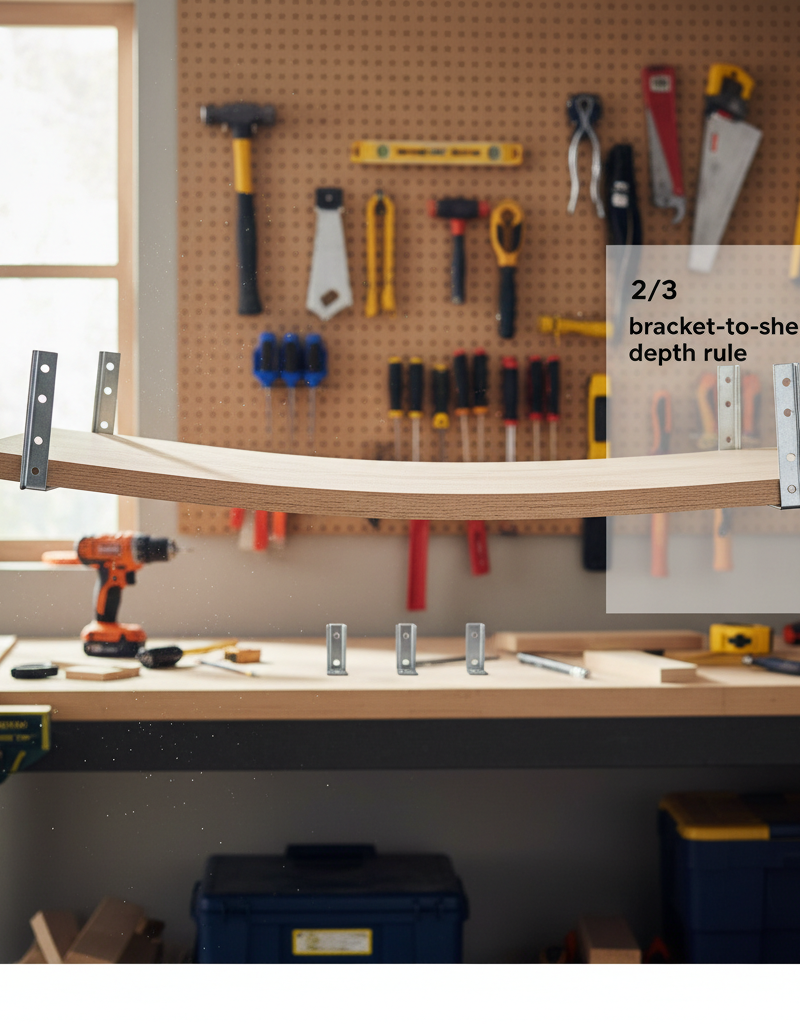
- The #1 Mistake Homeowners Make Installing Floating Shelves (and How to Fix It) — Discover the crucial error many DIYers make when mounting floating shelves into drywall and learn the simple steps to ensure a secure, sag-…
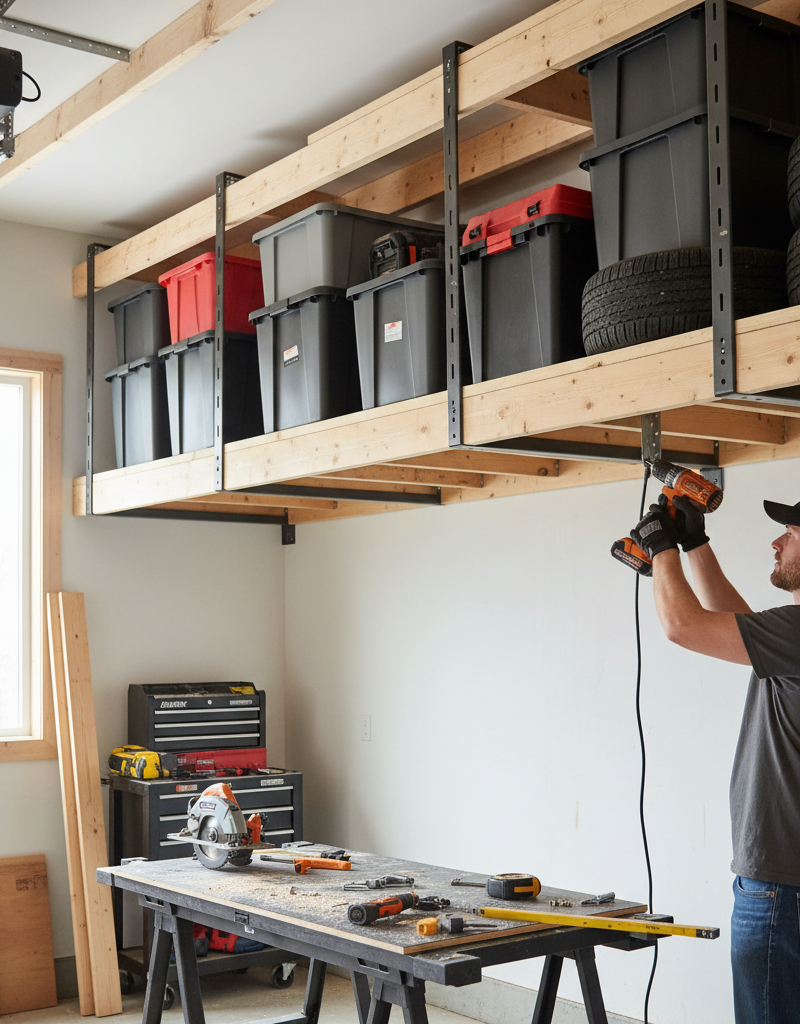
- Unlock Hidden Space: Build Serious Garage Overhead Storage — Your garage ceiling is the final frontier for storage. Learn how to build a robust garage overhead storage system that safely holds 400+ po…
- Your Floating Shelves Sag? The 3 Drywall Mistakes You're Making — Learn how to install floating shelves into drywall securely and prevent common issues like wobbling or damage with the right tools and tech…
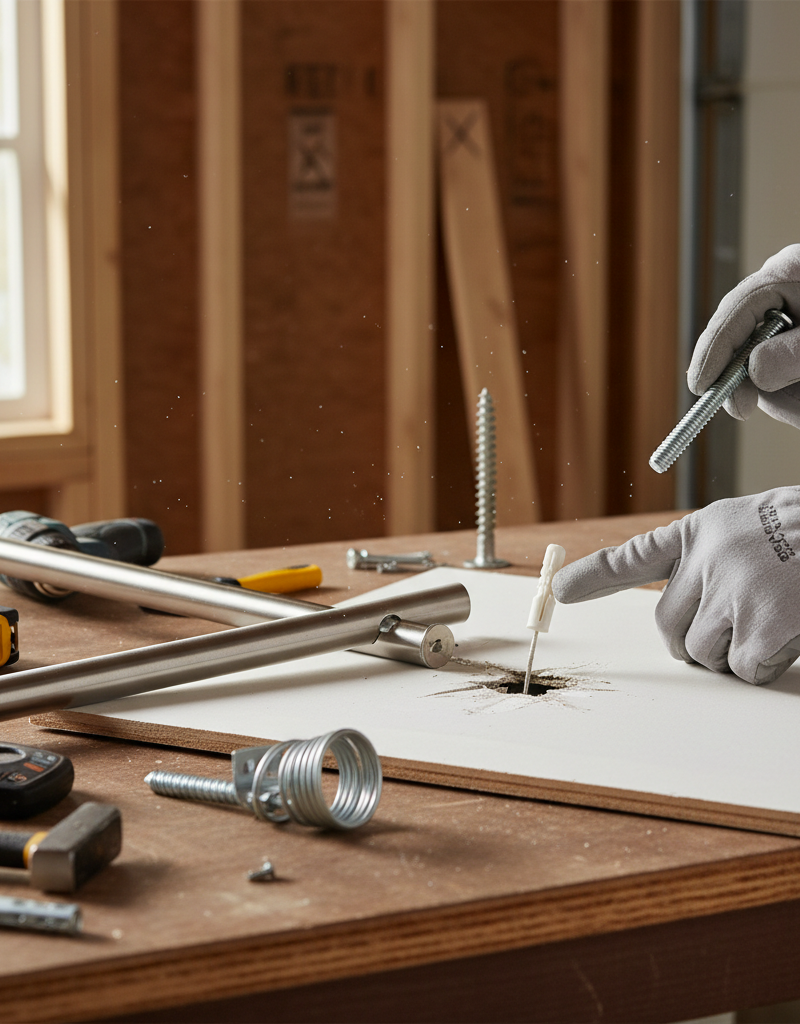
- The Giant Drywall Hole: Why Spackle Won't Work (And the Right Way to Fix It) — Don’t reach for spackle or joint compound when facing a large drywall hole; learn the correct reinforcement method for a seamless, lasting…
- Your Floating Shelves Failed? 3 Hidden Drywall Mistakes. — Learn how to safely and securely install floating shelves into drywall using the right anchors and tools, avoiding common mistakes.
- The #1 Mistake Homeowners Make Installing a Smart Thermostat (and How to Avoid It) — Avoid the most common pitfall when installing a smart thermostat yourself and ensure a smooth, functional setup with these expert tips.
Frequently asked questions
What's the best type of slide for pantry pull-out shelves?+
Full-extension ball-bearing slides with a weight rating of at least 75 lbs (100 lbs is recommended) are the best choice. They allow the shelf to pull completely out of the cabinet for full access and can handle the weight of heavy cans and jars without sagging or binding.
Can I add pull-out shelves to a cabinet with a center stile?+
Yes, but it requires a different approach. You can either install narrower pull-outs on each side of the stile, or you can carefully remove the stile (if it is not structural) and cover the resulting gap with a new piece of trim after installing a wide, single pull-out.
How do I measure for pull-out shelves?+
You need the 'clear opening' measurement. For width, measure the space between the hinges or face frame at the front, middle, and back, and use the SMALLEST number. For depth, measure from the inside of the face frame to the back wall. For height, measure from the shelf surface to the next obstacle above.
My new pull-out shelf drifts open slightly. How do I fix it?+
This almost always means your cabinet is not level front-to-back. You can fix this by placing a small, thin shim under the front of each slide's cabinet member before you screw it down. This will slightly raise the front, allowing gravity to keep the shelf closed.
Discussion
Loading comments…