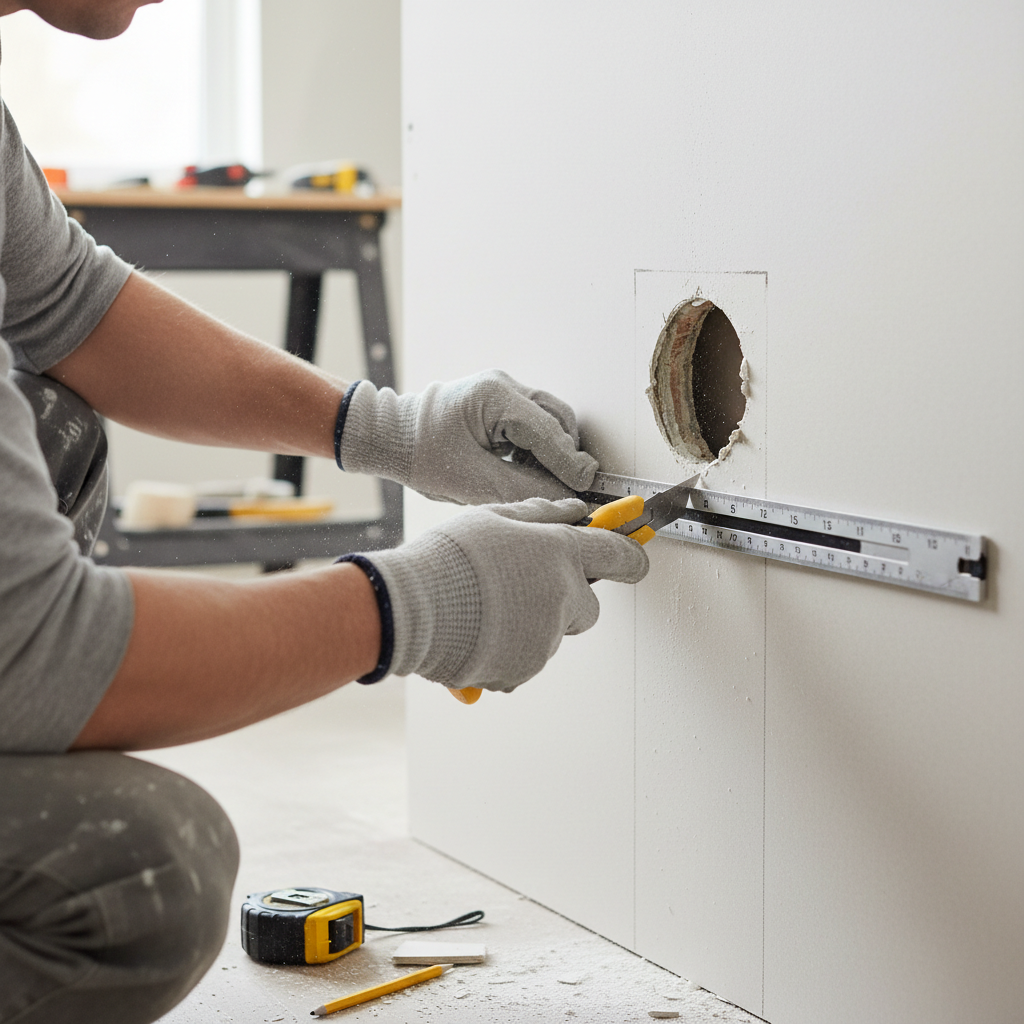
Tools & materials you'll need
Affiliate linksAs an Amazon Associate FixlyGuide earns from qualifying purchases — at no extra cost to you. Prices and availability are accurate as of publication and subject to change.
Quick Answer
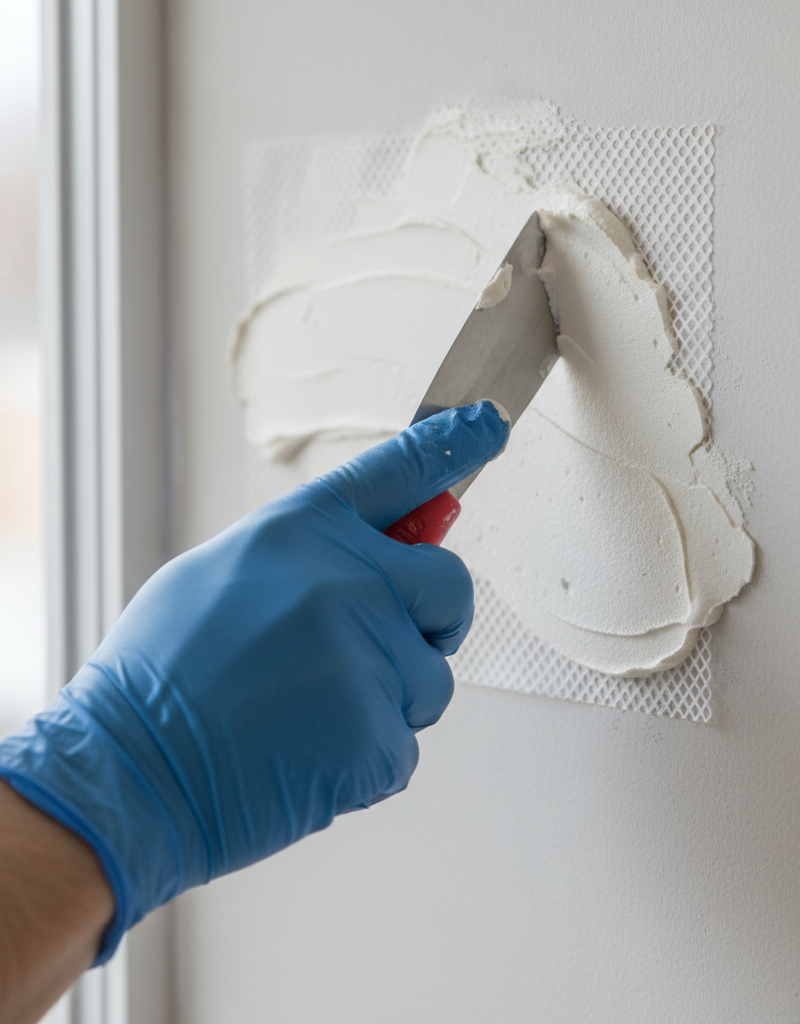
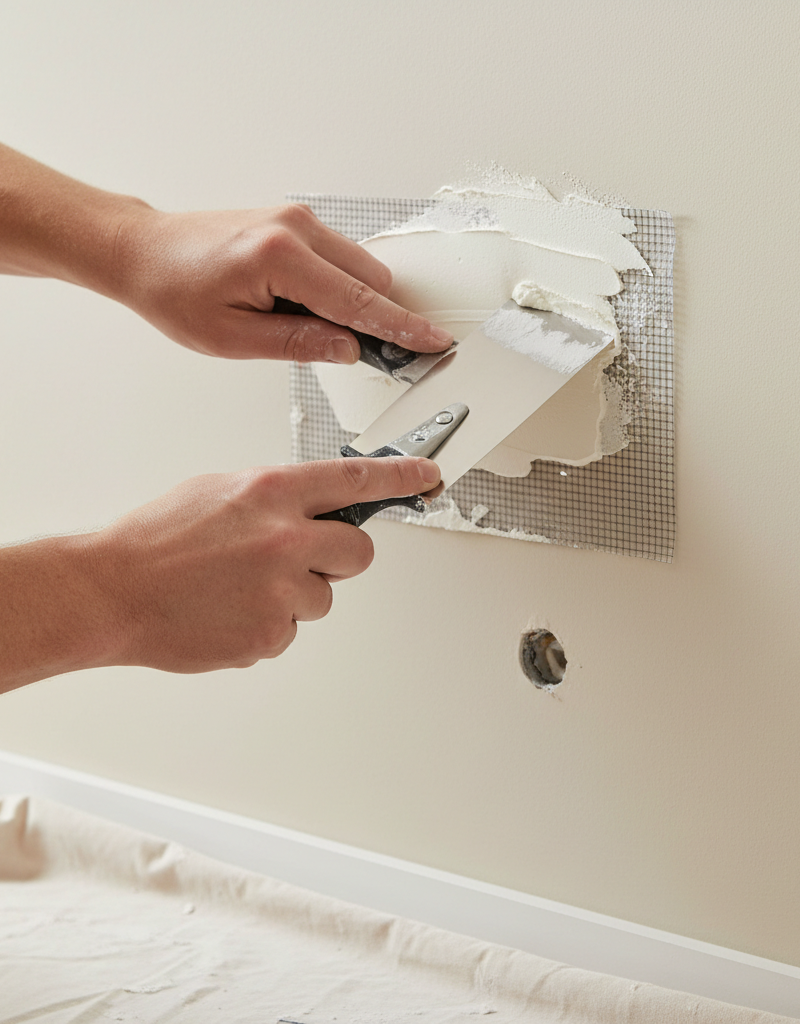
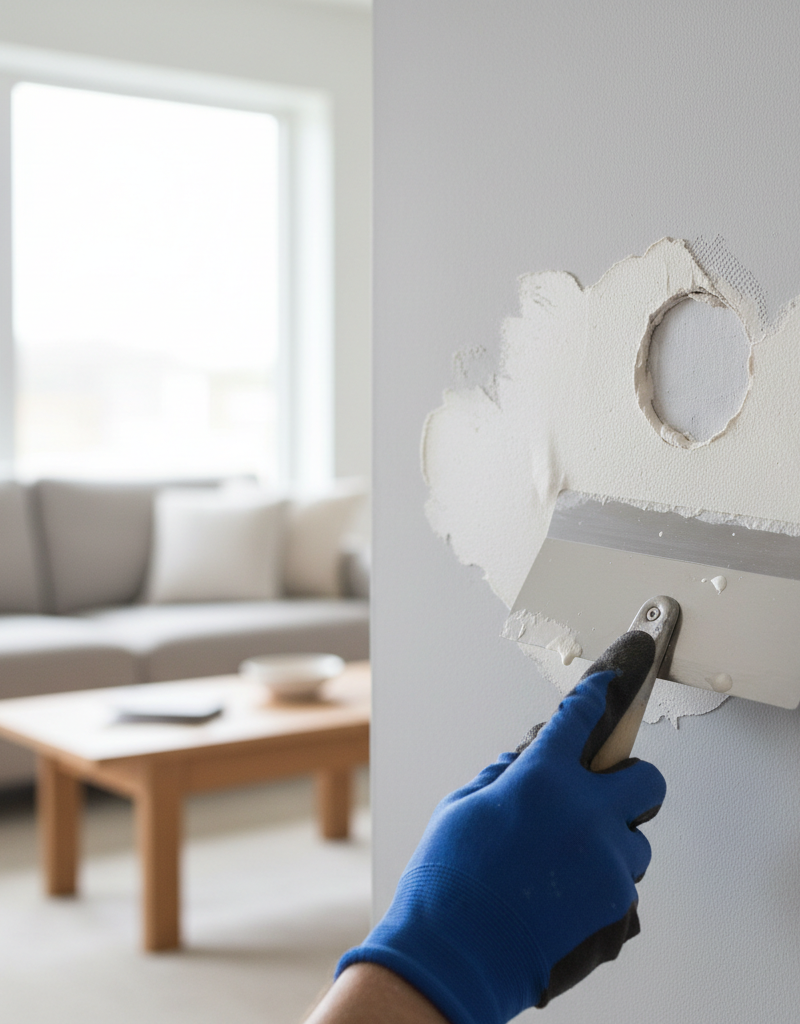
Repairing a large hole in drywall—anything wider than about 2 inches—demands a more robust approach than simply filling it with spackle or joint compound. The key is to provide solid backing or structural support for the new piece of drywall you'll be inserting. This prevents the patch from caving in, cracking, or developing an unsightly bulge. By installing wood furring strips, using a specialized self-adhesive patch, or cutting a new piece of drywall to fit the void, you can achieve a strong, invisible repair that blends seamlessly with the existing wall.
The Problem
Imagine you're moving furniture, and a sharp corner gouges a gaping hole in your living room wall. Or perhaps a doorknob slammed through the plasterboard one too many times. These aren't minor imperfections; they're substantial breaches in your home's interior surface. A
Frequently asked questions
How big of a drywall hole can I patch myself?+
You can effectively patch drywall holes up to about 6-8 inches in diameter using the methods described. For anything larger, or if the damage involves a stud, it might be more efficient to cut out a larger section and replace it, or call a professional.
Can I use just joint compound to fix a large hole?+
No. Joint compound, while essential for finishing, lacks the structural integrity to bridge a large gap on its own. It will almost certainly crack, sag, or fall out over time and will not provide a durable repair. You always need a solid backing or a patch with its own support system.
How long does drywall patch take to dry?+
Drying times vary based on humidity, temperature, and compound thickness. Each coat of joint compound typically needs 24 hours to dry completely. Rapid-setting compounds ('hot mud') can dry in as little as 20-90 minutes, but still require subsequent layers and sanding.
Discussion
Loading comments…