
Tools & materials you'll need
Affiliate linksAs an Amazon Associate FixlyGuide earns from qualifying purchases — at no extra cost to you. Prices and availability are accurate as of publication and subject to change.
Quick Answer
An annual home inspection checklist empowers homeowners to proactively identify and address minor issues before they become major, expensive repairs. It involves systematically checking key areas like the roof, foundation, plumbing, electrical, and HVAC systems, ensuring your home remains safe, efficient, and valuable. Regular inspections can extend the life of your home's components and prevent unexpected breakdowns.
The Problem
Many homeowners treat home inspections as a one-time event, something done only when buying or selling a property. This passive approach often leads to expensive surprises. Minor issues – a small roof leak, a developing crack in the foundation, a noisy furnace – can go unnoticed for months or even years. What starts as a simple, inexpensive fix can quickly escalate into a substantial repair bill, jeopardizing your home's safety, efficiency, and overall value. Ignoring annual inspections is akin to skipping oil changes for your car; eventually, you're looking at a breakdown. The core problem is a lack of systematic, proactive maintenance, which allows preventable wear and tear to become critical failures.
How It Works
Think of your home as a complex, interconnected system of systems. Each component, from the smallest pipe fitting to the largest structural beam, plays a role in the overall integrity and function of your living space. An annual home inspection isn't just about spotting obvious damage; it's about understanding the subtle signals that indicate impending issues. For instance, a small water stain on a ceiling might point to a compromised roof shingle or a leaky pipe in the attic. A subtle draft near a window could mean failing seals. Unusual sounds from your HVAC system often signal a need for maintenance or repair before a complete breakdown occurs.
The inspection process involves a methodical visual examination of these critical systems. You'll move from the exterior – checking the roof for damaged shingles, gutters for clogs, and the foundation for cracks – to the interior, inspecting plumbing for leaks, electrical outlets for proper function, and HVAC units for operational efficiency. The goal is to identify early warning signs like discrepancies in performance, wear patterns, or minor damage before they can cascade into larger, more costly problems. By understanding how each system should operate and look, you can quickly spot deviations that require attention. This proactive approach saves money in the long run by allowing for minor repairs rather than major replacements.
Step-by-Step Fix
Safety First! Always prioritize safety during any home inspection or repair. Wear appropriate protective gear, understand the risks, and know when to call a professional.
-
Roof & Gutters – Inspect for Damage and Blockages
- Begin by visually inspecting your roof from the ground with binoculars. Look for missing, cracked, or curled shingles. Note any areas where granules appear worn off, indicating aging. Check for moss or algae growth, which can trap moisture. Carefully inspect flashings around chimneys, vents, and skylights for signs of lifting or deterioration.
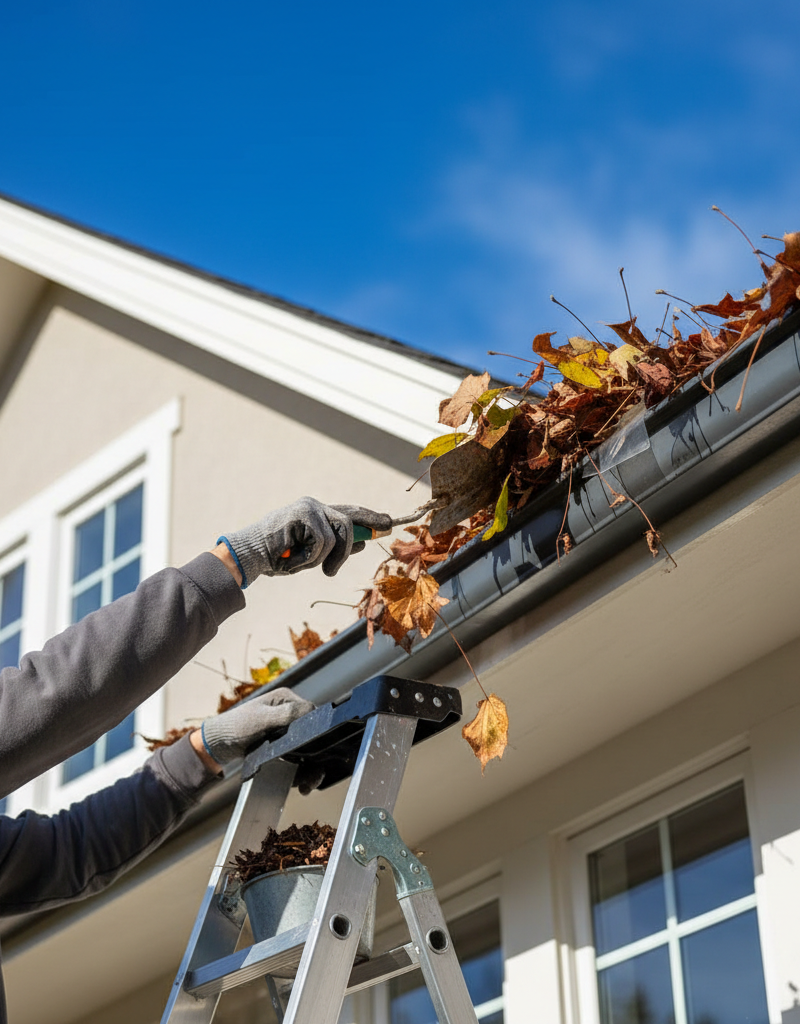
- Examine gutters and downspouts for clogs (leaves, debris) and proper attachment. Ensure downspouts direct water away from the foundation.
- If you find significant damage or feel uncomfortable on a ladder, call a licensed roofing professional.
-
Foundation & Exterior Walls – Scan for Cracks and Drainage Issues
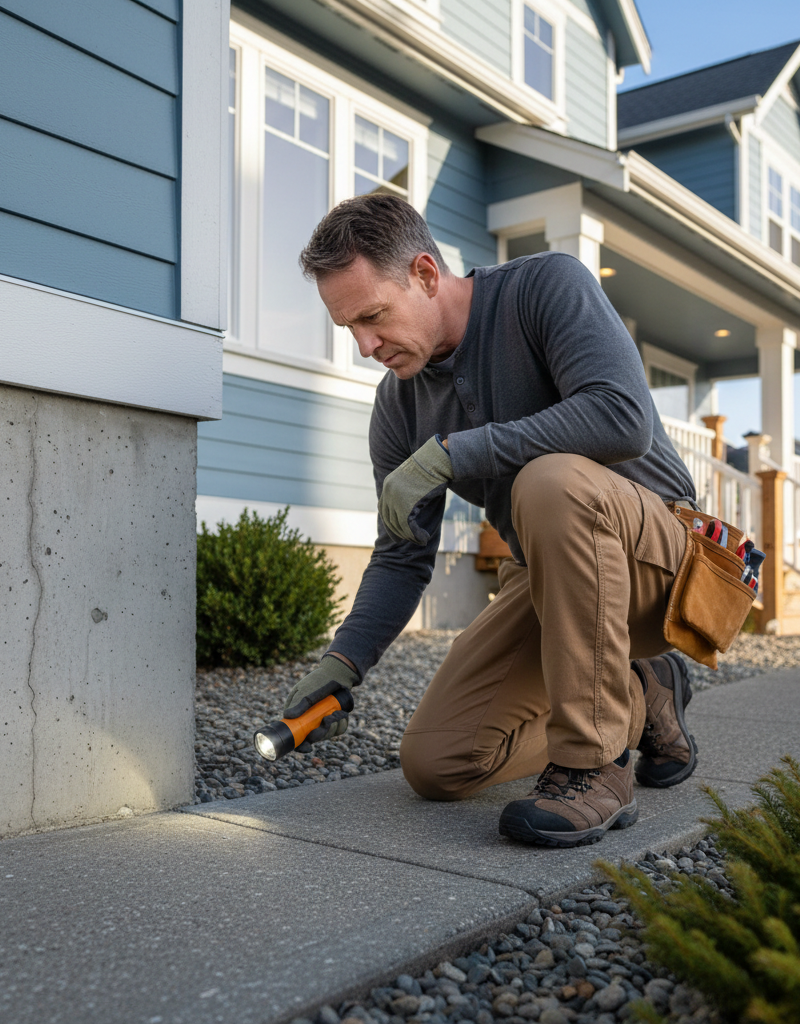
- Walk around the entire perimeter of your home. Look for cracks in the foundation, especially those that are wider than 1/8 inch or form a horizontal pattern. Note any crumbling mortar in brick homes.
- Check for proper grading: the ground should slope away from your foundation by at least 6 inches over the first 10 feet. Ensure no standing water accumulates near the base of your home.
- Inspect exterior siding or brick for damage, rot, or insect infestation. Look for peeling paint or loose caulking around windows and doors.
- If you discover wide, horizontal, or stair-step cracks in your foundation, consult a structural engineer or foundation specialist immediately.
-
Attic & Crawl Space – Check for Moisture, Pests, and Insulation
- Safety Note: Wear a mask, gloves, and protective clothing. Be cautious of exposed nails, electrical wires, and uneven footing. Use a strong flashlight.
- In the attic, look for signs of water stains on the underside of the roof sheathing or insulation, indicating a leak. Check for proper ventilation (soffit and ridge vents should be clear).
- Examine insulation for adequate depth and gaps. Look for rodent droppings or pest nests.
- In the crawl space, check for standing water, excessive moisture, mold, or mildew. Ensure proper ventilation. Look for signs of wood rot or active pest activity.
- If you find mold covering a large area (more than a few square feet) or evidence of a significant pest infestation, call a certified mold remediation specialist or pest control expert.
-
Plumbing System – Test Fixtures and Inspect for Leaks
- Go through each bathroom and kitchen. Flush toilets to ensure proper function and look for leaks at the base. Run all faucets and showers, checking for good water pressure and drainage. Look under sinks for any signs of leaks or water damage.
- Inspect exposed pipes in the basement or utility areas for corrosion, leaks, or drips. Test the water heater's pressure relief valve if you are comfortable (follow manufacturer instructions carefully).
- Always turn off your main water supply if you discover a significant, active leak.
-
Electrical System – Test Outlets and Check Panel Safety
- Test GFCI (Ground Fault Circuit Interrupter) outlets in bathrooms, kitchens, and outdoor areas using their built-in test/reset buttons. They should trip and reset.
- Use an outlet tester to check a representative sample of standard outlets throughout the house for proper wiring.
- Safety Note: Do NOT open your main electrical panel. Simply visually inspect it from the outside. Look for signs of rust, burns, or humming sounds. Ensure all breakers are clearly labeled.
- For any issues with the main electrical panel, or if outlets consistently fail tests, always call a licensed electrician. Never attempt to work on live electrical circuits.
-
HVAC System – Inspect Filters, Vents, and Operation
- Replace your HVAC air filter. This is a crucial, easy step often overlooked.
- Visually inspect the outdoor AC unit for debris accumulation and ensure coils are clean. Check the condensate drain line for blockages.
- Test your thermostat for proper function (heating and cooling). Listen for unusual noises during operation (grinding, squealing, banging).
- If your HVAC system is making loud, unusual noises, blowing warm air when it should be cool, or vice-versa, schedule an appointment with a licensed HVAC technician.
-
Appliances & Interior – Check for Function and Safety
- Test smoke detectors and carbon monoxide detectors by pressing their test buttons. Replace batteries annually.
- Inspect doors and windows for proper operation, secure latches, and tight seals. Check for drafts.
- Test garage door opener safety features (e.g., auto-reverse when obstructed).
- Examine major appliances (dishwasher, refrigerator, oven, washing machine) for proper function and any signs of leaks or malfunctions.
Common Causes
- Neglect & Procrastination: The most common culprit. Small issues are ignored until they become large, expensive problems.
Related Articles
Keep troubleshooting with these hand-picked guides from FixlyGuide:
- The 7 Critical Home Inspection Mistakes Most Homeowners Make (and How to Spot Them) — Discover the crucial home inspection mistakes homeowners commonly overlook and learn how to identify potential problems before they become…
- The 7 Critical Inspection Points Most Homeowners Miss (And Your $100 Fixes) — Uncover the hidden annual home inspection points that prevent costly repairs and maintain your home's value, often with simple DIY fixes.
- The 7 Critical Home Inspection Checks Most Homeowners Miss (and How to Do Them Yourself) — Discover the essential annual home inspection checks many homeowners overlook and learn how to perform them yourself to prevent costly repa…
- The 7 Fall Chores Most Homeowners SKIP (And Why They'll Cost You Thousands) — Don't let autumn's beauty distract you from these critical home maintenance tasks that can prevent costly damage and ensure a cozy winter.
- The 7 Sneaky Home Problems Spring Reveals (Before They Cost You Thousands) — Spring weather can expose hidden issues around your home that could lead to costly repairs if not addressed proactively.
- The 12 Checks That Prevent 80% of Costly Home Repairs — Don't wait for a disaster. Our comprehensive monthly home maintenance checklist reveals the surprising, simple tasks that catch small issue…
Frequently asked questions
How often should I perform a home inspection?+
You should perform a comprehensive visual home inspection at least once a year. Additionally, perform seasonal spot checks – for example, checking gutters in the fall and AC units in the spring.
What tools do I need for a DIY home inspection?+
Basic tools include a strong flashlight, binoculars, a screwdriver, a non-contact voltage tester, a GFCI outlet tester, a ladder (if comfortable with heights), and a moisture meter.
When should I call a professional during my inspection?+
Call a professional immediately if you detect gas leaks, significant structural cracks, extensive mold, active pest infestations beyond minor issues, electrical panel damage, or complex HVAC malfunctions. Your safety and the integrity of your home are paramount.
Can an annual inspection increase my home's value?+
Absolutely. By identifying and addressing issues early, you prevent costly repairs that could diminish your home's value. A well-maintained home is often more appealing to potential buyers and commands a higher resale price.
What's the difference between a DIY annual inspection and a professional inspection?+
A DIY annual inspection is a proactive visual check by the homeowner to catch obvious issues. A professional inspection is a much more in-depth, non-invasive examination conducted by a licensed inspector using specialized tools, often required during real estate transactions. They provide a detailed report and identify defects that might be missed by an untrained eye.

Discussion
Loading comments…