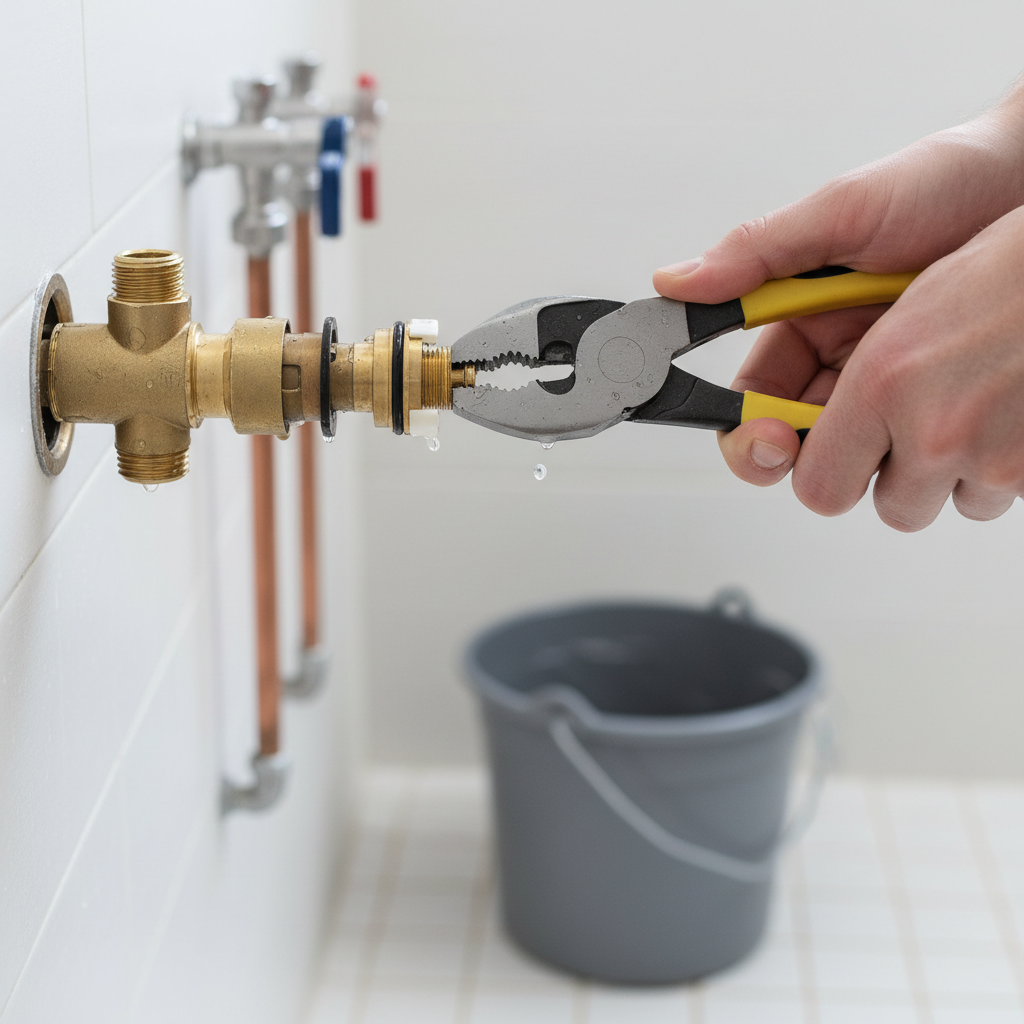
Tools & materials you'll need
Affiliate links- AmazonPhillips head screwdriver
- AmazonFlathead screwdriver or pry toolFor decorative cap
- AmazonAdjustable wrench or channel lock pliers
- AmazonCartridge pullerRecommended for stubborn cartridges, specific to valve brand (e.g., Moen, Delta)
- AmazonSmall brushLike a bottle brush, for cleaning valve body
As an Amazon Associate FixlyGuide earns from qualifying purchases — at no extra cost to you. Prices and availability are accurate as of publication and subject to change.
Quick Answer
When your shower specifically lacks hot water, even as other fixtures in your home run hot, the problem most often lies within the shower's mixing valve or its components, such as a clogged cartridge or a misaligned anti-scald limit. Sediment buildup can also restrict hot water flow. These issues typically allow cold water to reach the shower but block or restrict the hot, and most can be diagnosed and resolved with common household tools and a moderate DIY effort.
The Problem
You wake up, step into the shower expecting a comforting blast of warmth, and instead, you're hit with an icy shock. But here's the kicker: the sink faucet in the same bathroom or the kitchen sink is delivering perfectly hot water. This scenario points away from a general water heater failure and squarely towards a localized issue within your shower's plumbing. It's a frustrating, uncomfortable problem that can ruin your morning and leave you wondering what hidden mechanism is failing to deliver the heat you crave.
This specific symptom—cold shower, hot other fixtures—narrows down the diagnostic path considerably. We're looking at components almost exclusively unique to the shower assembly: the mixing valve, its internal cartridge, and any associated anti-scald devices. Understanding how these parts work is the first step to restoring your blissful hot showers.
How It Works
At the heart of every modern shower is the mixing valve, a crucial component that precisely blends hot and cold water to achieve your desired temperature. Unlike a simple sink faucet with separate hot and cold handles, most shower valves operate with a single handle that controls both water flow and temperature.
Inside the valve body, a cartridge is the main player. This cylindrical component contains a series of ports and seals that rotate or slide as you move the shower handle. When you turn the handle towards 'hot,' the cartridge's internal mechanism shifts, gradually increasing the proportion of hot water entering the mixing chamber while decreasing cold water. Conversely, turning towards 'cold' does the opposite. If the cartridge becomes clogged with mineral deposits (especially in hard water areas), or if its seals degrade, it can prevent the hot water port from fully opening, leading to a consistently cold or lukewarm spray.
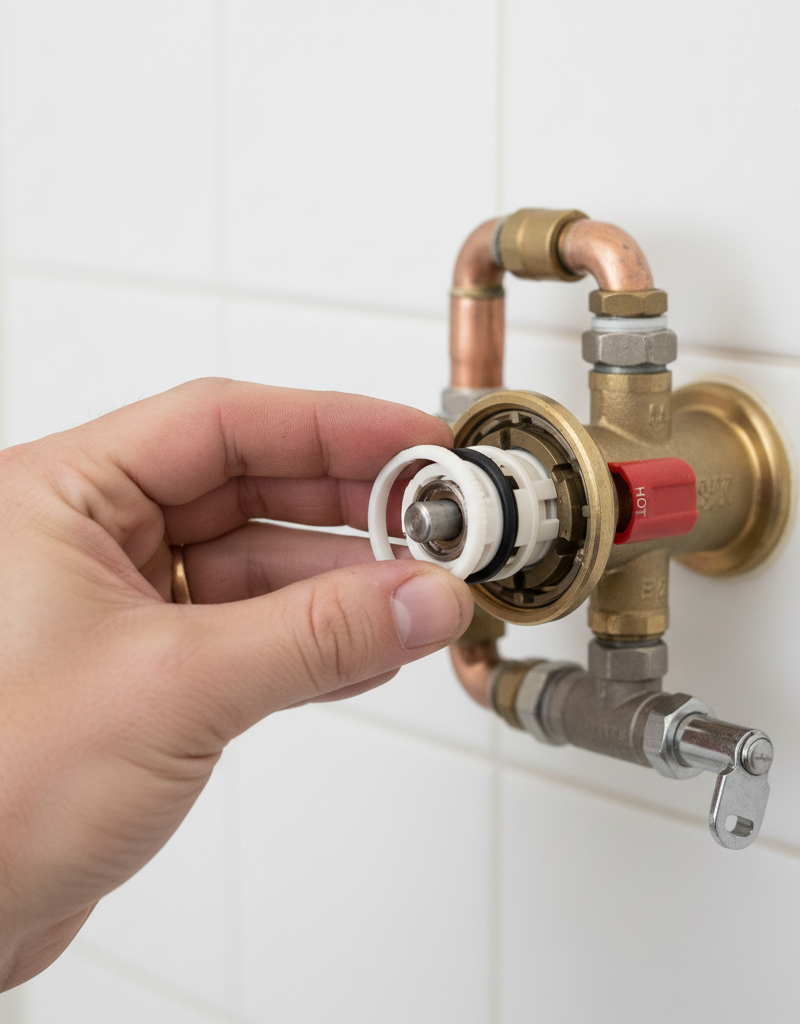
Many shower valves also incorporate an anti-scald device, often called a temperature limit stop or rotational limit stop. This safety feature is typically a small plastic ring or mechanism located around the cartridge. Its purpose is to prevent the handle from rotating too far into the hot water range, thereby limiting the maximum temperature to protect against scalding. If this limit stop is accidentally bumped, misadjusted, or installed incorrectly, it can inadvertently restrict the hot water flow even when the handle is turned all the way to the 'hot' position, making your shower frustratingly cold.
Finally, the hot water itself travels from your water heater through dedicated supply lines. Any obstruction in these lines, though less common within the shower-specific segment, could theoretically affect only the shower. However, the mixing valve and cartridge are far more frequent culprits when other fixtures are working correctly.
Step-by-Step Fix
1. Test Other Fixtures—Confirm the problem is shower-specific.
- Run nearby faucets—Turn on the hot water at a sink faucet in the same bathroom. If it gets hot, you know the water heater and main hot water supply are working. This confirms the issue is localized to the shower.
- Consider a tankless heater—If you have a tankless water heater, ensure other fixtures draw hot water consistently. Some tankless heaters have flow rate minimums; a shower with specific low-flow heads might not trigger the heater if other draws aren't active.
2. Check the Anti-Scald Device (Temperature Limit Stop)—A common, easy fix.
- Turn off water—Locate your main water shut-off valve or the shut-off valves for the bathroom and turn them off. This prevents a watery mess when you open the valve.
- Remove handle and trim—Carefully pry off the decorative cap from the center of the shower handle (if present), then unscrew the handle screw with a Phillips head screwdriver. Pull the handle straight off. Remove any escutcheon plate screws and pull off the trim plate to expose the valve cartridge.
- Locate and adjust—You'll typically see a plastic ring or gear-like mechanism surrounding the cartridge stem. This is the anti-scald limit. It's designed to stop the handle from rotating too far into the hot zone. It might be simply bumped out of position or set too low. Consult your shower valve's manual if available, but generally, you can push it, twist it, or lift it to allow for more hot water rotation. Some have small teeth that need to be aligned with slots.
- Test quickly—Carefully turn the water supply back on (slowly!) and temporarily reinstall the handle without the trim. Test the temperature. If it's hot, you've found the issue. Adjust as needed. Reset the limit stop to a safe, comfortable maximum temperature to prevent accidental scalding.
- Safety Note: Always test the water temperature with your hand before stepping into the shower after any adjustment to the anti-scald device. Scalding can occur rapidly.
3. Inspect or Replace the Shower Cartridge—The most likely mechanical culprit.
- Turn off water—Crucial to shut off the main water supply again before proceeding.
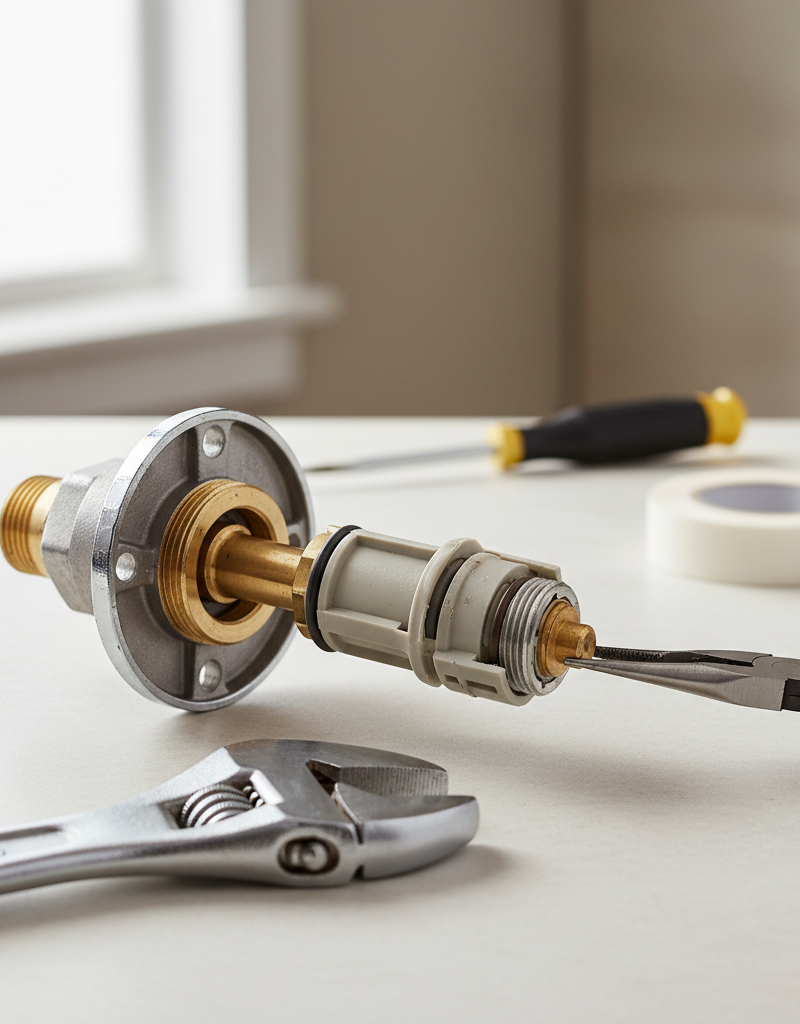
- Remove retention nut/clip—Once the handle and trim are off (as in step 2), you'll see the cartridge. It's usually held in place by a brass nut, a U-shaped clip, or a screw. Remove these fasteners.
- Pull the old cartridge—Use cartridge pliers (a specialized tool that grips the cartridge for twisting and pulling) or a pair of regular pliers carefully to grip the stem and gently rock and pull the cartridge straight out. If it's stuck due to mineral buildup, specialized cartridge puller tools are available for common brands like Moen or Delta, and they can save a lot of frustration. If it’s extremely stuck, use penetrating oil and let it sit.
- Inspect for damage/debris—Examine the old cartridge. Look for cracks, broken seals, or significant mineral deposits/debris blocking the ports, especially the hot water inlet.
- Clean the valve body—While the cartridge is out, peer into the valve body. Use a small, soft brush (like a bottle brush) and white vinegar to clean out any visible mineral deposits or rust. Rinse thoroughly but briefly with the water supply on briefly to flush out debris, making sure to have a bucket ready.
- Install new cartridge—Lubricate the rubber O-rings on the new cartridge with silicone plumber's grease. Ensure the cartridge is oriented correctly (check for UP markings or keyways). Push it firmly into the valve body until it seats fully. Reinstall the retention nut/clip. **Crucially, ensure the
Related Articles
Keep troubleshooting with these hand-picked guides from FixlyGuide:
- The 4 Hidden Reasons Your Shower Runs Cold – And How to Fix It FAST — Learn the surprising causes behind a cold shower and discover simple, effective DIY fixes to restore hot water quickly.
- The #1 Reason Your Shower Goes Cold (It's Not Your Water Heater) — The true culprit behind a suddenly cold shower often isn't a failing water heater, but a simple, fixable issue with your shower valve.
- The #1 Mistake Homeowners Make When Diagnosing Low Water Pressure (It's Not Your Pipes) — Discover the most common, overlooked culprit behind low water pressure impacting your entire home and learn how to fix it yourself with bas…
- The 7 Critical Spring Home Tasks Most Homeowners Forget (And Why You Shouldn't) — Don’t just prune bushes; tackle these often-overlooked spring maintenance items to protect your home’s value and prevent costly repairs.
- The 4 Hidden Reasons Your Entire Home Has Low Water Pressure (And the Easy Fixes) — Low water pressure throughout your entire home can be a frustrating and often misunderstood problem, with several common culprits. Learn to…
- The Hidden Reason Your AC Freezes — And Why Most Homeowners Get It Wrong — Your AC freezing up outside isn't just about low refrigerant; restricted airflow is often the true culprit, leading to inefficient cooling…
Frequently asked questions
Why is my shower cold but other faucets are hot?+
If other faucets have hot water but your shower doesn't, the problem is usually with the shower's specific components: either the mixing valve cartridge is faulty or clogged, or the anti-scald temperature limit stop is set too low or has been bumped out of position.
Can I fix a cold shower myself?+
Yes, many common causes of a cold shower (when other fixtures are hot) are DIY-friendly. Adjusting the anti-scald device or replacing a faulty mixing valve cartridge are tasks homeowners can often complete with basic tools and some patience.
What is an anti-scald device and how do I adjust it?+
An anti-scald device, or temperature limit stop, is a safety feature inside your shower valve that prevents the handle from turning too far into the hot range, limiting the maximum water temperature. To adjust it, you typically remove the shower handle and trim, then locate a plastic ring or mechanism around the cartridge and follow the manufacturer's instructions to allow for more hot water flow. Always test the water carefully after adjustment.
How long does a shower cartridge last?+
A shower cartridge's lifespan varies, but they typically last 10-20 years. However, in areas with hard water, mineral buildup can shorten their life, requiring replacement after only a few years if performance degrades.
When should I call a plumber for a cold shower?+
You should call a plumber if you've tried adjusting the anti-scald device and replacing the cartridge without success, if the problem is intermittent or affects multiple showers randomly, or if you suspect issues with the main hot water supply lines, water heater, or if you encounter any difficulties beyond your comfort level.
Discussion
Loading comments…