Tools & materials you'll need
Affiliate linksAs an Amazon Associate FixlyGuide earns from qualifying purchases — at no extra cost to you. Prices and availability are accurate as of publication and subject to change.
Quick Answer
Facing a sudden cold shower can be frustrating, especially if other fixtures in your home still have hot water. More often than not, this specific problem points to an issue within the shower's valving or delivery system, rather than a whole-house water heater failure. Common culprits include a stuck shower mixing valve (which blends hot and cold water), a maladjusted anti-scald device, a clogged showerhead, or a faulty diverter if you have a tub/shower combo. The good news is that many of these issues are straightforward to diagnose and fix with basic tools and a little patience.
The Problem
You step into the shower, anticipating a warm, relaxing start to your day or a soothing end to a long one, only to be met with a blast of icy cold water. This isn't just an inconvenience; it can be a real jolt to your system and a sign that something isn't quite right with your plumbing. While a whole-house hot water outage typically points to the water heater, if only your shower is affected, the problem is localized. This means we'll focus on the components specific to the shower's hot water delivery, helping you avoid unnecessary and potentially costly water heater repairs.
How It Works
Understanding how your shower delivers hot water is key to troubleshooting. At its core, your shower relies on a mixing valve, a critical component usually located behind the shower wall. This valve's job is simple but essential: it blends hot water from your water heater with cold water from your main supply to achieve your desired temperature. Modern showers also often feature an anti-scald device, typically integrated into the mixing valve, which limits the maximum hot water temperature to prevent burns. This device can sometimes be miscalibrated or tripped, restricting hot water flow. Additionally, if you have a tub/shower combination, a diverter valve dictates whether water flows to the tub spout or up to the showerhead. If this diverter is faulty or stuck, it can prevent proper water flow to the shower, sometimes resulting in reduced pressure or only cold water. Finally, the showerhead itself, especially if not regularly cleaned, can accumulate mineral deposits that restrict flow and impact temperature distribution.
Step-by-Step Fix
1. Check Other Hot Water Fixtures – Is it just the shower?
Before diving into the shower components, confirm if other hot water taps (like sinks or another shower) in your home are working correctly. This quickly tells you if the problem is isolated to your shower or if it's a larger water heater or whole-house issue. If other fixtures have hot water, proceed with the steps below.
- If no hot water anywhere: Check your water heater's power (breaker for electric, pilot light for gas) or call a plumber if you're unsure.
2. Inspect Your Showerhead for Clogs – Mineral buildup can restrict flow.
Mineral deposits (limescale) can accumulate in showerhead nozzles, restricting water flow and making the water feel cooler due to reduced volume. Unscrew the showerhead and inspect the openings.
- To do: Unscrew the showerhead counter-clockwise. Soak it in a mixture of equal parts white vinegar and water for several hours or overnight. Use a small brush or toothpick to clear any visible debris from the nozzles. Rinse thoroughly before reattaching.
- Tools: Adjustable wrench (optional, for stubborn showerheads), old toothbrush.
3. Recalibrate/Reset the Anti-Scald Device – A common hidden culprit.
Many single-handle shower valves have an anti-scald device (also called a rotational limit stop or temperature limit stop) that, if set too low or accidentally bumped, can restrict the maximum hot water temperature. This device is usually a plastic ring or gear behind the handle plate.
- To do: Turn off the water supply to the shower (usually at the main shut-off valve for the house or a dedicated bathroom shut-off). Carefully pry off the decorative cap on your shower handle to reveal the screw. Unscrew the handle and pull it off. Remove the escutcheon plate (the metal plate against the wall). You should see a plastic ring with teeth or a stop. Consult your shower valve's manual or look up a video for your specific brand (e.g., Moen, Delta, Pfister) on how to adjust it. Typically, you press a button or tab and rotate the ring slightly to allow for more hot water. Reassemble and test.
- Safety: Always turn off the water supply before disassembling valve components.
- Tools: Flathead screwdriver (for cap), Philips screwdriver (for handle screws), small flathead screwdriver (for prying).
4. Troubleshoot a Faulty Diverter Valve – For tub/shower combos.
If you have a tub/shower combo and the tub spout gets hot water but the showerhead doesn't, or the water comes out lukewarm, the diverter valve might be the problem. The diverter redirects water from the tub spout to the showerhead.
- To do: Diverters come in various styles: a pull-up knob on the tub spout, a knob on the faucet body, or a third handle. If it's a pull-up spout diverter, ensure it's fully engaged. If it's a knob, check for smooth operation. Sometimes, mineral buildup can prevent it from fully sealing. Replacing a tub spout diverter can often be done by unscrewing the old spout and screwing on a new one. For diverters integral to the faucet body, this might require replacing the valve cartridge, which is a more involved process.
- Tools: Adjustable wrench (for tub spout), Teflon tape.
5. Inspect/Replace the Thermostatic or Pressure-Balancing Cartridge – The heart of your shower's temperature control.
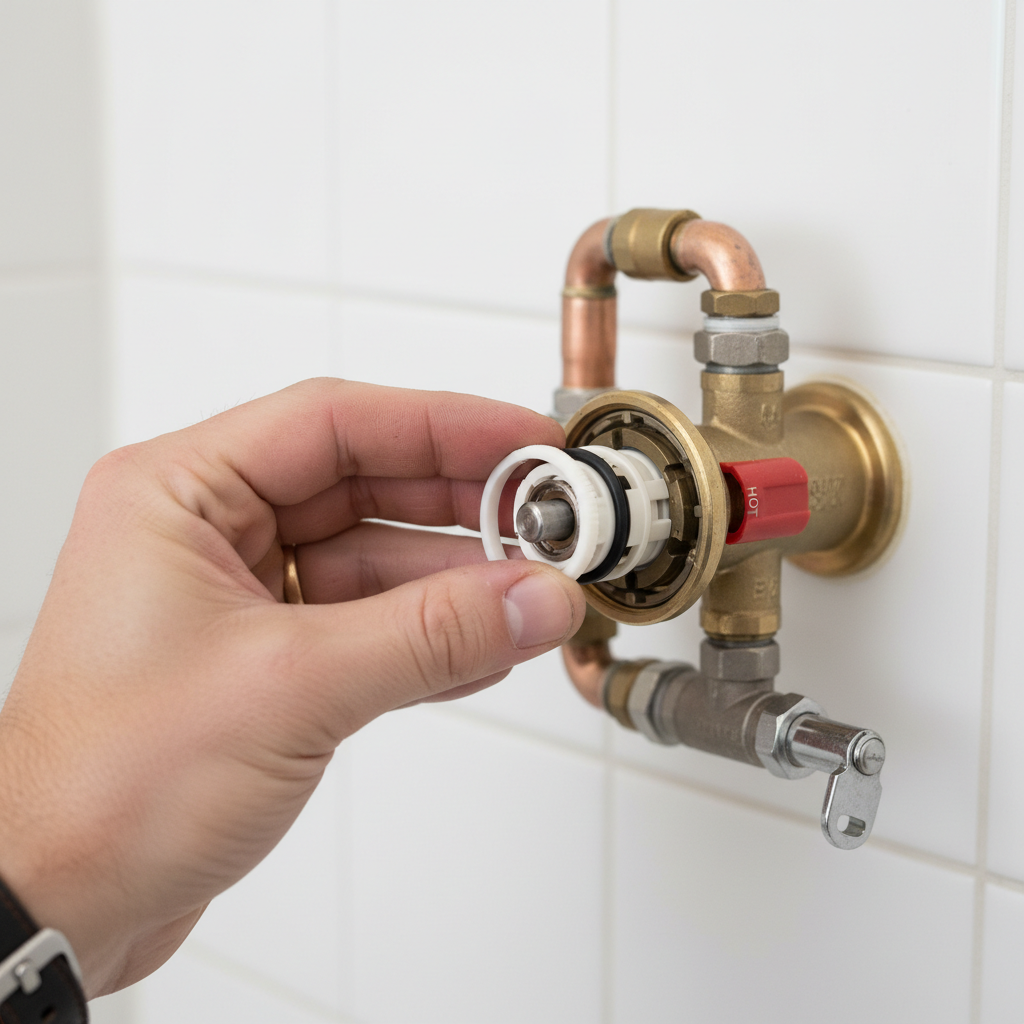
Inside your single-handle shower valve is a cartridge that mixes hot and cold water. Over time, these cartridges can wear out, become clogged with sediment, or malfunction, leading to inconsistent temperatures or no hot water. This is a more advanced DIY task.
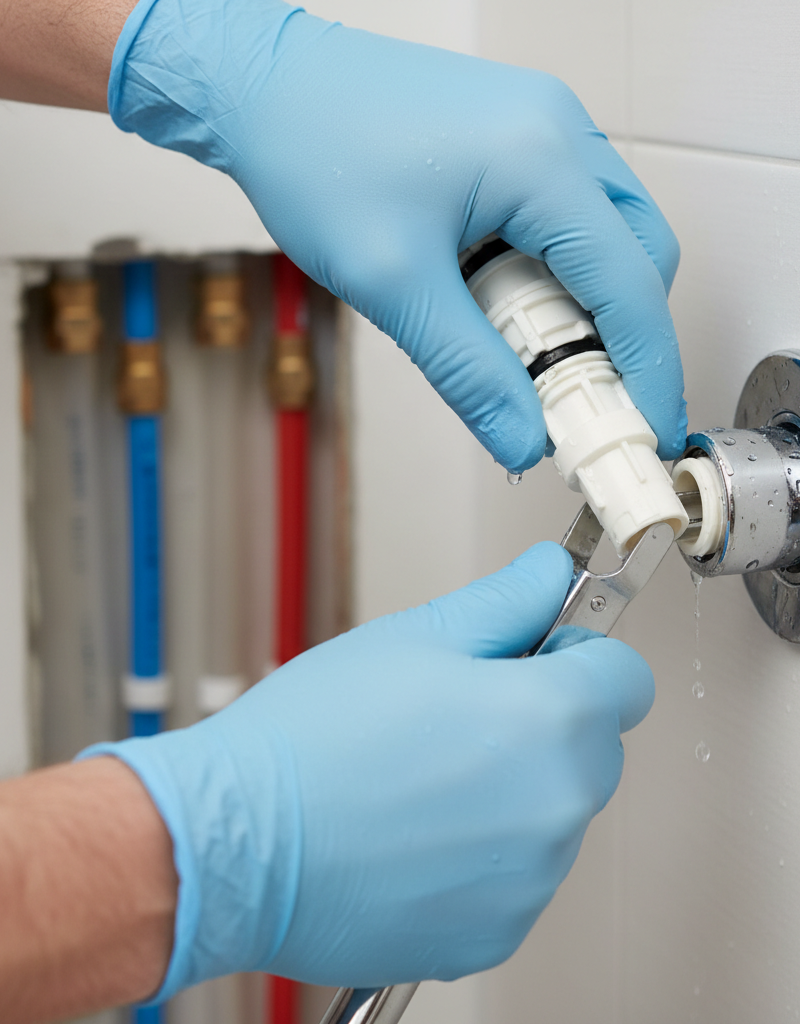
- To do: Locate your main water shut-off valve and turn off the water supply to the house. Disassemble the shower handle and escutcheon plate as described in Step 3. Identify your cartridge. Often, there's a retainer clip holding it in place. Carefully remove the clip and pull out the old cartridge (you might need pliers). Note its orientation. Take the old cartridge to a plumbing supply store to ensure you get an exact match. Lubricate new O-rings with plumber's grease, insert the new cartridge, replace the clip, and reassemble. Turn the water back on slowly and test.
- If this doesn't work: Ensure the cartridge is seated correctly. If the problem persists, it's time to call a professional plumber.
- Safety: Always shut off the main water supply before attempting cartridge replacement. Have towels ready for inevitable drips.
- Tools: Philips screwdriver, needle-nose pliers, plumber's grease, replacement cartridge, utility knife (to clean old caulk).
Common Causes
- Tripped or Miscalibrated Anti-Scald Device: This safety feature can inadvertently limit hot water flow if set too low or accidentally nudged, especially common in newer single-handle valves.
- Clogged Showerhead Filter/Nozzles: Mineral deposits or sediment can build up, restricting water flow and making the water feel cooler, even if the hot water supply is fine.
- Faulty Mixing Valve Cartridge: The internal cartridge, which blends hot and cold water, can wear out or become clogged, preventing proper mixing and leading to only cold water.
- Malfunctioning Diverter Valve: In tub/shower combos, if the diverter doesn't fully engage or seal, water may bypass the showerhead or not get enough hot water.
- Crossed Pipes (Rare but Possible): Incorrectly installed plumbing can sometimes lead to cold water entering the hot water line, especially after other plumbing work.
- Water Heater Issues (Less Likely if Only Shower is Affected): While often the first thought, if other fixtures have hot water, the water heater itself isn't the primary suspect for this specific problem but worth considering if all else fails.
Common Mistakes
- Assuming it's always the water heater: Many homeowners immediately think of the water heater, leading to unnecessary and expensive diagnostics or even replacement, when the problem is localized to the shower.
- Ignoring the anti-scald device: Overlooking this common culprit can mean hours of frustration. Always check its setting before removing components.
- Not turning off the main water supply: Disassembling shower valve components without shutting off the water can lead to a significant flood and water damage.
- Forcing stubborn parts: Shower components can be delicate. Forcing a handle or plate can break plastic tabs or strip screws, making the repair harder and more expensive.
- Buying the wrong replacement cartridge: Shower valve cartridges are highly specific to the brand and model. Don't guess; remove the old one and take it with you to ensure an exact match.
- Neglecting proper sealing: When reassembling, ensure all screws are snug but not overtightened, and replace any caulk around the escutcheon plate for a watertight seal.
Cost & Time Breakdown
| Task | DIY Cost | Pro Cost | Time |
|---|---|---|---|
| Showerhead cleaning/soaking | $0–$5 | N/A | 15–30 mins |
| Anti-scald adjustment | $0 | $75–$150 | 10–20 mins |
| Diverter valve replacement | $10–$50 | $150–$300 | 30–60 mins |
| Cartridge replacement | $30–$100 | $200–$400 | 1–2 hours |
| Full diagnosis & repair | N/A | $150–$500+ | 1–3 hours |
Tips & Prevention
- Regular Showerhead Cleaning: Once every few months, remove your showerhead and soak it in a vinegar solution to prevent mineral buildup. This maintains water flow and temperature consistency.
- Calibrate Anti-Scald Safely: If you adjust your anti-scald device, do it incrementally and test the water temperature with a thermometer to ensure it's safe (typically below 120°F (49°C) to prevent scalding).
- Identify Your Valve Type: Knowing the brand and model of your shower valve (e.g., Moen Posi-Temp, Delta Monitor) before starting any repair will save you significant time when sourcing parts or looking up instructions.
- Consider a Water Softener: If you live in an area with hard water, a whole-house water softener can significantly reduce mineral buildup in your showerhead and internal valve components, extending their lifespan.
- Watch for Early Warning Signs: Be attentive to minor changes like reduced water pressure, inconsistent temperatures, or a squeaky handle, as these can be early indicators of a cartridge or diverter issue.
- Know Your Home's Main Shut-Off: Always know where your main water shut-off valve is located and how to operate it quickly in case of a plumbing emergency or planned repair.
When to Call a Professional
While many shower-specific hot water issues are DIY-friendly, there are clear indicators when it's time to call a licensed plumber. If you've gone through the troubleshooting steps and still have no hot water, or if you encounter a stubborn valve that won't budge, a professional can diagnose the problem without causing further damage. Similarly, if the issue involves significant demolition to access in-wall plumbing, or if you suspect a more complex problem like crossed pipes or a major water heater malfunction, a plumber has the specialized tools, expertise, and insurance to handle the job safely and correctly. Never attempt repairs that involve soldering pipes or working with gas water heaters if you are not qualified, as these present significant safety risks. A professional can also advise on whether simply replacing a cartridge is sufficient or if a more extensive valve replacement is necessary, ensuring a lasting solution.
Related Articles
Keep troubleshooting with these hand-picked guides from FixlyGuide:
- The 4 Hidden Reasons Your Entire Home Has Low Water Pressure (And the Easy Fixes) — Low water pressure throughout your entire home can be a frustrating and often misunderstood problem, with several common culprits. Learn to…
- The 4 Hidden Reasons Your Entire Home Has Low Water Pressure — Low water pressure throughout your house can stem from several hidden issues, ranging from municipal supply problems to your home's main sh…
- The #1 Mistake Homeowners Make When Diagnosing Low Water Pressure (It's Not Your Pipes!) — Low water pressure throughout your house often points to a single, easily overlooked culprit: your main water shut-off valve.
- The #1 Mistake Homeowners Make When Diagnosing Low Water Pressure (and What to Check First) — Before you call a plumber, learn the most common overlooked cause of low water pressure affecting your entire home and how to easily check…
- The 4 Hidden Signs Your Soffit & Fascia Are Failing (And What To Do) — Spotting early signs of soffit and fascia damage can prevent costly repairs and protect your home's structure from water and pest intrusion.
- The #1 Mistake Homeowners Make When Their Ice Maker Stops (And the Easy Fix) — Is your refrigerator ice maker on strike? Often, a simple oversight or minor clog is the culprit, easily fixable with basic tools.
Frequently asked questions
Why would only one shower have no hot water?+
If only one shower lacks hot water while others in your home do, the issue is typically localized to that specific shower's components. Common culprits include a fault with the shower mixing valve, a misadjusted anti-scald device, a clogged showerhead, or a malfunctioning diverter valve in a tub/shower combination.
Can a clogged showerhead cause cold water?+
Yes, a heavily clogged showerhead can cause the water to feel cooler. Mineral buildup restricts the flow of water, especially hot water which has a slightly higher viscosity, making the overall temperature feel reduced even if the hot water supply to the valve is adequate.
How do I reset my shower's anti-scald device?+
To reset or adjust your shower's anti-scald device (also known as a temperature limit stop), you'll typically need to remove the shower handle and escutcheon plate. Behind it, you'll find a plastic ring or gear that can be rotated to increase or decrease the maximum hot water temperature. Always consult your specific valve's manual and turn off the water supply before making adjustments.
When should I call a plumber for a no-hot-water shower?+
You should call a plumber if you've tried basic troubleshooting steps like cleaning the showerhead and adjusting the anti-scald device, and you still have no hot water. Also, if you suspect a faulty mixing valve cartridge and are uncomfortable replacing it, or if the problem requires accessing in-wall plumbing or concerns a gas water heater, a professional plumber is the safest and most effective option.
Discussion
Loading comments…