Tools & materials you'll need
Affiliate linksAs an Amazon Associate FixlyGuide earns from qualifying purchases — at no extra cost to you. Prices and availability are accurate as of publication and subject to change.
Quick Answer
The most frequent cause of sudden, whole-house low water pressure that DIYers overlook is a partially closed or faulty main water shut-off valve. Over time, these valves can degrade, accumulate sediment, or simply be bumped, restricting the flow from your municipal supply or well. Fully opening the valve or, in some cases, replacing it, can restore full pressure.
The Problem
Imagine stepping into the shower, expecting a vigorous stream, only to be met with a pathetic dribble. Or trying to run the dishwasher while someone flushes a toilet, and everything grinds to a halt. Low water pressure throughout your entire home isn't just an annoyance; it signals a problem with your water supply. Before you panic about burst pipes or a failing well pump, it's crucial to understand that many whole-house low pressure issues stem from a surprisingly simple, often overlooked source: the main water shut-off valve. This single point of entry for all your home's water can become a bottleneck, quietly strangling your water flow without any obvious signs like leaks. Diagnosing this specific problem can save you hundreds, if not thousands, in unnecessary plumbing investigations.
How It Works
Your home's water supply system begins either at a municipal water main or a private well. From there, a service line runs to your house, entering through a main water shut-off valve, typically located near your front foundation, in a basement, or utility closet. This valve is the gatekeeper, controlling all water entering your home. Inside the valve, whether it's a gate valve (with a rising stem and a wedge-shaped gate) or a ball valve (with a perforated ball that rotates), the mechanism is designed to either fully permit water flow or completely stop it.
When the valve is fully open, water flows unimpeded into your home's plumbing network, maintaining the pressure delivered by your utility or well pump. However, if this valve is even partially closed – perhaps it was bumped during landscaping, slowly vibrated shut over years, or accumulated mineral deposits – it acts like a kink in a garden hose. The volume of water entering your home is restricted, leading to a noticeable drop in pressure at all fixtures. Unlike localized pressure drops caused by a clogged aerator or a single faulty faucet cartridge, a main shut-off valve issue affects everything from your kitchen sink to your showers and outdoor spigots simultaneously. Understanding this critical choke point is key to quickly identifying and resolving many whole-house pressure problems.
Step-by-Step Fix
1. Confirm Whole-House Pressure Drop — Don't assume, verify.
Before troubleshooting the main valve, confirm that the low pressure affects all fixtures. Turn on a cold water faucet in the kitchen, a shower, and an outdoor spigot simultaneously. If all show significantly reduced flow, the problem is likely at the main supply.
2. Locate Your Main Water Shut-Off Valve — Know your control point.
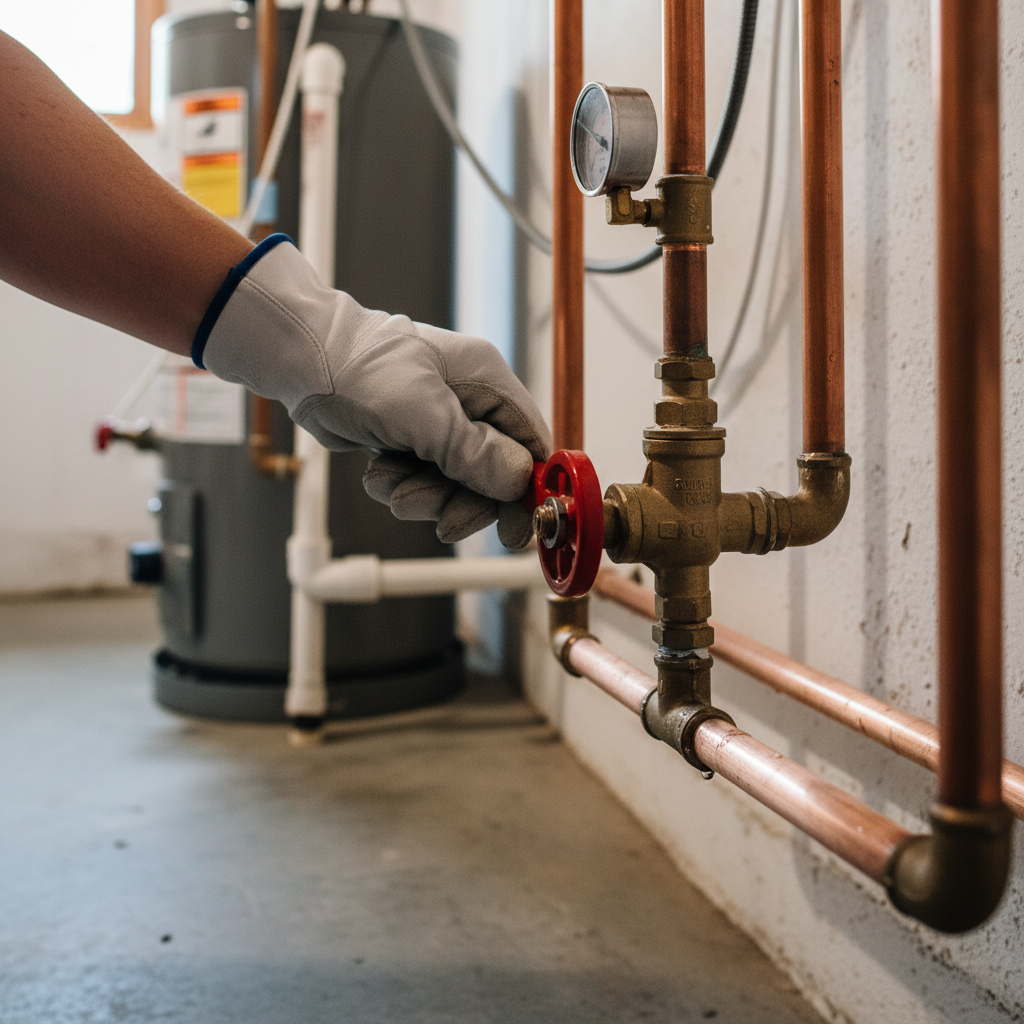
- Where to look: Most commonly found where the water main enters your house, often in the basement, crawl space, utility room, or garage. For homes on a slab, it might be in a recessed pit outside near the street. Look for a large valve with a round handle (gate valve) or a lever handle (ball valve).
- Identify type: Note if it's a gate valve (circular handle, usually red or green, turns multiple times) or a ball valve (lever handle, turns 90 degrees).
3. Inspect the Main Shut-Off Valve Position — A simple visual check can save hours.
- For a ball valve: The lever handle should be parallel to the pipe for the valve to be fully open. If it's even slightly angled, it's partially closed. If perpendicular, it's fully closed.
- For a gate valve: Turn the handle counter-clockwise until it stops without forcing it. The stem should be fully extended. If the handle feels loose or doesn't turn easily, it might be partially closed or seized.
4. Fully Open the Main Water Shut-Off Valve — Restore full flow.
- Ball valve: Gently push the lever handle until it is perfectly parallel with the water pipe. Do not apply excessive force.
- Gate valve: Turn the circular handle counter-clockwise slowly and steadily until it stops. Do not overtighten or force it past its natural stopping point. Observe if the stem rises as you turn it.
- Safety Note: If the valve is very old or corroded, rapid movement could cause a leak. Turn it slowly. If you encounter significant resistance or hear creaking/groaning, stop and proceed with caution.
5. Check Water Pressure After Adjustment — Test the results.
After fully opening the valve, go back to your kitchen sink or bathtub and turn on a cold water faucet. Flush a toilet. Observe if the water pressure has increased. It might take a minute or two for the pipes to fully repressurize.
6. Consider the Water Meter Valve — Another potential bottleneck.
- Separate valve: Many homes have a second shut-off valve located directly at the water meter, often owned by the utility company. This valve can also be partially closed or faulty.
- For municipal water users: Locate your water meter, usually outside near the street. There should be a valve on your side of the meter. If you suspect this valve, contact your water utility, as they may need to operate or inspect it.
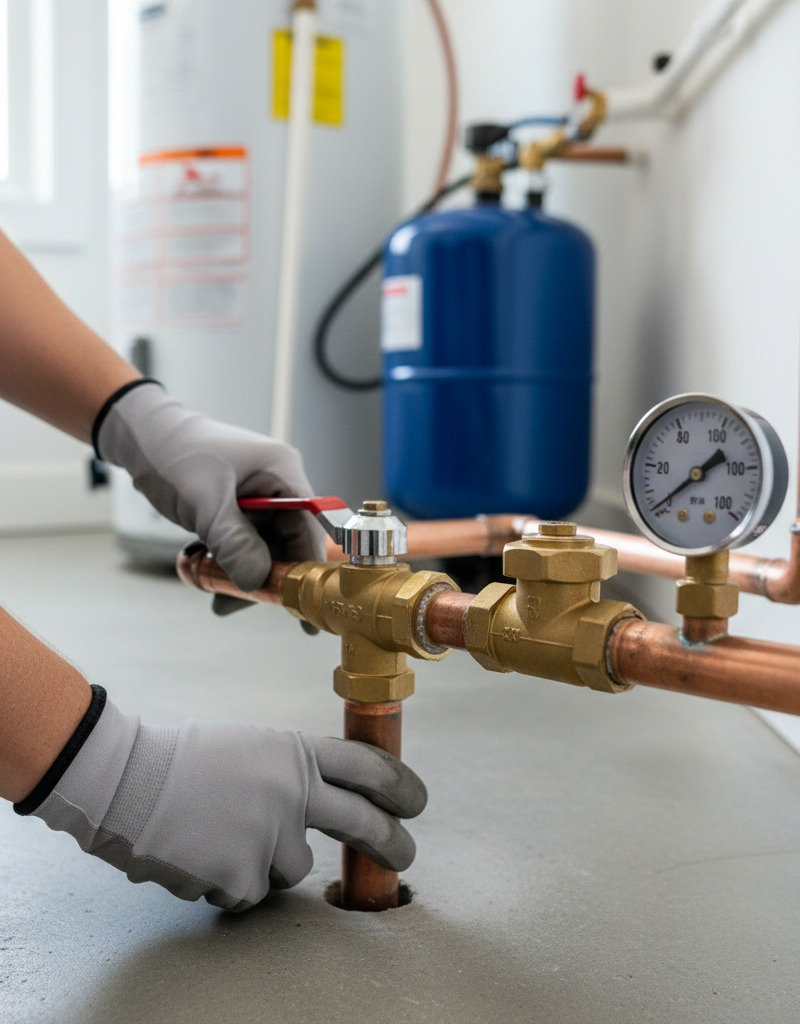
- For well users: Check the valve located immediately after your well pressure tank.
7. Address a Seized or Faulty Valve — When a simple turn isn't enough.
- Lubrication: For a stiff gate valve, try applying a penetrating oil (like WD-40) to the valve stem where it enters the packing nut. Let it sit for 15-30 minutes, then try turning gently.
- Exercising the valve: If it's only slightly stiff, try turning a gate valve slowly open and closed a few times to dislodge sediment. Do not do this if the valve feels extremely stuck or brittle.
- Pro Callout: If the valve is seized, leaking, or you can't turn it safely, it's best to call a licensed plumber to replace it. Forcing a stuck valve can lead to a burst pipe and significant water damage.
8. Check for Other Obvious Main Supply Issues — Broaden your diagnostic.
- Recent work? Did any recent plumbing work, landscaping, or utility work occur near your main water line or meter? It's possible the valve was accidentally turned or damaged.
- Neighborhood issue? Ask neighbors if they are also experiencing low pressure. If so, the problem might be with the municipal supply and out of your hands.
- Well System Specifics: If you have a well, check your well pump pressure gauge readings (should be between 40-60 PSI, typical). If low, your pressure tank or pump might be failing, or the pressure switch needs adjustment. This is a more complex issue requiring professional evaluation if you're not experienced with well systems.
Common Causes
- Partially Closed Main Shut-Off Valve: The most common and often overlooked cause. The valve may have been accidentally bumped, not fully opened after previous work, or slowly vibrated shut over time.
- Sediment Buildup in Gate Valve: Older gate valves can accumulate mineral deposits and sediment, which restrict the internal opening despite the handle appearing fully open.
- Faulty or Worn-Out Shut-Off Valve: Over decades, valves can degrade, and internal components might break or become misaligned, reducing flow even when fully open.
- Partially Closed Water Meter Valve: The valve on the homeowner's side of the water meter (often owned by the municipality) can also be partially closed or faulty, similar to the main house valve.
- Municipal Water Supply Issues: During peak demand, hydrant flushing, or a main break in your area, municipal pressure can temporarily drop. This would affect neighbors too.
- Well System Malfunction (if applicable): Issues with a well pump (failing, undersized), pressure tank (waterlogged, ruptured diaphragm), or pressure switch (incorrectly set or faulty) can cause low whole-house pressure.
Common Mistakes
- Assuming the Main Valve is Fully Open: Many homeowners just look at the handle and assume it's fully open, especially with gate valves where internal components can be compromised.
- Ignoring the Water Meter Valve: Forgetting to check the valve at the water meter, which can also restrict overall flow to the house.
- Immediately Suspecting Clogged Pipes: While possible, whole-house clogs are rare and typically manifest gradually with very old, corroded pipes. A sudden drop usually points to a single control point like a valve.
- Forcing a Seized Valve: Applying excessive force to a stuck gate valve can break the stem, cause the valve to leak uncontrollably, or damage the pipe, leading to an emergency and costly repair.
- Starting with Individual Fixture Diagnostics: Don't bother checking aerators or showerheads if the problem is affecting every water outlet in your home; that points to a main supply issue.
- Overlooking Recent Work: Not considering if recent plumbing, landscaping, or utility work could have inadvertently affected the main water line or valve.
Cost & Time Breakdown
| Task | DIY cost | Pro cost | Time |
|---|---|---|---|
| Initial diagnosis & valve check | $0 | $75–$150 | 20–30 mins |
| Main shut-off valve lubrication | $5–$10 | $100–$200 | 15–30 mins |
| Main shut-off valve replacement | $50–$250 (parts) | $300–$800+ (labor) | 2–4 hours |
| Well system pressure switch adj. | $0 | $150–$300 | 30–60 mins |
| Well pump/tank inspection/diag. | $0 | $200–$500 | 1–2 hours |
Tips & Prevention
- Locate and Label: Know the exact location of your main water shut-off valve and, if applicable, the valve at your water meter. Label them clearly.
- Exercise Annually: For gate valves, turn the handle fully open, then slowly close it about a quarter turn, and then open it fully again once a year. This helps prevent seizing and sediment buildup. Only do this if the valve turns smoothly.
- Install a Ball Valve: If you have an old gate valve, consider upgrading to a quarter-turn ball valve when it needs servicing or replacement. Ball valves are less prone to sediment buildup and easier to operate.
- Monitor Well System (if applicable): Regularly check the pressure gauge on your well system's pressure tank. Fluctuations or consistently low readings can indicate issues.
- Maintain Clear Access: Keep the area around your main shut-off valve clear of clutter, landscaping, or obstructions for easy access in an emergency or for maintenance.
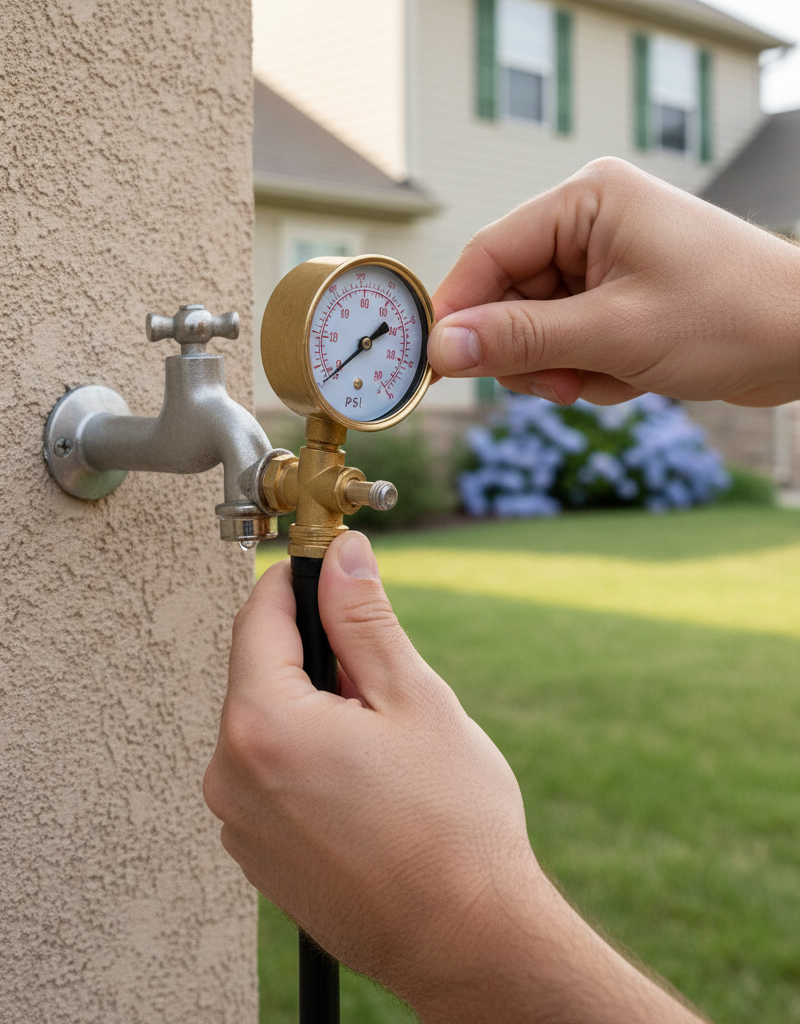
- Consider a Pressure Gauge: Invest in an inexpensive water pressure gauge ($10-$20) that attaches to an outdoor spigot. This allows you to monitor your home's incoming water pressure over time and establish a baseline.
When to Call a Professional
You should call a licensed plumber if you've checked your main shut-off valve and water meter valve and the pressure issue persists. Immediate professional help is also needed if your valve is seized, leaking, or you hear unusual noises (like banging or grinding) from your pipes or water heater. If you have a well system and suspect issues with the pump, pressure tank, or control box, a professional well technician or plumber with well system expertise is essential. Never attempt to replace a main shut-off valve yourself if you are not experienced, as it involves shutting off the main supply to your entire home and potentially breaching the water utility's infrastructure, which can lead to significant damage and liability. Also, any work involving changes to the main water line typically requires permits and must adhere to local codes.
Related Articles
Keep troubleshooting with these hand-picked guides from FixlyGuide:
- The #1 Mistake Homeowners Make When Diagnosing Low Water Pressure (It's Not Your Pipes!) — Low water pressure throughout your house often points to a single, easily overlooked culprit: your main water shut-off valve.
- The #1 Mistake Homeowners Make When Diagnosing Low Water Pressure (and What to Check First) — Before you call a plumber, learn the most common overlooked cause of low water pressure affecting your entire home and how to easily check…
- The Secret Culprit Behind Your Whole-House Low Water Pressure (It's Not Always the City) — Whole-house low water pressure can be a frustrating and complex issue, ranging from simple fixes homeowners can do to signs that require a…
- The 4 Hidden Reasons Your Entire Home Has Low Water Pressure (And the Easy Fixes) — Low water pressure throughout your entire home can be a frustrating and often misunderstood problem, with several common culprits. Learn to…
- The 4 Hidden Reasons Your Entire Home Has Low Water Pressure — Low water pressure throughout your house can stem from several hidden issues, ranging from municipal supply problems to your home's main sh…
- The 5-Minute Trick to Restore Your Kitchen Sink Sprayer's Lost Pressure — Restore your kitchen sink sprayer's low pressure with a quick, simple trick that often takes less than five minutes and requires no special…
Frequently asked questions
Why is my water pressure suddenly low throughout the house?+
The most common reason for a sudden drop in whole-house water pressure is a partially closed or faulty main water shut-off valve, or sometimes the valve at your water meter. It acts as a bottleneck, restricting water flow into your home.
How do I check my main water shut-off valve?+
Locate the valve where your water line enters your home (basement, utility room). If it's a ball valve (lever handle), ensure the handle is parallel to the pipe. If it's a gate valve (round handle), turn it counter-clockwise until it stops without forcing it, ensuring the stem is fully extended. Inspect for leaks or stiffness.
Can a faulty main shut-off valve cause low water pressure?+
Yes, absolutely. Over time, gate valves can accumulate sediment internally, even if the handle appears open. Ball valves can also fail or be partially closed, both causing a significant reduction in water volume and pressure to your entire home.
Should I try to replace my main shut-off valve myself?+
Replacing a main shut-off valve is an advanced plumbing task that usually requires specialized tools and expertise. It involves temporarily shutting off the main water supply to your home and potentially impacting the municipal connection. For safety and proper installation, it's highly recommended to call a licensed plumber for this job.
Discussion
Loading comments…