Tools & materials you'll need
Affiliate linksAs an Amazon Associate FixlyGuide earns from qualifying purchases — at no extra cost to you. Prices and availability are accurate as of publication and subject to change.
Quick Answer
An extension cord repeatedly tripping a circuit breaker isn't just an annoyance; it's your electrical system trying to tell you something important. This usually points to one of three core issues: an overloaded circuit, a short circuit within the extension cord or the device plugged into it, or (less commonly) a faulty circuit breaker. The most frequent cause is simply drawing too much power through the extension cord for the circuit it's connected to handle. Think of it like trying to fit too many groceries into one small bag – eventually, the bag breaks. The circuit breaker acts as that safety mechanism, shutting off power to prevent overheating and potential fire hazards.
The Problem
You've plugged in your trusty extension cord, connected your power tool or appliance, and click – the lights go out, and the circuit breaker panel groans. Resetting the breaker only offers a temporary reprieve, as the cycle repeats. This isn't just an inconvenience; it's a safety warning from your home's electrical system. A tripping breaker indicates an electrical fault or an overload condition that can lead to wire damage, appliance failure, or even a house fire if not addressed. You're likely dealing with either too much demand on a single circuit, a hidden short in the wiring, or a problem with the device itself. Ignoring these repeated trips escalates the risk, so understanding the 'why' is crucial for a safe and lasting fix.
How It Works
Understanding why your extension cord trips a breaker requires a basic grasp of how your home's electrical system and the circuit breaker itself function.
In your home, electricity flows from the utility pole, through your electrical meter, and into your main service panel (breaker box). From there, it's distributed into various individual circuits, each protected by its own circuit breaker. Each circuit is designed to safely carry a specific amount of electrical current, measured in amperes (amps). Common household circuits are rated for 15 or 20 amps, though some dedicated circuits, like those for an electric range or central air conditioner, might be 30 amps or higher.
When you plug an appliance or tool into an outlet, it draws current from that circuit. An extension cord simply extends this connection, allowing you to use a device further away from the outlet. The key principle here is 'load.' Every device adds to the load on a circuit. If the combined load (current draw) of all devices simultaneously operating on a single circuit – including anything plugged into an extension cord – exceeds the breaker's amperage rating, the breaker will trip. This is an 'overload' condition.
Circuit breakers are essentially safety switches. Inside a thermal-magnetic circuit breaker (the most common type in homes), there are two main tripping mechanisms:
- Thermal Trip: This mechanism protects against overloads. It uses a bimetallic strip that heats up and bends when current exceeds the rated amperage for a sustained period. As it bends, it mechanically trips the breaker, interrupting the circuit. This is a delayed trip, designed to allow for brief surges (like a motor starting up) without nuisance tripping.
- Magnetic Trip: This mechanism protects against short circuits. A short circuit is an unintended, low-resistance path for electricity, causing a sudden and massive surge of current. An electromagnet within the breaker instantly detects this surge and trips the breaker almost instantaneously, preventing damage from extreme current flow.
An extension cord can contribute to both tripping scenarios. If the cord is too long, too thin (under-gauged for the load), or damaged, it can create resistance, generate heat, and effectively add to an overload situation. A damaged cord exposing bare wires can also create a direct short circuit, causing an instant trip. Your goal is to identify which scenario is causing the problem and address it safely.
Step-by-Step Fix
Safety Note: Always disconnect power to the outlet at the main breaker panel before inspecting or working directly with outlets or wiring. If you're unsure at any point, do not proceed; call a licensed electrician. Electrical work can be dangerous and lead to serious injury or fire if done improperly.
1. Reduce the Circuit Load — The most common cause of nuisance tripping.
- What to do: If the breaker trips immediately when you plug something into the extension cord, or shortly after, the circuit is likely overloaded. Unplug all non-essential devices from the circuit (including other outlets in the room that may be on the same circuit). Then, try plugging only the high-draw device into the extension cord and then into the wall. If it works, you've confirmed an overload. You'll need to redistribute your devices to other circuits or use fewer devices simultaneously.
- If this doesn't work: The issue might be more specific to the extension cord or the device.
2. Inspect the Extension Cord for Damage — A visually obvious but often overlooked culprit.
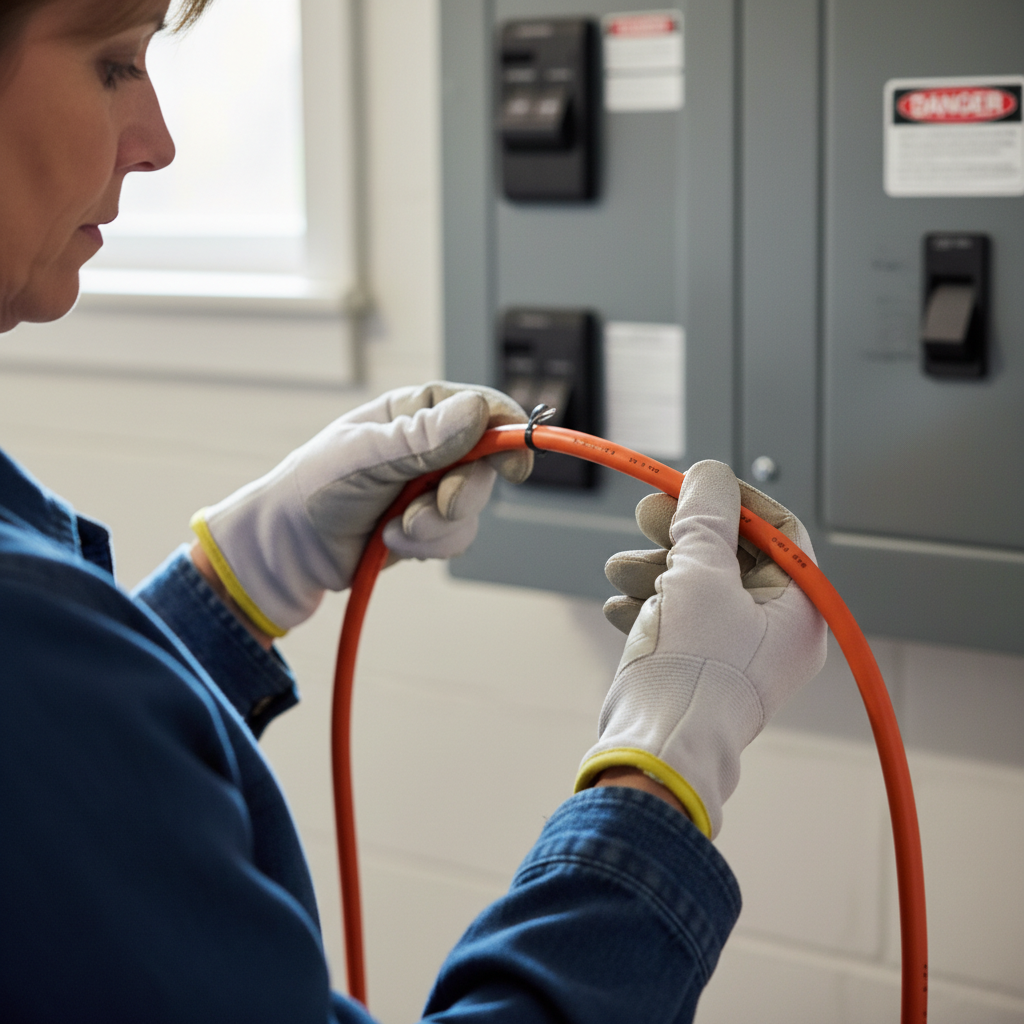
- What to do: Unplug the extension cord completely from both the wall and any devices. Carefully examine the entire length of the cord. Look for:
- Cuts, nicks, or abrasions in the outer insulation.
- Cracked or brittle insulation, especially near the plugs.
- Flattened or pinched sections.
- Discoloration or melted spots, indicating overheating.
- Bent or loose prongs on the plug.
- Safety: Never use a damaged extension cord. Frayed wires can cause shorts, shocks, or fires.
- If damage is found: Discard the cord immediately and replace it with a new one of appropriate gauge and length (see step 3).
3. Verify Extension Cord Rating and Usage — Using the wrong cord is a frequent mistake.
- What to do: Check the gauge (AWG) and amperage rating of your extension cord. Thicker wires have lower AWG numbers and can handle more current. Ensure the cord's rating is equal to or greater than the power requirements of the device you're plugging into it. For example, a 16-gauge light-duty cord is fine for lamps, but heavy-duty tools like circular saws or space heaters require a 12- or 14-gauge cord. Also, avoid 'daisy-chaining' multiple extension cords together, as this increases resistance and fire risk.
- Understanding Amps: Look for the amperage (A) or wattage (W) rating on your device. To convert watts to amps: Amps = Watts / Volts (typically 120V in the US). Add up the amperage of all devices on the cord and ensure it's less than the cord's rating AND the wall circuit's rating.
- Outdoor vs. Indoor: Ensure you're using an outdoor-rated cord (often black or orange with a 'W' or 'SJOW' marking) for outdoor applications.
- If the cord is inadequate: Replace it with an appropriate heavy-duty extension cord.
4. Isolate the Problematic Device — Often, the connected appliance is the real issue.
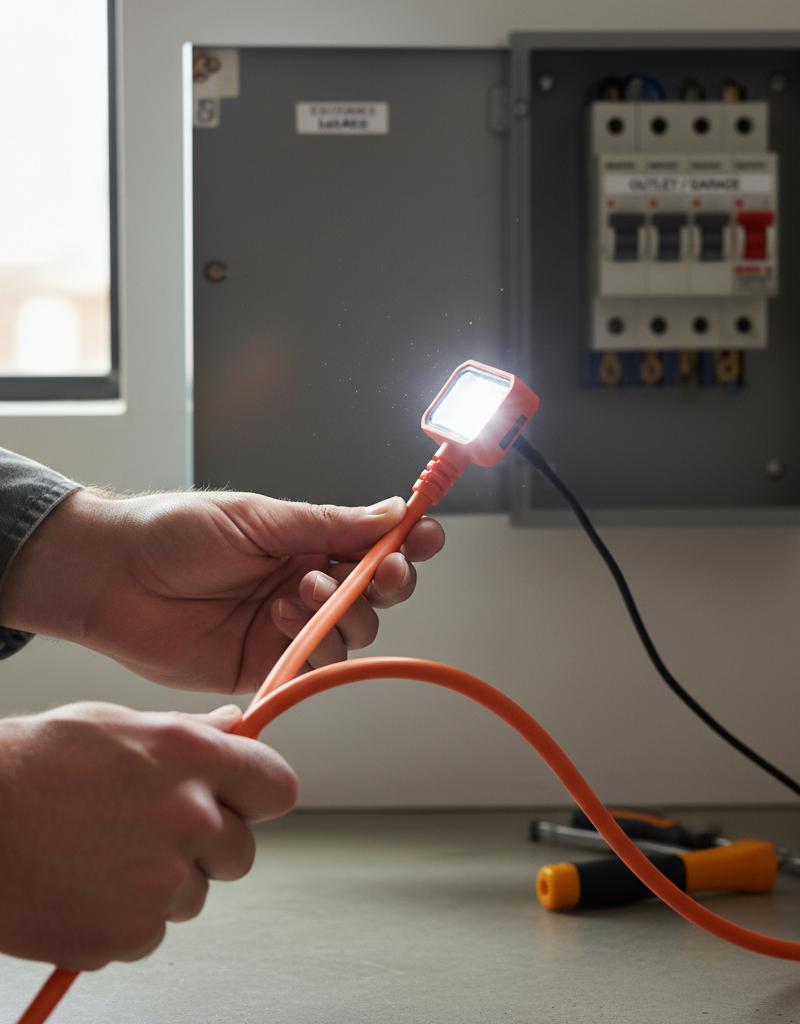
- What to do: Plug the extension cord into the wall outlet, but do not plug any device into the cord's receptacle yet. Reset the breaker. If the breaker holds, the extension cord itself is likely good. Now, carefully plug only one device into the extension cord. If the breaker trips immediately, that device is the probable culprit, indicating an internal short or a fault. If it doesn't trip, unplug the first device and try another.
- Power cycling: If the device is motorized, turn it on and off a few times to see if it initially works but then trips. This can indicate a motor drawing too much starting current.
- If a device is faulty: Professional repair is often needed, or the device may need to be replaced. Do not continue to use a device that trips a breaker.
5. Test the Wall Outlet — Sometimes the receptacle itself is faulty.
- What to do: Unplug the extension cord and any devices. Plug a different, known-good appliance (like a lamp) directly into the wall outlet where you were using the extension cord. If this appliance also causes the breaker to trip, then the issue isn't the extension cord or your primary device, but rather the wall outlet or the wiring behind it.
- Visual Inspection: With the breaker OFF for that circuit, carefully examine the outlet for burn marks, loose connections, or unusual smells.
- If the outlet is faulty: This requires professional attention. Call a licensed electrician.
6. Test the Circuit Breaker Itself — A less common but possible cause.
- What to do: If you've ruled out the extension cord, the device, and the wall outlet, the circuit breaker itself might be weak or faulty. A common test is to swap the suspect breaker with a known-good breaker of the exact same amperage and type from a less critical circuit (e.g., a bedroom light circuit). Alternatively, plug a known high-draw device (that you know works without tripping on another circuit) into the suspect circuit without an extension cord. If it trips immediately, the breaker is likely the problem.
- Professional diagnosis: It's best to have an electrician diagnose and replace a faulty breaker. Incorrect replacement can be dangerous.
Common Causes
- Circuit Overload: By far the most common reason. Too many high-wattage devices (space heaters, vacuums, hair dryers, power tools) are plugged into a single circuit, exceeding its amperage rating, often exacerbated by an extension cord.
- Damaged Extension Cord: Knicks, cuts, or crushed sections in the cord's insulation can expose wires, creating a direct short circuit or excessive resistance and heat.
- Under-gauged Extension Cord: Using a thin, light-duty extension cord for heavy-duty appliances means the cord can't safely carry the required current, leading to overheating and tripping, even if the circuit isn't technically overloaded at the panel.
- Faulty Appliance/Tool: The device plugged into the extension cord has an internal short circuit, a worn-out component, or a motor drawing excessive current (especially during start-up), which triggers the breaker.
- Faulty Wall Outlet: Loose connections or internal damage within the wall receptacle can create a short or an arc fault, tripping the breaker.
- Weak/Failing Circuit Breaker: Over time, circuit breakers can weaken, becoming more sensitive and tripping at currents below their rated amperage, even when there isn't a true overload or short.
Common Mistakes
- Ignoring the Problem: Repeatedly resetting a tripping breaker without investigating the cause is extremely dangerous. It risks overheating wires, damaging appliances, and potentially starting a fire.
- Daisy-Chaining Cords: Connecting multiple extension cords end-to-end increases resistance and voltage drop, which can cause overheating and fire. Always use a single cord of the appropriate length.
- Using Indoor Cords Outdoors: Indoor cords are not designed to withstand moisture, UV exposure, or temperature extremes. Using them outdoors is a shock and fire hazard.
- Overlooking Cord Gauge: Assuming all extension cords are the same and using a light-duty cord for a heavy-duty application. Always match the cord's gauge to the device's power requirements.
- Running Cords Under Rugs/Through Doorways: This can damage the cord insulation, create a tripping hazard, and prevent heat from dissipating, leading to overheating.
- Overloading Power Strips: Plugging too many devices (especially high-wattage ones) into a power strip that is then plugged into an extension cord, leading to a compounded overload on the circuit.
Cost & Time Breakdown
| Task | DIY cost | Pro cost | Time |
|---|---|---|---|
| Diagnose Overload/Cord Damage | $0 | $75–$150 | 15–30 minutes |
| Replace Extension Cord | $15–$60 | $0 (DIY part) | 5 minutes |
| Replace Faulty Appliance | $50–$500+ | $0 (DIY part) | 5 minutes |
| Outlet Inspection/Replacement | $5–$20 (part) | $150–$300+ | 30 min – 1 hour |
| Circuit Breaker Replacement | $10–$50 (part) | $180–$400+ | 1–2 hours |
| Full Circuit Diagnosis | $0 (DIY effort) | $150–$350 | 1–3 hours |
Tips & Prevention
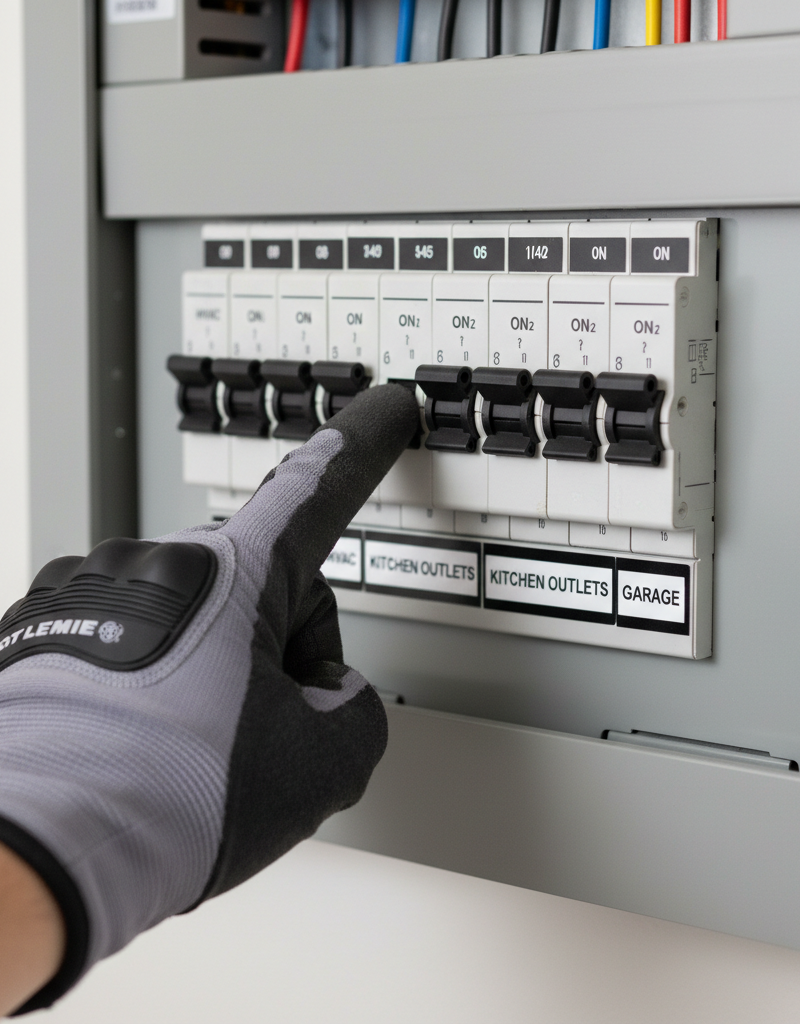
- Understand Your Circuits: Learn which outlets and lights are on which circuit in your home by flipping breakers one by one and checking which areas lose power. Label your breaker panel clearly.
- Match Cord to Load: Always use an extension cord with a gauge appropriate for the device's wattage/amperage. When in doubt, go thicker (lower AWG number).
- Shortest Cord Possible: Use the shortest extension cord that can safely reach your destination to minimize voltage drop and resistance.
- Regular Inspection: Periodically inspect all extension cords for wear, damage, or overheating signs. Discard damaged cords immediately.
- Avoid Permanent Use: Extension cords are for temporary use only, not as a substitute for permanent wiring. If you consistently need power in a certain spot, consider having an electrician install a new outlet.
- Use GFCI/AFCI Outlets: For wet areas (kitchens, bathrooms, outdoors) or critical circuits (bedrooms), ensure you have Ground Fault Circuit Interrupters (GFCIs) and Arc Fault Circuit Interrupters (AFCIs). These provide enhanced protection against shocks and fires.
When to Call a Professional
You should immediately call a licensed electrician if you encounter any of the following: persistent tripping after performing the basic diagnostic steps; a burning smell coming from outlets, extension cords, or the breaker panel; sparks or smoke; an outlet that feels hot to the touch; or any uncertainty or discomfort with performing electrical tests yourself. Also, if you suspect the issue is with the wall outlet wiring, the main service panel, or a faulty circuit breaker, professional intervention is necessary to ensure safety and code compliance. Do not attempt to open a wall or work inside your electrical panel without proper expertise.
Frequently asked questions
Why does my extension cord keep tripping the breaker?+
Your extension cord likely keeps tripping the breaker due to an overloaded circuit (too many devices drawing power), a damaged extension cord (internal short), or a faulty appliance plugged into the cord. The breaker acts as a safety device to prevent overheating and potential fires.
How do I know if the extension cord or the appliance is causing the trip?+
To determine this, first unplug everything. Plug only the extension cord into the wall—if it trips, the cord is faulty. If it holds, plug one appliance into the extension cord. If it then trips, the appliance is likely the problem. If not, try another appliance, isolating the culprit.
Can an old extension cord cause a breaker to trip?+
Yes, an old extension cord can certainly cause a breaker to trip. Over time, the insulation can crack, wires can fray or become damaged internally, leading to a short circuit or increased resistance, which can overload the circuit or cause a fault.
Discussion
Loading comments…