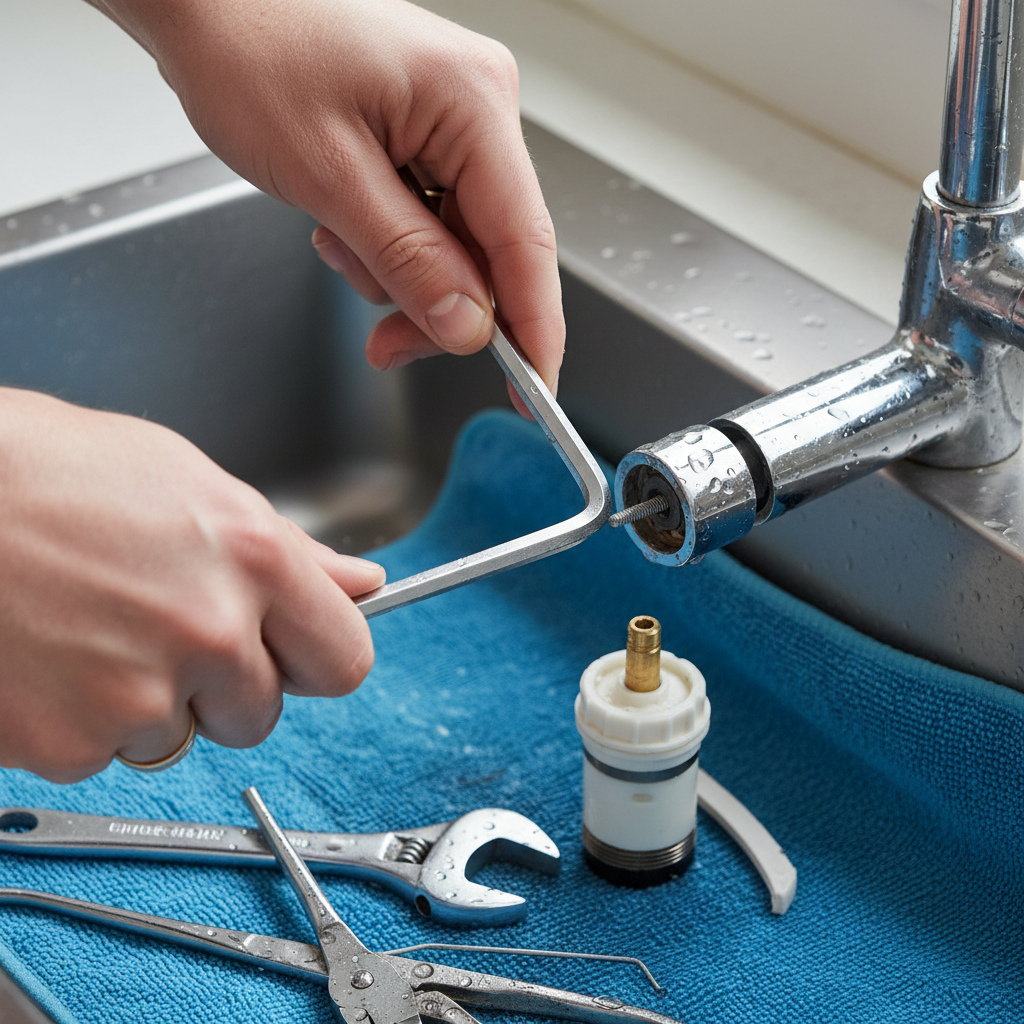
Tools & materials you'll need
Affiliate linksAs an Amazon Associate FixlyGuide earns from qualifying purchases — at no extra cost to you. Prices and availability are accurate as of publication and subject to change.
Quick Answer
Most single-handle faucet leaks stem from a faulty cartridge, the cylindrical component inside the faucet body that controls water flow and temperature. Replacing the cartridge involves shutting off the water supply, disassembling the handle and decorative trim, carefully removing the old cartridge, and installing a new, compatible one. This common DIY repair typically takes 30-60 minutes for a homeowner with basic tools and costs $20-$50 for the replacement part. Ignoring a persistent drip can waste hundreds of gallons of water annually and lead to higher utility bills.
The Problem
That rhythmic drip... drip... drip from your kitchen or bathroom faucet isn't just annoying; it's a silent drain on your wallet and a sign of a failing internal component. For single-handle faucets, which dominate modern homes for their convenience and sleek design, the culprit is almost always a worn-out or damaged cartridge. Unlike older two-handle faucets that rely on separate compression washers, single-handle models use a single, intricate cartridge to regulate both hot and cold water flow and mixing. When this cartridge fails, water can seep past its seals, leading to those irritating drips from the spout or even leaks around the base of the handle. Addressing this promptly saves water, prevents potential cabinet damage from unnoticed leaks, and restores peace to your home.
How It Works
A single-handle faucet uses a ceramic disc or ball cartridge to control water flow and temperature. When you lift the handle, it moves the cartridge, aligning openings within the ceramic discs or rotating the ball valve. This alignment allows hot and/or cold water to enter the faucet body and flow out of the spout. Moving the handle from side to side adjusts the mix of hot and cold water. Inside the cartridge, rubber O-rings or seals create tight barriers, preventing water from escaping unintentionally. Over time, these seals can harden, crack, or accumulate mineral deposits, especially in areas with hard water. The ceramic discs themselves can also chip or wear down. When any of these components fail, the cartridge can no longer create a perfect seal, allowing water to drip past the barrier even when the faucet is in the 'off' position. Understanding this mechanism is key to diagnosing and fixing the common drip associated with these popular fixtures.
Step-by-Step Fix
-
Safety First: Shut Off Water Supply — Locate the hot and cold water shut-off valves directly under the sink. Turn them clockwise until they are completely closed. Before proceeding, open the faucet handle on both hot and cold settings to drain any remaining water from the lines and confirm the water is off. This prevents unexpected floods during the repair.
- If you can't find shut-off valves or they don't work: You'll need to shut off the main water supply to your house. This is usually located near your water meter or where the main water line enters your home. If you're unsure, consult a professional.
-
Protect Your Workspace — Place a towel or cloth in the sink drain to prevent small parts from falling in. Lay another towel on the countertop and in the cabinet below to catch any drips and protect surfaces.
-
Remove the Handle — Most single-handle faucets have a decorative cap or screw cover on the handle. Use a small flathead screwdriver or an Allen wrench (hex key) to gently pry off the cap or loosen the set screw. The screw typically faces the back of the faucet or is hidden under a small plastic button. Once the screw is removed or loosened, the handle should lift straight off.
- If the handle is stuck: Apply a small amount of penetrating oil to the screw area and let it sit for a few minutes. Gentle wiggling or tapping with a rubber mallet might help free it.
-
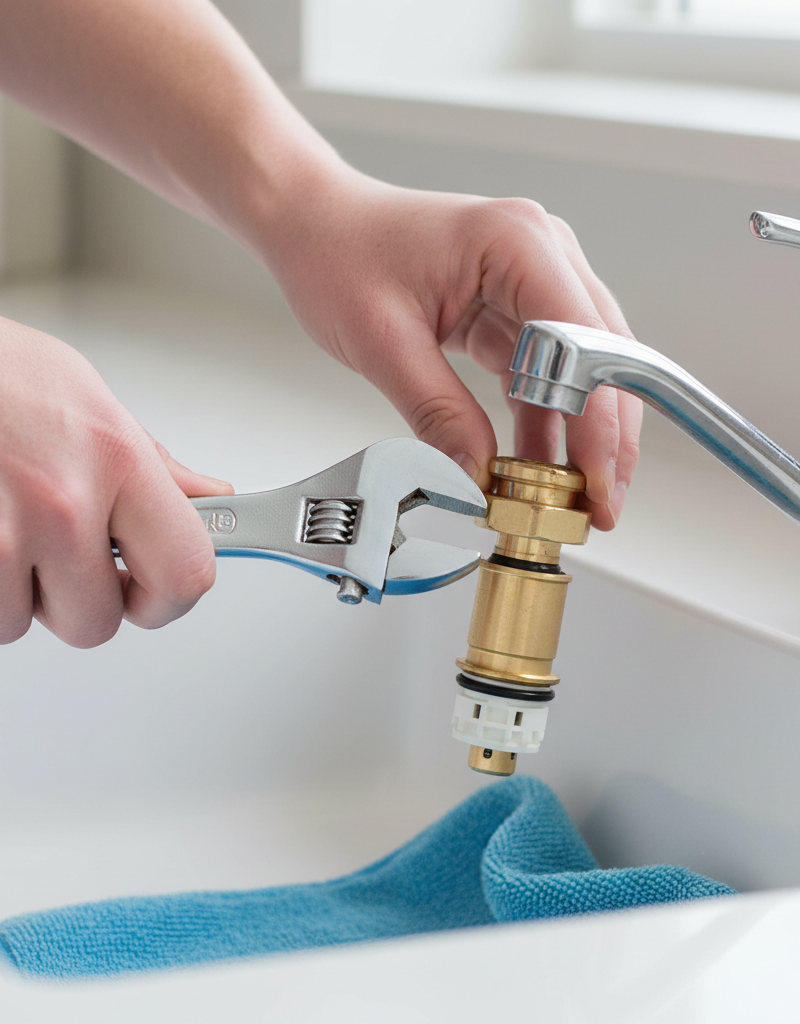
Remove Decorative Trim & Cover (If Applicable) — Beneath the handle, you might find a decorative escutcheon (cover plate) or a temperature limit stop. These typically unscrew by hand or with a pair of channel-lock pliers (use a cloth to protect the finish). Remove any packing nuts or retaining rings that secure the cartridge in place.
-
Remove the Old Cartridge — This is the core of the repair. Depending on your faucet model, the cartridge might simply lift out, or it may be held in place by a retaining nut, clips, or a threaded collar. Look for a hexagonal nut at the base of the cartidge or small clips. Use a pair of pliers (needle-nose for clips, adjustable for nuts) to remove these fasteners. Gently pull the cartridge straight up and out. Note its orientation—some cartridges have a specific keyway or alignment pin.
- If the cartridge is stubborn: It might be seized by mineral deposits. Gently rock it side-to-side with pliers. Some manufacturers offer a specialized cartridge pulling tool, which can be a worthwhile investment if you struggle.
-
Identify and Purchase a Replacement Cartridge — Take the old cartridge to a plumbing supply store or a well-stocked hardware store. It's crucial to get an exact match. Faucet manufacturers use proprietary cartridges, so a generic one likely won't fit or function correctly. Note the brand and model of your faucet if possible (often printed on the underside of the spout or on the original receipt/box).
- Pro Tip: Take a clear photo of the faucet and the old cartridge with your phone for easy reference.
-
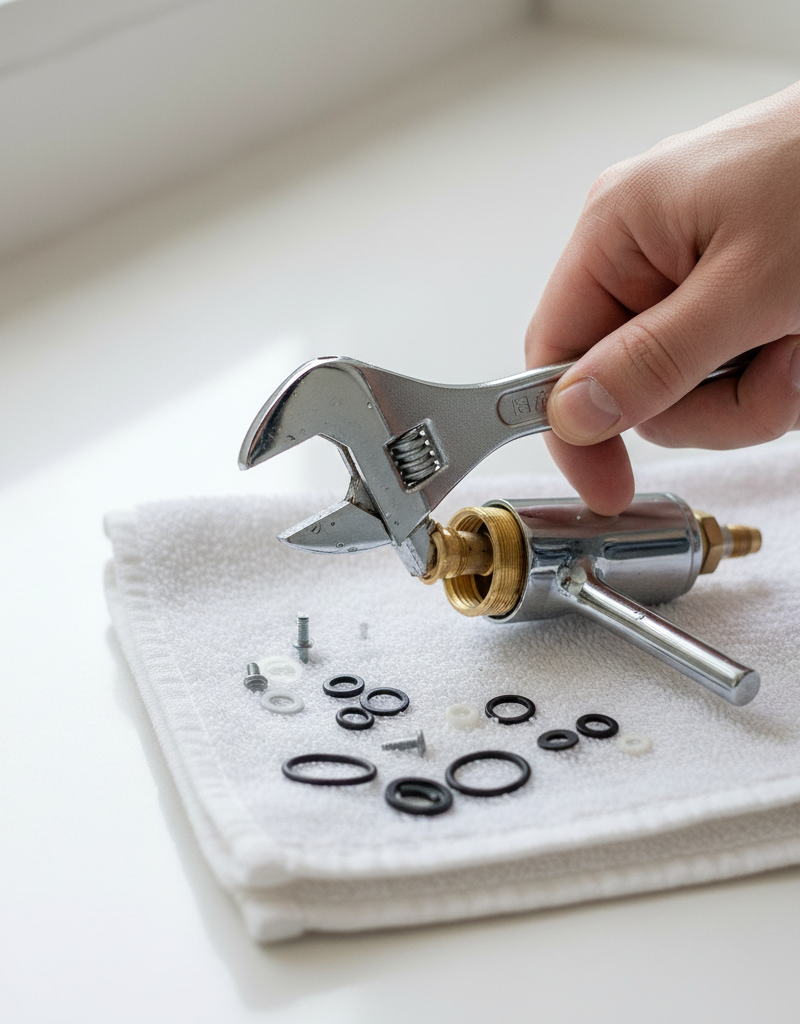
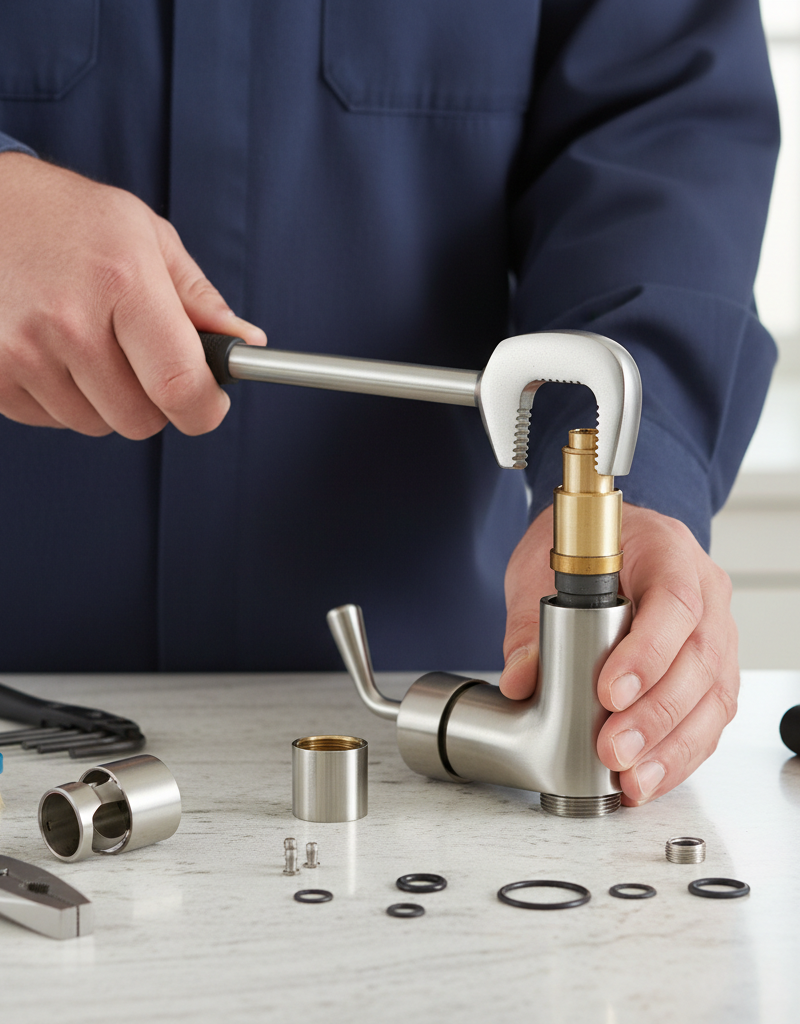
Install the New Cartridge — Before inserting the new cartridge, clean out any sediment or mineral buildup inside the faucet body opening with a small brush or old toothbrush. Apply a thin layer of plumber's grease to the O-rings of the new cartridge (if not pre-lubricated) to ease installation and improve sealing. Carefully insert the new cartridge, ensuring it's oriented correctly (match any alignment tabs or keyways with the faucet body). It should slide in smoothly without excessive force.
-
Reassemble the Faucet — Reinstall any retaining clips, nuts, or threaded collars that hold the cartridge in place. Tighten them securely but don't overtighten, as this can damage the cartridge or faucet body. Replace the decorative trim, then the handle, securing it with its set screw or cap.
-
Restore Water Supply & Test — Slowly turn the hot and cold water shut-off valves back on under the sink. Turn them counter-clockwise until fully open. Before testing the faucet, check for any visible leaks around the base or spout. Then, open the faucet handle to a medium flow for both hot and cold water. Let it run for a minute to flush out any air in the lines. Check for drips from the spout or leaks around the handle base. Operate the handle through its full range of motion to ensure smooth operation and proper temperature mixing.
- If the faucet still drips: The new cartridge might be defective, or there might be residual debris. Re-check all connections and cartridge seating. If the problem persists, you may need to try another new cartridge or consider professional help.
Common Causes
- Worn-out Cartridge Seals/O-rings: Over time, the rubber O-rings or internal seals within the cartridge can degrade, harden, or crack due to age, chemical exposure, or mineral buildup. This is the single most common reason for a leaky single-handle faucet.
- Mineral Buildup (Hard Water): In areas with hard water, calcium and magnesium deposits can accumulate on the cartridge's internal components or seating surfaces. These deposits prevent the seals from creating a perfect watertight barrier, leading to drips.
- Damaged Ceramic Discs: Many modern cartridges use ceramic discs to control flow. If these discs become chipped, scratched, or worn, they can't effectively block water flow, resulting in a leak.
- Improper Cartridge Installation: If a new cartridge isn't seated correctly or if its retaining clips/nuts aren't tightened properly, it can leak from day one.
- Manufacturing Defects: While rare, a brand new faucet or cartridge can sometimes have a manufacturing defect that causes a leak prematurely.
Common Mistakes
- Not Shutting Off Water Completely: Forgetting to turn off both hot and cold water supply lines, or not ensuring they are fully closed, can lead to a messy surprise when you disassemble the faucet.
- Using the Wrong Replacement Cartridge: Faucet cartridges are highly specific to the brand and model. Trying to force a generic or incompatible cartridge will likely result in continued leaks or damage to the faucet body. Always match the old cartridge exactly.
- Overtightening Components: Applying excessive force when tightening retaining nuts, screws, or the handle can strip threads, crack plastic components, or deform rubber seals, causing new leaks or making future repairs harder.
- Forgetting to Clean Faucet Body: Leaving mineral deposits or debris inside the faucet body before installing a new cartridge can prevent the new seals from seating properly, leading to an immediate leak.
- Losing Small Parts: The tiny set screws, O-rings, and clips are essential. Not protecting the drain opening or keeping track of disassembled parts on a clean surface can lead to frustration and delays.
- Ignoring the Leak: A seemingly small drip might waste hundreds of gallons of water per year, leading to higher water bills and potential water damage to cabinets over time if left unaddressed.
Cost & Time Breakdown
| Task | DIY Cost | Pro Cost | Time |
|---|---|---|---|
| Cartridge Replacement | $20–$50 | $150–$300 (parts+labor) | 30–60 minutes |
| Tools & Materials | $0–$30 (if buying basics) | Included | 0 |
| Cleanup & Testing | $0 | Included | 15 minutes |
| Total (DIY) | $20–$80 | 45–75 minutes |
Tips & Prevention
- Identify Faucet Brand and Model: Before disassembly, try to identify your faucet's brand and model number. This makes finding the correct replacement cartridge much easier. Look for labels on the faucet body, original packaging, or manufacturer's website.
- Keep Spare Parts: If you live in an area with particularly hard water and have multiple similar faucets, keeping a spare cartridge on hand can save you a trip to the store when a leak occurs.
- Regular Cleaning: Periodically clean the aerator (the screen at the end of the spout) to remove sediment and mineral buildup. While not directly related to the cartridge, keeping the faucet clean ensures overall longevity.
- Gentle Operation: Avoid forcing the faucet handle. While built to be durable, excessive force can prematurely wear internal components.
- Consider a Water Softener: If you have consistently hard water, installing a whole-house water softener can significantly extend the life of all your plumbing fixtures, including faucet cartridges.
- Monitor for Drips: Conduct a quick visual check of all your faucets regularly. Catching a small drip early can prevent it from escalating into a larger issue or causing water damage.
When to Call a Professional
While replacing a faucet cartridge is a manageable DIY task for most homeowners, there are specific situations where calling a licensed plumber is the wiser—and often safer—choice. If you cannot locate or successfully shut off the water supply valves under the sink or to your entire house, do not proceed with the repair, as this could lead to significant water damage. Similarly, if the faucet cartridge is completely seized and you've tried all methods to remove it without success, forcing it further could damage the faucet body, requiring an entirely new faucet installation. If, after replacing the cartridge, the leak persists or new leaks appear, it could indicate a more complex issue with the faucet body itself or underlying plumbing. Any signs of water damage in the cabinet below the sink that suggest a more extensive leak should also prompt a call to a professional. Finally, if you're working with an antique or specialty faucet, a plumber experienced with unique fixtures can help preserve its integrity and function.
Related Articles
Keep troubleshooting with these hand-picked guides from FixlyGuide:
- The 5-Minute Trick to Stop a Dripping Single-Handle Faucet (No Plumber Needed) — A persistent drip from your single-handle faucet is usually caused by a worn-out cartridge, a repair you can typically complete yourself in…
- The $5 Single-Handle Faucet Fix Most Homeowners Ignore (And Pros Charge $200 For) — A single-handle leaky faucet can often be fixed with a simple, inexpensive DIY repair, saving you hundreds on a plumber.
- The $5 Secret to Fixing Your Drip: Why Single-Handle Faucets Leak (and the O-Ring Trick) — A persistent drip from your single-handle faucet is often caused by worn-out O-rings or seals, a common issue with a simple, inexpensive DI…
- The $5 Single-Handle Faucet Fix Plumbers Don't Want You to Know — Stop that annoying drip! Most single-handle faucet leaks are caused by worn-out O-rings or seals, a repair homeowners can easily tackle in…
- That Annoying Water Heater Popping Sound? It's Trying to Tell You This One Thing — A popping water heater usually signals a common issue: sediment buildup. Learn why it happens and how to fix it with a simple flush.
- The Hidden Reason Your Sprinkler System Won't Start (And Why It's Not the Controller) — Before you blame the controller, learn this common, overlooked reason your sprinkler system isn't starting and how to fix it with basic too…
Get the print-ready PDF of this guide
A clean, ad-free, printable version you can keep on your phone or pin to the workshop wall. We'll also send occasional weekly tips matched to your home situation.
- Print-optimized layout
- Tools, materials & every step included
- Unsubscribe anytime
Frequently asked questions
Why is my single-handle faucet dripping after I turn it off?+
A persistent drip usually indicates that the internal cartridge, which controls water flow and temperature, has worn-out seals or has become clogged with mineral deposits. These issues prevent the cartridge from creating a watertight seal when the faucet is closed.
How do I know what type of cartridge my faucet needs?+
The best way is to shut off the water, remove the old cartridge, and take it to a plumbing supply or hardware store for an exact match. Note the faucet's brand and model if possible, as cartridges are typically proprietary.
Can I use plumber's tape to stop a leaky faucet?+
Plumber's tape (PTFE tape) is used to seal threaded pipe connections, not to stop a drip from the faucet spout itself. A spout drip is an internal cartridge issue, while leaks from threaded connections can sometimes be addressed with plumber's tape or pipe joint compound.
How much does it cost to replace a faucet cartridge?+
The cost of a new replacement cartridge typically ranges from $20 to $50, depending on the faucet brand and model. If you hire a professional plumber, the total cost, including labor, could be $150 to $300.
Discussion
Loading comments…