Tools & materials you'll need
Affiliate linksAs an Amazon Associate FixlyGuide earns from qualifying purchases — at no extra cost to you. Prices and availability are accurate as of publication and subject to change.
Quick Answer
Before you dive into complex wiring diagrams or replace your expensive sprinkler controller, understand that a non-starting sprinkler system often points to two surprisingly simple culprits: a faulty rain sensor or a common wire issue. While the controller might seem like the obvious problem, it's frequently just following instructions from a 'stuck' rain sensor or unable to communicate with the valves due to a broken common wire. This article will guide you through diagnosing and fixing these common, overlooked issues, potentially saving you a costly professional service call.
The Problem
Your sprinkler system is dead. The controller display is on, perhaps even cycling through its programmed schedule, but no water comes out. None of the zones activate. You’ve checked the water supply, the main shut-off valve is open, and you've tried manually starting a zone from the controller, all to no avail. This frustrating scenario often leads homeowners to immediately suspect the controller itself because it's the 'brain' of the operation. However, in many cases, the controller is simply doing what it's told – or rather, not doing what it's told due to an external signal or a break in the communication line to the valves. When all zones fail to start, it's rarely an individual valve issue; it points to a problem affecting the entire system's ability to activate.
How It Works
To understand why your system isn't starting, it helps to grasp the basic principles of how a typical residential sprinkler system operates. At its core, the system consists of a controller, a master valve (optional but common), individual zone valves, and the sprinkler heads.
-
The Controller: This is the 'brain.' It's essentially a timer that sends a low-voltage (usually 24-volt AC) electrical signal to open specific zone valves according to a programmed schedule. Each zone has a dedicated terminal on the controller.
-
The Common Wire: This is arguably the most critical wire in the entire system, yet it's often overlooked. Every zone valve solenoid has two wires: a 'hot' wire (typically a different color for each zone, connecting to a zone terminal on the controller) and a common wire (usually white, connecting to the 'common' or 'C' terminal on the controller). For a solenoid to open its valve, it needs a complete 24V AC circuit – meaning both the hot wire and the common wire must be intact and connected to the controller. If the common wire breaks or detaches anywhere along its path, all zones will fail to activate, even if the individual hot wires are perfectly fine.
-
Zone Valves and Solenoids: Each zone valve is controlled by a solenoid, which is an electromagnetic device. When the controller sends 24V AC power to the solenoid via the zone's hot wire and the common wire, an electromagnet is created. This pulls a small plunger inside the solenoid, which in turn lifts a diaphragm inside the valve, allowing water pressure to open the valve and flow to the sprinkler heads in that zone.
-
Rain Sensors: These are crucial safety and water-saving devices. Most modern rain sensors are wired in series with the common wire (or sometimes directly into a dedicated sensor port on the controller). When the sensor detects a specified amount of rainfall, it breaks the electrical circuit, preventing the controller from sending power to any of the zone valves, thus shutting down the entire system to avoid overwatering. Common types include expansion disc sensors (discs absorb water and expand, activating a switch) or tipping bucket sensors (water fills a bucket, tipping it to activate a switch). If these sensors get stuck, clogged, or malfunction, they can permanently break the circuit, making your controller think it's always raining.
Understanding this circuit path – controller to sensor (if present) to common wire to zone solenoids – is key to diagnosing a system-wide failure where no zones activate.
Step-by-Step Fix
Safety Note: Always disconnect power to the sprinkler controller before working with any wiring. While the voltage is low (24V AC), it's good practice, and you'll be dealing with electrical connections near water.
-
Check the Controller's Basic Functions – Confirm power and programming
- Ensure the controller has power. Does the display light up? Can you navigate menus? If not, check the power outlet or the controller's transformer. If the screen is blank, the controller could be unplugged or its internal transformer might have failed.
- Verify the program is set correctly. Is it in 'OFF' mode? Is the current time accurate? Has a rain delay been accidentally activated? Many controllers have a 'System Off' or 'Rain Delay' button.
-
Inspect the Rain Sensor – Bypass for diagnosis
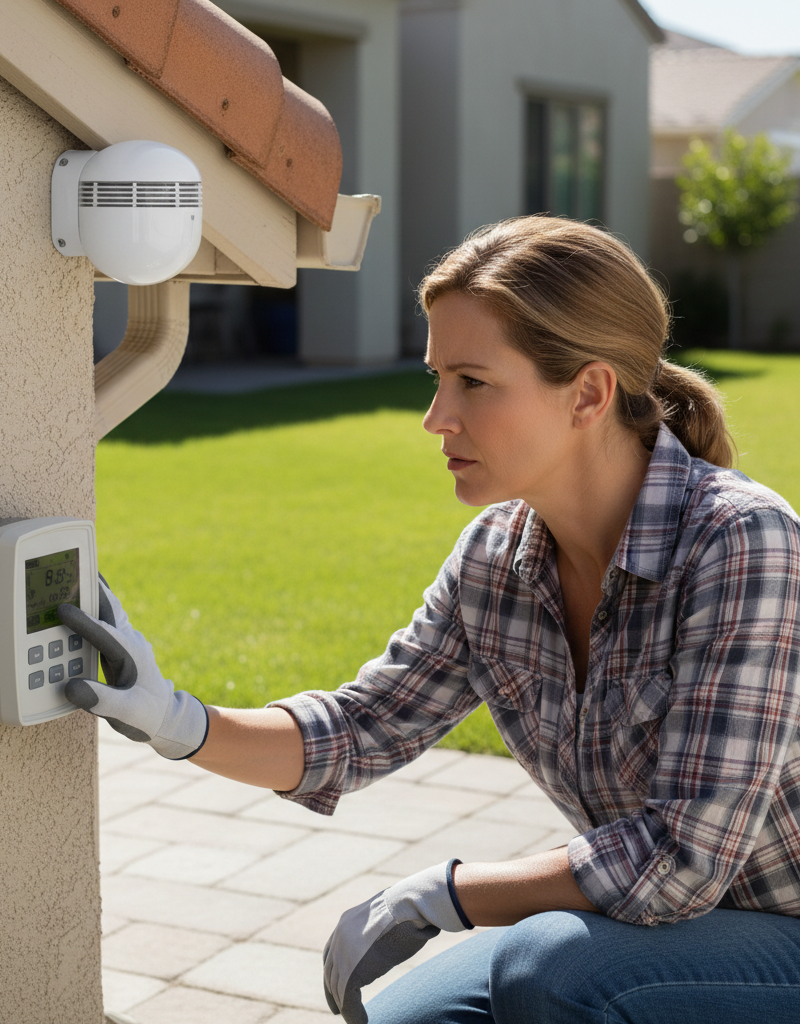
- Locate the Sensor: Find your rain sensor, typically mounted on a gutter, fence post, or in an open area.
- Check for Obstructions: Ensure it's not blocked by leaves, debris, or insect nests, which could prevent it from drying out. Manually shaking or tapping some disc-type sensors can sometimes free them.
- Bypass the Sensor (Temporary): This is the most crucial diagnostic step for a non-starting system. At the controller, locate the two wires coming from the rain sensor. They are usually connected to terminals labeled 'SEN' or 'Sensor,' or sometimes they are wired in series with the common wire. Disconnect these two sensor wires from the controller terminals. If your controller has specific 'Sensor' terminals, use a small piece of jumper wire to connect these two terminals together, effectively bypassing the sensor circuit. If the sensor wires are integrated into the common wire circuit, you'll need to reconnect the common wire ends directly, bypassing the sensor completely.
- Test the System: With the sensor bypassed, try to manually activate a zone from the controller. If the sprinklers now come on, your rain sensor is faulty or stuck. You can leave it bypassed until you replace it, but be mindful of overwatering.
- If it Works: Replace the rain sensor. If it doesn't, proceed to the common wire.
-
Examine the Common Wire – Trace and test for continuity
- Identify the Common Terminal: At the controller, locate the terminal labeled 'C' or 'Common.' Note the color of the wire connected to it (usually white).
- Inspect Connections: Ensure this wire is securely fastened to the terminal. Tug gently.
- Trace the Wire: Follow this white common wire as far as you can from the controller, especially into the valve box. Look for obvious breaks, chew marks (from rodents, which are a common culprit), or corroded splices.
- Check Valve Box Connections: Open your main valve box (and any satellite boxes). Look for a bundle of wires, usually with one white wire spliced to all the white wires from each solenoid. This is a common failure point. Inspect all wire nuts and splices for corrosion or detachment.
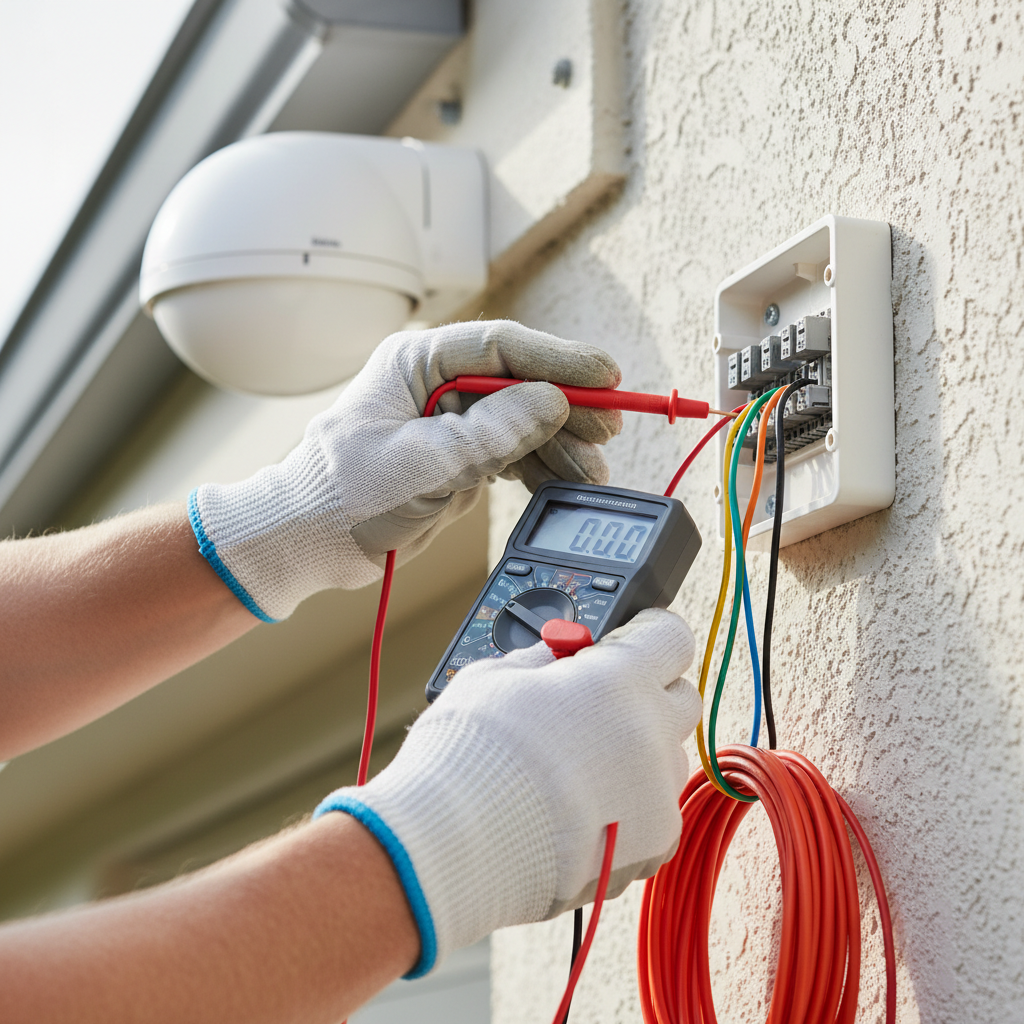
- Continuity Test (Multimeter Required): This is the definitive test.
- Tools: You'll need a multimeter set to measure continuity (ohms, Ω, or the continuity 'beep' function).
- Preparation: Disconnect the common wire and one zone wire from the controller terminals.
- Testing: Go to the corresponding zone valve. Disconnect the common wire and the zone wire from the solenoid. Touch one probe of the multimeter to the common wire coming from the controller and the other probe to the common wire terminal of the solenoid. You should see a very low resistance reading (close to 0 ohms) or hear a beep, indicating continuity.
- Repeat: Do this for the zone wire too. Then, test the solenoid itself: touch one probe to each of the two solenoid wires. A good solenoid will show a resistance of 20-60 ohms. If you get an open circuit (infinity or 'OL'), the wire or solenoid coil is broken.
- Troubleshooting: If the common wire shows an open circuit, you've found your break. You'll need to meticulously trace the wire from the controller, digging carefully, until you find the break. Repair it with waterproof wire connectors (grease caps or silicone-filled wire nuts).
-
Test the Master Valve (If Applicable) – Ensure it's opening
- Some systems have a master valve that opens only when any zone is activated. If the master valve fails to open, no water reaches the zone valves.
- Manual Override: Most master valves have a manual override lever or screw. Open it manually.
- Controller Test: Try to activate a zone. If water flows with the master valve manually open, the master valve's solenoid or wiring is likely the issue. Treat it like a zone valve solenoid issue, testing its wires and solenoid with a multimeter.
-
Examine Individual Zone Solenoids – For specific zone failures (less likely for system-wide)
- Though less likely to cause a complete system shutdown, if a common wire fix doesn't work, sometimes several solenoids fail at once due to a power surge or age.
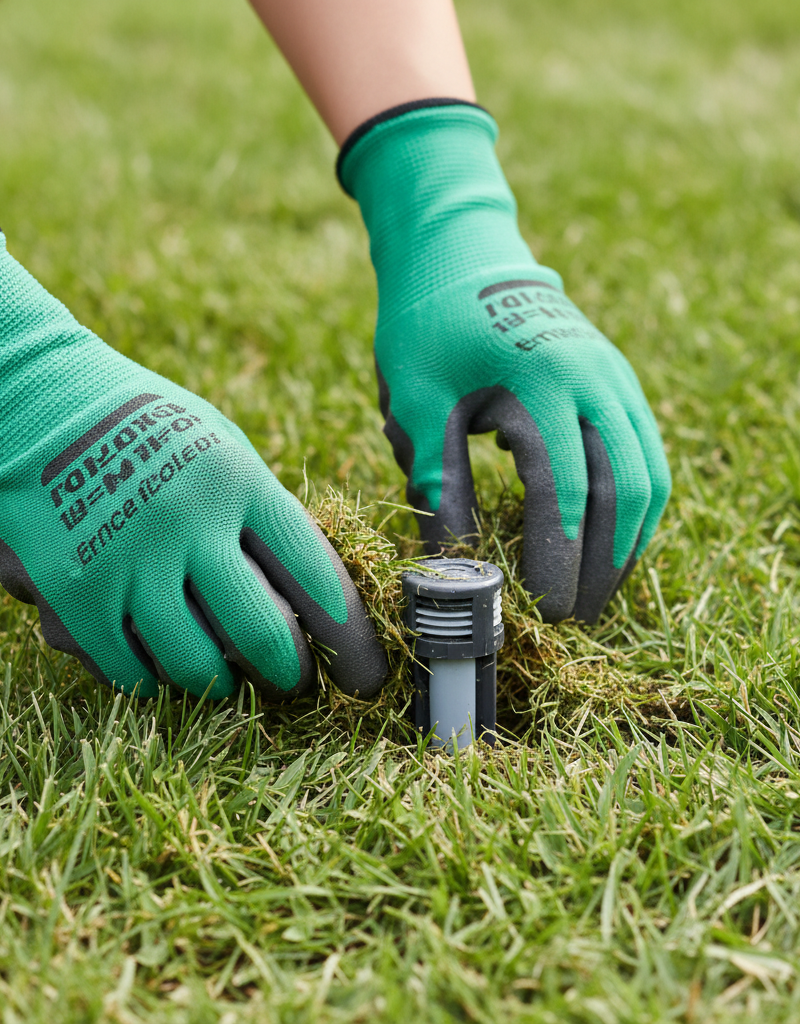
- Manual Operation: Try manually opening each zone valve by twisting the solenoid counter-clockwise about a quarter turn until water begins to flow. If it works manually, the hydraulic part of the valve is fine, and the problem is electrical (solenoid or wiring).
- Solenoid Test: Disconnect the two wires from the solenoid. Using a multimeter, check the resistance across the two solenoid wires. A good solenoid will read between 20-60 ohms. A reading of infinity (OL) means an open circuit, and the solenoid needs replacement. A reading of 0 ohms (short circuit) also means replacement.
Common Causes
- Faulty Rain Sensor: The most frequent culprit. Sensors can become clogged with debris, get stuck in the 'wet' position, or simply fail electronically over time, constantly telling the controller to stay off.
- Broken Common Wire: Rodent damage, landscaping activities (shovels, aerators), or simple degradation of insulation can lead to a break in the common wire. Since all valves share this wire, a single break effectively kills the entire system.
- Loose Wiring Connections: Connections at the controller terminals or within valve boxes (especially wire nuts) can corrode or loosen over time, breaking the circuit.
- Electrical Surge: Lightning strikes or power surges can damage the controller's internal transformer, burn out multiple solenoids, or even damage the controller itself.
- Master Valve Failure (If Present): If the master valve's solenoid or wiring fails, it prevents water from reaching any of the zone valves downstream.
- Controller Malfunction: While less common than a sensor or common wire issue, controllers can fail due to age, power surges, or internal component breakdown.
Common Mistakes
- Immediately Blaming the Controller: Many homeowners jump to replacing the controller, which is often an expensive and unnecessary fix when a simpler issue such as a rain sensor or common wire is the true cause.
- Ignoring the Rain Sensor: Forgetting to check or bypass the rain sensor during troubleshooting. It's an easy and often effective first step.
- Inadequate Wire Repair: Using electrical tape or standard indoor wire nuts for outdoor sprinkler wiring. These connections are exposed to moisture and must be waterproofed with silicone-filled wire nuts or grease caps to prevent corrosion and future failures.
- Not Checking Master Valve: Overlooking the master valve as a potential system-wide failure point, especially if water pressure seems fine at the main supply but no zones activate.
- Shallow Digging: Digging without extreme caution when tracing wires. Buried wires are fragile and easily cut, creating a new problem while trying to fix an old one. Always dig by hand and slowly.
- Not Disconnecting Power: Forgetting to unplug the controller before working with wiring. While low voltage, it's a critical safety measure and protects the controller from accidental shorts.
Cost & Time Breakdown
| Task | DIY Cost | Pro Cost | Time |
|---|---|---|---|
| Diagnose faulty rain sensor | $0 | $75–$150 | 10–20 minutes |
| Diagnose broken common wire | $0–$10 (multimeter) | $75–$200 | 30–90 minutes |
| Replace rain sensor | $25–$60 | $120–$250 | 30–60 minutes |
| Repair broken common wire | $5–$15 | $150–$350+ (can be extensive) | 1–3 hours (or more) |
| Replace master valve solenoid | $20–$40 | $150–$280 | 45–90 minutes |
| Replace sprinkler controller | $80–$300 | $200–$500+ | 30–60 minutes |
Tips & Prevention
- Regular Rain Sensor Checks: Annually inspect your rain sensor for debris, especially before the irrigation season. Manually activate it if possible to ensure it's still functioning correctly.
- Protect Wiring: If you're doing any landscaping or digging, mark your sprinkler wire paths to avoid accidental cuts. Consider burying wires deeper than the typical 6-12 inches if possible.
- Use Waterproof Connectors: When making any electrical splices in your yard, always use silicone-filled wire nuts or grease caps. These are designed to resist moisture and prevent corrosion, which is a leading cause of outdoor electrical failures.
- Test Manual Valve Operation: Periodically (e.g., once a year) manually open each zone valve to ensure they aren't seized and that water flows freely. This can help identify issues before they become system-wide.
- Surge Protection: Consider adding a surge protector to your sprinkler controller's power outlet, especially if you live in an area prone to lightning or power fluctuations.
- Spring Startup Routine: Include checking all wire connections at the controller and in valve boxes as part of your annual spring sprinkler system startup.
When to Call a Professional
While many common sprinkler issues can be diagnosed and fixed by a homeowner, there are times when calling a licensed irrigation professional is the wisest course of action. If you've methodically followed all the diagnostic steps, especially bypassing the rain sensor and rigorously testing the common wire with a multimeter, and your system still refuses to activate any zones, then the problem might be an internal controller malfunction that requires specialized tools and knowledge to diagnose.
Additionally, if tracing the common wire proves exceptionally difficult due to complex landscaping, or if you encounter persistent short circuits after replacing components, a professional can use advanced wire-tracing equipment to pinpoint exact fault locations without extensive digging. If you're uncomfortable working with electrical components, even low-voltage ones, or if the thought of digging up your yard is daunting, a pro can quickly and efficiently resolve the issue, often saving you time and preventing potential damage to your system or property. They also have access to OEM parts and can ensure proper system setup and optimization.
Related Articles
Keep troubleshooting with these hand-picked guides from FixlyGuide:
- The #1 Summer Lawn Mistake Turning Your Grass Yellow (and How to Fix It) — Discover the most common summer lawn mistake that causes yellowing grass and learn the simple steps to revive your lawn.
- The #1 Mistake Homeowners Make When a Sprinkler Head Won't Pop Up — A common problem with sprinkler systems is a head that won't pop up, often due to a simple clog or adjustment issue.
- The #1 Mowing Mistake That Invites Weeds (And How to Fix It in 15 Minutes) — Many homeowners unknowingly make a common mowing mistake that leaves their lawn vulnerable to weeds and disease. Learn the secret to a thic…
- The #1 Mistake Killing Your Dandelion-Fighting Efforts (and the Easy Fix) — Stop dandelions from taking over your lawn by understanding common mistakes and implementing effective, long-term solutions for a healthier…
- The 3 Mulching Mistakes That Are Secretly Killing Your Plants — Discover the three common mulching mistakes that unknowingly harm your garden and learn how to apply mulch correctly for thriving plants.
- The #1 Mistake Homeowners Make When a Gas Burner Won't Light (And the Easy Fix) — Before you call a technician, discover the most common, overlooked reason your gas stove burner isn't lighting and how to fix it yourself i…
Get the print-ready PDF of this guide
A clean, ad-free, printable version you can keep on your phone or pin to the workshop wall. We'll also send occasional weekly tips matched to your home situation.
- Print-optimized layout
- Tools, materials & every step included
- Unsubscribe anytime
Frequently asked questions
Why would all my sprinkler zones stop working at once?+
When all zones fail simultaneously, the most common causes are a faulty rain sensor (stuck 'on'), a broken common wire that connects all solenoids, or an issue with the master valve if your system has one. It's rarely a failure of all individual zone valves at once.
How do I bypass a rain sensor on my sprinkler system?+
At your sprinkler controller, locate the two wires coming from the rain sensor. Disconnect them from the 'Sensor' terminals and use a short piece of jumper wire to connect these two terminals together. Alternatively, if your sensor is wired in line with the common wire, you'll need to reconnect the common wire ends directly, bypassing the sensor completely.
What is the common wire in a sprinkler system and why is it important?+
The common wire (usually white) completes the 24-volt electrical circuit for all your zone valve solenoids. Each solenoid needs a hot wire from the controller *and* a common wire connection to open. If the common wire breaks anywhere along its path, no solenoids will receive the full circuit, and no zones will activate.
Can rodents cause my sprinkler system to stop working?+
Yes, rodents frequently chew through low-voltage sprinkler wires, especially the common wire, which can cause breaks in the circuit and prevent your entire system or specific zones from functioning. Always inspect wires for chew marks in valve boxes and along wire paths.
How do I test if my sprinkler controller is working?+
First, ensure the controller has power and the display is on. Check for any 'OFF' or 'Rain Delay' settings. Then, try manually activating a single zone from the controller. If the controller display indicates it's sending power but no valves open, the issue is likely downstream (sensor, wiring, or solenoids), not the controller itself.

Discussion
Loading comments…