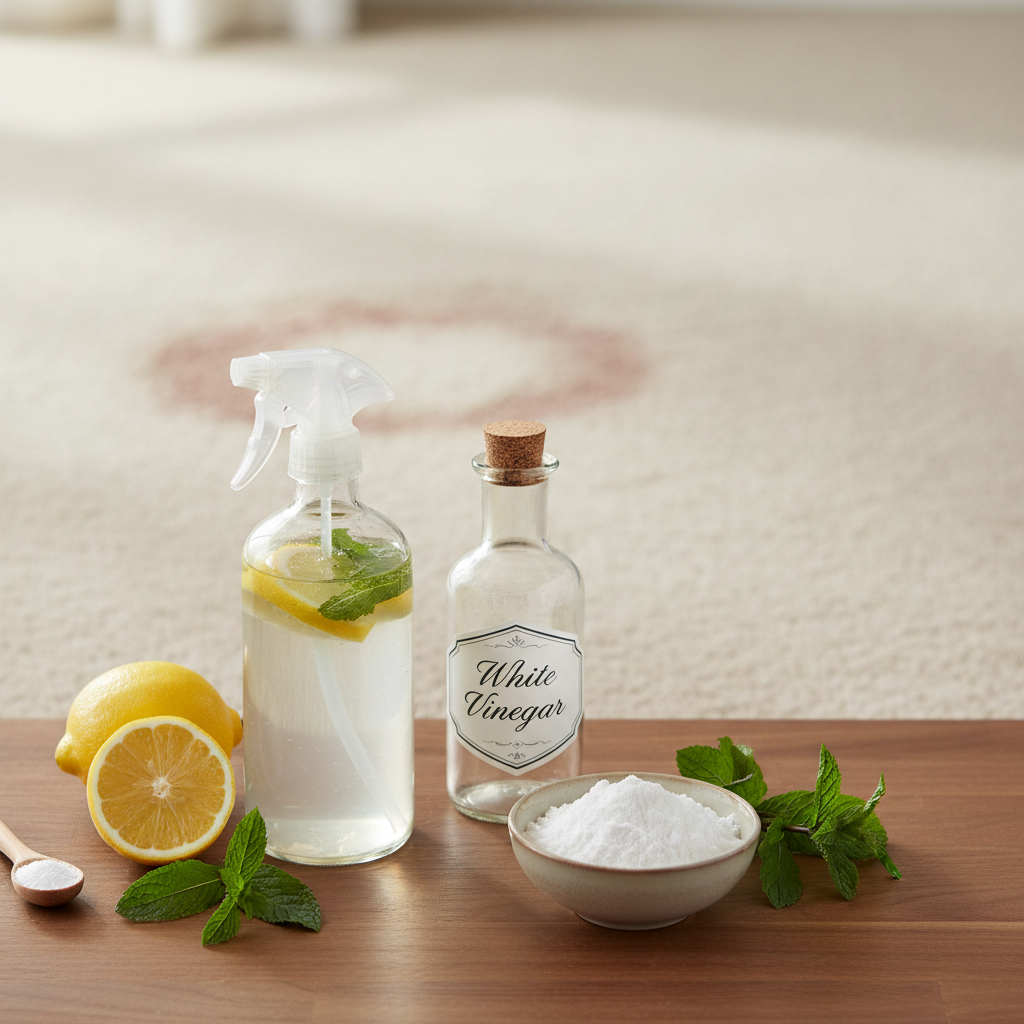
Tools & materials you'll need
Affiliate linksAs an Amazon Associate FixlyGuide earns from qualifying purchases — at no extra cost to you. Prices and availability are accurate as of publication and subject to change.
Quick Answer
Dingy, stained carpets don't require expensive commercial cleaners or professional services. A powerful and eco-friendly homemade carpet cleaner can be formulated with just three common household ingredients: white vinegar, baking soda, and warm water. This solution combines the acid-dissolving power of vinegar with the abrasive and odor-absorbing properties of baking soda to break down grime and refresh your carpet's appearance, often outperforming store-bought options for everyday stains and general brightening.
The Problem
Over time, carpets accumulate dirt, dust, pet dander, and spills, leading to a dull, matted appearance and often unpleasant odors. Foot traffic presses these contaminants deep into the fibers, making them difficult to remove with regular vacuuming. Store-bought carpet cleaners often contain harsh chemicals that can leave behind sticky residues, attract more dirt, or even damage certain carpet types. Homeowners face the challenge of effectively cleaning their carpets without resorting to expensive, potentially harmful, or residue-leaving products.
How It Works
Understanding how this homemade solution tackles carpet stains involves a bit of basic chemistry. White vinegar, an acetic acid, is excellent at dissolving many types of grime, grease, and mineral deposits. When it comes into contact with alkaline substances (like many dirt particles and some types of stains), it helps to break them down. Baking soda (sodium bicarbonate) is a mild abrasive that physically helps to scrub away dirt without damaging carpet fibers. More importantly, baking soda is an alkaline substance known for its powerful odor-absorbing qualities, neutralizing sour or stale smells embedded in the carpet. When vinegar and baking soda are combined, they react to produce carbon dioxide gas. While this fizzing action isn't the primary cleaning mechanism for removing the stain itself, it helps to physically lift and loosen dirt particles from the carpet fibers, making them easier to extract. The warm water acts as a solvent, helping to dilute the stain and facilitate the cleaning process by dissolving water-soluble compounds. This natural synergy creates a potent, non-toxic cleaning agent that lifts stains, eliminates odors, and brightens carpets without the concerns associated with chemical-laden commercial products.
Step-by-Step Fix
Before you begin, always test the cleaning solution on an inconspicuous area of your carpet (like inside a closet or under a sofa) and allow it to dry completely to ensure no discoloration occurs. Different carpet fibers react differently.
Safety Note: Always ensure good ventilation when cleaning. While these ingredients are natural, direct inhalation of large quantities of any cleaning agent isn't recommended.
-
Prepare the Area — Vacuum the entire carpet thoroughly to remove loose dirt, dust, and debris. This prevents these particles from turning into muddy streaks when wet.
- If your vacuum has poor suction: Check the bag/canister, filters, and hose for clogs. A full bag or clogged filter will significantly reduce cleaning effectiveness.
-
Pre-treat Heavy Stains — For particularly stubborn or old stains, sprinkle a generous amount of plain baking soda directly onto the dampened stain. Let it sit for 10-15 minutes. This gives the baking soda time to absorb odors and begin breaking down the stain.
- If the stain is still fresh: Blot, don't rub, with a clean cloth to absorb as much of the spill as possible before applying baking soda.
-
Mix Your Cleaning Solution — In a clean spray bottle, combine equal parts white vinegar and warm water. For example, 1 cup of white vinegar and 1 cup of warm water. Add 1-2 tablespoons of baking soda to this solution. Cap the bottle and gently swirl (do not shake vigorously, as the reaction can build pressure) to mix until the baking soda dissolves.
- Pro Tip: For a pleasant scent, add 5-10 drops of an essential oil like lemon or lavender to the mixture. This is entirely optional.
-
Apply the Solution — Lightly mist the carpet area you wish to clean with the homemade solution. Do not oversaturate the carpet, as excessive moisture can lead to mildew or damage the carpet backing. Focus on stained areas but also mist general high-traffic spots.
- For a carpet cleaner machine: If using a machine, follow its instructions for adding solution. This mixture is generally safe, but always ensure your machine allows for vinegar-based solutions.
-
Allow Dwell Time — Let the solution sit on the carpet for 5-10 minutes. This allows the vinegar and baking soda to penetrate the fibers and work on dissolving the dirt and neutralizing odors.
-
Scrub (Gently!) — Using a soft-bristled brush or a clean, damp cloth, gently scrub the treated areas in a circular motion. Avoid aggressive scrubbing, which can damage carpet fibers. The goal is to lift the dirt, not grind it further in.
- Watch for color transfer: If a clean cloth picks up color, stop immediately. Your carpet may not be colorfast, or you are scrubbing too hard.
-
Blot and Extract — Using a clean, dry, white cloth or several paper towels, firmly blot the cleaned areas to absorb as much of the moisture and lifted dirt as possible. Rinse the cloth frequently or use fresh paper towels. Alternatively, if you have a wet/dry vac or a carpet extractor, use it to extract the solution thoroughly. This is crucial for preventing residue and ensuring quick drying.
- If you're using a wet/dry vac: Fill it with plain warm water for a final rinse/extraction pass to remove any remaining cleaner residue.
-
Air Dry Thoroughly — Open windows or use fans to ensure the carpet dries completely, ideally within 6-12 hours. Walking on damp carpet can re-soil it quickly and inhibit drying. Ensure good air circulation to prevent mildew growth.
- If the carpet feels stiff after drying: Lightly vacuum the area to fluff the fibers and remove any baking soda residue that might have dried on top.
Common Causes
- Foot Traffic and Outdoor Contaminants: The most significant cause of dingy carpets. Dirt, mud, dust, and microscopic debris tracked in from outside embed themselves deep into carpet fibers.
- Spills and Accidents: Food, beverages, pet accidents, and other liquid spills leave visible stains and can attract more dirt if not cleaned promptly and thoroughly.
- Pet Dander and Fur: Pets shed not just hair but also dander, which gets trapped in carpets, contributing to odors and a dull appearance.
- Lack of Regular Vacuuming: Infrequent or ineffective vacuuming allows dirt and small particles to accumulate and become compacted within the carpet, making deep cleaning harder.
- Residue from Commercial Cleaners: Some store-bought carpet cleaners leave behind a sticky residue that acts like a magnet for new dirt, causing the carpet to re-soil faster than before.
- Cooking Fumes and Smoke: Airborne particles from cooking (especially grease) and smoke can settle into carpet fibers, contributing to discoloration and odors.
Common Mistakes
- Oversaturating the Carpet: Applying too much liquid can lead to mildew, mold growth, damage to the carpet backing, and can take a very long time to dry. Always use a fine mist ולא a drench.
- Scrubbing Too Hard: Aggressive scrubbing, especially with stiff brushes, can damage or fray delicate carpet fibers, potentially making the stain worse or creating a fuzzy patch.
- Not Testing in an Inconspicuous Area: Skipping the patch test can lead to unexpected discoloration, bleeding, or damage, especially on older or delicate carpets.
- Using Hot Water on Protein Stains: For stains like blood or urine (protein stains), hot water can cook the proteins into the fibers, making them permanent. Use cold or lukewarm water instead.
- Leaving Residue Behind: Not thoroughly rinsing or extracting the cleaning solution can leave a sticky residue that attracts dirt like a magnet, causing the carpet to re-soil quickly.
- Ignoring Proper Drying: Allowing the carpet to remain damp for too long encourages mold and mildew growth, leading to musty odors and potential health issues. Ensure excellent ventilation.
Cost & Time Breakdown
| Task | DIY cost | Pro cost | Time |
|---|---|---|---|
| Materials (Vinegar, Baking Soda) | $5–$10 | N/A | 5 minutes |
| Pre-vacuuming | $0 | Included | 15–30 minutes |
| Spot cleaning/Application | $0 | Included | 15–45 minutes |
| Drying time | $0 | $0 | 6–12 hours |
| Full room (DIY) | $5–$10 | N/A | 1–2 hours |
| Pro carpet cleaning | N/A | $150–$400+ | 1–3 hours |
Tips & Prevention
- Vacuum Regularly: Aim to vacuum high-traffic areas 2-3 times a week and less trafficked areas weekly. Regular vacuuming is the single most effective way to prevent dirt buildup.
- Use Walk-Off Mats: Place absorbent mats at all entryways to trap dirt and moisture before it reaches your carpet. Clean these mats regularly.
- Address Spills Immediately: The faster you act on a spill, the less likely it is to set into a permanent stain. Blot, don't rub, and use a clean white cloth.
- Rotate Furniture: If possible, periodically shift heavy furniture to prevent permanent indentations and even out wear patterns in high-traffic areas.
- **Consider a
Related Articles
Keep troubleshooting with these hand-picked guides from FixlyGuide:
- The Hidden Culprit Behind Your AC Not Cooling (and How to Find It) — If your central AC isn't cooling your home, the issue often stems from a surprisingly simple problem that's easy to overlook. Learn how to…
- 7 Hidden Equity Drains Costing You Thousands Annually — Your home is an asset, but silent problems like minor leaks, poor insulation, and deferred maintenance can drain its value. Discover the se…
- The 12 Checks That Prevent 80% of Costly Home Repairs — Don't wait for a disaster. Our comprehensive monthly home maintenance checklist reveals the surprising, simple tasks that catch small issue…
- The Secret Power Tool Hiding in Your Garage for a Speedier Clean — Unlock the hidden potential of your cordless drill to tackle stubborn household grime, soap scum, and dirt with specialized cleaning attach…
- 7 Inspection Red Flags That Secretly Signal a $20,000 Bill — Don't let your dream home become a money pit. Many buyers and even some inspectors overlook subtle home inspection red flags that lead to f…
- That ONE Reason Your Closet Door Keeps Derailing — Stop just putting your sliding closet door back on the track. We reveal the hidden—and surprisingly simple—hardware issue that causes 90% o…
Get the print-ready PDF of this guide
A clean, ad-free, printable version you can keep on your phone or pin to the workshop wall. We'll also send occasional weekly tips matched to your home situation.
- Print-optimized layout
- Tools, materials & every step included
- Unsubscribe anytime
This article was independently written by FixlyGuide based on the source topic.
Frequently asked questions
Is homemade carpet cleaner safe for all carpets?+
Most carpets, especially synthetic ones, respond well to vinegar and baking soda. However, always test on an inconspicuous area first, especially with wool or delicate natural fibers, to ensure no discoloration or damage occurs.
Can I use essential oils in my homemade carpet cleaner?+
Yes, adding 5-10 drops of essential oils like lemon, lavender, or tea tree oil can add a pleasant scent and boost cleaning power (tea tree oil has antiseptic properties). Be sure to use pure essential oils and avoid excessive amounts.
How often should I deep clean my carpets?+
For most homes, deep cleaning carpets every 6-18 months is sufficient. High-traffic areas or homes with pets and children may benefit from more frequent cleaning, while guest rooms or less-used areas can go longer.
What if my carpet still smells after cleaning?+
If odors persist, sprinkle dry baking soda generously over the entire carpet and let it sit for several hours, or even overnight, before vacuuming thoroughly. For pet urine, consider an enzyme-based cleaner after the initial cleaning to break down odor-causing proteins.
Can this cleaner be used in a carpet cleaning machine?+
Many people successfully use a diluted version of this solution (e.g., 1 part vinegar/baking soda solution to 2-3 parts water) in their carpet cleaning machines. Always consult your machine's manual to ensure it's compatible with vinegar-based solutions and avoid harsh chemicals that could damage the pump.

Discussion
Loading comments…