Tools & materials you'll need
Affiliate links- AmazonScrewdriver setFor opening access panels if needed
- AmazonGarden hoseFor cleaning outdoor unit
- AmazonFunnelFor pouring vinegar into drain line
- AmazonWet/dry shop vacuumOptional, for stubborn drain clogs
- AmazonSafety glovesFor handling debris around outdoor unit
- AmazonDigital multimeterFor checking capacitor (optional, for advanced DIYers)
As an Amazon Associate FixlyGuide earns from qualifying purchases — at no extra cost to you. Prices and availability are accurate as of publication and subject to change.
Quick Answer
When your central AC unit fails to cool your home, it's often due to easily diagnosable issues like a clogged air filter, incorrect thermostat settings, or a frozen evaporator coil. Begin your troubleshooting by replacing the air filter and verifying that your thermostat is set to 'cool' and at a temperature several degrees below the current room temperature. If these simple steps don't resolve the problem, inspect both the indoor and outdoor units for more advanced issues such as ice formation or debris blockages. Many common problems can be addressed by a homeowner, but any situation involving refrigerant leaks or major component failures like the compressor should be handled by a licensed HVAC technician.
The Problem
There's nothing quite like the sudden realization that your central air conditioner, once a beacon of cool comfort, is now just blowing warm air or doing nothing at all. This isn't just an inconvenience; it can be a health concern, especially during peak summer heat. The problem of an AC not cooling can range from a minor, easily overlooked setting to a significant mechanical failure. Without proper cooling, your home quickly becomes a hot, uncomfortable, and potentially unsafe environment. High indoor temperatures can lead to dehydration, heat exhaustion, and even impact the structural integrity of your home over time by exacerbating humidity issues. Identifying the root cause quickly can save you from sweltering heat, costly emergency repairs, and potential damage to your HVAC system.
How It Works
Understanding how your central AC cools your home is key to diagnosing problems. Your central air conditioning system operates on a simple principle: it moves heat from inside your home to the outside. It doesn't actually 'make' cool air; it removes heat.
The process begins with your thermostat, which monitors the indoor temperature. When the temperature rises above your set point, the thermostat signals the system to turn on. The indoor unit, typically located in your furnace or air handler, contains an evaporator coil. A fan draws warm, humid indoor air across this cold coil. The coil contains a refrigerant, a special chemical compound that readily absorbs heat. As the warm air passes over the coil, the liquid refrigerant inside absorbs the heat, causing it to vaporize into a low-pressure gas. Simultaneously, moisture in the air condenses on the cold coil, effectively dehumidifying your home. This cooled, drier air is then blown through your home's ductwork system, distributing comfort to each room.
The now-gaseous, heat-laden refrigerant travels to the outdoor unit, known as the condenser. Here, a compressor, the heart of the AC system, pressurizes the refrigerant gas, increasing its temperature and density. The hot, high-pressure gas then flows through the condenser coil, a network of fins and tubes. A large fan in the outdoor unit pulls ambient air over these coils, dissipating the heat from the refrigerant into the outside environment. As the refrigerant sheds its heat, it condenses back into a high-pressure liquid. This cooled, liquid refrigerant then travels back indoors to begin the cycle anew, passing through an expansion valve (or metering device) which drops its pressure and temperature before it enters the evaporator coil, ready to absorb more heat. This continuous loop efficiently transfers heat out of your living space, making your home comfortable.
Step-by-Step Fix
Here’s how to systematically diagnose and fix common central AC cooling issues:
-
Check Thermostat Settings — Start with the simplest solution.
- Ensure your thermostat is set to 'Cool' and not 'Heat' or 'Fan Only.'
- Set the temperature at least 5-10 degrees Fahrenheit lower than the current room temperature to signal the AC to kick on.
- If this doesn't work: Check the thermostat's batteries (if it uses them) and replace if necessary. Consult your thermostat's manual for troubleshooting specific error codes or connectivity issues if it's a smart thermostat.
-
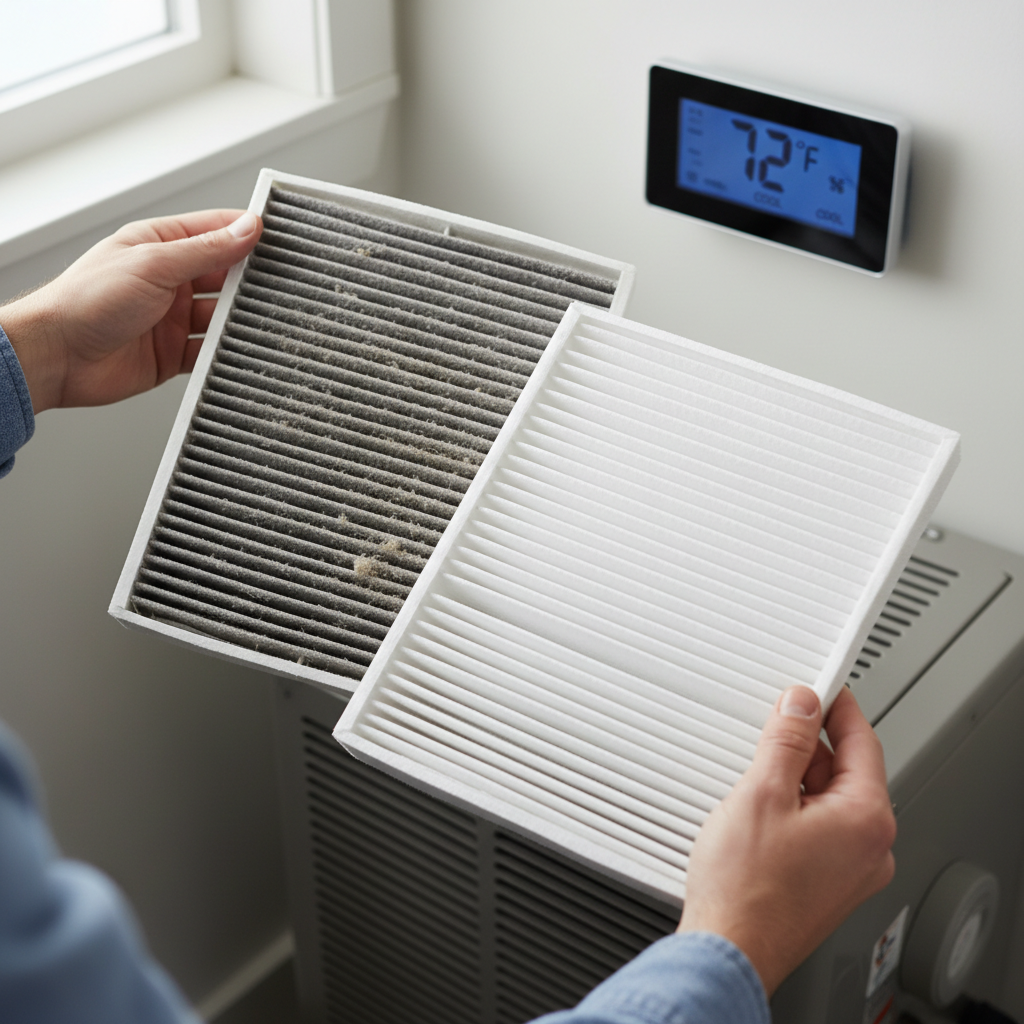
Inspect and Replace Air Filter — A dirty filter chokes airflow.
- Locate your air filter, typically in the return air vent or at the air handler/furnace.
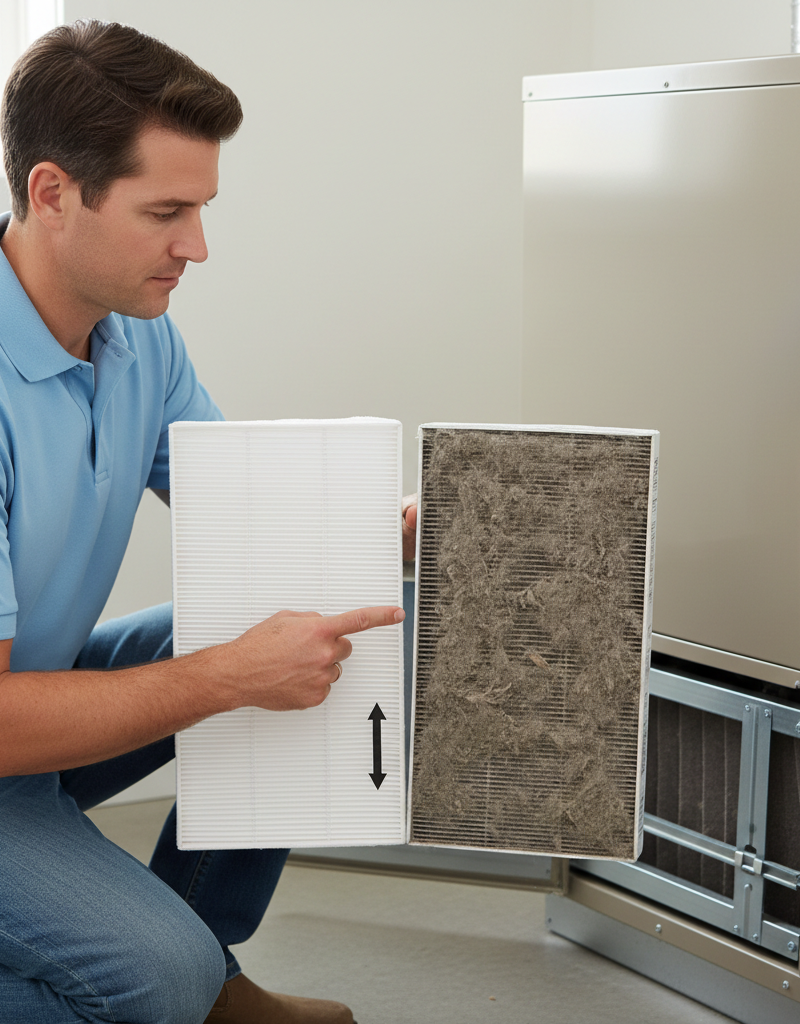
- Remove and visually inspect it. If it's grey, clogged with dust and debris, it's restricting airflow and causing your system to work harder, potentially leading to freezing.
- Tool: Replacement air filter (match size and MERV rating).
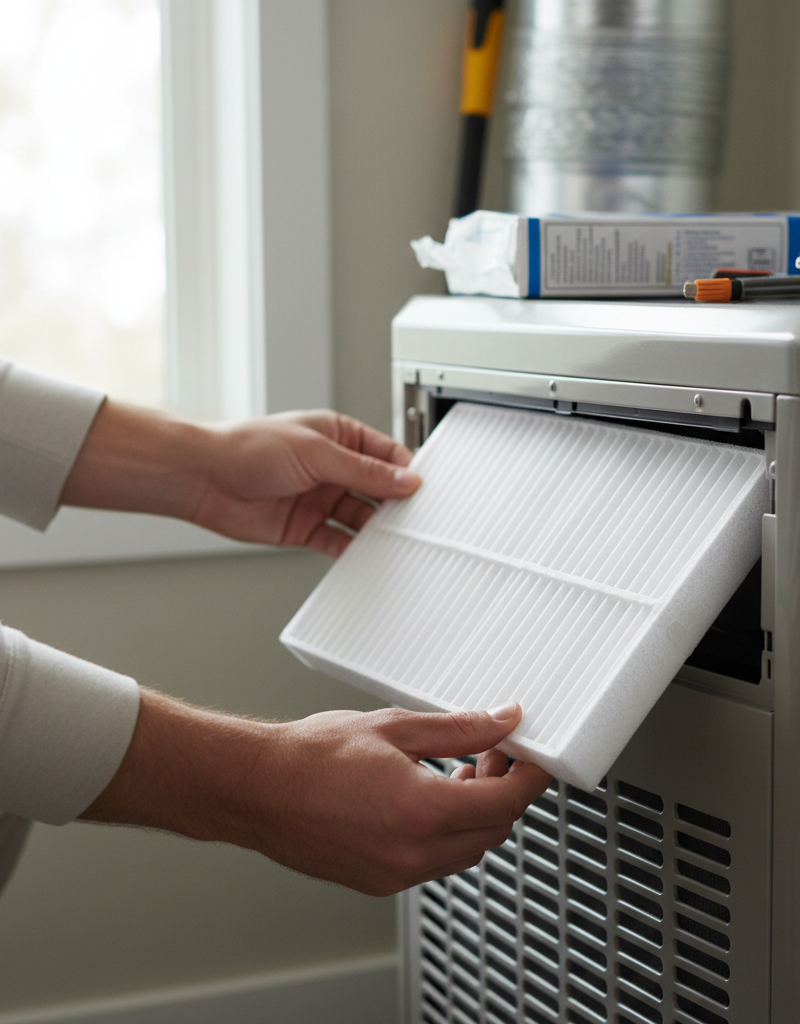
- Replace the dirty filter with a clean one. For optimal performance, filters should be changed monthly during peak cooling season, or at least every 90 days.
-
Check for Frozen Evaporator Coil — Ice buildup prevents heat absorption.
- Safety Note: Turn off your AC unit at the thermostat and the circuit breaker before opening any panels.
- Locate your indoor air handler/furnace. Carefully open the access panel to the evaporator coil (usually a metal box above the furnace).
- Visually inspect the coil. If it's covered in ice, your system is likely experiencing airflow issues or low refrigerant.
- Allow the ice to melt completely (this can take 1-24 hours, depending on the severity). Place towels to catch meltwater. Do not try to chip away ice as this can damage the coil.
- If this doesn't work: After the coil defrosts, restart the system with a clean filter and monitor. If it freezes again quickly, the problem is more complex (e.g., severe airflow restriction, very low refrigerant) and requires a professional.
-
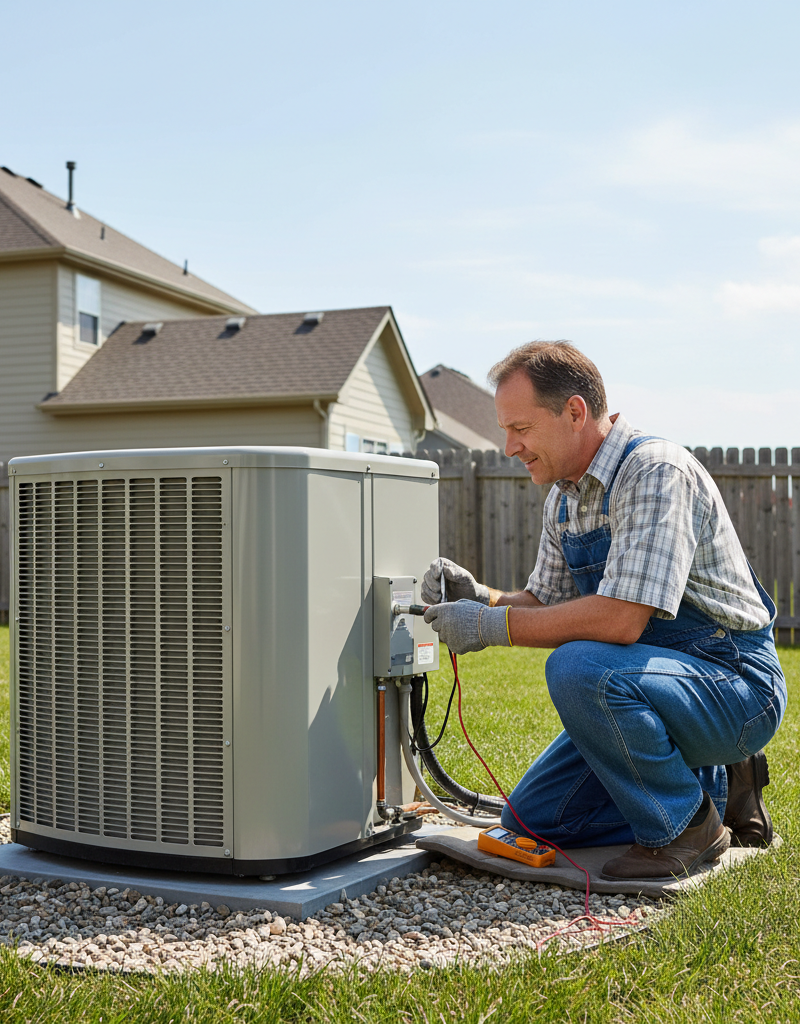
Clear Outdoor Condenser Unit — Restricted airflow stifles heat dissipation.
- Safety Note: Turn off your AC unit at the thermostat and the outdoor disconnect switch (a small box near the unit) before working on it.
- Visually inspect the outdoor unit (condenser). Look for leaves, grass clippings, dirt, or other debris obstructing the fins or blocking the top fan.
- Use a garden hose (gentle spray, not high pressure) to clean the outside of the fins, spraying from the inside out if possible. Remove any large debris by hand.
- Ensure there's at least 2 feet of clear space around all sides of the unit for proper airflow.
- Tool: Garden hose.
-
Listen for Unusual Noises — Clues from the compressor or fan.
- With the system running (ensure safety while listening), pay attention to the outdoor unit. Do you hear a buzzing, clunking, or grinding noise?
- If the fan isn't spinning but you hear a humming or buzzing, the fan motor or capacitor might be failing.
- If this doesn't work: If you hear grinding or loud banging from the compressor, it's a critical failure and requires professional intervention. Do not attempt to fix a compressor yourself.
-
Check Circuit Breakers — An often-overlooked electrical reset.
- Go to your main electrical panel. Locate the circuit breaker labeled 'AC,' 'Furnace,' or 'Air Handler.'
- If any AC-related breaker is tripped (halfway between ON and OFF), firmly switch it to OFF, then back to ON.
- Safety Note: Never force a breaker that resists or repeatedly trips. This indicates a serious electrical fault.
- If this doesn't work: If the breaker trips immediately again, there's an electrical short or overload that requires a professional electrician or HVAC technician to diagnose and repair.
-
Inspect Condensate Drain Line — Clogs can shut down the system.
- Locate the condensate drain line, a PVC pipe typically exiting the indoor air handler and running to a floor drain or outside.
- Look for standing water in the drain pan or a visible clog in the pipe. Many systems have a safety float switch that shuts off the unit if the pan overflows.
- You can attempt to clear a minor clog by pouring a cup of distilled vinegar down the access port closest to the indoor unit. Wait 30 minutes, then flush with water.
- Tool: Distilled white vinegar, funnel, wet/dry vac.
- If this doesn't work: If the clog is persistent or unreachable, a wet/dry vac with a narrow attachment can be used on the outdoor end of the drain line to suction out the blockage. Alternatively, call an HVAC technician.
Common Causes
- Dirty Air Filter: The most frequent offender. A clogged filter severely restricts airflow, causing the evaporator coil to freeze and reducing cooling capacity. Think of it like trying to breathe through a thick, dusty blanket.
- Thermostat Malfunction or Incorrect Settings: A faulty thermostat, dead batteries, or simply being set to the wrong mode (e.g., fan only) can prevent the AC from cycling on.
- Frozen Evaporator Coil: This happens when warm air cannot reach the coil due to restricted airflow (dirty filter, blocked vents) or if there's insufficient refrigerant. The ice acts as an insulator, preventing the coil from absorbing heat.
- Blocked Condenser Unit: If the outdoor unit is covered in debris (leaves, dirt, overgrown plants), it can't efficiently release heat from the refrigerant. This leads to higher pressure, reduced efficiency, and potentially system shutdown.
- Low Refrigerant (Freon/Puron): A leak in the refrigerant lines means less refrigerant to absorb and transfer heat. This reduces cooling capacity and often leads to the evaporator coil freezing, as there isn't enough warm air to constantly remove the chilling effect.
- Capacitor Failure: Capacitors are like batteries that provide a jolt of electricity to start and run the compressor and fan motors. A failing capacitor can prevent these crucial components from starting, resulting in a humming outdoor unit but no cooling.
- Compressor Failure: The compressor is the heart of your AC system. If it fails, the refrigerant cannot be properly circulated and pressurized, making cooling impossible. This is usually a costly repair or replacement.
- Clogged Condensate Drain Line: The AC naturally produces condensation. If the drain line becomes clogged with algae or debris, the water backs up, triggering a safety switch that shuts off the unit to prevent water damage.
Common Mistakes
- Ignoring the Air Filter: Many homeowners neglect to change their air filter regularly. This is the single biggest mistake, leading to poor cooling, higher energy bills, and potential system damage like a frozen coil.
- Overlooking Thermostat Basics: Forgetting to check batteries, setting the wrong mode, or not ensuring the fan is on 'Auto' instead of 'On' (which can just blow air without cooling) are common, easily avoidable errors.
- Chipping Away Ice from a Frozen Coil: While tempting, using sharp objects to remove ice can puncture the delicate fins of the evaporator coil, leading to costly refrigerant leaks. Always allow it to melt naturally.
- Not Clearing Outdoor Unit Debris: Allowing shrubs to grow too close or letting leaves accumulate around the condenser unit significantly hampers its efficiency. This increases energy consumption and system wear.
- Attempting DIY Refrigerant Recharging: Refrigerant is a regulated substance, and adding it without addressing a leak is a temporary fix that can damage your system and the environment. Only licensed professionals should handle refrigerant.
- Delaying Professional Inspection for Persistent Issues: If you've tried basic troubleshooting and the problem persists, continuing to run a struggling AC can lead to more severe and expensive damage. Early professional diagnosis can save you money in the long run.
Cost & Time Breakdown
| Task | DIY Cost | Pro Cost | Time |
|---|---|---|---|
| Air Filter Replacement | $10–$40 | Included in service | 5 minutes |
| Thermostat Battery/Settings | $5–$15 | $75–$150 (service fee) | 2–5 minutes |
| Clear Outdoor Unit Debris | $0 | $75–$150 (service fee) | 15–30 minutes |
| Clear Condensate Drain Clog | $5–$15 | $150–$300 | 30–60 minutes |
| Capacitor Replacement | $20–$60 (part) | $150–$400 | 15–30 minutes (DIY) |
| Refrigerant Leak Repair/Recharge | N/A | $300–$1,000+ | 2–4 hours (pro) |
| Compressor Replacement | N/A | $1,500–$3,000+ | 4–8 hours (pro) |
Tips & Prevention
- Regular Filter Changes: Replace your air filter every 30-90 days, depending on usage, pets, and household dust levels. Mark it on your calendar!
- Annual Professional Tune-up: Schedule a professional HVAC inspection and tune-up every spring before the cooling season. This prevents minor issues from becoming major problems and ensures peak efficiency.
- Keep Outdoor Unit Clear: Maintain at least two feet of clear space around your outdoor condenser unit. Trim shrubs, remove weeds, and sweep away debris regularly.
- Clean Condensate Drain: Periodically pour a cup of distilled white vinegar into the condensate drain line access port to prevent algae growth and clogs.
- Seal Leaky Ducts: Inspect visible ductwork in your attic, basement, or crawl space for gaps and leaks. Seal them with mastic sealant or foil tape to prevent cooled air loss.
- Monitor for Warning Signs: Pay attention to reduced airflow, unusual noises, foul odors, or higher-than-normal energy bills. These are often early indicators of a problem.
When to Call a Professional
While many common AC issues can be resolved by a savvy homeowner, there are definitive signs that it's time to call a licensed HVAC professional. If you suspect a refrigerant leak (hissing sounds, ice on only one refrigerant line, or a perpetually frozen evaporator coil even after addressing airflow), do not attempt to repair it yourself, as handling refrigerants requires specialized tools and certification. Similarly, if your compressor is making grinding noises, won't start, or the outdoor unit hums but the fan doesn't spin even after checking the capacitor, it's likely a complex electrical or mechanical failure beyond typical DIY capabilities. Any persistent electrical issues, such as repeatedly tripping circuit breakers, demand immediate professional attention to prevent fire hazards. Finally, if you've systematically worked through the troubleshooting steps and your AC still isn't cooling, or if you simply feel uncomfortable tackling the repair, a professional can accurately diagnose the problem and provide a safe, effective solution.
Related Articles
Keep troubleshooting with these hand-picked guides from FixlyGuide:
- The Hidden Reason Your AC Isn't Cooling (And 7 Fixes Homeowners Miss) — If your central AC isn't cooling your home, the culprit often lies in an overlooked issue that's simple to fix, preventing costly professio…
- 7 Hidden Equity Drains Costing You Thousands Annually — Your home is an asset, but silent problems like minor leaks, poor insulation, and deferred maintenance can drain its value. Discover the se…
- 7 Inspection Red Flags That Secretly Signal a $20,000 Bill — Don't let your dream home become a money pit. Many buyers and even some inspectors overlook subtle home inspection red flags that lead to f…
- The 3 Hidden Ways Your — Uncover the surprising habits and hidden household issues that are silently increasing your homeownership costs and learn how to fix them.
- The 12 Checks That Prevent 80% of Costly Home Repairs — Don't wait for a disaster. Our comprehensive monthly home maintenance checklist reveals the surprising, simple tasks that catch small issue…
- The #1 Reason Your AC Blows Warm Air (And It's Not What You Think) — Discover the most common and often overlooked reason your AC might be blowing warm air, and how a simple capacitor fix can restore cool air.
Get the print-ready PDF of this guide
A clean, ad-free, printable version you can keep on your phone or pin to the workshop wall. We'll also send occasional weekly tips matched to your home situation.
- Print-optimized layout
- Tools, materials & every step included
- Unsubscribe anytime
This article was independently written by FixlyGuide based on the source topic.
Frequently asked questions
How do I know if my AC is low on Freon?+
Signs of low Freon (refrigerant) include ice buildup on the outdoor unit's larger copper line or on the indoor evaporator coil, a persistent hissing sound, and poor cooling performance even when the system runs constantly. This requires a professional diagnosis and repair, as merely adding Freon without fixing the leak is a temporary and harmful solution.
Can a dirty air filter cause my AC to stop cooling?+
Absolutely. A dirty air filter is one of the most common reasons an AC stops cooling effectively. It restricts airflow across the evaporator coil, causing the coil to get too cold and often freeze over. This layer of ice then prevents the coil from absorbing heat, leading to warm air being circulated.
Why is my outdoor AC unit running but not cooling inside?+
If your outdoor unit is running but not cooling inside, first check your indoor air filter for cleanliness and your thermostat settings. Other potential causes include a frozen evaporator coil (due to low airflow or low refrigerant), a faulty fan motor on the indoor unit not circulating air, or a problem with the compressor or capacitor in the outdoor unit failing to properly circulate refrigerant.
How often should I change my AC filter?+
The frequency for changing your AC filter depends on several factors: every 30-90 days is a good rule of thumb. If you have pets, allergies, or a busy household, or if you live in a dusty environment, you may need to change it monthly. For single occupants without pets, every three months might suffice.
What's the typical lifespan of a central AC unit?+
A well-maintained central AC unit typically lasts between 10 to 15 years, though some can last up to 20 years. Regular professional maintenance, timely repairs, and consistent filter changes can significantly extend the lifespan of your unit and improve its efficiency.
Discussion
Loading comments…