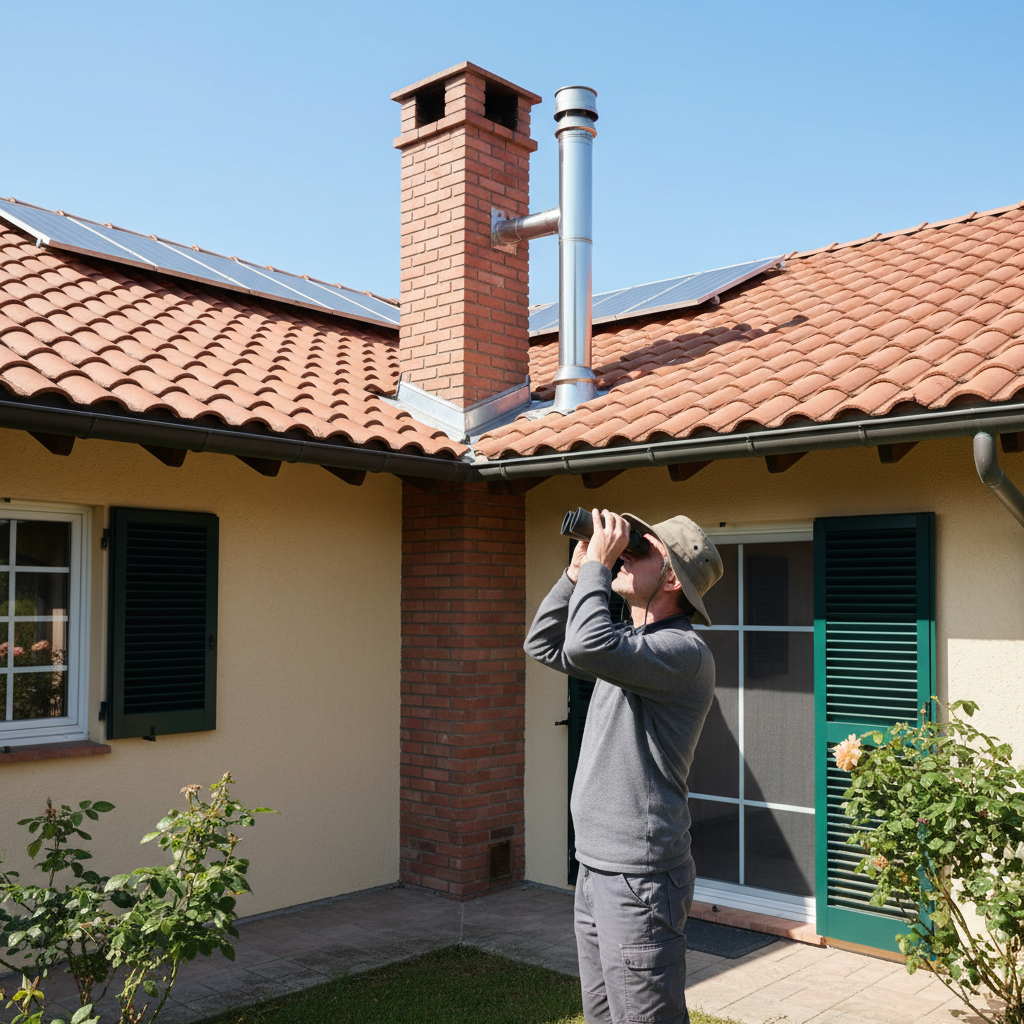
Tools & materials you'll need
Affiliate links- AmazonBinoculars1 · 7x or 8x magnification recommended
- AmazonNotepad and pen
- AmazonDigital camera with zoom
- AmazonSafety glassesRecommended even for ground-level observation to protect eyes from glare or debris
- AmazonHeadlamp or strong flashlightIf inspecting during low light, though daylight is preferred
No materials required.
As an Amazon Associate FixlyGuide earns from qualifying purchases — at no extra cost to you. Prices and availability are accurate as of publication and subject to change.
Quick Answer
Inspecting roof flashing from the ground is a crucial preventative maintenance task that can save homeowners thousands in costly repairs. By using binoculars, you can systematically check vulnerable areas such as chimneys, vent pipes, valleys, skylights, and dormer intersections for signs of compromised flashing, including corrosion, lifting, buckling, gaps, or deteriorated sealants. Early detection of these issues allows for timely repairs, preventing water intrusion that can lead to rot, mold, and structural damage within your home.
The Problem
Many homeowners overlook the importance of regular roof inspections, often waiting for visible signs of a leak inside their home before taking action. By then, significant damage has likely already occurred to the roof deck, attic insulation, rafters, and even interior walls. The problem isn't always obvious holes in shingles; often, the culprit is deteriorating or improperly installed roof flashing. Flashing acts as a watertight seal around penetrations and transitions on your roof, diverting water away from vulnerable areas. When flashing fails, water can seep into your home's structure undetected, leading to insidious rot, mold growth, compromised structural integrity, and expensive repairs that could have been avoided with a simple ground-level inspection.
How It Works
Roof flashing is essentially a system of thin, impervious material (usually metal like aluminum, copper, or galvanized steel) installed at critical junctures on your roof. These junctures include dormers, chimneys, valleys (where two roof planes meet), vent pipes, skylights, and any other area where the roof surface is interrupted. The purpose of flashing is to create a waterproof barrier that directs water flow over and off the roof, preventing it from penetrating the seams and openings.
There are several types of flashing, each designed for a specific purpose. Step flashing is used along walls and chimneys, interwoven with shingle layers to create a shingle-like overlap. Counter flashing (or cap flashing) is installed over step flashing on chimneys and walls, covering the upper edge to seal it against water. Valley flashing, often a continuous piece of metal, runs down the trough where two roof sections converge, guiding water swiftly off the roof. Pipe flashing (also called a pipe collar or boot) fits snugly around vent pipes, with a rubber or neoprene gasket forming a seal. Skylight flashing kits are integrated systems designed to create a watertight seal around skylight openings.
The effectiveness of flashing relies on proper installation, which typically involves overlapping materials, sealing joints with specialized caulk or mastic, and sometimes nailing. When flashing is incorrectly installed, damaged by weather, or simply ages and deteriorates, its ability to repel water is compromised. Even a seemingly small gap or a slight lift can become an entry point for water, especially during heavy rain or melting snow. The water then travels along the path of least resistance, often down rafters or wall studs, eventually manifesting as a stain on your ceiling or a sag in your drywall, long after the initial leak began.
Step-by-Step Fix
1. Gear Up and Get Focused — Gather your inspection tools and pick a clear day.
- Tools: Binoculars (7x or 8x magnification recommended), notepad, pen, digital camera with zoom.
- Choose a bright, clear day with good visibility, preferably when the roof is dry. Sunlight can help highlight discrepancies.
- Walk around your house various times throughout the day, if possible, to get different lighting angles on all roof sections.
2. The Chimney Checkup — Scrutinize all four sides of the chimney's flashing.
- Starting with your binoculars, observe the chimney from multiple angles. Look for step flashing (small, overlapping metal pieces integrated with shingles) along the sides and counter flashing (metal covering the step flashing) on top.
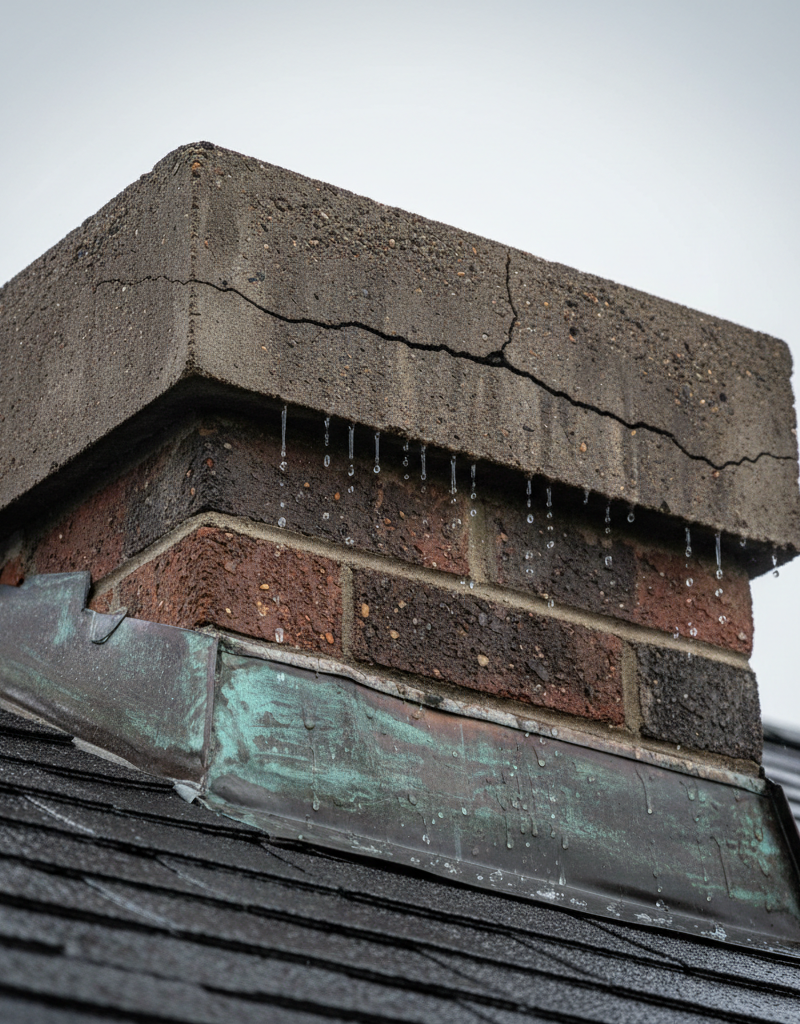
- Look for: Any gaps, rust spots, bent or missing pieces of flashing. Pay close attention to the caulk or sealant lines – are they cracked, missing, or pulling away from the brick or siding?
- If this doesn't work: If you see dark streaks running down the chimney from the flashing line, it's a strong indicator of water intrusion and potential rot.
3. Vent Pipe Vigilance — Inspect the base of all roof vents and plumbing stacks.
- Locate all vent pipes on your roof. These are typically plastic or metal pipes protruding through the shingles. Each should have a pipe boot (a rubber or metal base with a rubber collar) forming a seal around it.
- Look for: Cracks or tears in the rubber collar of the boot. Is the metal base of the boot rusted or lifting? Are there any missing nails or signs of sealant deterioration around the edges?
- Safety Note: Never attempt to repair or inspect a gas vent pipe if you detect a gas smell. Call a licensed professional immediately.
4. Valley Verification — Examine the channels where two roof sections meet.
- Roof valleys are high-risk areas because they channel a significant amount of water. Look for metal flashing running down the center of each valley.
- Look for: Any buckling, creasing, rust, or punctures in the valley flashing. Ensure that shingles on either side of the valley are neatly trimmed and do not overhang the flashing excessively, which can trap debris.
- If this doesn't work: If you can see bare wood or dark staining in the valley, severe water damage is likely occurring.
5. Skylight Scrutiny — Pay extra attention to all sides of skylight perimeters.
- Skylights are common leak points due to their numerous seams. Inspect the flashing around all four sides of each skylight.
- Look for: Any signs of lifting, separation, or rust on the flashing. Check for cracked or missing caulk, and ensure the glass unit itself is not cracked or allowing water to pool.
- Pro Tip: Look at the underside of any skylight during a rainstorm from inside your house. Even small drips are a sign of trouble.
6. Wall & Dormer Detail — Check where the roof meets any vertical walls or dormers.
- Similar to chimney flashing, look for step flashing integrated with shingles where a vertical wall or dormer side meets the roof plane. Counter flashing should be present above it.
- Look for: Gaps between the flashing and the wall, missing or rusted sections, and deteriorated sealant lines. Are there any dark streaks on the siding below the flashing, indicating water runoff?
7. Overhang & Edge Oversight — Don't forget the drip edge at the eaves and rakes.
- The drip edge is a metal flashing installed along the eaves (horizontal edges) and rake (slanted edges) of your roof. It helps direct water away from the fascia and prevents it from wicking back under the shingles.
- Look for: Bent, dented, or missing sections of drip edge. Ensure it extends slightly beyond the fascia board. While less critical for direct leaks into the home, a damaged drip edge can lead to fascia rot over time.
8. Shingle Scan for Secondary Clues — Look for general shingle issues near flashing points.
- After inspecting the flashing directly, scan the shingles immediately surrounding each flashing point.
- Look for: Discolored or mossy shingles (indicating excess moisture), curled or cracked shingles, or granules missing from shingles, particularly those adjacent to flashing. These can suggest water pooling or premature wear.
Common Causes
- Improper Installation: This is the leading cause of flashing failure. If step flashing isn't interwoven correctly with shingles, if counter flashing isn't adequately embedded, or if sealants are applied improperly, the system will fail. This is especially true for DIY flashing attempts without proper knowledge.
- Aging & Deterioration: Over time, exposure to UV radiation, extreme temperatures, and moisture causes materials to degrade. Rubber gaskets on pipe boots crack, metal flashing can corrode, and caulk dries out, cracks, and pulls away, creating entry points for water.
- Storm Damage: High winds can lift or bend flashing, especially poorly secured sections. Hail can dent or puncture metal flashing. Heavy rain exacerbates any existing vulnerabilities, forcing water into even tiny gaps.
- Animal Damage: Squirrels, birds, and other small animals can chew through rubber pipe boots or dislodge flashing in their attempts to access the attic or build nests.
- Debris Accumulation: Leaves, pine needles, and other organic debris can accumulate in valleys or around chimneys, trapping moisture against the flashing and preventing proper drainage. This accelerates corrosion and deterioration.
- Thermal Expansion & Contraction: Repeated cycles of heating and cooling cause materials to expand and contract. Over decades, this movement can stress fasteners, crack sealants, and eventually cause flashing to loosen or separate from the roof structure.
Common Mistakes
- Ignoring Regular Inspections: Many homeowners only think about their roof after a leak appears. Waiting for a visible leak means damage has already occurred. Regular ground-level inspections can catch issues early.
- Using the Wrong Sealant: Applying standard caulk to flashing will fail quickly. Flashing requires high-quality, UV-resistant, flexible roofing mastic or sealant specifically designed for outdoor, high-movement applications. Using the wrong product provides only temporary relief.
- Hosing Down a Suspected Leak: Attempting to find a leak by spraying a hose on your roof is dangerous and often ineffective. Water can travel unpredictable paths. A more controlled test, if needed, should be done by a professional.
- Neglecting Gutter Maintenance: Clogged gutters cause water to back up and overflow, often directly onto fascia boards and under the eaves, bypassing the drip edge and putting undue stress on the lower sections of roof flashing.
- Over-reliance on Caulk: While caulk serves an important role, flashing ultimately relies on proper layering and mechanical diversion of water. Trying to
Related Articles
Keep troubleshooting with these hand-picked guides from FixlyGuide:
- The 7 Critical Roof Flaws You Can Spot From Your Yard (Before They Cost You Thousands) — Learn how to spot critical roof damage from the safety of your yard, identifying issues like missing shingles and blocked gutters before th…
- The 3 Critical Mistakes Homeowners Make Inspecting Their Roof (From the Ground) — Learn how to spot damaging roof problems safely from the ground, avoiding common pitfalls and knowing exactly what to look for.
- The 5 Hidden Warning Signs Your Roof Is Failing (Before It's Too Late) — Learn to spot critical roof issues from the ground using binoculars, protecting your home from costly damage and extending your roof's life…
- The 7 Critical Home Inspection Checks Most Homeowners Miss (and How to Do Them Yourself) — Discover the essential annual home inspection checks many homeowners overlook and learn how to perform them yourself to prevent costly repa…
- The 7 Critical Spring Home Tasks Most Homeowners Forget (And Why You Shouldn't) — Don’t just prune bushes; tackle these often-overlooked spring maintenance items to protect your home’s value and prevent costly repairs.
- The 4 Hidden Reasons Your Chimney Leaks in Rain (And the Smart Fixes) — A leaky chimney during rain can hint at several underlying issues, from a faulty chimney cap to damaged flashing, all of which require prom…
Frequently asked questions
How often should I inspect my roof flashing?+
You should inspect your roof flashing at least twice a year, ideally in the spring and fall, and after any major severe weather event like strong winds or hail. Regular inspections help catch minor issues before they become expensive problems.
What are the common signs of bad roof flashing?+
Common signs of bad roof flashing include visible rust, bends, tears, or holes in the metal; cracked, missing, or deteriorated caulk/sealant; lifting or buckling of the flashing; and dark streaks or water stains on surrounding shingles or siding, indicating active leaks.
Can I replace roof flashing myself?+
Replacing roof flashing, especially around chimneys or in valleys, can be a complex task that requires specific roofing knowledge and safety precautions. While minor sealant repairs might be DIY-friendly, significant flashing replacement is typically best left to a licensed and experienced roofing professional to ensure proper installation and watertight integrity.
What's the difference between step flashing and counter flashing?+
Step flashing consists of individual L-shaped pieces of metal interwoven with each shingle course along a vertical wall or chimney side, creating a stair-step pattern to divert water. Counter flashing (or cap flashing) is then installed over the top edge of the step flashing and sealed into the wall or chimney mortar joints to prevent water from getting behind the step flashing.
Will homeowners insurance cover flashing damage?+
Homeowners insurance typically covers roof damage, including flashing failures, if the damage is sudden and accidental due to a covered peril like a storm or falling debris. It usually does not cover damage caused by neglect, lack of maintenance, or normal wear and tear over time.


Discussion
Loading comments…