
Tools & materials you'll need
Affiliate linksAs an Amazon Associate FixlyGuide earns from qualifying purchases — at no extra cost to you. Prices and availability are accurate as of publication and subject to change.
Quick Answer
Regularly inspecting your roof from the ground is a crucial preventative maintenance step that can help you identify potential problems early. By using binoculars and systematically checking for common red flags like missing or damaged shingles, warped areas, compromised flashing, and clogged gutters, you can catch minor issues before they escalate into costly repairs or interior water damage. This method prioritizes safety while still providing valuable insights into the health of your roofing system.
The Problem
Many homeowners neglect their roof until a leak appears, often leading to extensive and expensive repairs. The challenge is that a roof inspection typically involves climbing onto a ladder, which can be dangerous, especially for those unfamiliar with proper safety procedures or who have mobility concerns. Hiring a professional inspector for routine checks can also be costly. The good news is that many critical signs of roof wear and tear, and even significant damage, are visible from the ground if you know what to look for. Overlooking these early warning signs can lead to structural damage, mold growth, compromised insulation, and deteriorating interior finishes, all of which are far more expensive and disruptive to fix than addressing the roof issue proactively.
How It Works
Your roof is a complex system designed to protect your home from the elements. Understanding its basic components helps you know what to inspect. The outermost layer is typically shingles (asphalt, wood, slate, tile, etc.), which shed water. Beneath the shingles is underlayment, a waterproof or water-resistant barrier. Flashings are metal strips, usually aluminum or galvanized steel, installed at critical junctures like chimneys, vents, skylights, and valleys to prevent water intrusion. Gutters and downspouts collect and channel rainwater away from the foundation. The fascia board is the trim along the roof's edge, creating a finished look and supporting the gutters. The soffit is the underside of the eave, providing ventilation to the attic. Finally, the roof decking (plywood or OSB) forms the structural base, and trusses or rafters support the entire system. When rain hits the roof, it ideally flows down the shingles, across the flashing, into the gutters, and through the downspouts, safely away from your home. Any disruption to this flow – a missing shingle, a bent piece of flashing, or a clogged gutter – creates an opportunity for water to penetrate the system, leading to leaks, rot, and potential structural damage. Granules on asphalt shingles protect the asphalt from UV degradation; their loss exposes the asphalt to direct sunlight, accelerating its breakdown and shortening the shingle's lifespan. Moss and algae retain moisture, further deteriorating shingle surfaces.
Step-by-Step Fix
Safety First! Always perform ground inspections in good daylight and clear weather. Never climb onto a roof unless you are trained, have proper safety equipment, and feel comfortable doing so. Use binoculars for a close-up view.
-
Walk Around the Perimeter – Get a full perspective
- Begin by walking slowly around your entire house. Look for any obvious signs of damage or unusual conditions from a distance. Pay attention to the roofline itself – does it appear straight and even, or do you notice any sags or dips?
- If you see major sagging: This could indicate a serious structural issue with the roof decking or framing. Call a professional immediately.
-
Inspect Shingles for Damage – The most common culprit
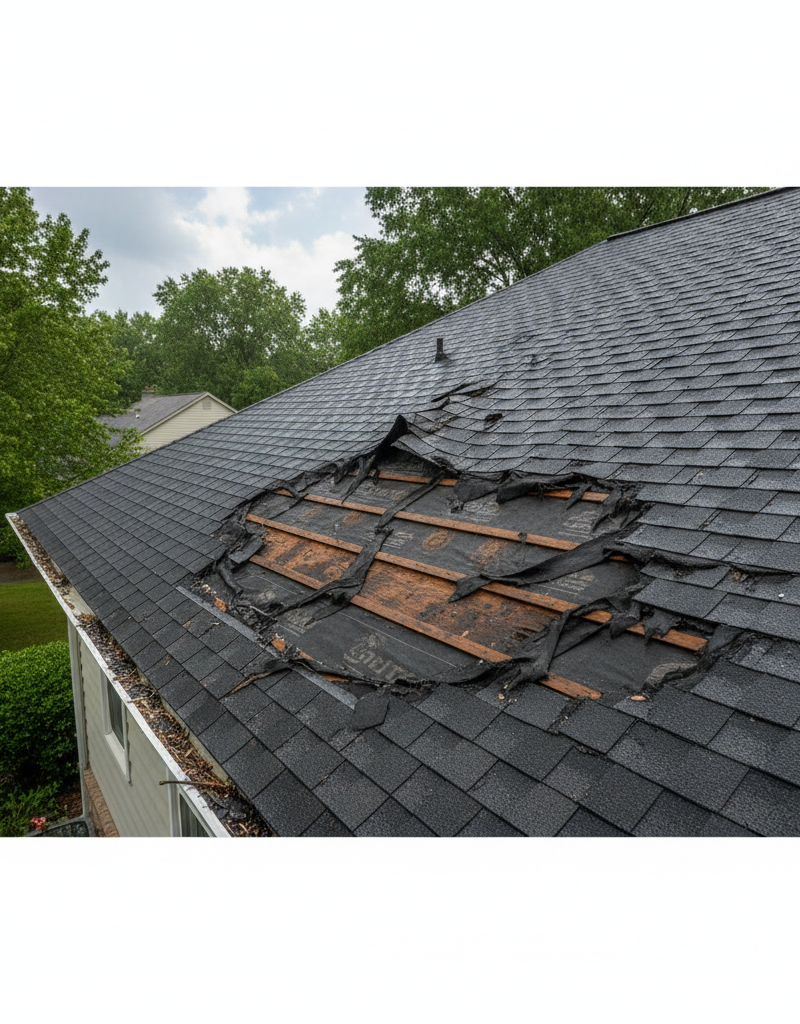
- Using binoculars, carefully scan every section of your roof, looking for missing, cracked, curled, buckled, or blistered shingles. Pay special attention to the sides of your home that receive the most sun and wind.
- Missing shingles: Can expose the underlayment to direct weather, leading to leaks.
- Cracked or curled shingles: Indicate brittleness from age and sun exposure; water can seep through compromised areas.
- Granular loss: Look for dark spots where granules are missing, or excessive granules in the gutters (a sign of advanced wear).
-
Check for Moss and Algae Growth – Hidden moisture traps
- Observe any green or black streaks, patches of moss, or algae growth, especially on shaded portions of the roof. While some algae is cosmetic, extensive moss can lift shingles and trap moisture, causing rot.
- Note the location: Persistent growth often points to poor drainage or excessive shade that keeps the roof damp.
- Minor growth: Can often be treated with zinc strips or specialized roof-cleaning solutions (follow manufacturer directions carefully and consult a pro for severe cases).
-
Examine Flashings – Critical leak barriers
- Identify all flashing points: around chimneys, skylights, vent pipes, and in valleys where two roof planes meet. Use binoculars to look for bent, rusted, missing, or improperly sealed flashing.
- Look for small gaps: Even tiny gaps can allow water to penetrate beneath shingles.
- Rusted flashing: Indicates aging and potential compromise. Rust can weaken the metal and create holes.
- If you suspect flashing issues: This is a common source of leaks. A professional roofer can re-seal or replace damaged flashing.
-
Assess Gutters and Downspouts – Drainage system health
- Look for clogged gutters filled with leaves, twigs, or shingle granules. Check for any sagging or detachment from the fascia board. Ensure downspouts direct water at least 5-10 feet away from the foundation.
- Overflowing gutters: Can cause water to pool against the fascia, leading to rot, and can also saturate the ground near your foundation, potentially causing basement leaks.
- Signs of leaks: Look for staining on the fascia or exterior walls beneath gutters.
-
Inspect Soffits and Fascia – Revealing water damage
- Scan the soffit (the underside of your roof's eaves) and fascia (the board along the roofline behind the gutters) for signs of rot, peeling paint, water stains, or pest entry points.
- Stains: Often indicate gutter overflow or ice damming pushing water back up under the shingles.
- Holes: Could mean pests like squirrels or birds are nesting, potentially causing further damage.
-
Check Chimneys and Vents – Penetration points
- Examine the chimney for cracked masonry, deteriorating mortar joints (re-pointing may be needed), or a damaged chimney cap. Look for rust on metal vent pipes or damaged vent covers.
- Cracks or missing mortar: Can allow water to seep into the chimney structure and eventually into the attic or home.
- Damaged vent covers: Can allow rain or pests into the attic.
-
Look for Interior Signs (Attic/Ceiling) – When ground inspection isn't enough
- While this isn't a ground inspection, stepping into your attic (if accessible) and scanning the underside of the roof deck with a flashlight can reveal subtle water stains or dampness that might not be visible from outside until they become severe.
- Visible water stains: Indicate an active or past leak on the roof.
- Musty odors: Can point to hidden moisture or mold.
-
Document and Plan Next Steps – Record your findings
- Take photos of any suspicious areas you identify. Note their location and a brief description. This documentation will be helpful if you need to call a professional for further assessment or repairs.
- Track changes: Keep a log of your inspections and any findings to monitor how issues develop over time.
Common Causes
- Ultraviolet (UV) Radiation: Constant exposure to the sun's UV rays degrades roofing materials, especially asphalt shingles, causing them to become brittle, crack, and lose granules over time.
- Wind Damage: Strong winds can lift, tear, or completely detach shingles, particularly if they are already aged or improperly installed.
- Hailstorms: Hail can bruise or crack shingles, indent metal vents, and damage flashing, compromising the roof's integrity.
- Tree Branches: Falling branches can directly damage shingles, create punctures, or scrape away protective granules. Overhanging branches can also cause abrasion over time.
- Poor Installation: Incorrect shingle nailing, inadequate flashing, or improper ventilation can significantly shorten a roof's lifespan and lead to premature failure.
- Lack of Maintenance: Clogged gutters, unaddressed moss growth, and deferring minor repairs allow small problems to compound into major issues.
- Age: All roofing materials have a finite lifespan. As a roof ages, materials naturally degrade and become less effective at protecting your home.
Common Mistakes
- Ignoring Granule Loss in Gutters: Many homeowners dismiss granular accumulation in gutters as normal. While some loose granules are expected, a significant amount often indicates advanced shingle wear and a shortened roof lifespan. Don't ignore it; it's a key indicator.
- Only Checking the 'Street-Facing' Side: It's easy to focus on the most visible parts of the roof. However, the sides exposed to prevailing winds, heavy sun, or deep shade often experience different types of wear and tear. Thoroughly inspect all sides.
- Assuming a Leak Means New Roof: A single interior leak doesn't always necessitate a full roof replacement. Often, leaks are due to localized flashing issues, a few damaged shingles, or a clogged gutter. A targeted repair can save thousands.
- Procrastinating on Minor Repairs: A small crack in a shingle or slightly lifted flashing might seem minor, but it's an open invitation for water. Addressing these minor issues promptly prevents them from escalating into major structural damage and expensive fixes.
- Forgetting About Your Attic: The attic is often the first place to show subtle signs of a roof leak. Neglecting to occasionally check your attic for water stains, mold, or musty smells after a storm means missing early indicators.
- Climbing the Roof Without Experience: While this article focuses on ground inspection, a common and dangerous mistake is homeowners attempting to climb on their roof without proper safety equipment, training, or comfort. Always prioritize safety; if in doubt, call a professional.
Cost & Time Breakdown
| Task | DIY cost | Pro cost | Time |
|---|---|---|---|
| Ground Inspection | $0 | $150–$300 | 20–30 mins |
| Gutter Cleaning | $0–$10 | $75–$250 | 1–2 hours |
| Minor Shingle Repair (1-5 shingles) | $10–$50 | $200–$400 | 1–2 hours |
| Flashing Re-sealing | $10–$30 | $250–$500 | 1–3 hours |
| Moss/Algae Treatment | $20–$50 | $150–$400 | 1–2 hours |
| Professional Roof Assessment | $0 | $150–$500 | 1–2 hours |
Tips & Prevention
- Inspect Twice Annually: Perform a thorough ground inspection at least twice a year – once in spring after winter storms and once in fall before winter sets in. Also, inspect after any major weather event like a hailstorm or strong winds.
- Keep Gutters Clear: Clean gutters at least twice a year, or more often if you have many overhanging trees. Clear gutters ensure water drains properly, preventing fascia rot and ice damming.
- Trim Overhanging Trees: Keep tree branches trimmed back at least 6-10 feet from your roof. This prevents direct damage, reduces leaf debris in gutters, and minimizes moss-inducing shade.
- Ensure Proper Ventilation: Good attic ventilation helps regulate roof temperature, extending shingle life and preventing ice dams. Ensure soffit and ridge vents are clear and unobstructed. An unventilated attic can bake your roof from the inside out.
- Address Moss/Algae Early: Install zinc or copper strips along the ridge line to naturally inhibit moss and algae growth. If growth is present, consider a professional roof cleaning with appropriate, shingle-safe solutions.
- Budget for Maintenance: Set aside a small amount annually for roof maintenance and potential minor repairs. Proactive maintenance saves significantly more than emergency repairs.
When to Call a Professional
While ground inspections are excellent for early detection, certain issues warrant immediate professional attention. If you observe significant sagging in the roofline, widespread missing shingles after a storm, or clear signs of water intrusion in your attic or on interior ceilings, it's time to call a licensed and insured roofing contractor. Any repair involving climbing onto the roof, replacing large sections of shingles, working on complex flashing around chimneys or skylights, or dealing with structural concerns should be handled by a professional. Roof work is inherently dangerous due to heights, and improper repairs can lead to further damage, void warranties, and create safety hazards. A reputable roofer can provide a detailed assessment, offer accurate repair estimates, and ensure the work is done safely and correctly, preserving your roof's integrity and your home's value.
Related Articles
Keep troubleshooting with these hand-picked guides from FixlyGuide:
- The 7 Critical Roof Flaws You Can Spot From Your Yard (Before They Cost You Thousands) — Learn how to spot critical roof damage from the safety of your yard, identifying issues like missing shingles and blocked gutters before th…
- The 7 Critical Home Inspection Mistakes Most Homeowners Make (and How to Spot Them) — Discover the crucial home inspection mistakes homeowners commonly overlook and learn how to identify potential problems before they become…
- The 3 Hidden Soffit & Fascia Flaws Costing You Thousands — Learn to identify common signs of soffit and fascia damage, perform basic repairs, and implement preventative measures to protect your home…
- The #1 Mistake Homeowners Make with Ice Dams (and How to Fix It SAFELY) — Most homeowners approach ice dam removal incorrectly, creating more damage or safety risks. Learn the right, safe methods to protect your r…
- The 7 Critical Home Inspection Checks Most Homeowners Miss (and How to Do Them Yourself) — Discover the essential annual home inspection checks many homeowners overlook and learn how to perform them yourself to prevent costly repa…
- 5 Signs Hail Secretly Damaged Your Roof (And How to Act Fast) — Learn to identify the subtle signs of hail impact on asphalt shingles, gutters, and flashing, so you can file an insurance claim before the…
Get the print-ready PDF of this guide
A clean, ad-free, printable version you can keep on your phone or pin to the workshop wall. We'll also send occasional weekly tips matched to your home situation.
- Print-optimized layout
- Tools, materials & every step included
- Unsubscribe anytime
Frequently asked questions
How often should I inspect my roof from the ground?+
You should aim for a ground-level inspection at least twice a year – once in the spring after winter finishes, and once in the fall before winter starts. Additionally, always perform an inspection after any major weather event like strong winds, hailstorms, or heavy snow.
What tools do I need for a ground roof inspection?+
The primary tool you'll need is a good pair of binoculars to get a close-up view of areas you can't see clearly from the ground. A camera or smartphone for documenting any issues you find is also very helpful. No specialized tools are required for the inspection itself.
Can I really spot all major roof problems from the ground?+
While a professional on-roof inspection is more comprehensive, you can spot many critical problems from the ground, including missing or damaged shingles, sagging rooflines, compromised flashing around chimneys/vents, clogged gutters, and excessive moss growth. These are often the visual cues that indicate a professional inspection is needed.

Discussion
Loading comments…