Tools & materials you'll need
Affiliate links- AmazonAsphalt Shingles (matching)1 bundle · Take a photo or a piece of a damaged shingle to match the color and style.
- AmazonGalvanized Roofing Nails1 lb box · 1 1/4-inch is standard, but ensure they are long enough to penetrate the decking.
- AmazonRoofing Cement/Sealant1 tube · For sealing tabs and any and potential underlayment patches.
- AmazonRoofing Underlayment1 small roll · Only needed if you discover tears during inspection.
As an Amazon Associate FixlyGuide earns from qualifying purchases — at no extra cost to you. Prices and availability are accurate as of publication and subject to change.
Quick Answer
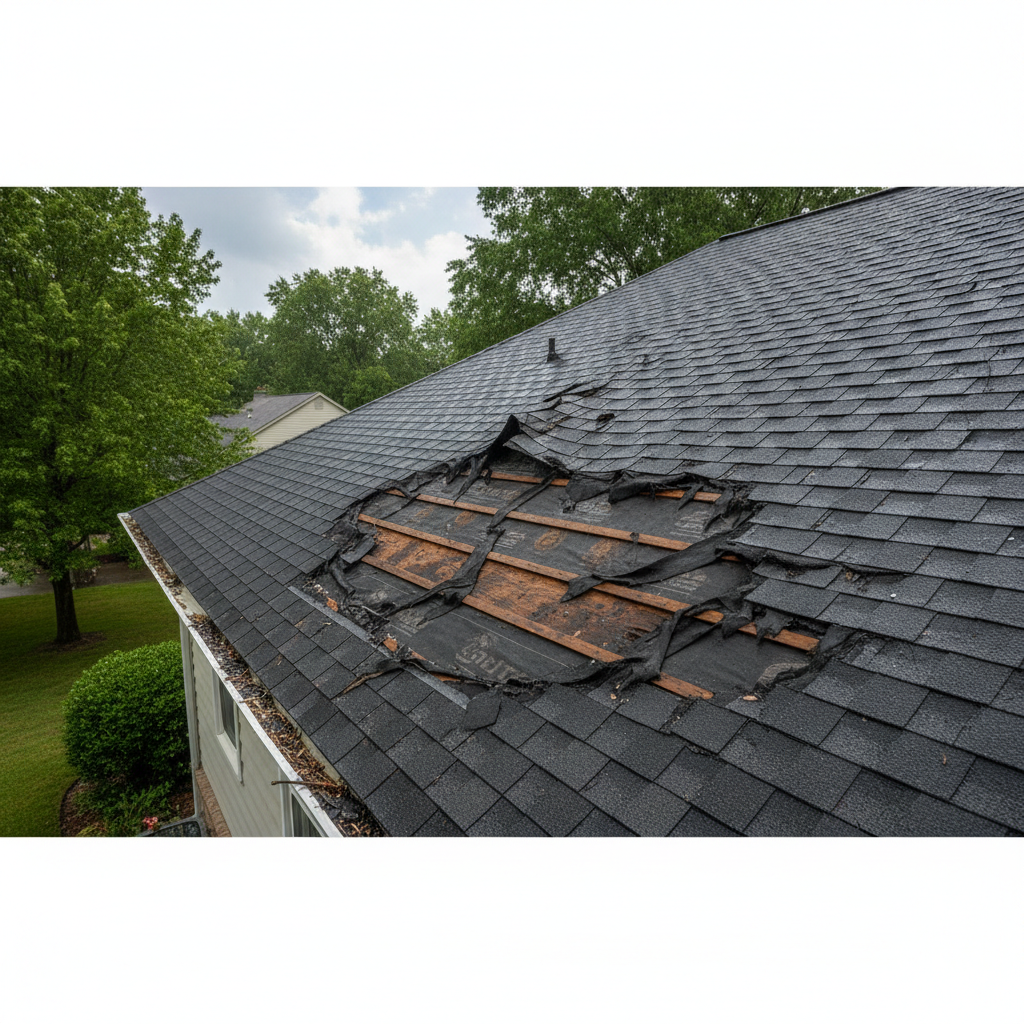
Missing shingles are a clear sign of storm damage, but they're often just the tip of the iceberg. The real danger is the unseen damage to the layers beneath. High-velocity wind doesn't just rip a shingle off; it first lifts the edge, breaking the tar sealant strip. This "uplift" force yanks on the roofing nails and can tear the shingle free. More importantly, this same force lifts surrounding shingles, breaking their seals and tearing the weather-resistant underlayment underneath. This creates a direct, hidden channel for water to bypass the shingles and soak into the wooden roof decking, leading to rot, mold, and costly structural repairs that go far beyond the cost of a few shingles.
The Problem
You walk outside after a heavy windstorm and see it: a dozen or so asphalt shingles scattered across your lawn. Your eye travels up to the roof and spots the bare patch, a clear wound on what should be a uniform surface. The immediate problem is obvious—a gap in your home's primary defense against the elements. A single missing shingle, measuring about three square feet, exposes the roof to immediate water intrusion. What's less obvious, and far more critical, is the collateral damage inflicted on the surrounding roofing materials. The same forces that were strong enough to rip a nailed-and-sealed shingle completely off the roof have almost certainly caused widespread, invisible damage to the shingles that remain. They may look fine from the ground, but their seals are likely broken and the underlayment beneath could be torn, setting the stage for a much larger, more destructive problem than a few missing shingles.
How It Works
To understand why a missing shingle is a red flag for deeper issues, you need to understand how a roofing system functions as a layered defense. It's not just about the shingles you see.
-
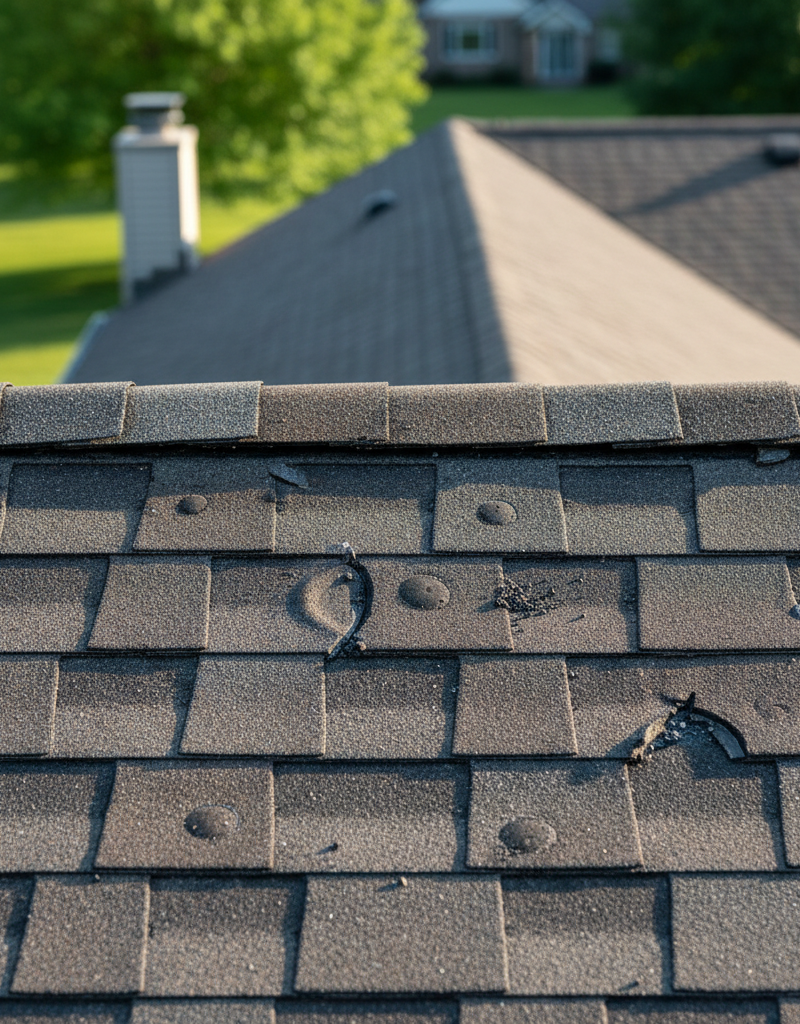
The Shingles: Asphalt shingles are the first line of defense. They are designed to shed water and resist wind. Each shingle has a sealant strip (usually a line of thermally activated tar) on its underside. When the sun heats the roof, this tar softens and bonds to the shingle below it. This bond is the primary defense against wind uplift.
-
The Fasteners: Underneath the overlapping shingle above, each shingle is secured to the roof deck with 4-6 roofing nails, placed according to a specific "nailing strip."
-
The Underlayment: This is arguably the most critical component for water resistance. It's a layer of material (traditionally asphalt-saturated felt, now often a more durable synthetic fabric) that sits between the shingles and the wood sheathing. The underlayment is the real moisture barrier. It catches any water that might get past a damaged or lifted shingle.
-
The Roof Deck (or Sheathing): This is the wood foundation of your roof, typically 1/2-inch or 5/8-inch plywood or Oriented Strand Board (OSB). This is the structural component that everything else is attached to.
Here's the chain reaction during a windstorm: Wind doesn't lift a shingle from the top; it catches the bottom edge. If the wind is strong enough (typically 50+ mph), it breaks the tar sealant bond. Now, the shingle acts like a lever, and the wind force is transferred directly to the fasteners. The shingle either tears away from the nails or the nails themselves are pulled partially or completely out of the decking. When this happens, the shingle is gone.
The "bigger problem" is what happened to the shingles that are still on the roof. The wind that was strong enough to cause a failure has also lifted the edges of dozens of surrounding shingles, breaking their crucial sealant bonds. Even if they lie flat again, they are now loose. Worse yet, as the failed shingle was torn away, it often rips or gashes the thin underlayment beneath it. You now have a compromised area where loose shingles are barely covering a torn moisture barrier. Water from the next rainstorm won't just hit the bare spot; it will also be driven by wind under all the adjacent loose shingles, where it will easily find the tear in the underlayment and begin soaking directly into your wooden roof deck.
Step-by-Step Fix
Repairing missing shingles correctly is about more than just covering the bare spot. It's about restoring the layered defense system. This guide assumes a single-story home with a walkable, low-slope roof.
SAFETY NOTE: Roofing is dangerous. If your roof is steep, high (two stories or more), or if you are not comfortable working at heights with proper safety equipment (like a fall-arrest harness), hire a professional roofer. This guide is for informational purposes for minor, easily accessible repairs.
-
Assess From the Ground: Use binoculars to get a clear look at the damaged area. Count the missing shingles. Look for shingles that are flipped up, curled, or whose edges look lifted. This helps you gauge the scope of the repair.
-
Gather Tools & Materials: You'll need a bundle of matching shingles (take a damaged one to the store), a flat pry bar, a hammer, galvanized roofing nails (1 1/4-inch), a utility knife with a hook blade, and a caulk gun with a tube of roofing cement/sealant.
-
Loosen The Shingles Above: To properly replace a shingle, you must work from the top down. Carefully slide the pry bar under the shingle directly above the missing one. Gently pry up to pop the three to four nails loose that run through a single tab. You'll need to do this for the full row of shingles above the gap to create working room.
-
Remove Damaged Remnants: Use the pry bar and hammer to remove any old shingles or nail stubs left in the exposed area. The goal is a clean, flat surface.
-
Inspect (and Repair) the Underlayment: This is the most crucial step. Look at the black or synthetic paper. Is it intact? Are there any rips, tears, or holes from the old shingles being torn off? If you find a tear, you must patch it. Cut a piece of new underlayment that is large enough to slide at least 6 inches under the undamaged underlayment above the tear. Apply a generous bead of roofing cement around the edges of the tear, slide the patch in, and press it firmly into the cement to create a waterproof seal.
-
Install the First New Shingle: Slide the first new shingle into place, making sure its top edge is snug against the row above and its side edge aligns with the existing course. The new shingle should cover the nails of the course below it.
-
Nail It Down: Following the manufacturer's instructions, drive four nails into the shingle along the marked nailing strip. The nails should be about 1 inch in from each side and spaced evenly in between. Drive the nails straight and flush with the shingle surface; don't under-drive or over-drive them.
-
Complete the Course: Continue installing new shingles across the row, overlapping them correctly.
-
Re-secure The Overlying Shingles: Now, nail the shingles in the row above the repair back down into place. Drive the new nails through the same holes you pried the old ones from, if possible.
-
Seal Everything: This step restores the wind uplift resistance. Using your caulk gun, apply quarter-sized dabs of roofing cement under the corner of every tab you lifted or replaced. This includes the new shingles and the row above the repair. Press the tabs down firmly.
-
Final Check: The repaired area should look flat and integrated. No nail heads should be visible ("face-nailing" is a major cause of leaks). The new seals will cure with sun and heat, restoring the roof's integrity.
Common Causes
- High Winds: The primary cause, typically from sustained winds over 50 mph or stronger gusts.
- Improper Fastening: Shingles installed with too few nails (most require 4, high-wind areas require 6), or with nails placed too high on the shingle (above the nailing strip).
- Age and Brittleness: As shingles age, the asphalt dries out, they become brittle, and the factory sealant fails, making them easy for wind to lift and crack.
- Poorly Done Previous Repairs: Patches made by face-nailing or failing to seal tabs create a weak point that wind can easily exploit.
- Debris Impact: A falling branch can crack or dislodge shingles, creating the initial edge for wind to get under.
Common Mistakes
- Ignoring Underlayment Damage: Simply sliding in a new shingle without inspecting and patching tears in the moisture barrier underneath. This is the #1 mistake and it guarantees future problems.
- Face-Nailing: Driving nails through the exposed, lower part of the shingle. Every visible nail head is a future leak. All nails should be hidden by the overlapping shingle above.
- Misaligning Shingles: Not aligning the new shingles correctly with the existing courses, which breaks the water-shedding pattern.
- Forgetting to Seal: Failing to apply roofing cement under the tabs of the new (and disturbed) shingles. This leaves them vulnerable to being torn off in the next storm.
- Using the Wrong Nails: Using staples, screws, or roofing nails that are too short and don't fully penetrate the roof decking.
- "Patching" with Tar: Smearing roofing cement all over the damaged area is not a repair. It's a temporary, ugly mess that makes proper repair more difficult later.
Cost & Time Breakdown
Costs and time can vary significantly based on roof pitch, height, and the extent of underlying damage. This table assumes a small, accessible repair on a single-story home.
| Item / Task | DIY Cost | Professional Cost | Notes |
|---|---|---|---|
| Tools & Materials (10x10 ft area) | $75 - $150 | (Included) | Includes one bundle of shingles, nails, and sealant. |
| Professional Labor (Small Repair) | N/A | $250 - $600 | Covers a service call and 2-3 hours of labor for a small patch. |
| Replacing a Section (10x10 area) | $200 - $400 | $800 - $1,500 | For when damage is more widespread than just a few shingles. |
| Underlayment & Decking Repair | $500 - $1,500+ | $2,000 - $7,000+ | This is the "hidden cost." Price escalates quickly if plywood sheathing is rotted and needs to be cut out and replaced before re-roofing. |
Tips & Prevention
- Schedule Bi-Annual Inspections: Every spring and fall, use binoculars to scan your roof from the ground. Look for lifted, curled, or missing shingles.
- Choose Wind-Rated Shingles: When it's time for a new roof, invest in shingles with a high wind rating (e.g., Class H, rated for 150 mph) and a long-term warranty.
- Vet Your Roofer: Ensure your installer uses the correct number of nails (6 per shingle in high-wind zones) and follows all manufacturer specifications.
- Keep Trees Trimmed: Trim back any branches that overhang or are close to the roof to prevent debris impact during a storm.
- Don't Delay Small Repairs: A small, $300 repair today can prevent a $5,000+ roof decking and attic repair job in two years. Address problems as soon as you spot them.
When to Call a Professional
While a single missing shingle on a garage roof might be a manageable DIY task, most situations involving storm damage warrant a professional call. Roofing is consistently one of the most dangerous jobs in the country; the risk of a fall is significant and the consequences are severe.
You should call a licensed and insured roofing contractor if:
- The damage involves more than 3-5 shingles in one area.
- Your roof has a steep pitch (greater than 6/12) or is two or more stories high.
- You can see signs of damage from the ground, but also notice water spots on your ceiling indoors.
- When walking on the roof (if you can do so safely), the decking feels soft, spongy, or bouncy underfoot. This is a tell-tale sign of rotted wood beneath the shingles.
- You are filing an insurance claim. A professional roofer can provide a detailed, expert assessment and quote that your insurance company will recognize.
In short, the small cost of a professional repair call-out is excellent insurance against both personal injury and the certainty of a much larger, more expensive structural problem if the repair isn't performed correctly. Don't let a few missing shingles turn into a catastrophe under your roof.
Related Articles
Keep troubleshooting with these hand-picked guides from FixlyGuide:
- The Urgent Truth About Missing Roof Shingles (And Your 3-Step Fix) — High winds can rip shingles off your roof, exposing your home to immediate water damage – here’s how to assess, temporary patch, and plan p…
- The One Shingle Mistake That Creates Roof Leaks (And How to Fix It Fast) — Missing roof shingles after a storm can quickly lead to extensive water damage if not addressed correctly. Learn how to safely inspect and…
- Wind Tore Off Your Shingles? The 7 Critical Steps Most Homeowners Miss — Discover the essential steps to take when roof shingles go missing after a storm, from immediate safety checks to temporary repairs and ins…
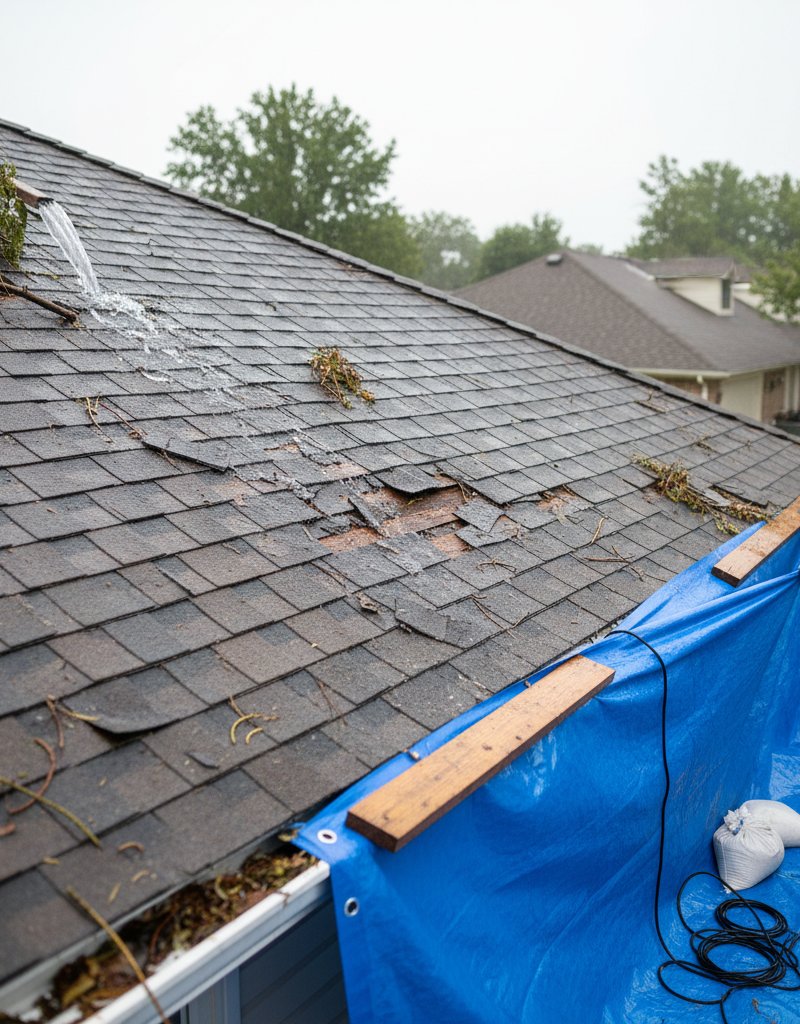
- Your Roof is Leaking. Now What? — A leaking roof after a storm is a homeowner's nightmare. Learn how to safely install a temporary roof tarp to prevent further water damage…
- The #1 Mistake Homeowners Make After Finding Missing Shingles (And How to Fix It Right) — Discover the crucial steps to take after a storm rips shingles from your roof, ensuring a proper, lasting repair and preventing costly futu…
- The 7 Critical Roof Flaws You Can Spot From Your Yard (Before They Cost You Thousands) — Learn how to spot critical roof damage from the safety of your yard, identifying issues like missing shingles and blocked gutters before th…
Get the print-ready PDF of this guide
A clean, ad-free, printable version you can keep on your phone or pin to the workshop wall. We'll also send occasional weekly tips matched to your home situation.
- Print-optimized layout
- Tools, materials & every step included
- Unsubscribe anytime
Frequently asked questions
Can one missing shingle cause a leak?+
Yes, absolutely. A single missing shingle exposes the underlayment and fasteners, creating an immediate entry point for water. Even a small amount of water can get under surrounding materials and begin to cause rot in the roof deck.
How long can you leave a missing shingle?+
You should repair a missing shingle as soon as possible, ideally before the next rainfall. The longer it is exposed, the higher the likelihood of water penetrating the underlayment and causing significant, expensive damage to the wood sheathing below.
Is it okay to just put tar over a missing shingle spot?+
No, this is a very bad idea. Smearing roofing cement or tar over a bare spot is not a durable repair. It will crack and fail quickly, and it makes it much more difficult for a professional to perform a proper, woven repair later on. The only correct fix is to replace the shingle.
How much does it cost to replace a few missing shingles?+
For a professional roofer, expect to pay between $250 and $600 for a minor repair of a few missing shingles. This typically covers the service call fee, materials, and labor. If you do it yourself on an accessible roof, the materials might only cost $50-$100.
Will my insurance cover missing shingles from a storm?+
Most homeowner's insurance policies cover wind damage. However, whether it makes sense to file a claim depends on the extent of the damage versus your deductible. It's wise to get a quote from a roofer first. If the repair is $500 and your deductible is $2,000, you wouldn't file a claim. If the roofer finds extensive damage requiring thousands in repairs, you should absolutely contact your insurance company.
Discussion
Loading comments…