Tools & materials you'll need
Affiliate linksAs an Amazon Associate FixlyGuide earns from qualifying purchases — at no extra cost to you. Prices and availability are accurate as of publication and subject to change.
Quick Answer
A persistently smelly bathroom sink drain is a common nuisance, but the good news is that the fix is usually straightforward and doesn't require a professional plumber. Most often, the culprit is a buildup of biofilm—a slimy cocktail of shed hair, soap scum, toothpaste residue, and bacteria—that collects in the P-trap (the U-shaped pipe under the sink) or even within the overflow channel of the sink basin itself. Less frequently, but still possible, the smell could indicate a dried-out P-trap allowing sewer gases to escape or a ventilation issue in your plumbing system. Addressing the organic buildup with natural cleaners or a thorough scrubbing is the first line of defense, often resolving the problem in under an hour.
The Problem
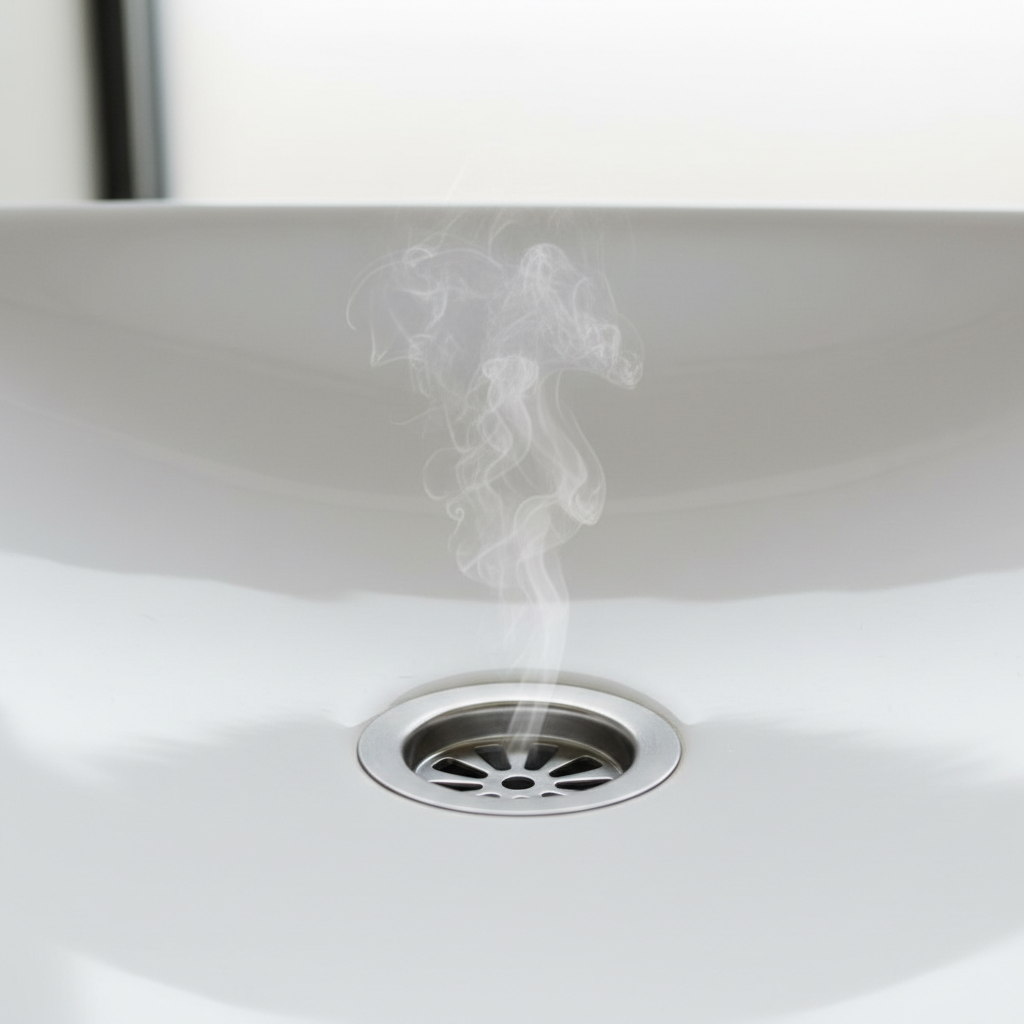
You walk into your bathroom, and instead of a fresh, clean scent, you're greeted by a foul odor emanating from the sink. It might smell like rotten eggs, sewage, mold, or just a general mustiness. This isn't just an unpleasant surprise; it's a symptom that something's amiss in your sink's drainage system. The most common cause is the decomposition of organic matter that accumulates inside the pipes. Hair, skin flakes, soap scum, and even food particles (if you use your bathroom sink for anything beyond hand-washing) become trapped, especially in the P-trap, where water always sits. Bacteria feed on this organic gunk, producing gases that waft up through the drain and into your bathroom. If the smell is particularly strong or reminiscent of rotten eggs, it could also signal hydrogen sulfide gas, often a byproduct of anaerobic bacterial activity, or even a dry P-trap allowing true sewer gas into your home. Pinpointing the source is key to a lasting solution.
How It Works
To understand why your sink smells, it helps to know how a typical drain system functions. Your bathroom sink has two primary components that directly relate to odor control: the P-trap and the vent pipe. The P-trap is the U-shaped section of pipe directly under your sink. Its crucial job is to always hold a small amount of water. This water creates a barrier, effectively sealing off your home's living space from the sewer gases that are constantly present in the main drainage lines. Without this water seal, noxious and potentially harmful sewer gases (which can contain methane, hydrogen sulfide, and ammonia) would freely enter your home. When you run water down the drain, it pushes old water out of the P-trap and replaces it with fresh water, ideally flushing away minor debris.
The second critical component is the plumbing vent system. Every plumbing fixture in your home—sinks, toilets, showers—is connected to a series of vent pipes that extend up through your roof. These vents serve two main purposes: they allow fresh air into the drain lines, which helps waste flow smoothly by preventing a vacuum from forming, and more importantly for our topic, they allow sewer gases to escape harmlessly to the outside atmosphere instead of building up pressure or being pushed back into your home. If a vent pipe becomes blocked (e.g., by a bird's nest, leaves, or even an animal), it can disrupt the pressure balance in the drain system. This imbalance can cause the water in your P-trap to be siphoned out, breaking the water seal and allowing sewer gases to enter your bathroom. Similarly, if a sink isn't used for a long time, the water in the P-trap can simply evaporate, also breaking the seal. Biofilm, the primary cause of direct drain odor, forms in the P-trap and along the interior walls of the drain pipes and the overflow channel, creating a breeding ground for odor-producing bacteria that thrive in moist, dark environments.
Step-by-Step Fix
Here’s how to systematically tackle that foul odor emanating from your bathroom sink. Start with the simplest, least invasive solutions and progress if the smell persists.
-
Flush with Hot Water and Soap — *Simple clean out.
- Start by running the hottest tap water you can for several minutes to flush out any loose debris and warm the pipes. Follow with a squirt of liquid dish soap and let it sit for 10-15 minutes before flushing again with hot water. This can break down grease and light buildup.
- If this doesn't work: The problem is likely more stubborn than a simple surface flush can fix.
-
Baking Soda and Vinegar Power Wash — *Non-toxic deodorizing.
- Pour 1/2 cup of baking soda directly down the drain, ensuring as much as possible goes into the opening. Follow immediately with 1 cup of white vinegar. You'll hear a fizzing sound as the two react. This reaction creates a scrubbing action that can dislodge grime.
- Let the mixture sit and work for 30 minutes to an hour (or even overnight for stubborn odors).
- After the waiting period, flush the drain thoroughly with very hot water (from the tap). You can also follow up with a kettle of boiling water, but never pour boiling water down PVC pipes if you are unsure of their condition, as it can soften or warp them. Stick to hot tap water if in doubt.
- Safety Note: Keep your face away from the drain during the fizzing reaction, as the fumes can be irritating. Ensure good ventilation.
-
Clean the Overflow Channel — *Often overlooked culprit.
- The overflow is the small hole near the top of your sink basin that prevents flooding if the main drain is clogged. It's also a prime spot for mold and mildew to grow and for biofilm to accumulate, directly contributing to smells.
- Take an old toothbrush or a thin, flexible bottle brush, dip it in a mixture of warm water and a little bleach or baking soda paste, and thoroughly scrub inside the overflow hole. Push the brush in as far as it will go and rotate it to clean all surfaces.
- Alternatively, you can try pouring a baking soda and vinegar solution directly into the overflow hole, allowing it to fizz and clean. Flush with hot water afterward.
-
Disassemble and Clean the P-Trap — *For stubborn internal gunk.
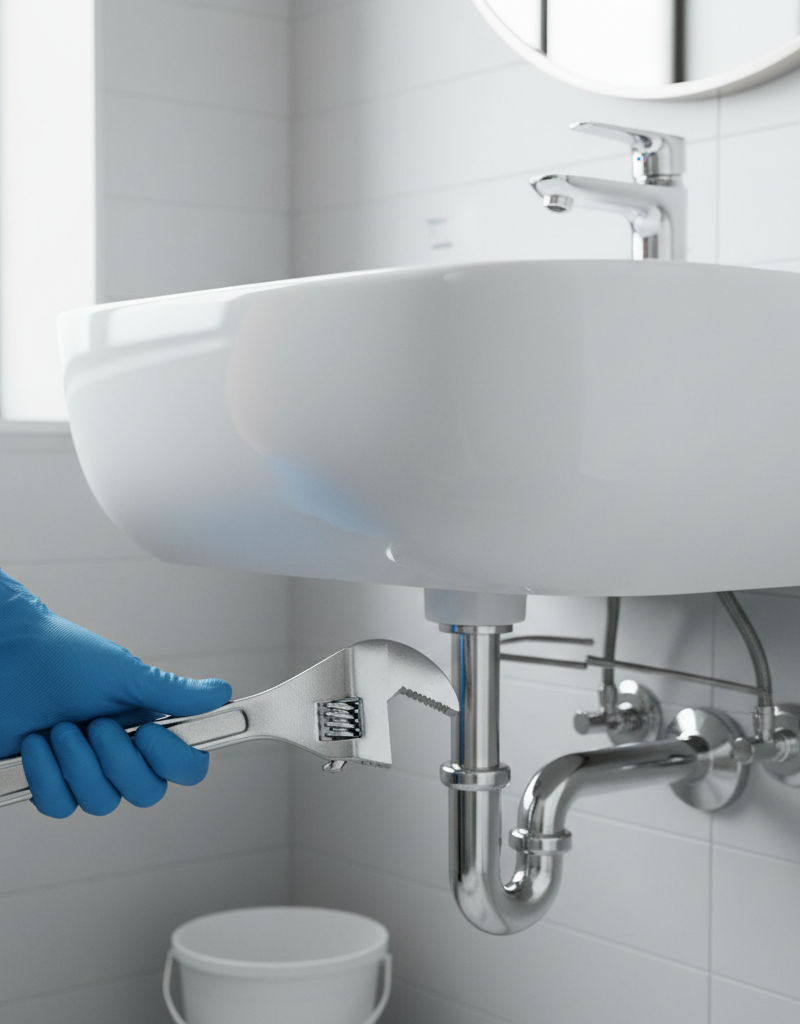
- Safety First: Place a bucket directly under the P-trap to catch any water and debris. Put on old clothes and gloves, as this can be a messy job.
- Using adjustable pliers or a basin wrench, carefully loosen the slip nuts on both ends of the P-trap. Turn them counter-clockwise.
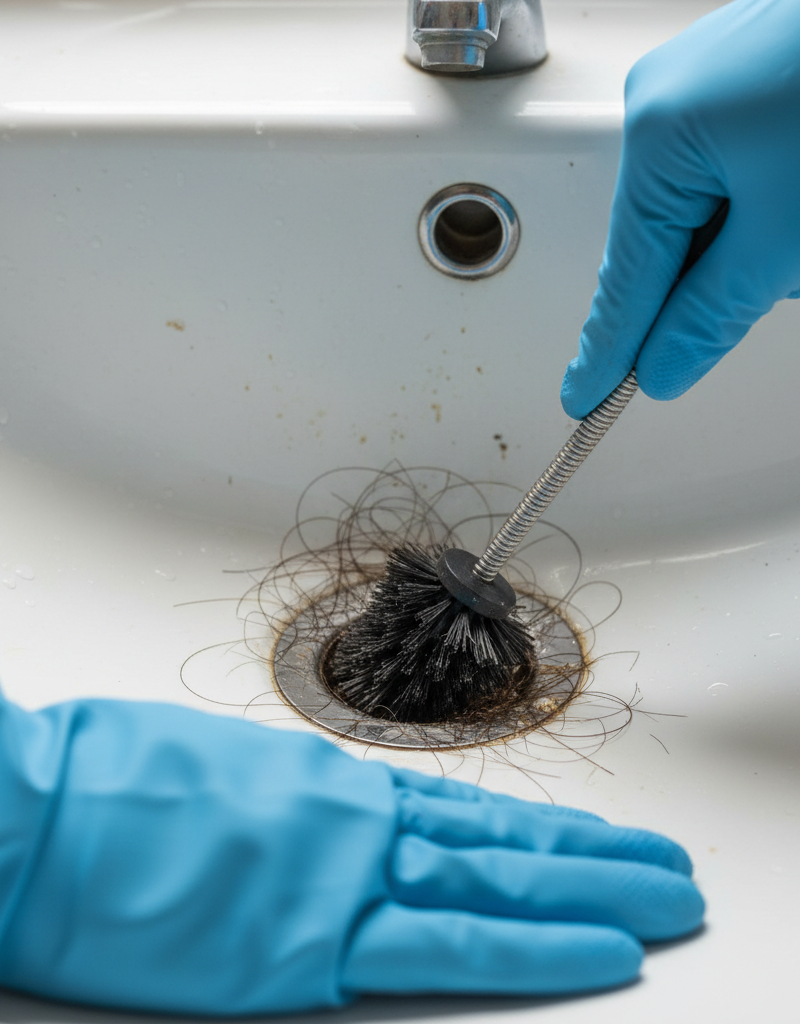
- Gently remove the P-trap. Often, a significant amount of hair, soap scum, and sludge will be visible inside. This is usually the main source of the odor.
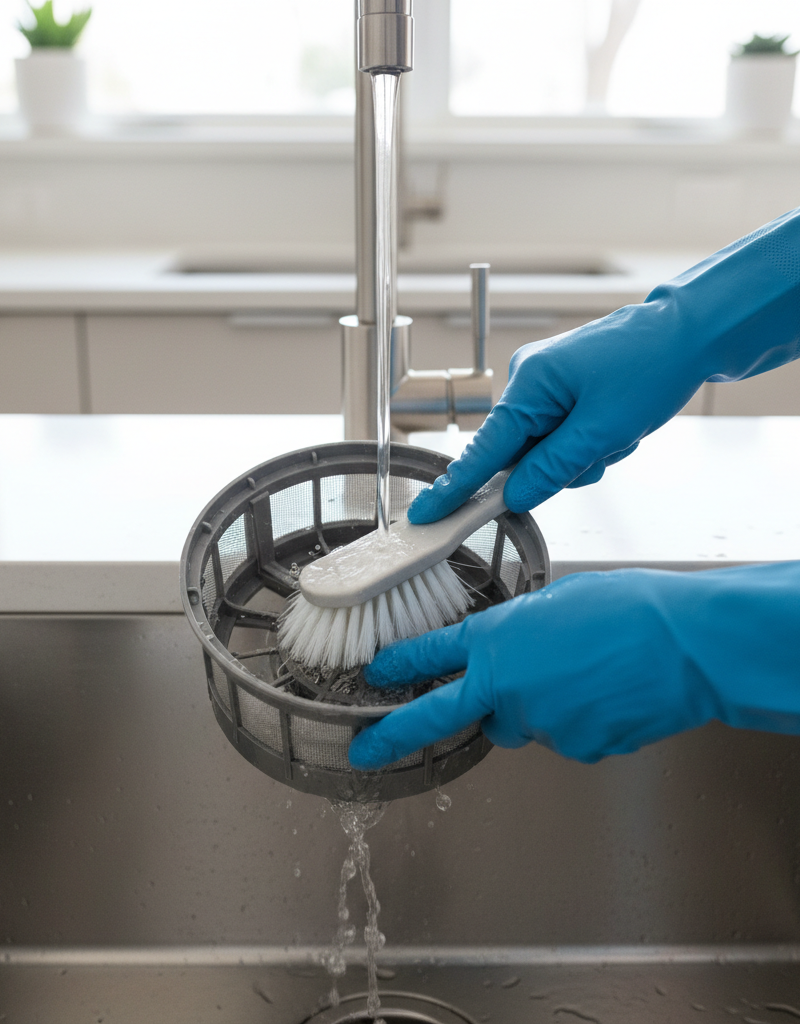
- Clean the interior of the P-trap thoroughly using an old bottle brush, a coat hanger straightened out (with a small hook bent at the end), or simply hot, soapy water. Scrape away all visible gunk.
- Inspect the tailpiece (the vertical pipe leading from the sink to the P-trap) and the wall drain pipe for any obstructions or buildup as well. Clean if necessary.
- Reassemble the P-trap, ensuring the slip nuts are hand-tightened first, then a quarter-turn more with pliers. Don't overtighten, as this can crack plastic pipes. Run water to check for leaks.
- Tools needed: Bucket, adjustable pliers or basin wrench, old toothbrush/bottle brush, old rags.
-
Check Your Vent Pipe (If Smell Persists) — *Advanced troubleshooting.
- If the smell comes and goes, especially after using other drains in the house, or if you notice slow drainage and gurgling, your vent pipe might be partially blocked or the P-trap is being siphoned. This is harder to diagnose and fix yourself.
- Visually inspect the vent stack on your roof for obstructions like leaves, bird nests, or debris. If accessible and safe to do so, carefully remove any visible blockages. Do not attempt if you are uncomfortable on a ladder or on your roof. Call a professional if you suspect a blocked vent or if the problem is accompanied by widespread drainage issues.
- Pour water down the vent stack (if safely accessible) to ensure it's clear. If it backs up, it's definitely blocked.
-
Replenish a Dry P-Trap — *Simple fix for infrequent use.
- If the sink in question is in a guest bathroom or a utility room that isn't used frequently, the water in the P-trap might have simply evaporated, breaking the sewer gas seal.
- Simply run water down the drain for 30-60 seconds. This will refill the P-trap and re-establish the water seal. Do this once a week for infrequently used sinks.
Common Causes
- Biofilm Buildup (Hair & Soap Scum): This is by far the most common cause. A slimy mixture of hair, skin cells, soap, toothpaste, and other organic matter accumulates on the inner surfaces of the drain pipes, particularly in the P-trap. Bacteria feed on this gunk, producing foul-smelling gases like hydrogen sulfide.
- Dry P-Trap: The P-trap beneath the sink relies on a water seal to block sewer gases. If a sink isn't used for an extended period (e.g., in a guest bathroom), the water in the trap can evaporate, allowing sewer gases to enter your home.
- Clogged or Improperly Vented Drain: Plumbing systems rely on vent pipes to equalize air pressure and allow sewer gases to escape through the roof. If a vent pipe becomes blocked (e.g., by leaves, snow, or a bird's nest) or is improperly installed, it can siphon water out of the P-trap or allow gases to be pushed back into the home.
- Leaky P-Trap or Drain Line: While less common for odor originating from the drain, a small leak in the P-trap or drain line can create a damp environment under the sink, promoting mold and mildew growth that contributes to a musty odor.
- Overflow Channel Buildup: The small overflow hole near the top of your sink basin can accumulate mold, mildew, and biofilm, becoming a hidden source of foul smells that are often mistaken for coming directly from the drain.
- Food Waste: While less common in bathroom sinks, if food particles are regularly rinsed down the drain, they can decompose and emit strong odors.
Common Mistakes
- Ignoring the Overflow Hole: Many homeowners focus solely on the main drain, forgetting that the overflow channel is a prime location for mold and mildew growth and biofilm accumulation. Always clean this area!
- Using Too Much Chemical Drain Cleaner: Harsh chemical drain cleaners can damage pipes, especially older or PVC ones. They often don't fully remove the biofilm and can worsen the problem by leaving behind more chemicals for bacteria to feed on. Opt for natural solutions or manual cleaning instead.
- Not Fully Disassembling the P-Trap: Simply pouring solutions down the drain might not reach or fully dislodge stubborn gunk within the P-trap. For truly persistent smells, a manual cleaning of the P-trap is usually necessary.
- Overtightening P-Trap Nuts: When reassembling the P-trap, overtightening the slip nuts, especially on plastic pipes, can cause them to crack or strip, leading to leaks. Hand-tighten, then give a quarter turn with pliers.
- Assuming it's Always the Drain: While often the case, don't rule out other odor sources in the bathroom, such as mold behind walls, a dirty toilet, or even dirty bath mats. Rule out the sink before moving on to less obvious culprits.
- Ignoring Venting Issues: If all drain cleaning fails and you experience gurgling sounds or consistently slow drains across multiple fixtures, the issue might be a blocked vent pipe, which requires more advanced troubleshooting or professional help.
Cost & Time Breakdown
| Task | DIY Cost | Pro Cost | Time |
|---|---|---|---|
| Hot water & soap flush | $0 | N/A | 5–10 minutes |
| Baking soda & vinegar treatment | $1–$3 | N/A | 30–60 minutes |
| Clean overflow channel | $0 | N/A | 10–15 minutes |
| Disassemble & clean P-trap | $0–$10 (tools) | $150–$300 | 30–60 minutes |
| Vent pipe inspection (DIY safe) | $0 | $200–$500 | 15–30 minutes |
| Pro plumbing diagnosis | N/A | $150–$450 | 1–2 hours |
Tips & Prevention
- Regular Hot Water Flushes: Make it a habit to run hot water down your sink drains for a minute or two after heavy use, especially after shaving or washing hair. This helps prevent buildup.
- Monthly Baking Soda & Vinegar Treatment: Perform a baking soda and vinegar flush once a month. This easy preventative measure can keep biofilm from accumulating to problematic levels.
- Hair Catchers: Install a hair catcher or drain screen in your bathroom sink. These inexpensive devices can significantly reduce the amount of hair and debris that makes it into your pipes.
- Clean Sink Regularly: Wipe down your sink basin, including around the drain opening and inside the overflow, with an all-purpose cleaner to prevent surface mold and slime buildup.
- Use Natural Cleaners: Avoid harsh chemical drain cleaners for routine maintenance. They can be detrimental to your plumbing and the environment. Stick to baking soda, vinegar, and hot water.
- Run Infrequently Used Sinks: For guest bathrooms or utility sinks, run water for 30 seconds once a week to ensure the P-trap remains filled and maintains its sewer gas seal.
When to Call a Professional
While most smelly bathroom sink issues can be resolved with DIY methods, there are specific situations where calling a licensed plumber is the safest and most effective course of action. If you've tried all the steps above, including a thorough P-trap cleaning, and the foul odor persists, it could indicate a more complex problem. A persistent rotten egg smell, especially if it's strong and widespread, could suggest a significant issue with hydrogen sulfide gas or a main sewer line fault, which requires immediate professional attention. If you suspect a blocked vent pipe because of accompanying slow drains, gurgling noises from multiple fixtures, or frequent P-trap siphoning, attempting to clear a roof vent yourself can be dangerous and ineffective. Plumbers have specialized tools like drain snakes, bore scopes, and advanced diagnostic equipment to identify and clear blockages deep within vent pipes or main drain lines that are inaccessible to a homeowner. Furthermore, if you detect any leaks in your drain lines that you can't easily seal, or if you encounter any structural damage to your plumbing during your troubleshooting, it's time to call in a professional to prevent further water damage or more extensive repairs.
Frequently asked questions
Why does my bathroom sink smell like rotten eggs?+
A rotten egg smell usually indicates the presence of hydrogen sulfide gas, which is produced by anaerobic bacteria decomposing organic matter (like hair and soap scum) in your drain or P-trap. A dry P-trap or a vent issue can also allow this gas from the sewer system into your home.
Can a dirty overflow cause sink odors?+
Absolutely. The overflow channel, the small hole near the top of your sink basin, is a dark, moist environment perfect for mold, mildew, and biofilm to grow. This buildup can produce significant odors that homeowners often mistake for coming from the main drain.
Is it safe to pour bleach down my sink drain?+
While a small amount of diluted bleach can help deodorize, it's generally not recommended as a primary drain cleaner. Bleach can be corrosive to some pipes over time, and if mixed with other chemicals (like ammonia), it can create dangerous fumes. Stick to baking soda and vinegar for safer, effective cleaning.
How often should I clean my bathroom sink drain?+
For prevention, flush your drain with hot water and dish soap a few times a week, and do a baking soda and vinegar treatment monthly. For persistent odors, a full P-trap cleaning might be needed every 6-12 months, depending on use and hair accumulation.
What if my sink gurgles and smells?+
Gurgling sounds often indicate a partial clog or a problem with your plumbing vent system. If the vent pipe is blocked, it can cause air pressure imbalances, leading to gurgling and potentially siphoning water from your P-trap, allowing sewer gases to enter your home. This warrants professional investigation if DIY methods don't resolve it.
Discussion
Loading comments…